
© FLC / ADAGP 2022

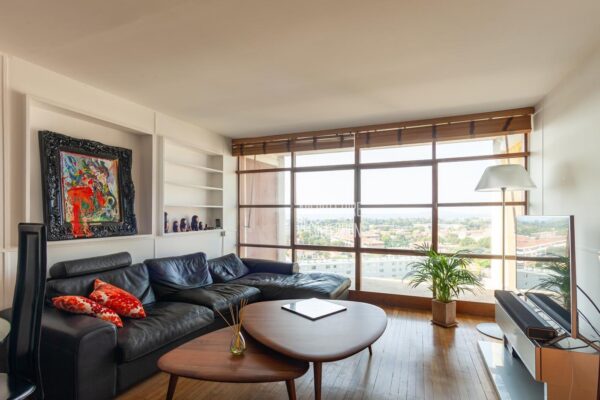
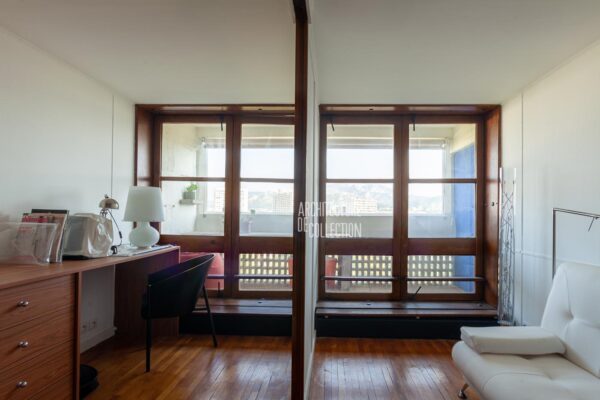
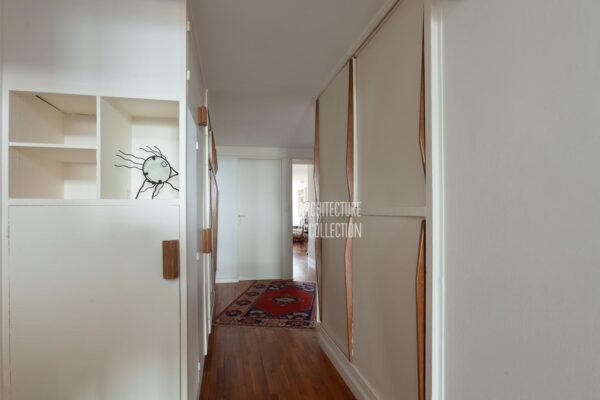
Type E duplex in the Cité radieuse
Le Corbusier architecte
1952
Marseille (13)
Catalogue Architecture de Collection 2022
A duplex with balcony in an iconic architecture
Listed as a UNESCO World Heritage Site since 2016, the Cité Radieuse in Marseille is an icon of Le Corbusier’s work. Built between 1948 and 1952 in the context of the Reconstruction, it represents the culmination of his research on housing and modern architecture.
Exploiting the plastic and technical possibilities of concrete, the Cité Radieuse by Le Corbusier is a revolutionary housing unit, a concrete structure on stilts into which duplex apartments and services are inserted. To the regular frame of its facade, with its prefabricated concrete sunbreakers, sculptural shapes on the roof respond, like its large chimney. Inside and outside the building, the architect has developed a chromatic approach to space, starting from the primary colors that cover the interior of the loggias and the doors of the apartments.

© Valérie Ruperti © FLC / ADAGP 2022





Le Corbusier
Born in 1887 in Switzerland, and disappeared in 1965, Charles-Édouard Jeanneret, better known as Le Corbusier, is an architect and urban planner known for his ability to make architecture a total art. He thinks of the building, the interior design, both in terms of furnishing and comfort, and takes into account the urban planning dimension of all his achievements. He remains unquestionably one of the most emblematic figures of the modern movement.
Throughout his career, Le Corbusier shared his visions and theories through his participation in international exhibitions such as that of 1925, where he presented the Pavillon de l’Esprit Nouveau, and that of 1937, with its Pavillon des Temps Nouveaux.
Defender of modernism and rejecting the decorative arts, Le Corbusier inscribes his architectural thought in his villas, more particularly in the Villa Savoye in 1928, where he theorizes the “five points of modern architecture” (the stilts, the roof terrace, the strip windows, the free facade and the free plan).
Although he was one of the most prolific architects of his time, many of his projects never saw the light of day, such as the “Plan Voisin” or the contemporary city of three million inhabitants. Sometimes too polemical or radical in the eyes of the general public, the work of Le Corbusier however knows an international resonance. His last major project was given to him by the city of Chandigarh, in India. He is responsible for directing the entire urban planning work for the creation of the new capital of Punjab, where he mixes raw concrete and lush vegetation.

© Valérie Ruperti © FLC / ADAGP 2022
NOS ARCHIVES
Panoramic apartment, 1969-1993
Le Corbusier architect
Panoramic apartment, 1969-1993
Type E duplex in the Cité Radieuse, 1952
Le Corbusier architect
Type E duplex in the Cité Radieuse, 1952

Panoramic apartment, 1963
Fernand Pouillon architect
Panoramic apartment, 1963
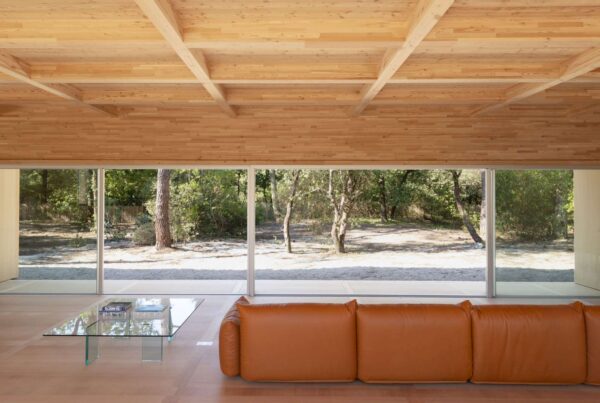
Contemporary villa, 2019
Nicolas Dahan architect
Contemporary villa, 2019
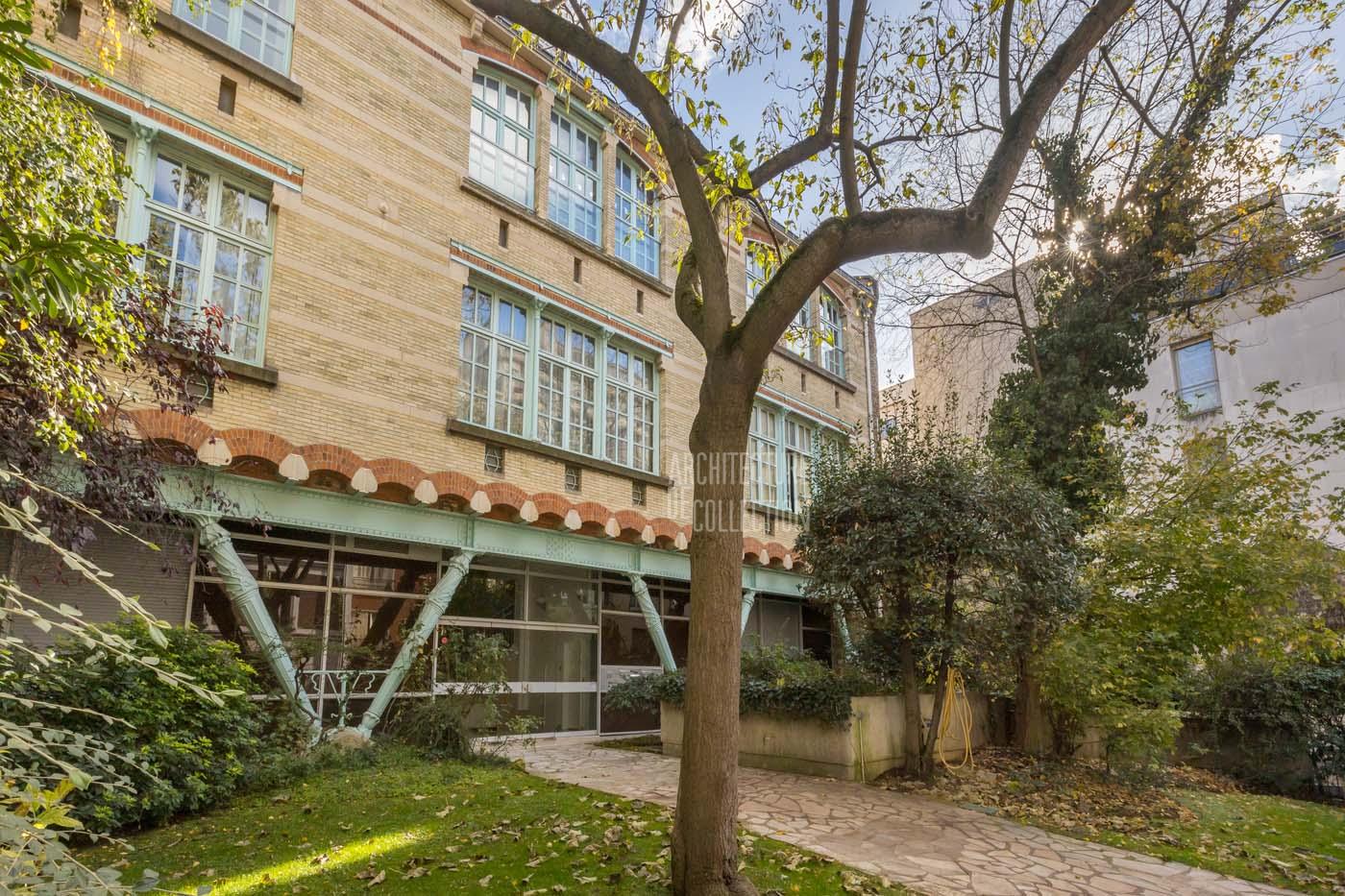
Art Nouveau apartment with garden, 1895
Hector Guimard architect
Art Nouveau apartment with garden, 1895
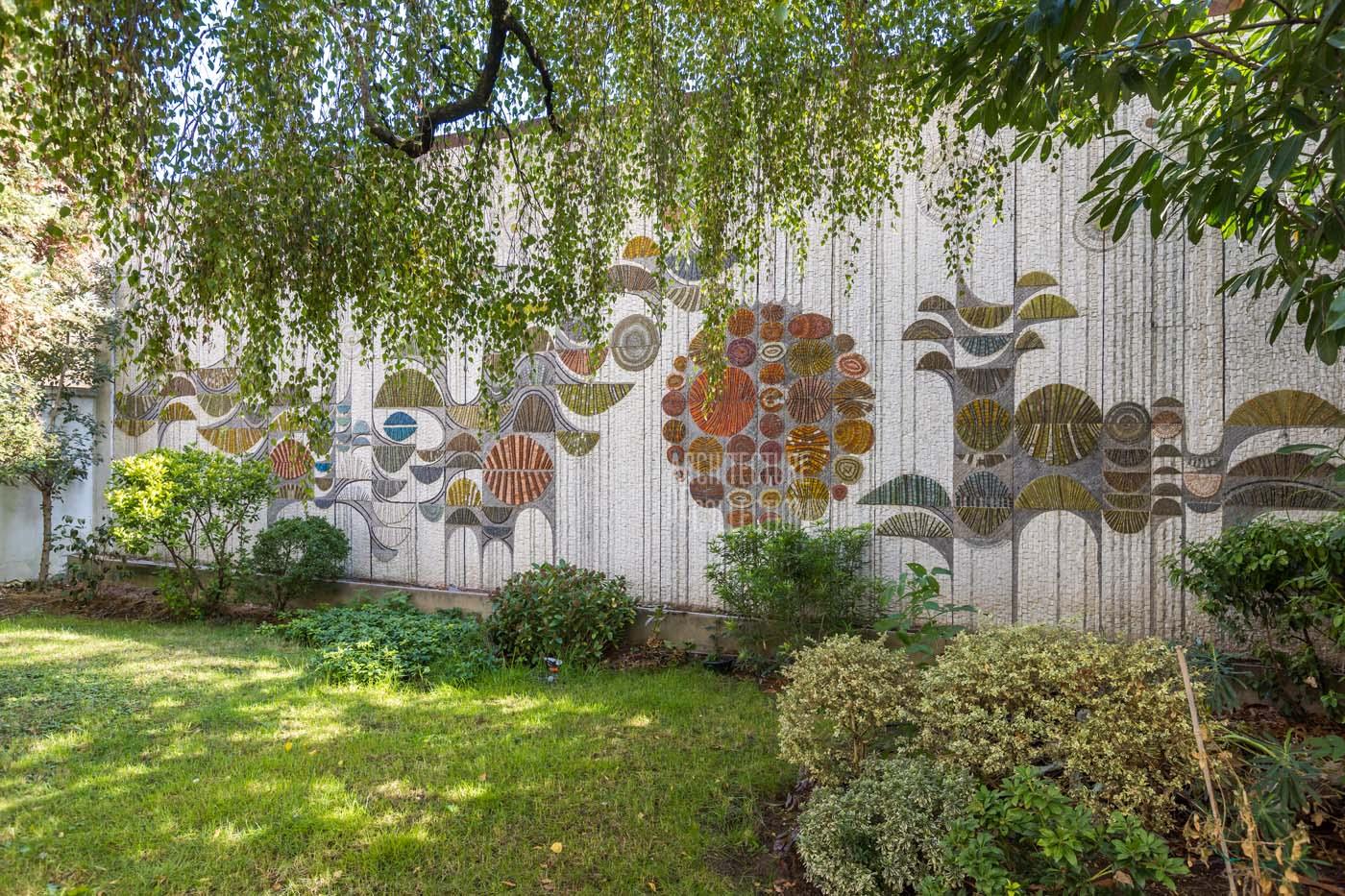
Family apartment with terrace and garden, 1967
Roger Anger & Claude Parent architects
Family apartment with terrace and garden, 1967
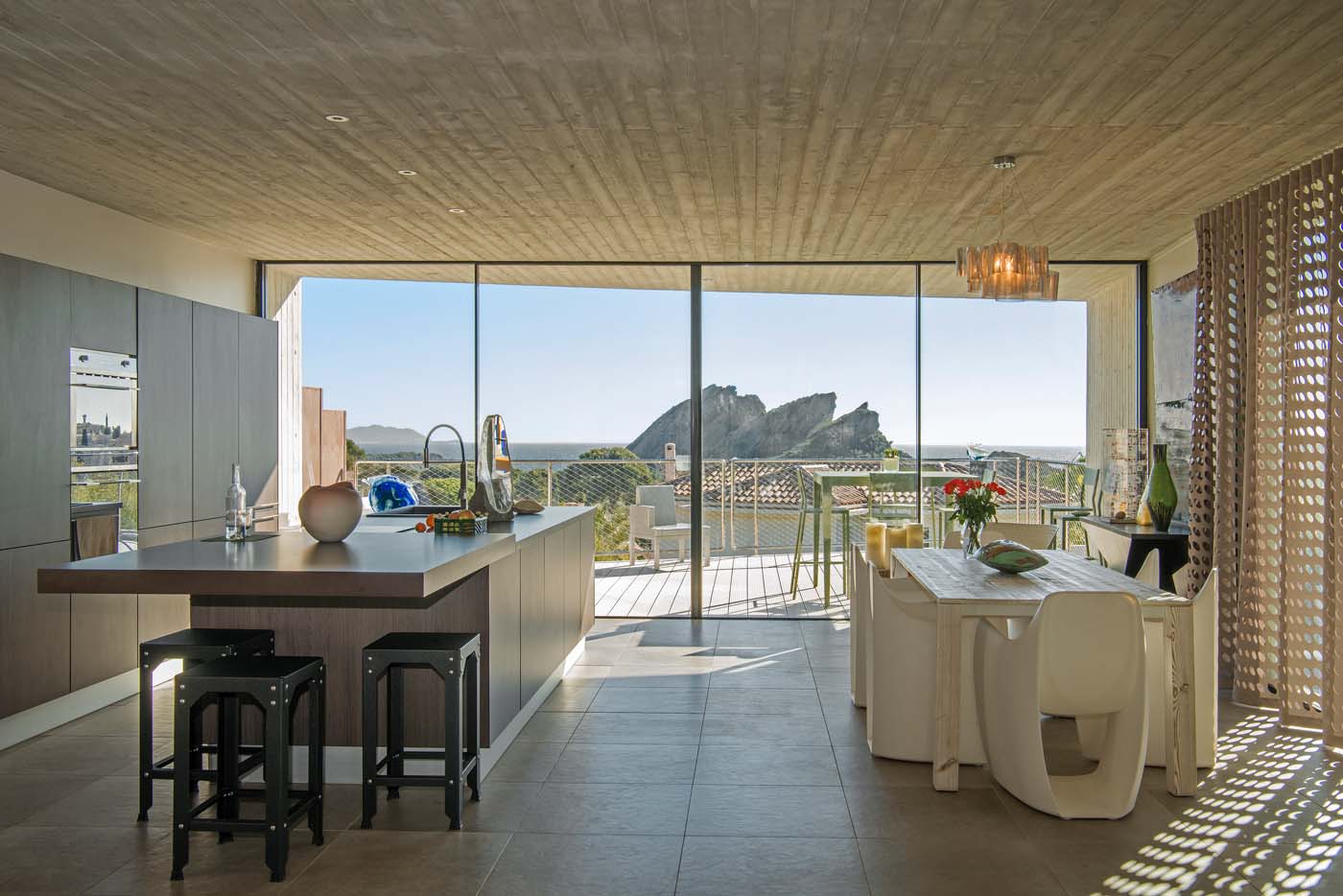
Contemporary villa with swimming pool, 2011
Raphaëlle Segond architect
Contemporary villa with swimming pool, 2011
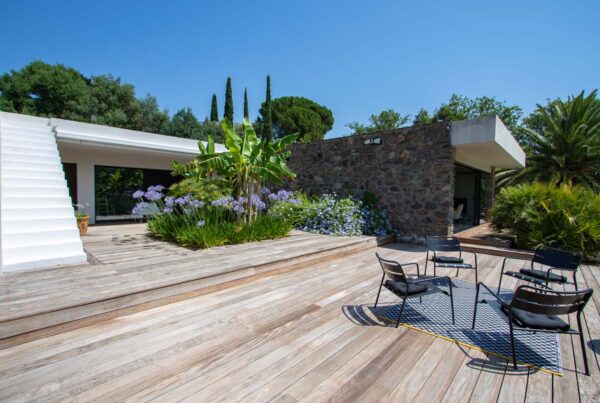
Modernist villa, 1960
Pierre Tobolka architect
Modernist villa, 1960
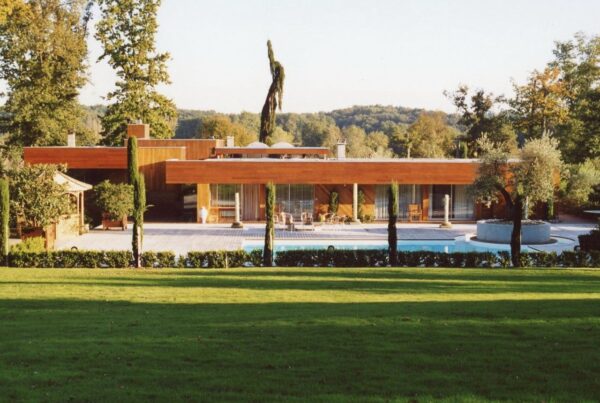
Modernist villa, 1973
Agence Salier, Courtois, Lajus et Sadirac
Modernist villa, 1973
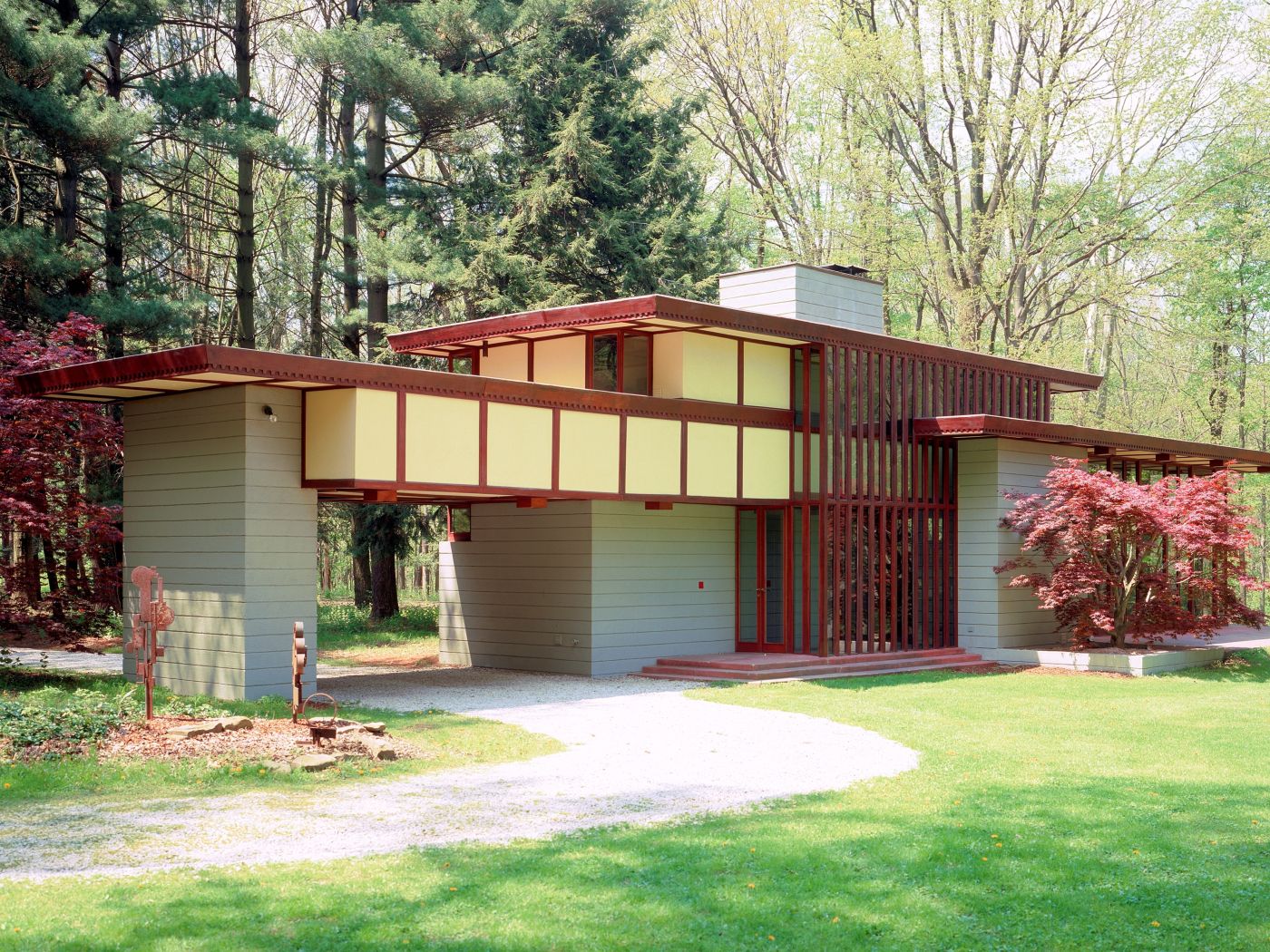
The Louis Penfield House,1955
Frank Lloyd Wright architect
The Louis Penfield House,1955
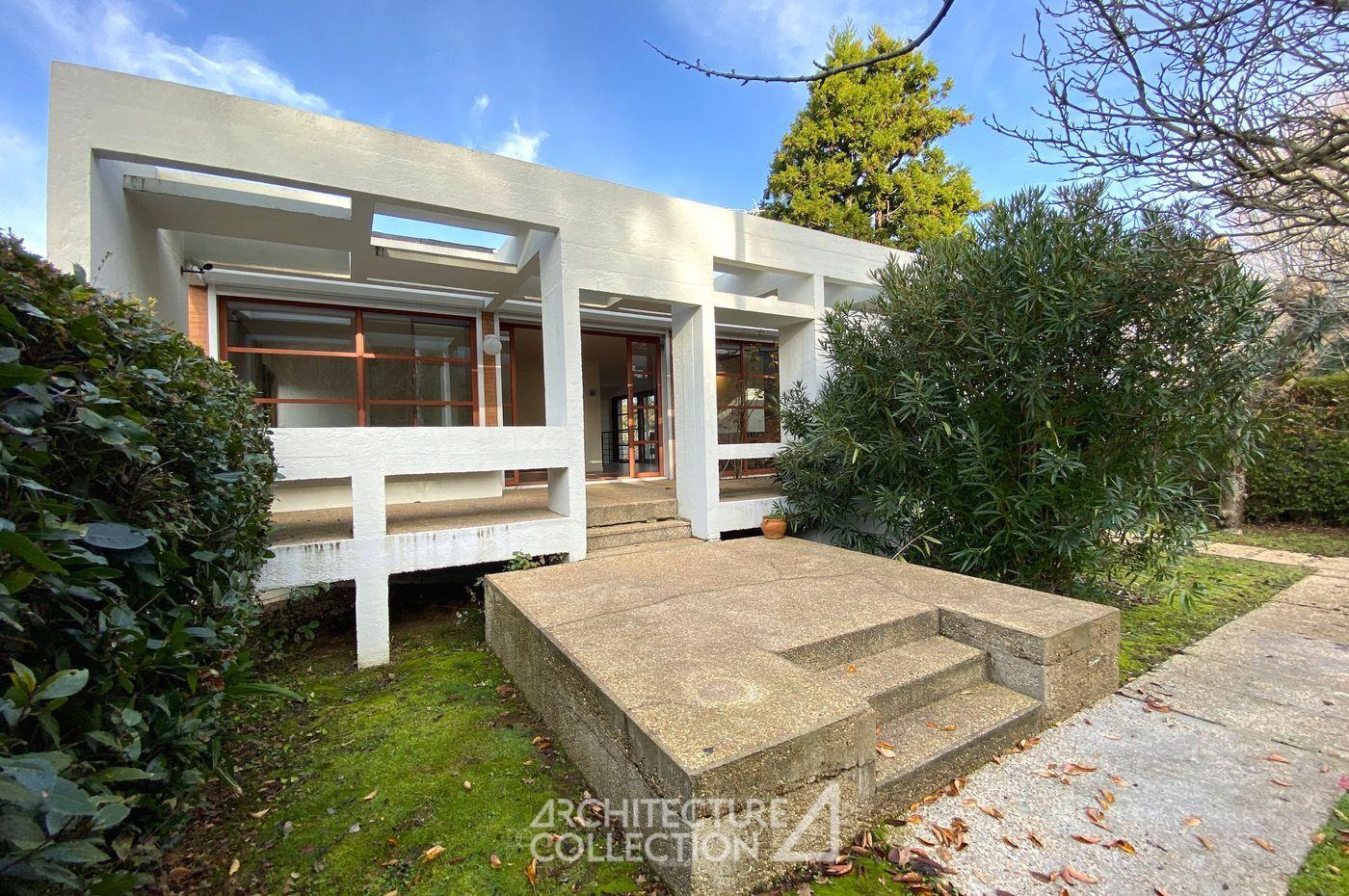
Modernist house, 1965
Yves Salier architect
Modernist house, 1965
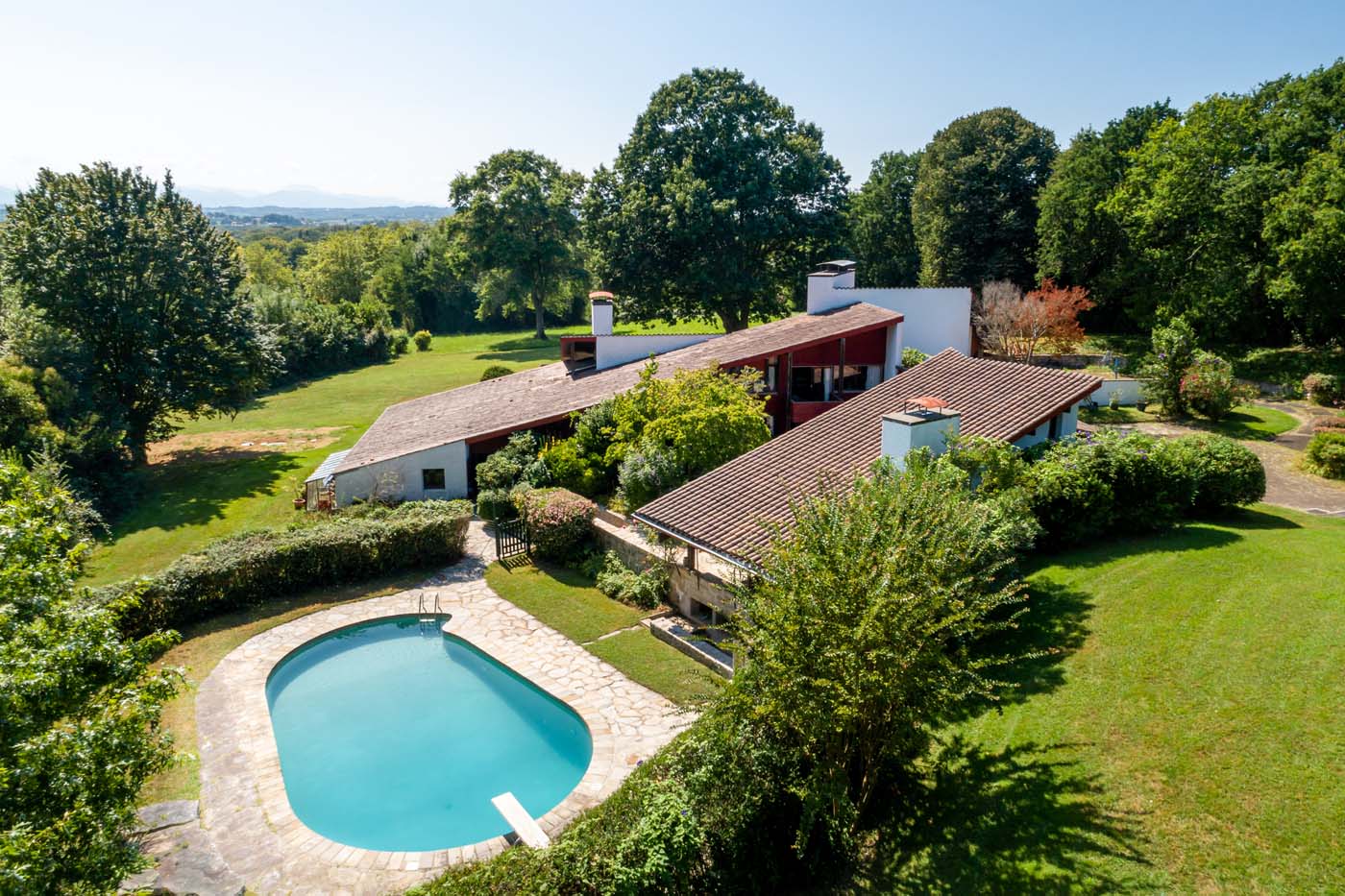
Cherenda house, 1971
Jean-Raphaël Hébrard Architect
Cherenda house, 1971
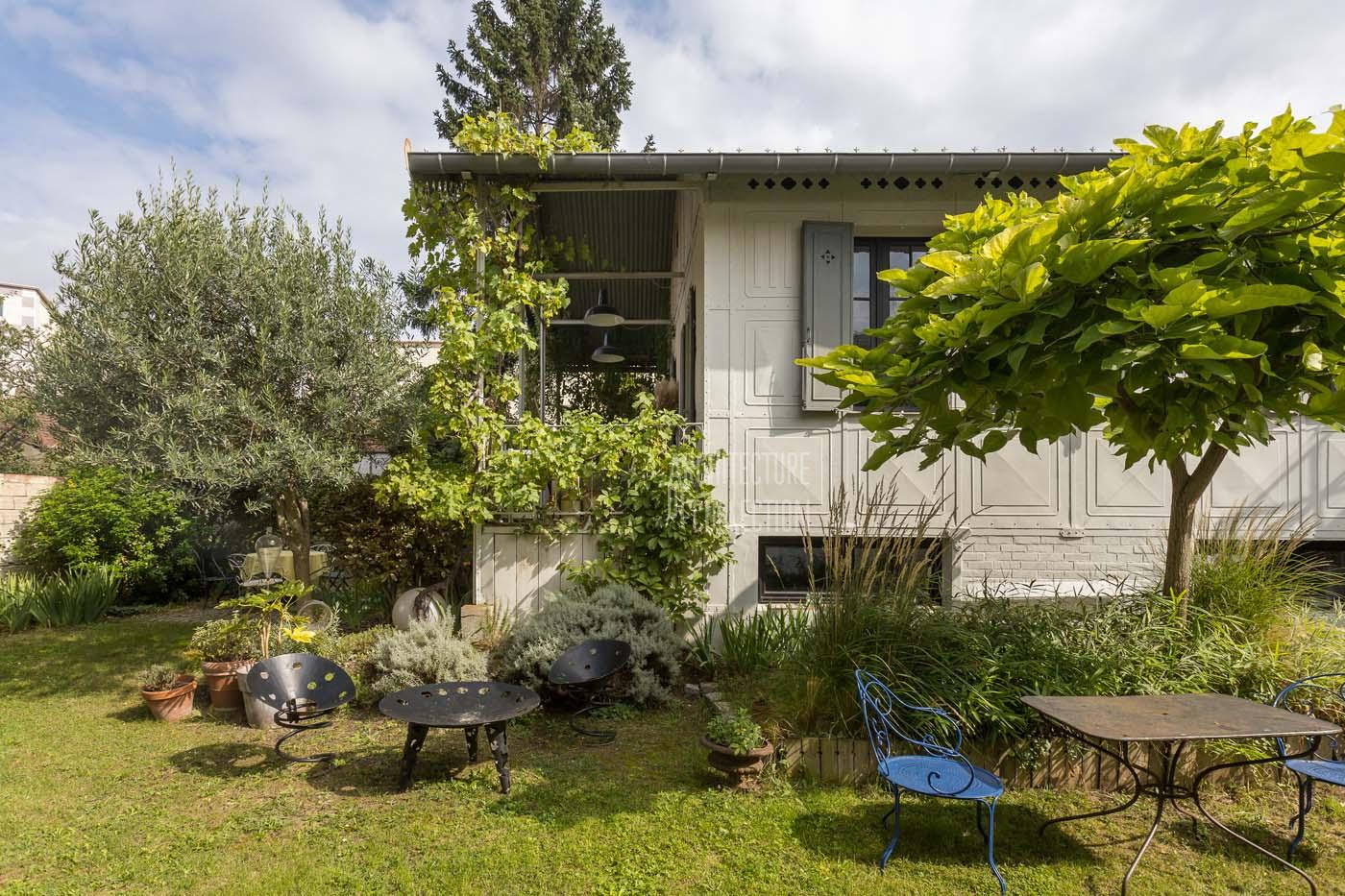
Duclos house, 1895
Bibiano Duclos, designer-builder
Duclos house, 1895

Totem Tower, 1975
Andrault & Parat architectes
Totem Tower, 1975

Brutalist house with garden, 1978
Jean-Baptiste Combrisson et Laurence Guibert architectes
Brutalist house with garden, 1978

Pompon House, 1955
Pol Abraham architecte
Pompon House, 1955
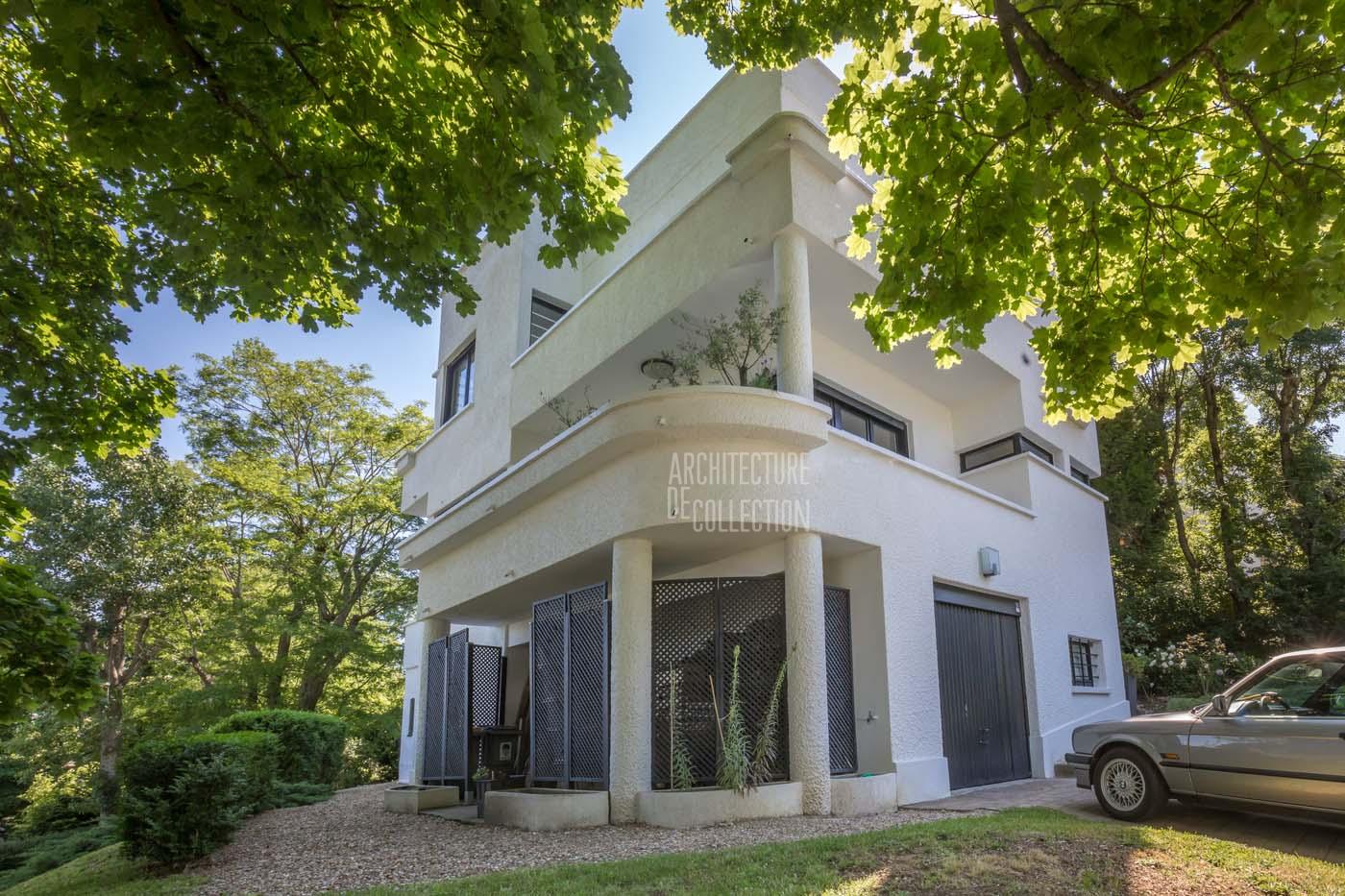
Mirasol House, 1928
Pol Abraham architecte
Mirasol House, 1928
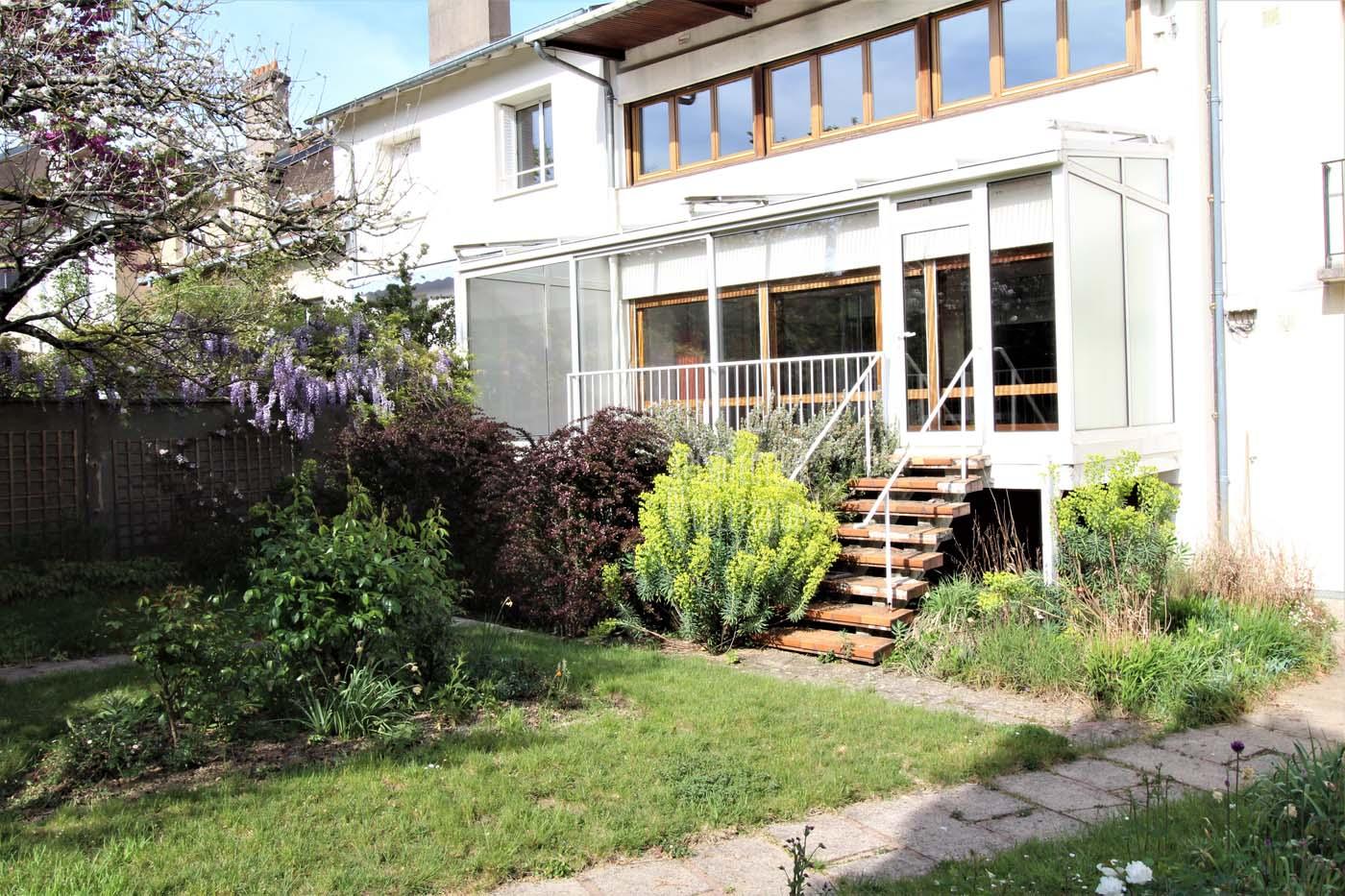
Brajzblat House, 1957
Henri Prouvé architecte
Brajzblat House, 1957

Florence House, 1959
Rex Lotery architecte
Florence House, 1959

Fifties Building, 1954
Jean Prouvé & Lionel Mirabaud
Fifties Building, 1954

The Docteur Gauthier House, 1962
Jean Prouvé constructeur
The Docteur Gauthier House, 1962

Hôtel Winssinger, 1897
Victor Horta architecte
Hôtel Winssinger, 1897
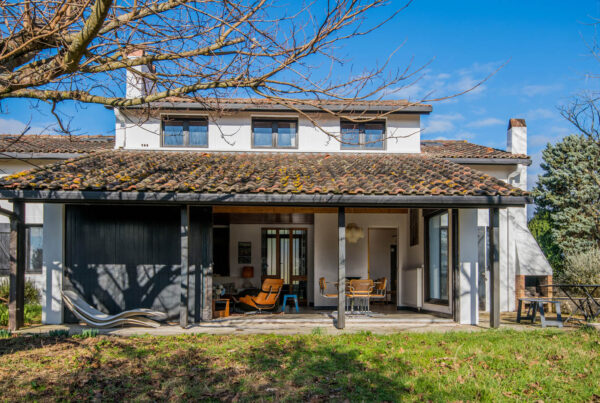
Delcourt House, 1969
Richard Neutra architecte
Delcourt House, 1969

EDF Residential Towers, 1967 / 2016
Atelier de Montrouge / Paul Chemetov
EDF Residential Towers, 1967 / 2016

“The Green Cove”, 1972
André Lefèvre-Devaux architecte
“The Green Cove”, 1972
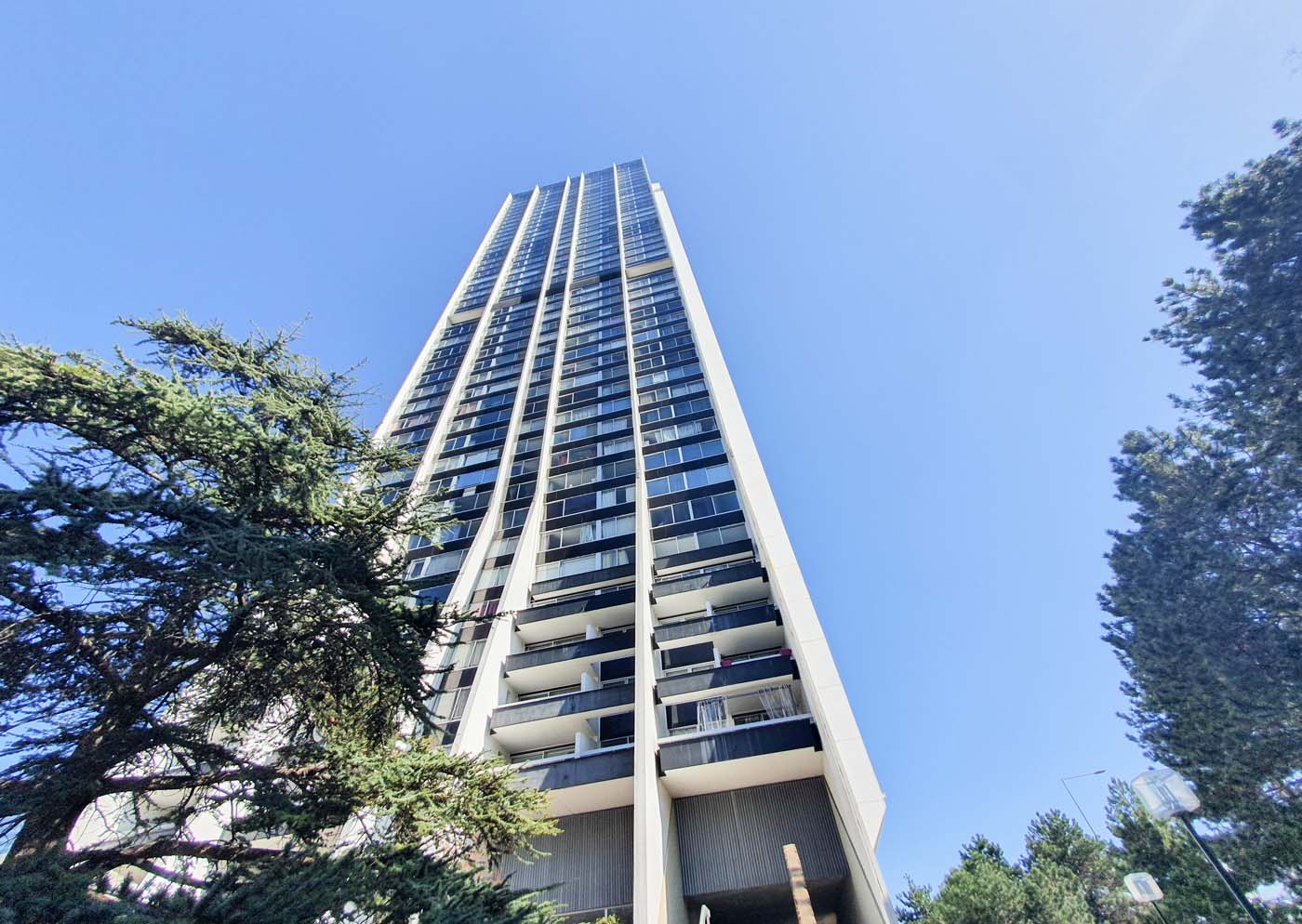
Tower 2000, 1974
Michel Proux architecte
Tower 2000, 1974
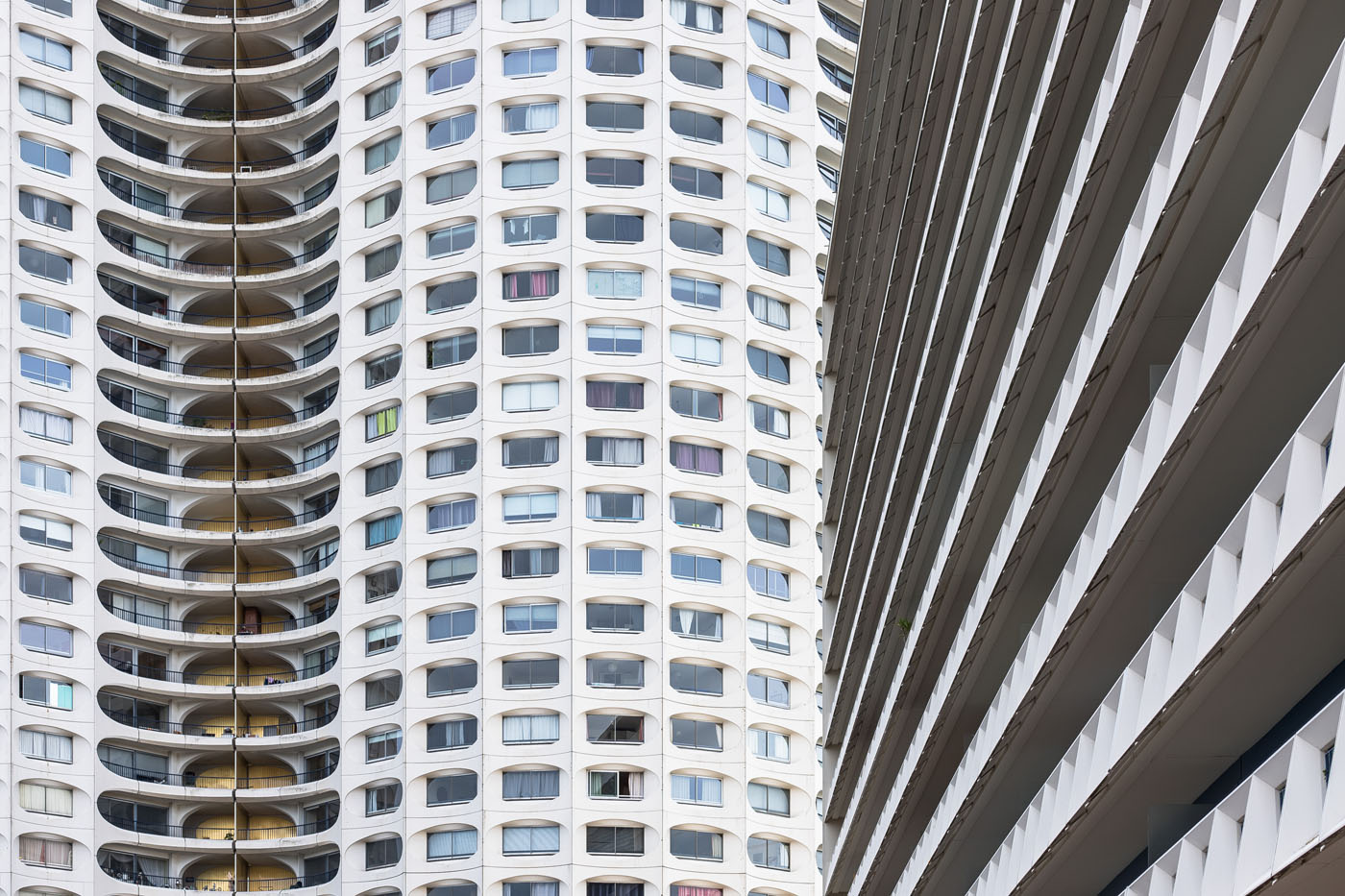
The Horizons, 1970
Georges Maillols architecte
The Horizons, 1970

Maison T, 1981
Georges Adilon architecte
Maison T, 1981

Bubble House, 1991
Antti Lovag architecte
Bubble House, 1991

Casa Olabuenaga, 1997
Ettore Sottsass architecte
Casa Olabuenaga, 1997

Ocean-facing house, 2015
Manuel Aires Mateus architecte
Ocean-facing house, 2015
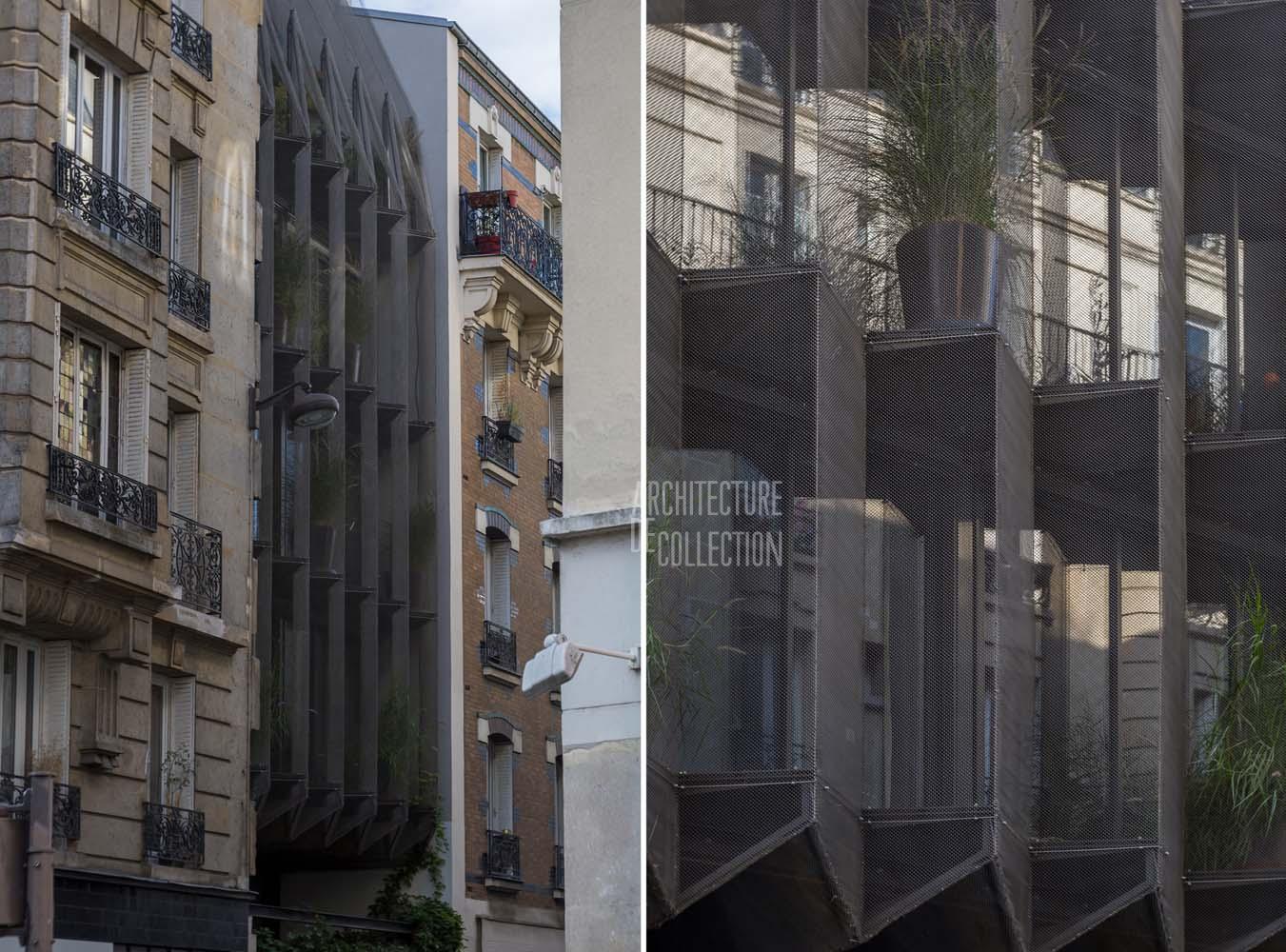
Maison Plissée, 2017
WRA


