© Laurent Kronental

Delcourt House
Richard Neutra architect
1969
Croix (59)
Architecture de Collection Catalog 2021
An iconic Californian-style architecture in northern France
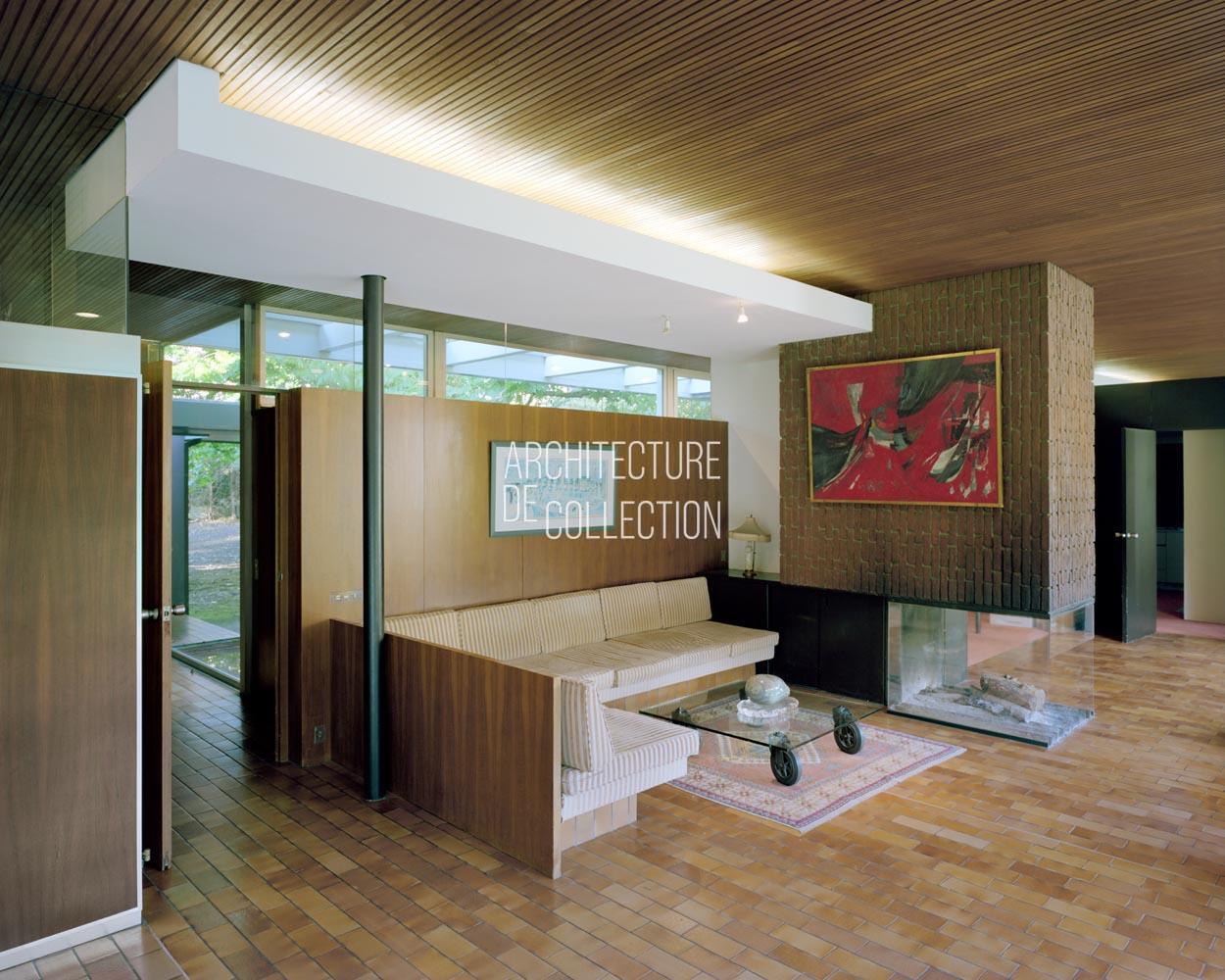
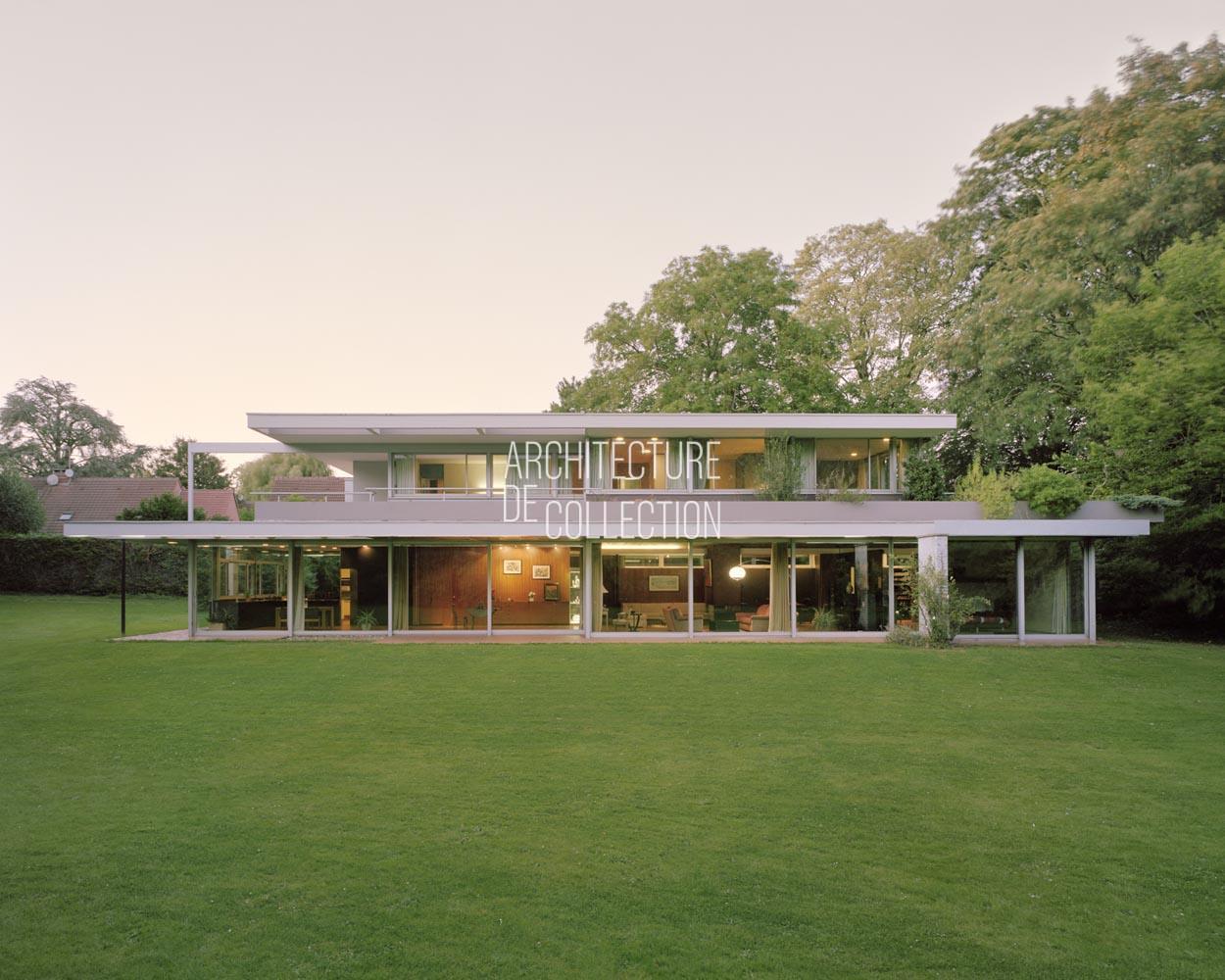
Also known as Villa Neutra, this modern house was built in 1969 for industrialist Marcel Delcourt, a prominent entrepreneur from northern France (head of the company 3 Suisses from 1948 to 1988). Designed by the American architect Richard Neutra, in collaboration with his son Dion Neutra and partner Bruno Honegger, this house is the architect’s only work in France and the final project of his career. The property, located near the famous Villa Cavrois by Robert Mallet-Stevens, has been listed as a Historic Monument since 2000.
The Delcourt House embodies all the architectural principles of Richard Neutra’s Californian villas. It features a post-and-beam structure, an open-plan layout, and a slender horizontal silhouette, emphasized by the extension of floors and ceilings beyond the façades and the transparency of the glass walls. Its volumes are more compact, however, to reduce energy loss in response to the local climate.
In addition to glass and concrete, the architect also used local materials, such as bricks from the nearby town of Hem and Artois sandstone floors, creating a work that is fully integrated into its local context.
Optical effects and transparency plays
The large horizontal bays, widely pierced concrete overhangs, and offsets in the plan create visual continuity between the different spaces of the house, blurring the boundaries between interior and exterior. This interpenetration of spaces is further amplified by the optical effects of mirrors and reflecting pools, which reflect light, architecture, and vegetation. The reflecting pools are an integral part of the architectural project and respond to Neutra’s intention to illuminate the house in all weather conditions. Strategically placed walls conceal neighboring structures and ensure the privacy of the residents.
Through these methods, the landscape becomes an architectural element and a design feature in its own right, both inside and outside the house. Here, as in other works by Richard Neutra, the architecture fosters a relationship with nature that is simultaneously intimate and expansive. The experience of domestic life is enriched by a “physiological and psycho-sensitive” connection between humans and the elements, water, air, and light.
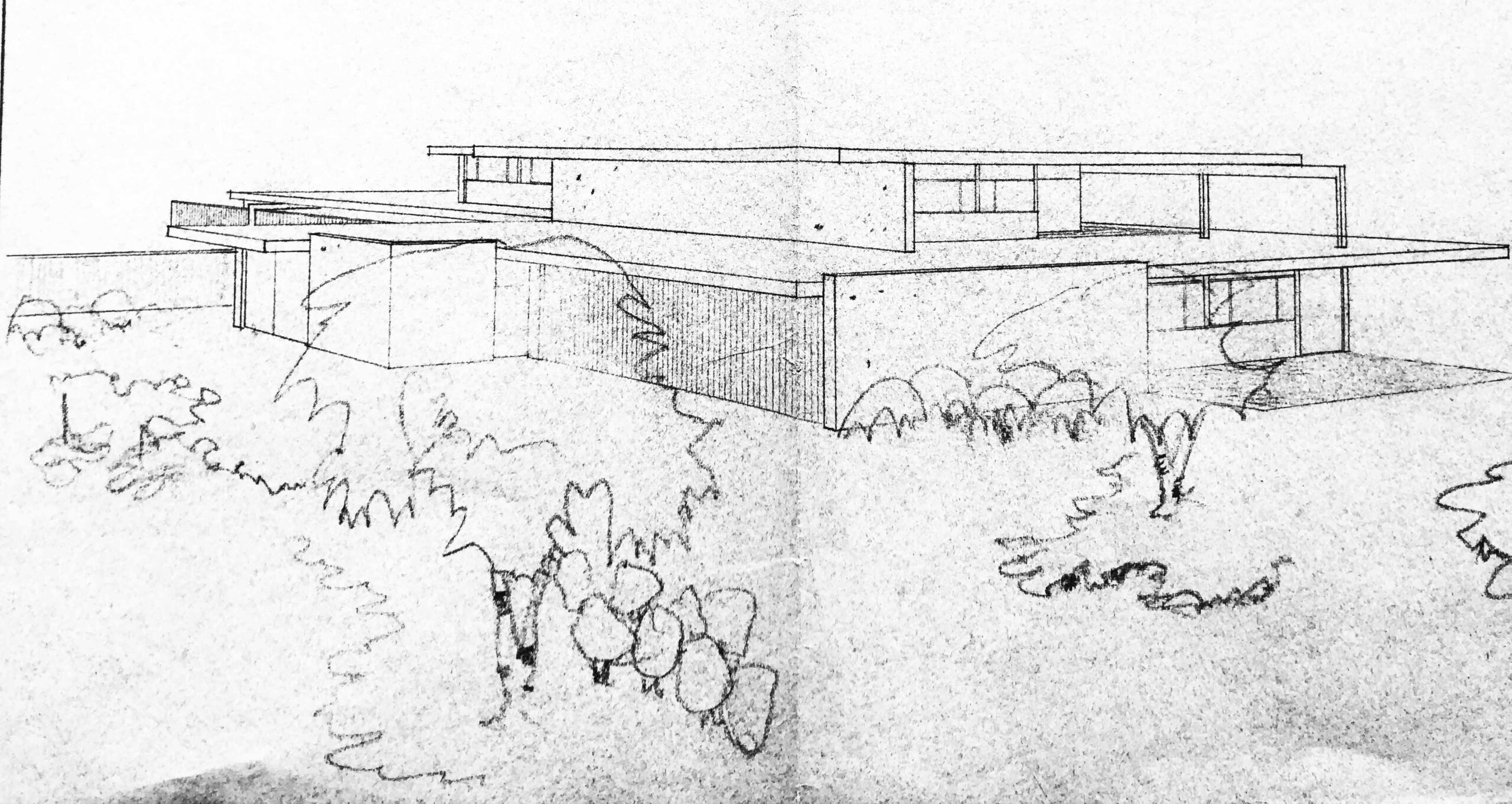
Richard & Dion Neutra, Perspective, Maison Delcourt © All Rights reserved


Richard Neutra, star architect of the ‘California Dream
Richard Neutra (1892–1970) was a prominent figure of the Modern Movement in the United States. Originally Austrian, he studied at the Technical University and the School of Architecture in Vienna, where his teachers included Max Fabiani and Adolf Loos, and later worked for the expressionist architect Erich Mendelsohn in Berlin in 1921. He moved to the United States in 1923, where he encountered Prairie School architects, including Louis Sullivan and Frank Lloyd Wright. He opened his own architectural office in 1925 in Los Angeles and quickly built numerous modern villas for a wealthy clientele, many of which are now famous, such as the Lovell Health House (1929), the Beard House (1934), the Von Sternberg House (1936), and the renowned Kaufmann House (1946), built in the desert for Edgar Kaufmann. He also designed numerous public buildings, large-scale facilities, housing developments, and urban planning projects.
Between 1960 and 1970, he designed eight villas in Europe: four in Switzerland, three in Germany, and one in France (the Delcourt House).
A scholar and passionate designer, Neutra developed an architectural practice centered on the relationship between humans and their environment. Inspired by California, its landscapes, and its climate, he created lightweight, metal-framed structures that allow for completely open interior spaces, extending and opening spectacular views of nature, in line with his conception of luxury and the “American way of life.”

Lovell Health House, 1929, DR

Beard House, 1934, DR
OUR ARCHIVES

Panoramic apartment, 1963
Fernand Pouillon architect
Panoramic apartment, 1963
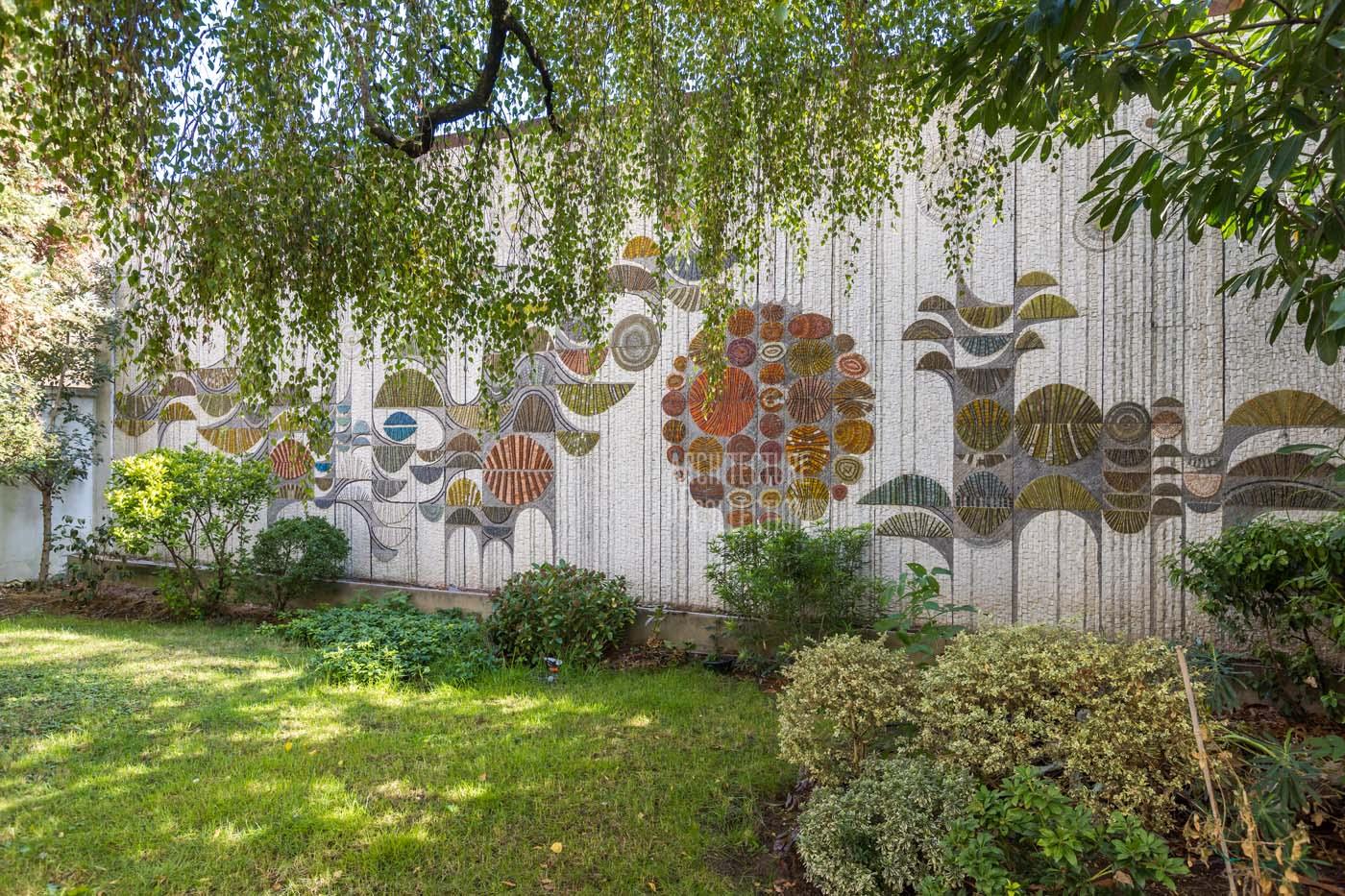
Family apartment with terrace and garden, 1967
Roger Anger & Claude Parent architects
Family apartment with terrace and garden, 1967
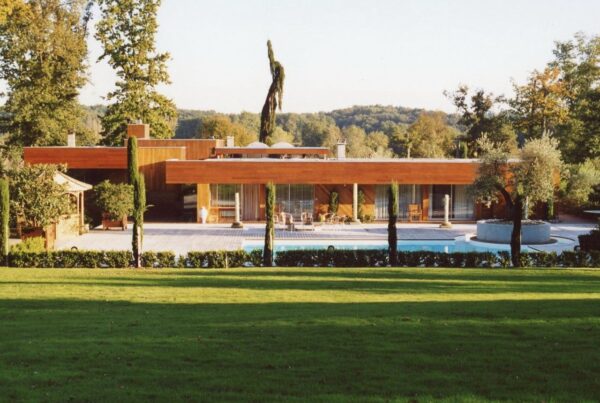
Modernist villa, 1973
Agence Salier, Courtois, Lajus et Sadirac
Modernist villa, 1973
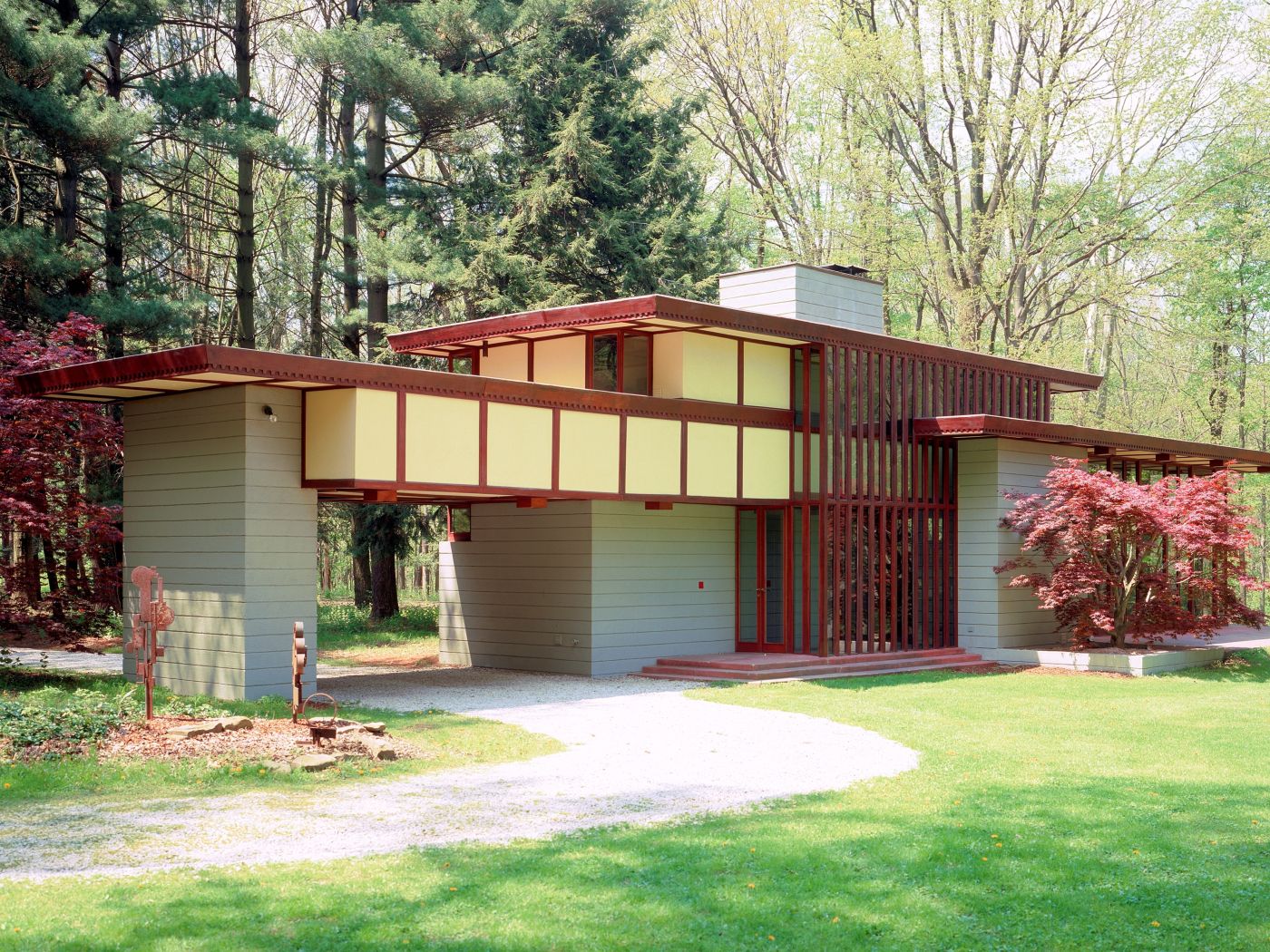
The Louis Penfield House,1955
Frank Lloyd Wright architect
The Louis Penfield House,1955
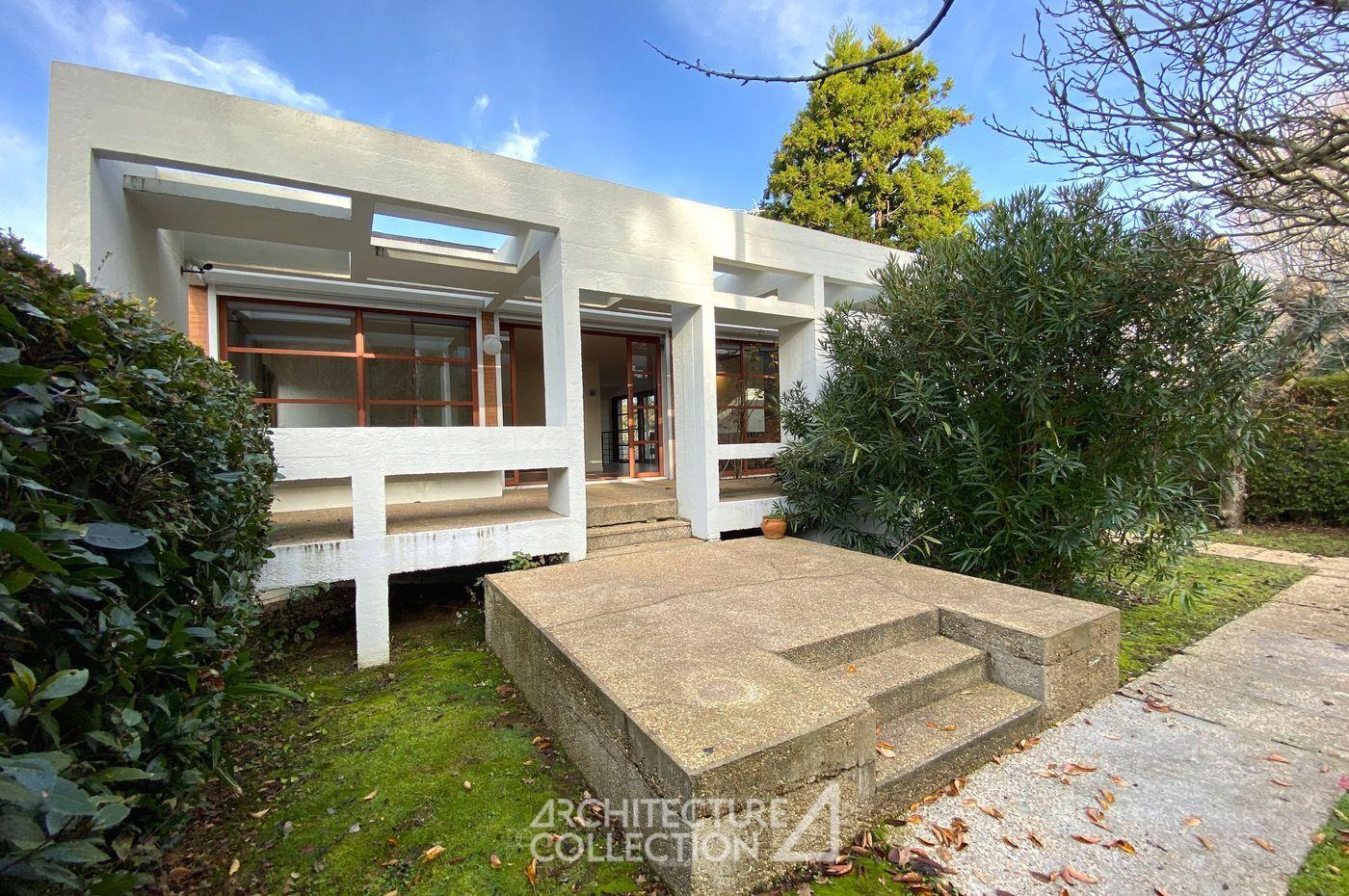
Modernist house, 1965
Yves Salier architect
Modernist house, 1965
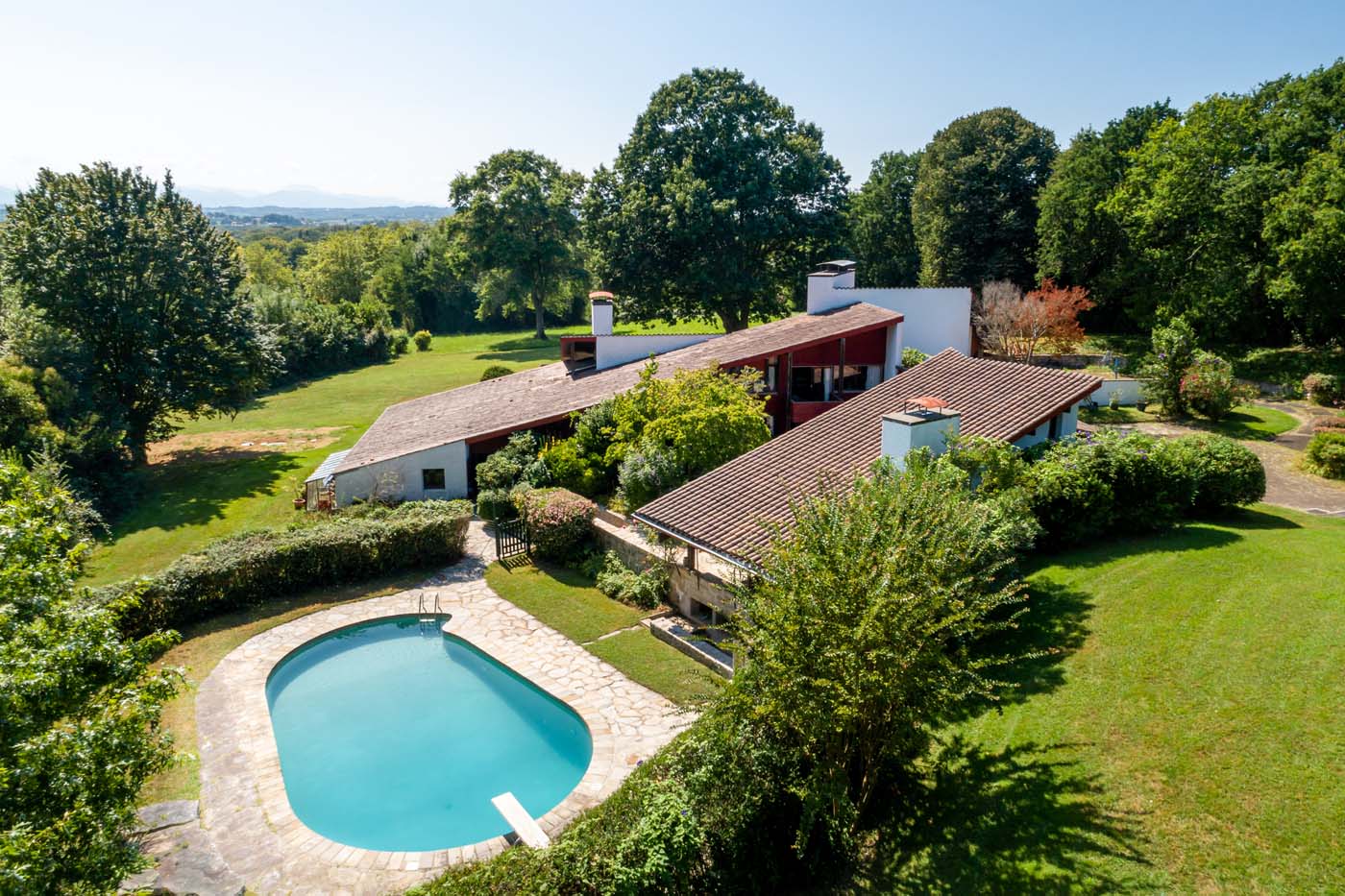
Cherenda house, 1971
Jean-Raphaël Hébrard Architect
Cherenda house, 1971
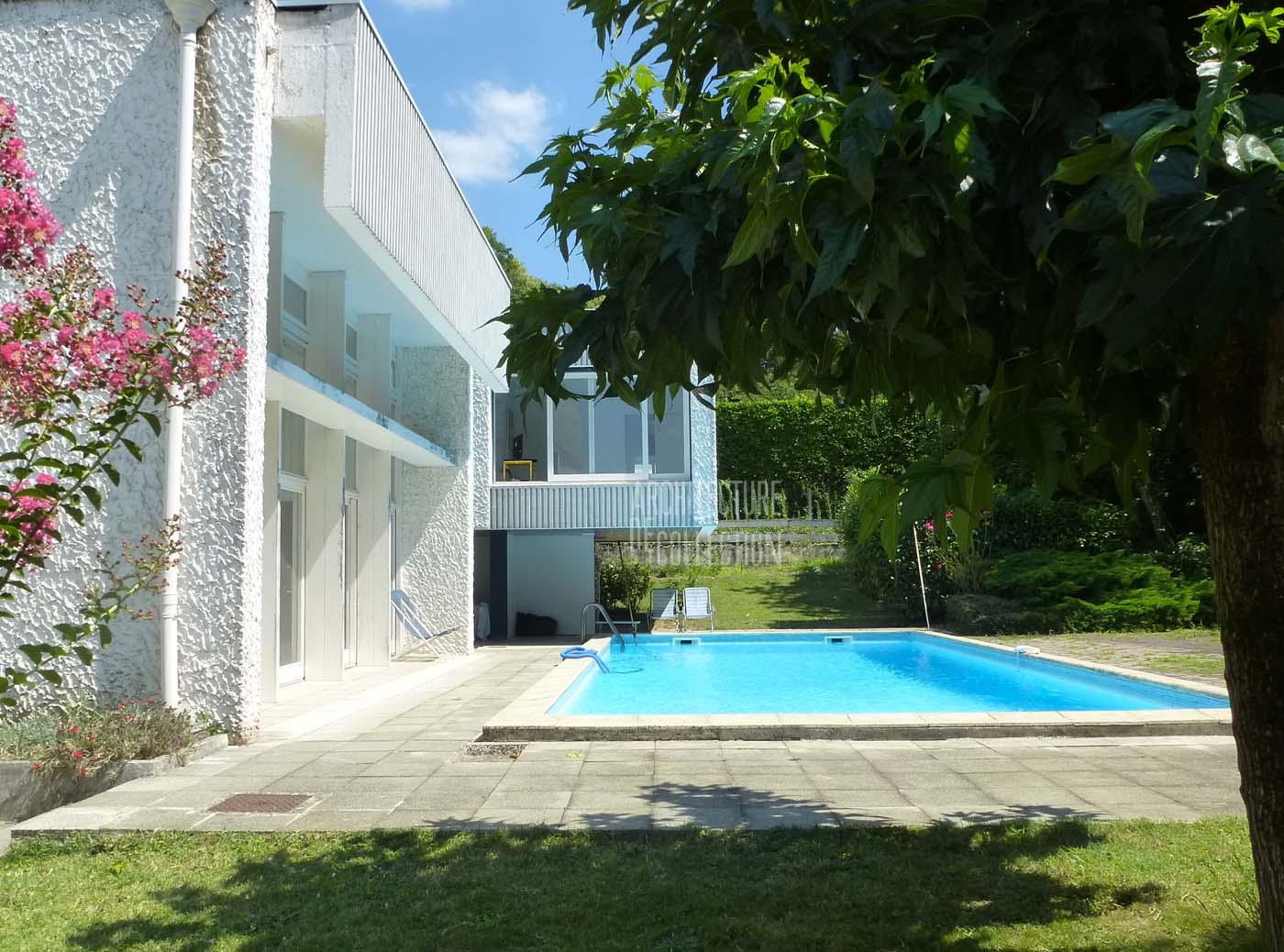
Family modernist house, 1968
Claude Calmettes architect
Family modernist house, 1968

Totem Tower, 1975
Andrault & Parat architects
Totem Tower, 1975

Brutalist house with garden, 1978
Jean-Baptiste Combrisson et Laurence Guibert architectes
Brutalist house with garden, 1978

Pompon House, 1955
Pol Abraham architecte
Pompon House, 1955
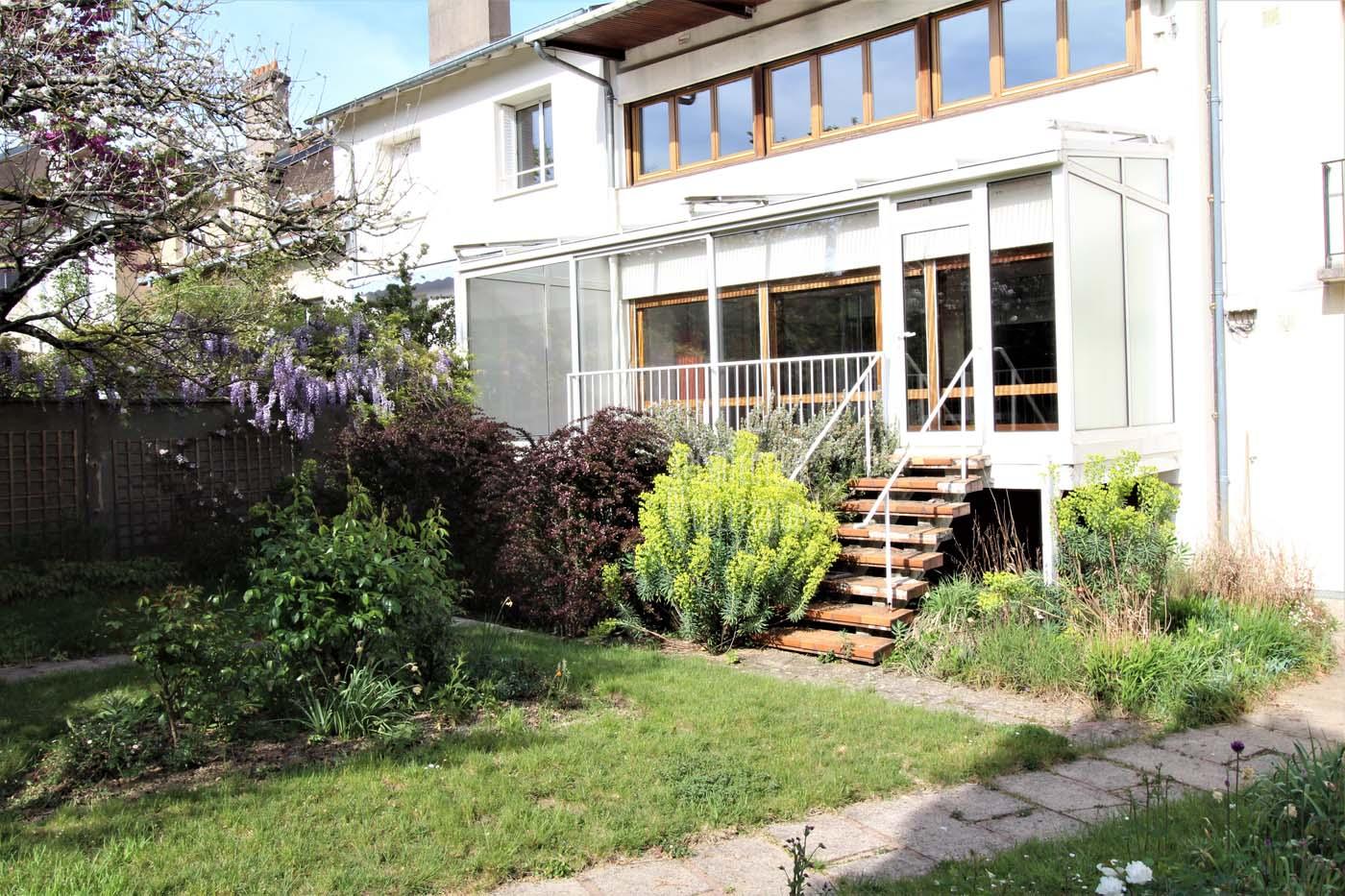
Brajzblat House, 1957
Henri Prouvé architecte
Brajzblat House, 1957

Florence House, 1959
Rex Lotery architecte
Florence House, 1959

Fifties Building, 1954
Jean Prouvé & Lionel Mirabaud
Fifties Building, 1954

The Docteur Gauthier House, 1962
Jean Prouvé constructeur
The Docteur Gauthier House, 1962
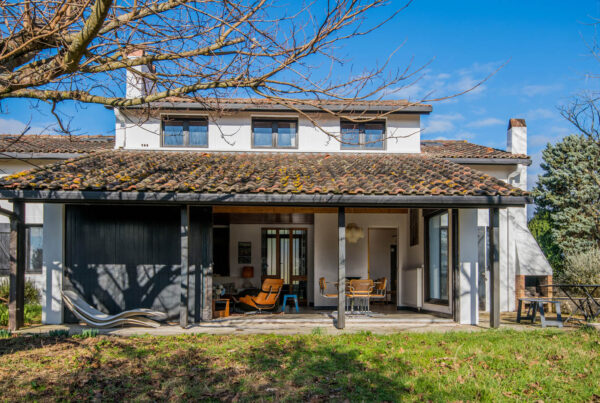
Delcourt House, 1969
Richard Neutra architecte
Delcourt House, 1969

EDF Residential Towers, 1967 / 2016
Atelier de Montrouge / Paul Chemetov
EDF Residential Towers, 1967 / 2016

“The Green Cove”, 1972
André Lefèvre-Devaux architecte
“The Green Cove”, 1972
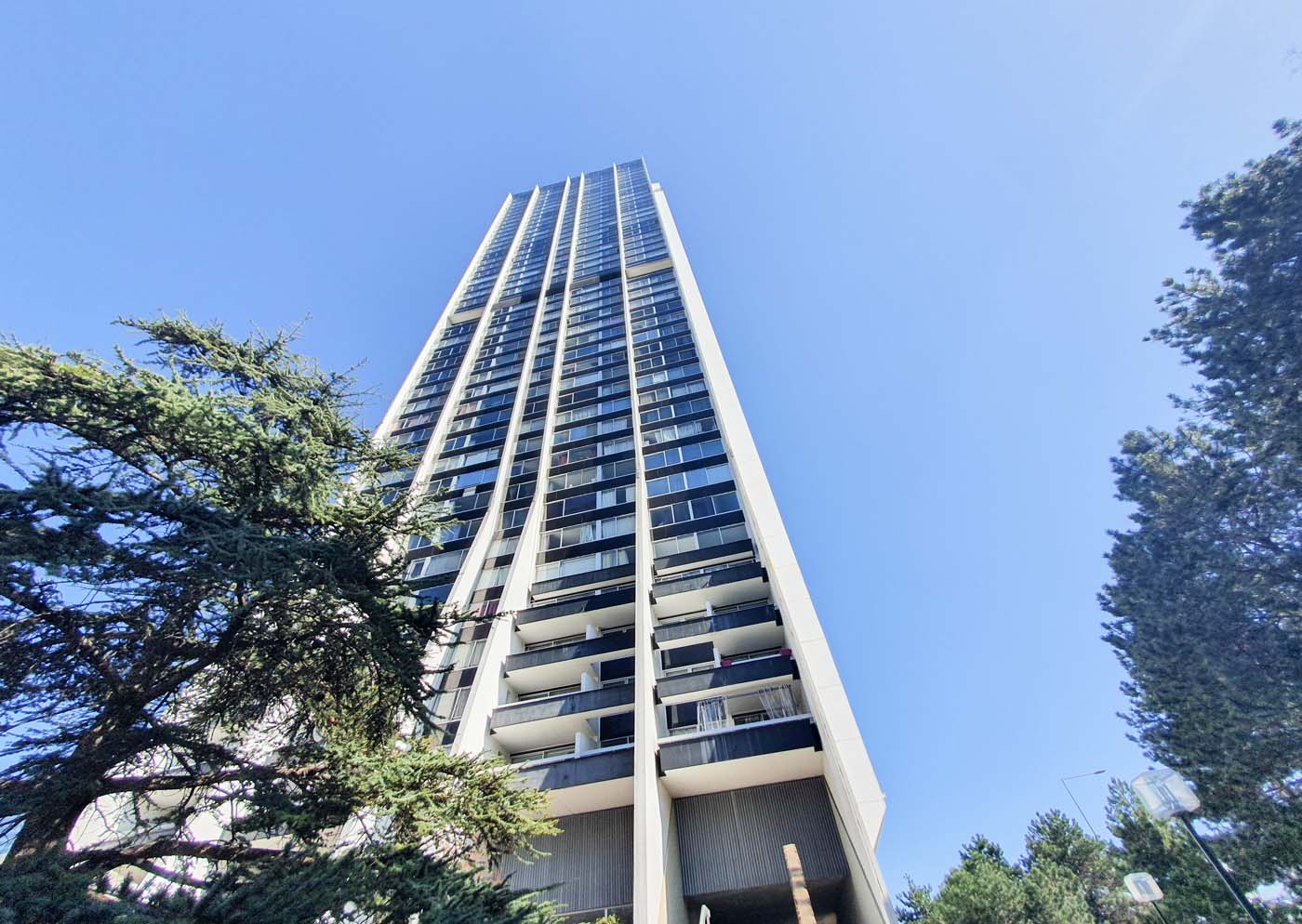
Tower 2000, 1974
Michel Proux architect