
© Jeroen Verrecht

Hôtel Winssinger
Victor Horta architect
1897
Brussels (Belgium)
Architecture de Collection Catalog 2024
An Art Nouveau gem by Victor Horta in Brussels
This property, comprising three distinct units, extends along the depth of a block that includes the renowned “Hôtel Winssinger,” designed in 1897 by the Belgian Art Nouveau master Victor Horta. It offers a unique opportunity to acquire a piece of Brussels’ modern architectural heritage, combining historical richness, contemporary comfort, and versatility of use.
The Hôtel Winssinger fully embodies the Art Nouveau movement: its white stone façade, highlighted with blue stone, plays on a polychromy of soft shades; its bay breaks with classical order by introducing a convex movement to the composition. Its openings display a refined graphic approach: lowered-arch windows, cushion windows, or those highlighted with an archivolt, for which Victor Horta executed masterful detailing, paying particular attention to light. A bow window, framed by four cast-iron columns, opens onto the third floor; it is flanked by balconies with elegant ochre-painted wrought-iron railings adorned with vegetal arabesques.
This exquisite decoration continues inside, from the mezzanine windows featuring colored stained glass with floral motifs, to the coffered ceilings, and the marble mosaic floors.
A testament to Horta’s style
The construction of the Hôtel Winssinger follows in the tradition of the prestigious houses commissioned from Victor Horta. After the Hôtel Tassel (1893), the Maison Autrique (1893), and the Hôtel Solvay (1894), the Belgian architect continued with this project to assert a style dominated by curves and the “whiplash” motif. In his works, metal becomes a truly architectural element, intertwining with stone and glass. The use of wood and wrought iron, the lowered arches, and mosaic compositions featuring stylized floral motifs make this hotel a showcase of the architect’s distinctive style.

Victor Horta, architectural elevation of the Hôtel Winssinger, archival document, all rights reserved


Victor Horta, leading figure of Art Nouveau
Victor Horta (1861–1947) was a Belgian architect considered the leading figure of Art Nouveau in Belgium. He began his training in 1873 at the architecture section of the Academy of Fine Arts in Ghent, then moved to Paris in 1878, where he joined the studio of decorator-architect Jules Debuysson, experimenting with innovative construction materials such as steel and glass.
A devotee of iron, Horta elevated it to a prominent architectural element and developed revolutionary innovations in architecture. He implemented exposed metal structures that became decorative features in their own right, introduced open-plan layouts, and created bright living spaces illuminated by large glass roofs and light wells often adorned with stained glass.
In 1893, Victor Horta received his first private commission and completed the Hôtel Tassel, the first Art Nouveau building in Brussels, which applied a construction system inspired by Viollet-Le-Duc, followed by the Maison Autrique. These two projects launched his career, leading to commissions for townhouses and department stores. He also designed the Belgian Pavilion at the 1925 Paris International Decorative Arts Exhibition and the Tournai Museum of Fine Arts (1928).

All Rights reserved
OUR ARCHIVES
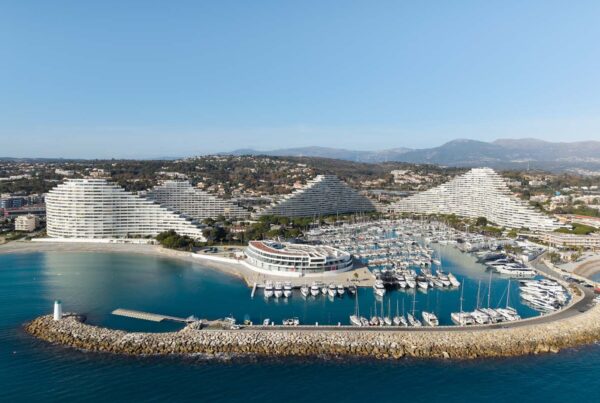
Panoramic apartment, 1969-1993
Le Corbusier architect
Panoramic apartment, 1969-1993

Panoramic apartment, 1963
Fernand Pouillon architect
Panoramic apartment, 1963
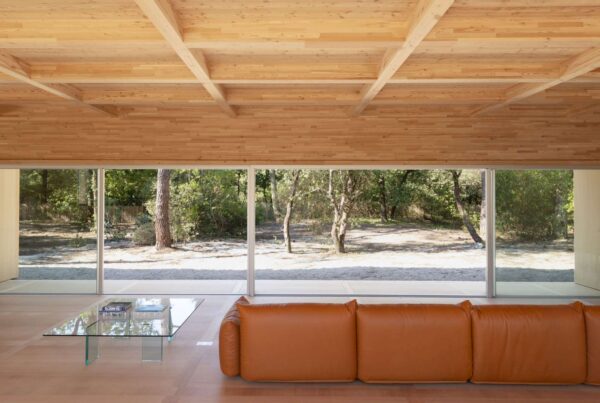
Contemporary villa, 2019
Nicolas Dahan architect
Contemporary villa, 2019
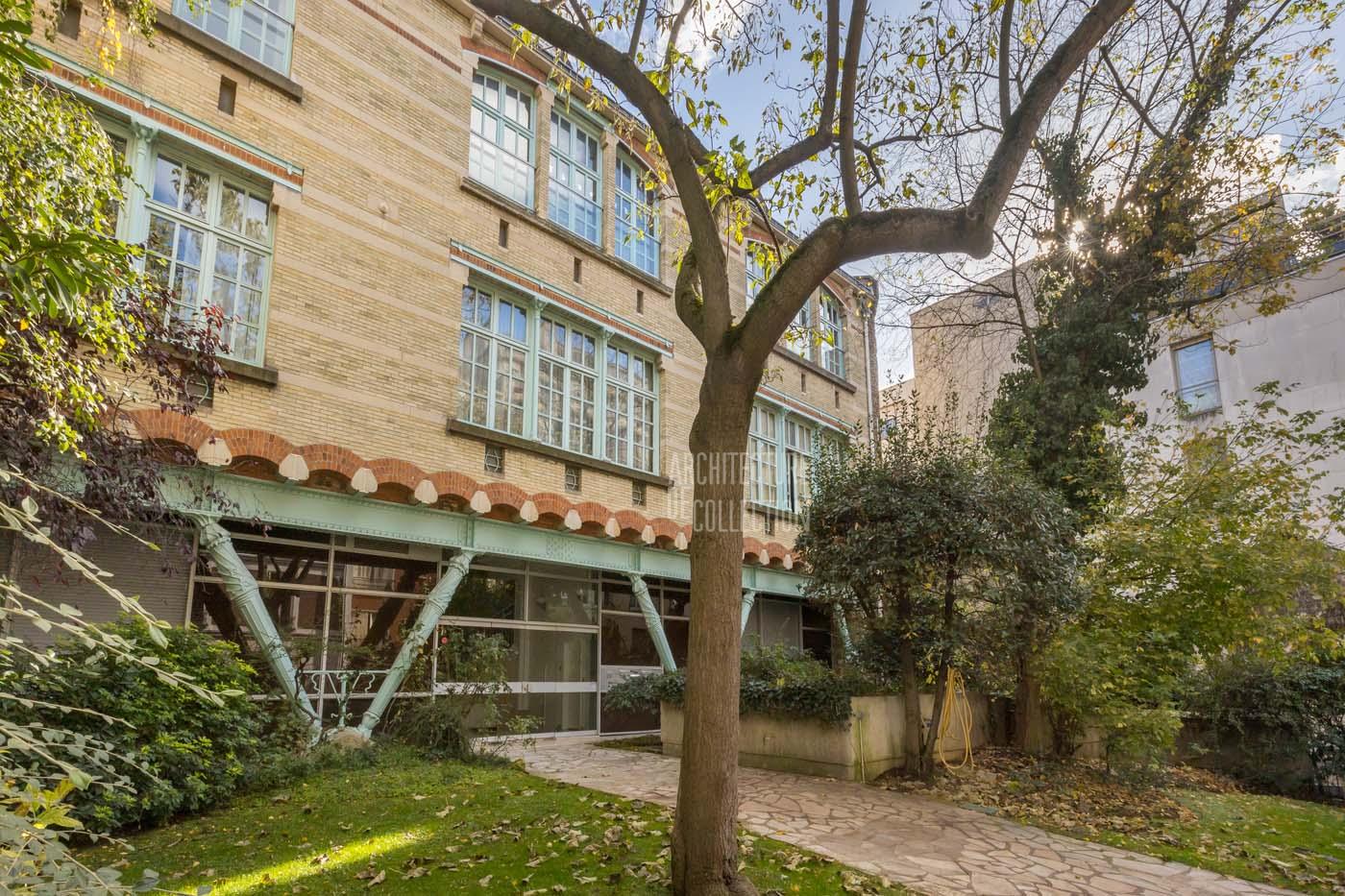
Art Nouveau apartment with garden, 1895
Hector Guimard architect
Art Nouveau apartment with garden, 1895
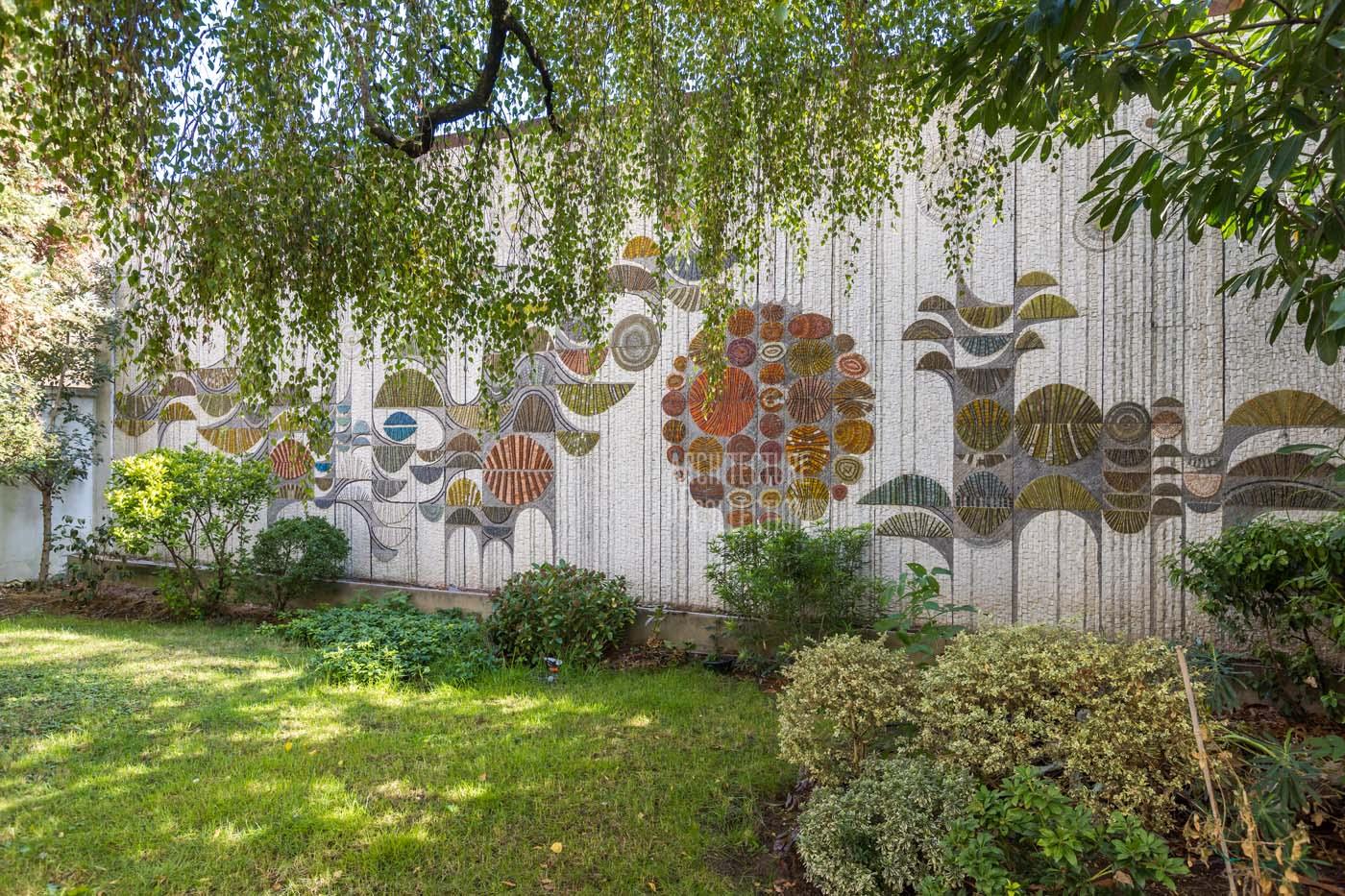
Family apartment with terrace and garden, 1967
Roger Anger & Claude Parent architects
Family apartment with terrace and garden, 1967
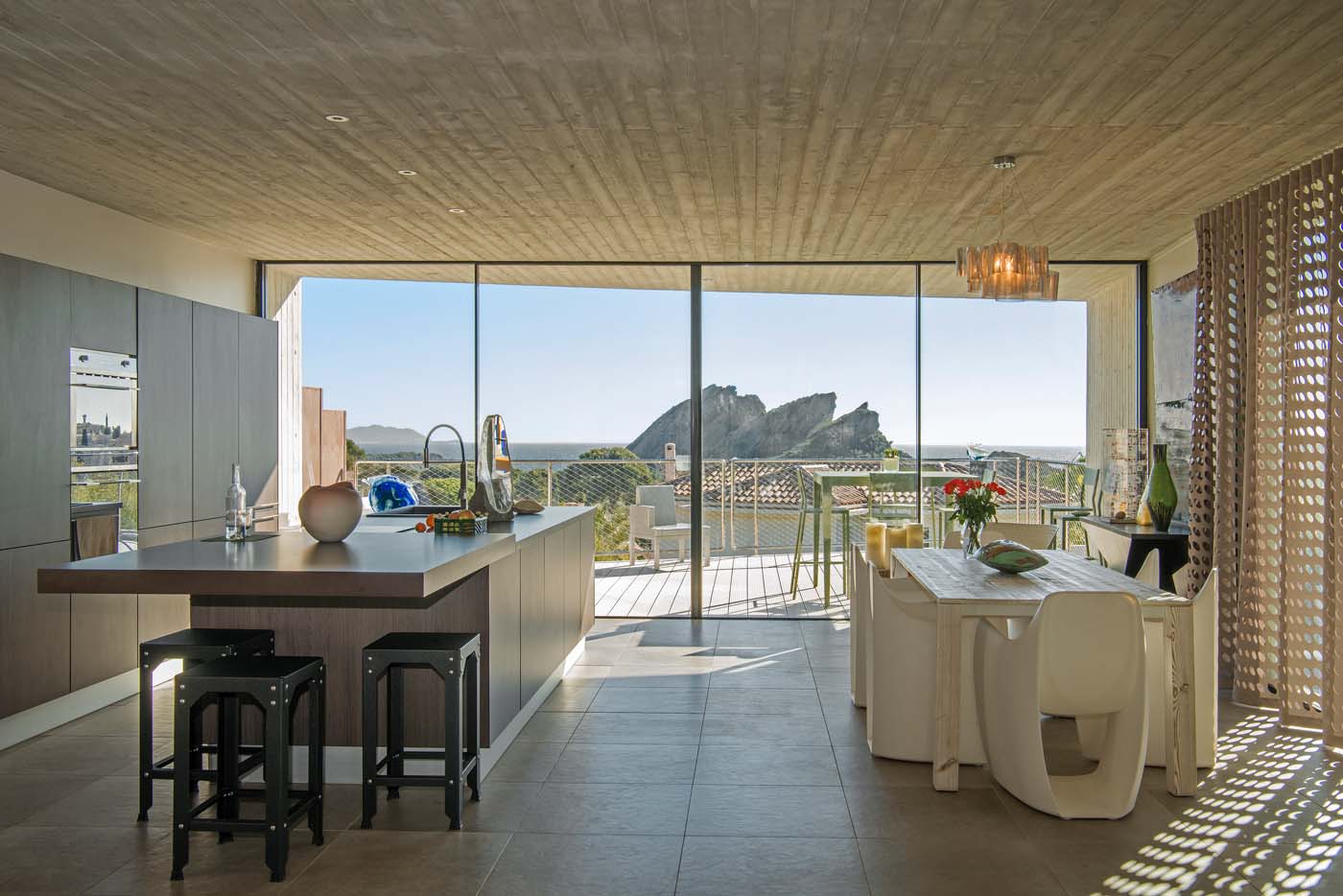
Contemporary villa with swimming pool, 2011
Raphaëlle Segond architect
Contemporary villa with swimming pool, 2011
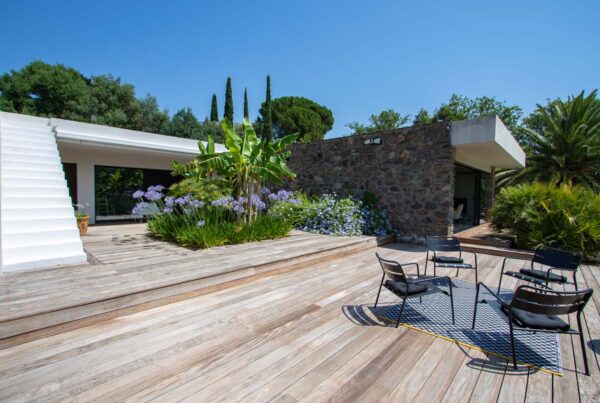
Modernist villa, 1960
Pierre Tobolka architect
Modernist villa, 1960
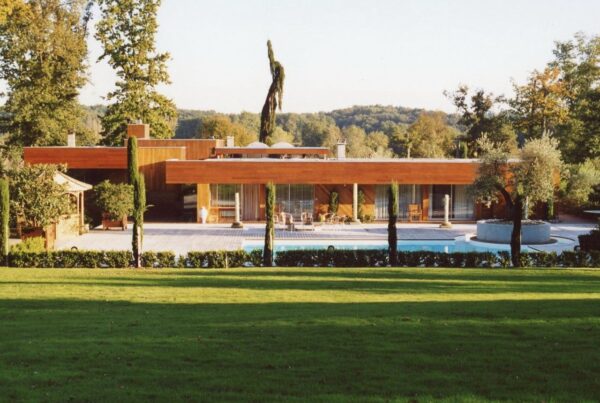
Modernist villa, 1973
Agence Salier, Courtois, Lajus et Sadirac
Modernist villa, 1973
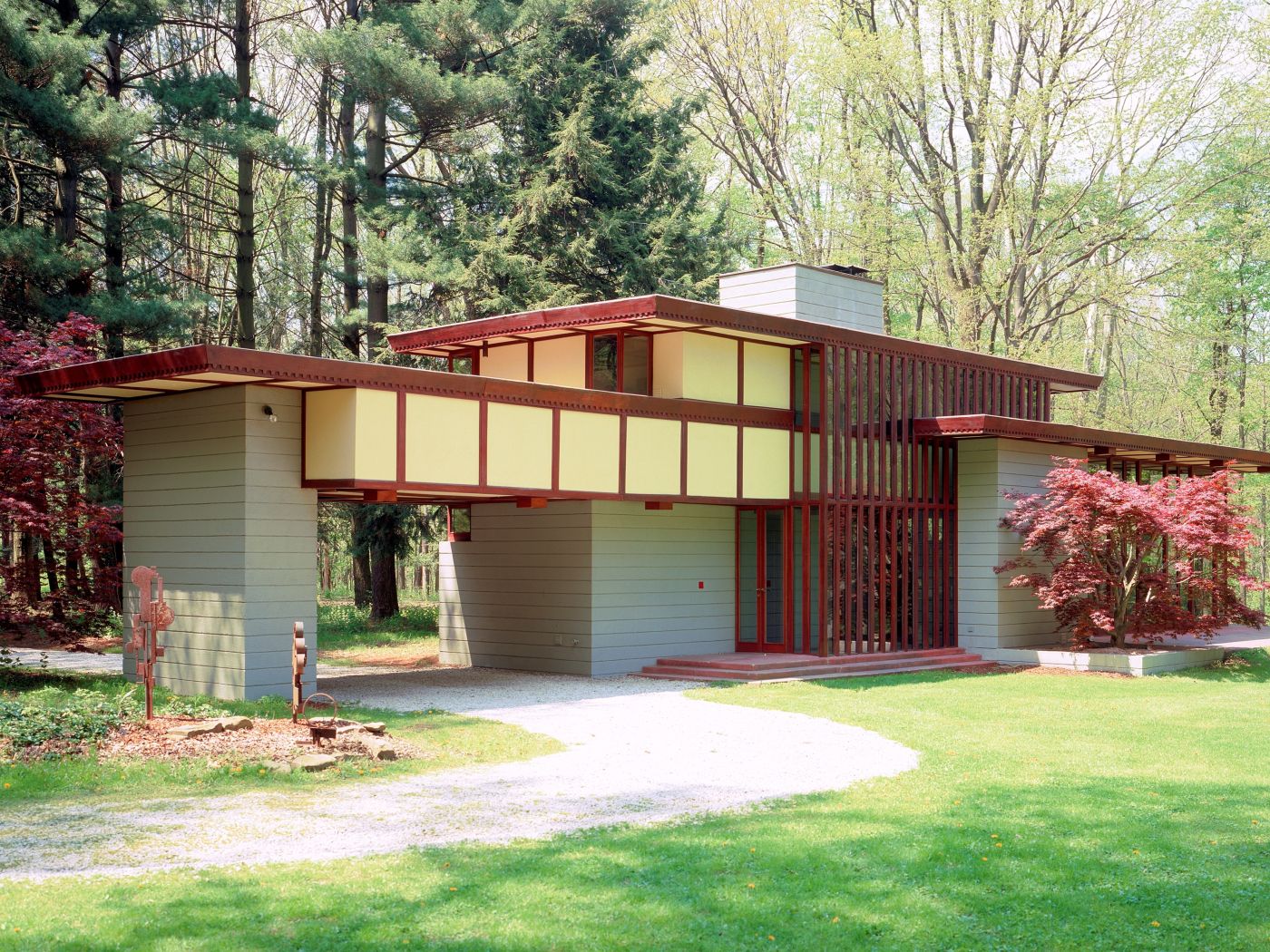
The Louis Penfield House,1955
Frank Lloyd Wright architect
The Louis Penfield House,1955
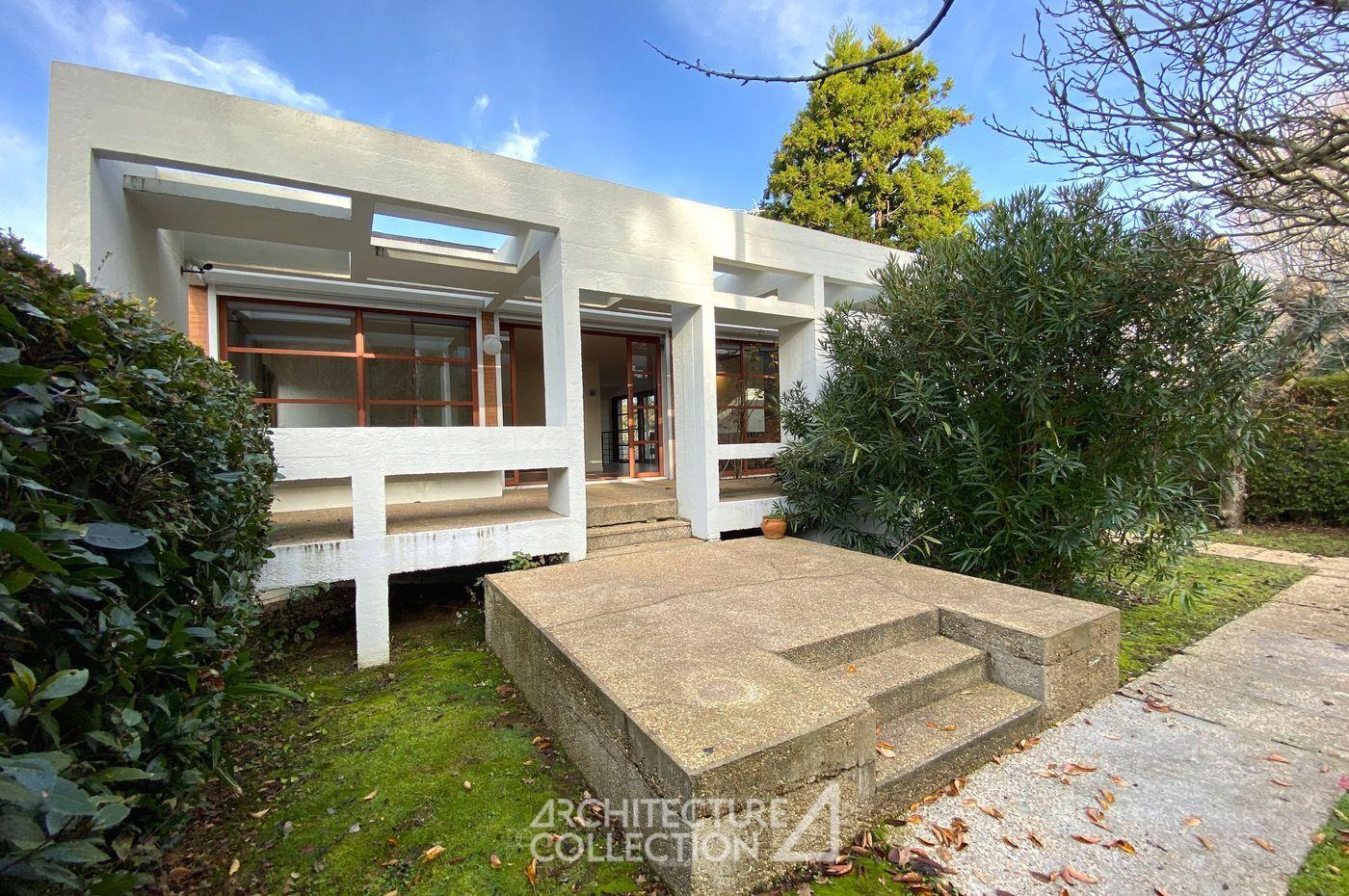
Modernist house, 1965
Yves Salier architect
Modernist house, 1965
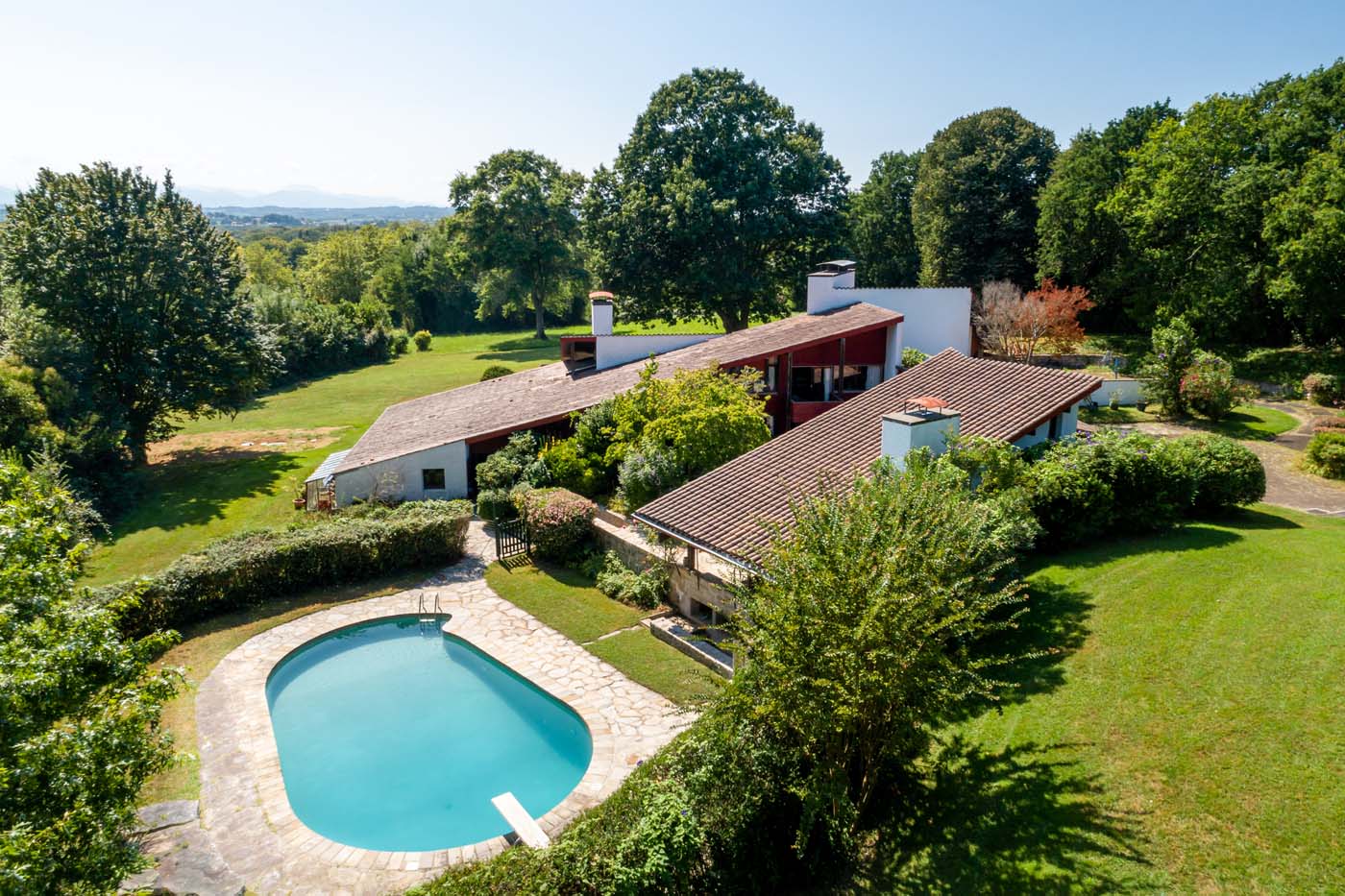
Cherenda house, 1971
Jean-Raphaël Hébrard Architect
Cherenda house, 1971
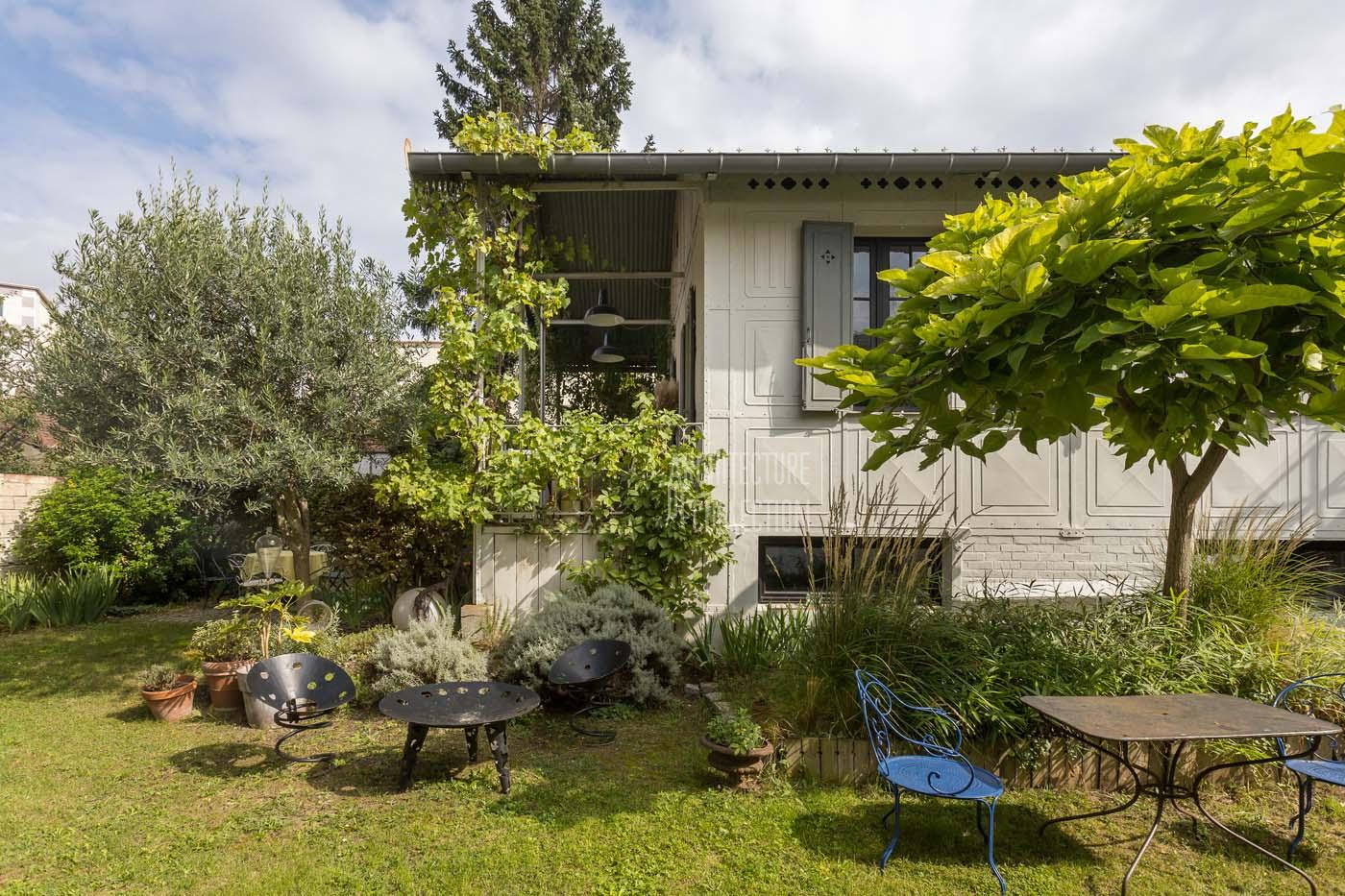
Duclos house, 1895
Bibiano Duclos, designer-builder
Duclos house, 1895
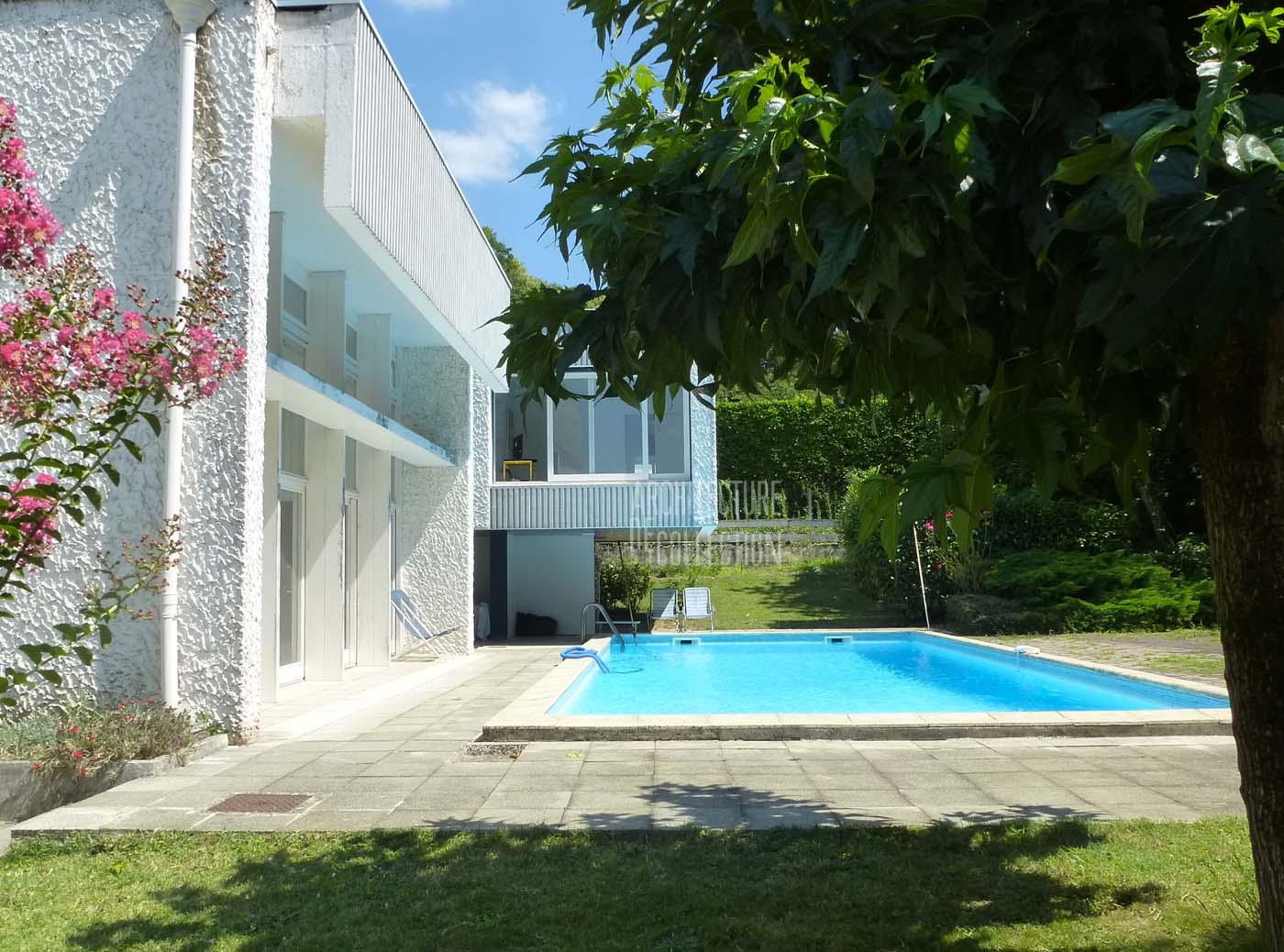
Family modernist house, 1968
Claude Calmettes architect
Family modernist house, 1968
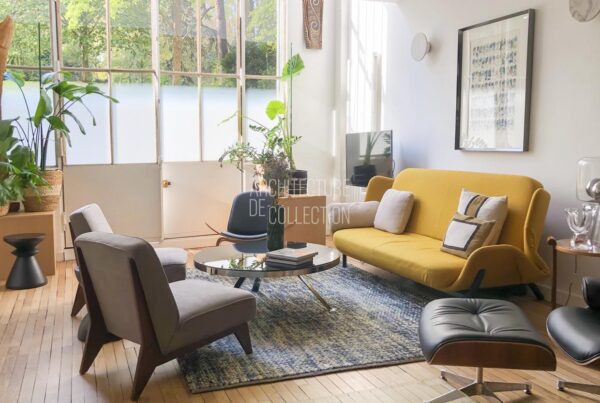
Artist’s studio in duplex, 1930
Michel Roux-Spitz architecte
Artist’s studio in duplex, 1930

Modernist property, 1980
Jacques Llopart architecte
Modernist property, 1980

Totem Tower, 1975
Andrault & Parat architects
Totem Tower, 1975

Brutalist house with garden, 1978
Jean-Baptiste Combrisson et Laurence Guibert architectes
Brutalist house with garden, 1978

Pompon House, 1955
Pol Abraham architecte
Pompon House, 1955
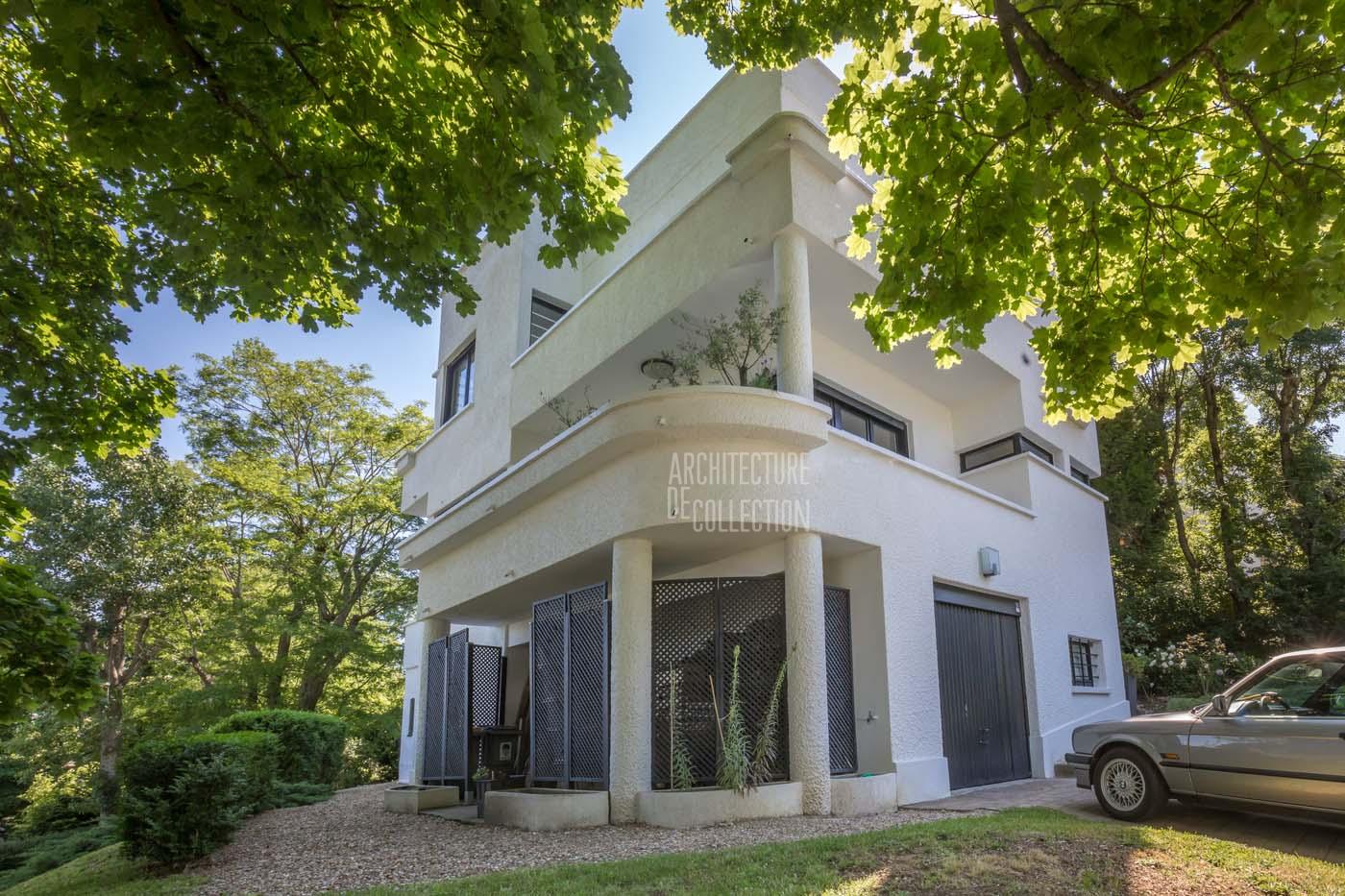
Mirasol House, 1928
Pol Abraham architecte
Mirasol House, 1928
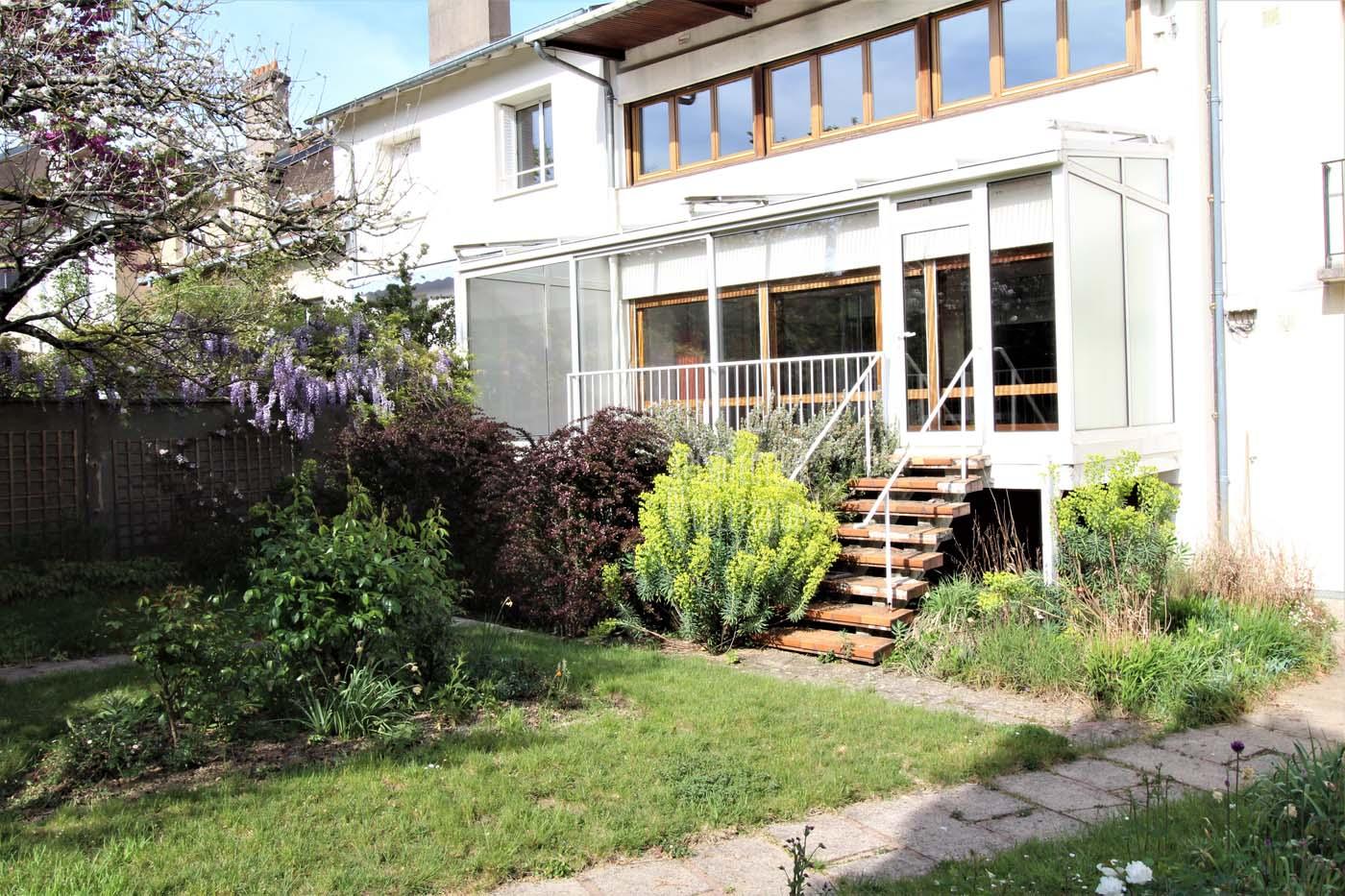
Brajzblat House, 1957
Henri Prouvé architecte
Brajzblat House, 1957

Florence House, 1959
Rex Lotery architecte
Florence House, 1959

Fifties Building, 1954
Jean Prouvé & Lionel Mirabaud
Fifties Building, 1954

The Docteur Gauthier House, 1962
Jean Prouvé constructeur
The Docteur Gauthier House, 1962

Hôtel Winssinger, 1897
Victor Horta architecte
Hôtel Winssinger, 1897
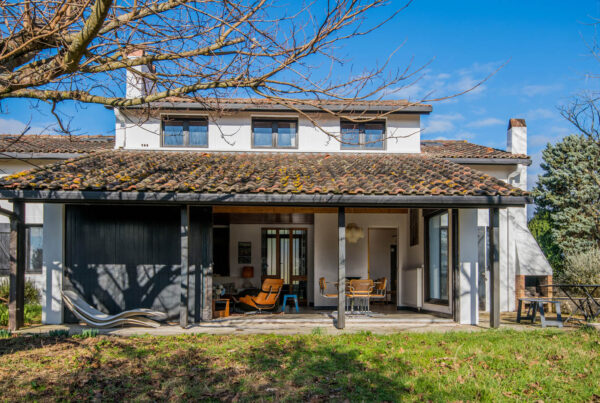
Delcourt House, 1969
Richard Neutra architecte
Delcourt House, 1969

EDF Residential Towers, 1967 / 2016
Atelier de Montrouge / Paul Chemetov
EDF Residential Towers, 1967 / 2016

“The Green Cove”, 1972
André Lefèvre-Devaux architecte
“The Green Cove”, 1972
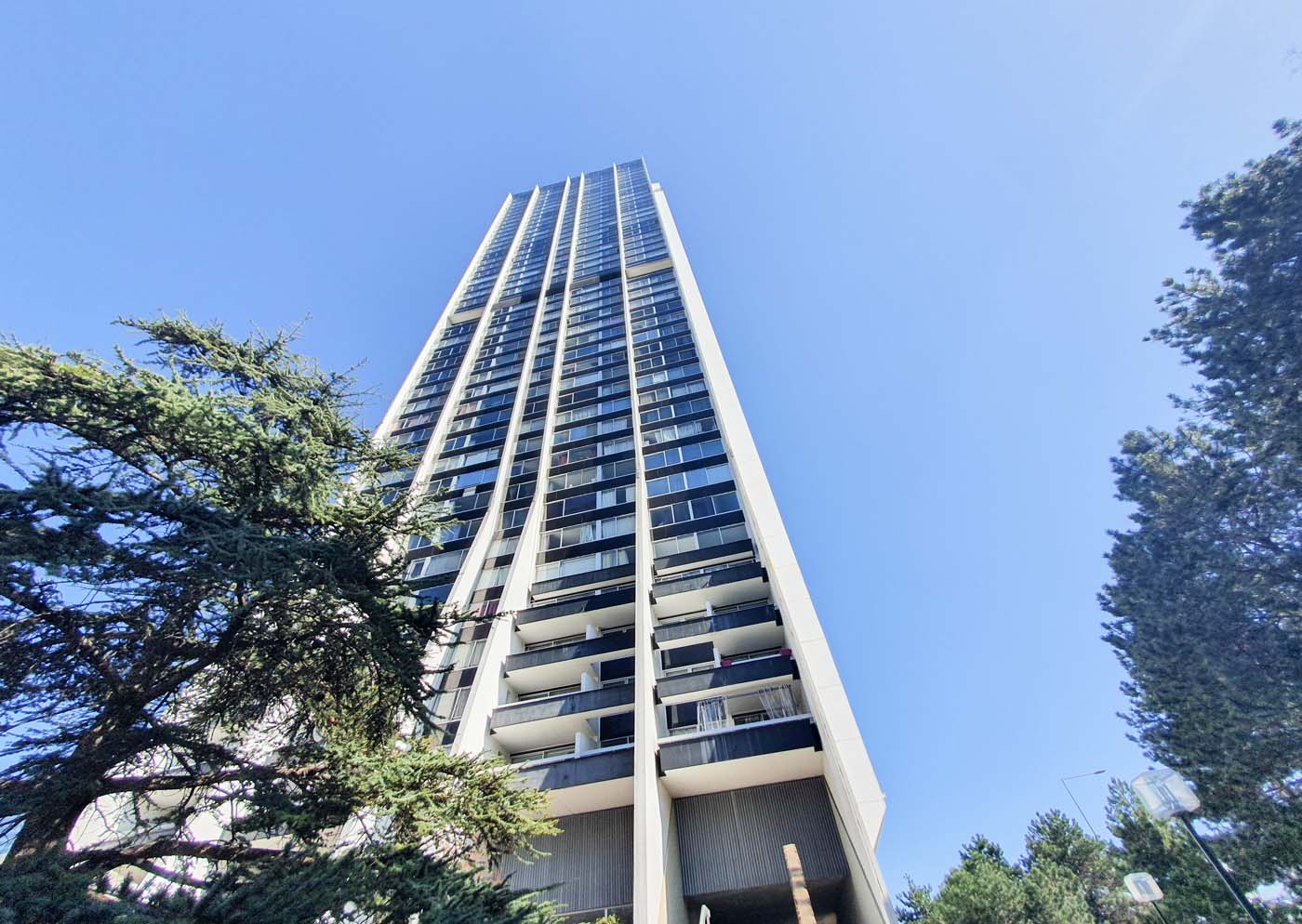
Tower 2000, 1974
Michel Proux architect
Tower 2000, 1974
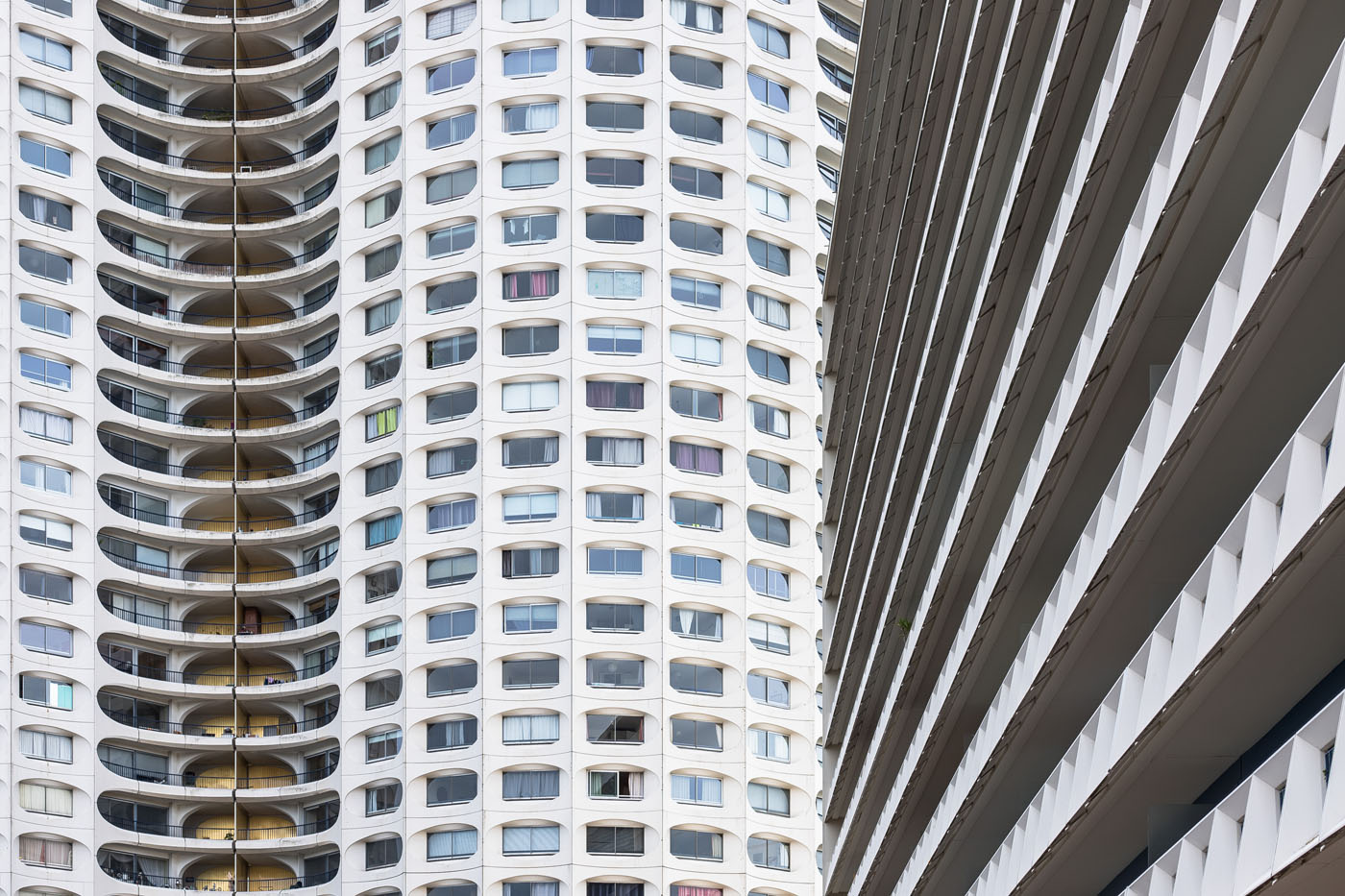
The Horizons, 1970
Georges Maillols architecte
The Horizons, 1970

Maison T, 1981
Georges Adilon architecte
Maison T, 1981

Bubble House, 1991
Antti Lovag architecte
Bubble House, 1991

Casa Olabuenaga, 1997
Ettore Sottsass architecte
Casa Olabuenaga, 1997

Ocean-facing house, 2015
Manuel Aires Mateus architecte
Ocean-facing house, 2015
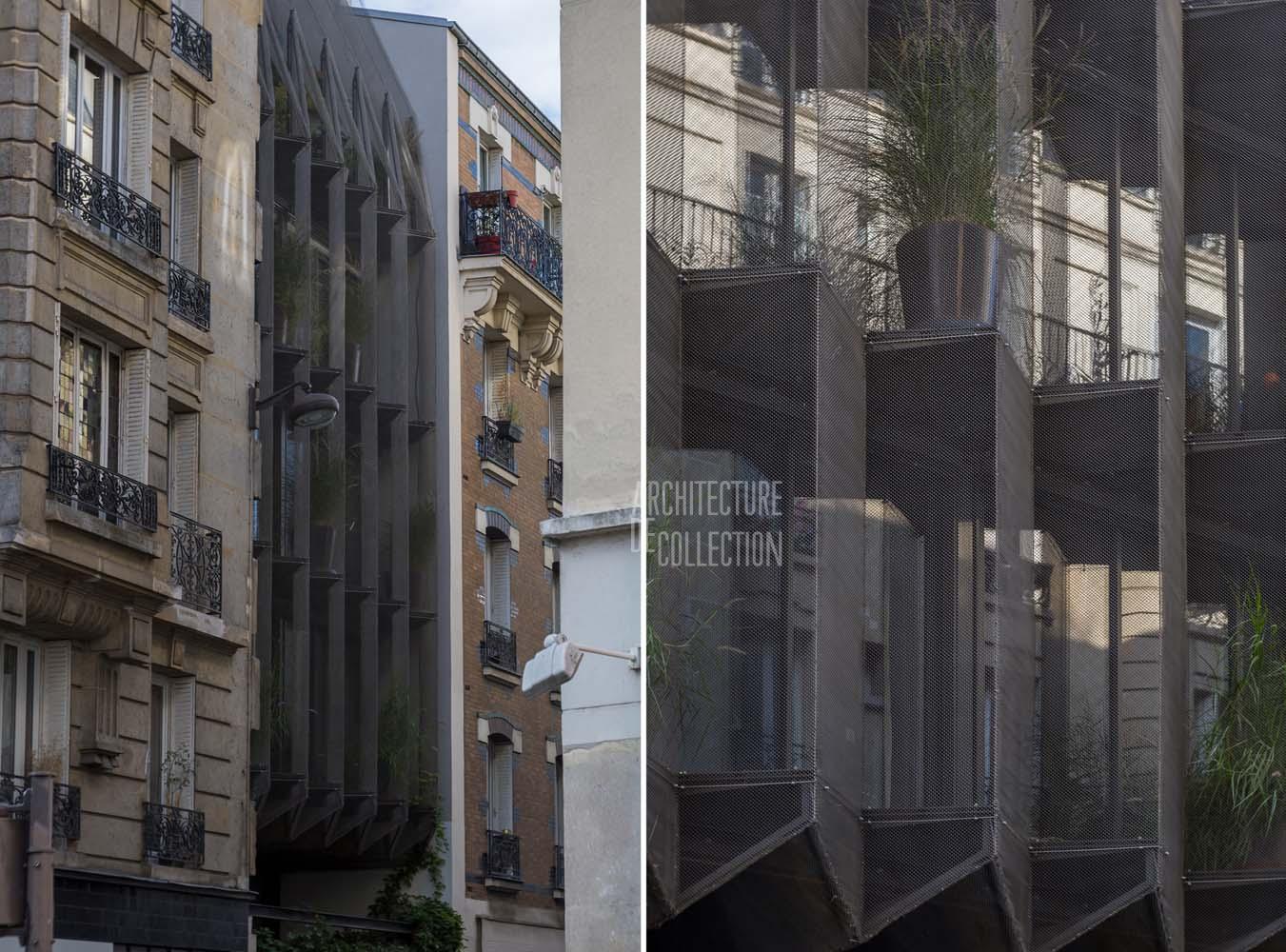
Maison Plissée, 2017
WRA


