© Architecture de Collection

EDF Residential Towers
Atelier de Montrouge / AUA Paul Chemetov
1967 / 2016
Ivry-sur-Seine (94)
Architecture de Collection Catalog 2021
An iconic building of modernity and Brutalism in France
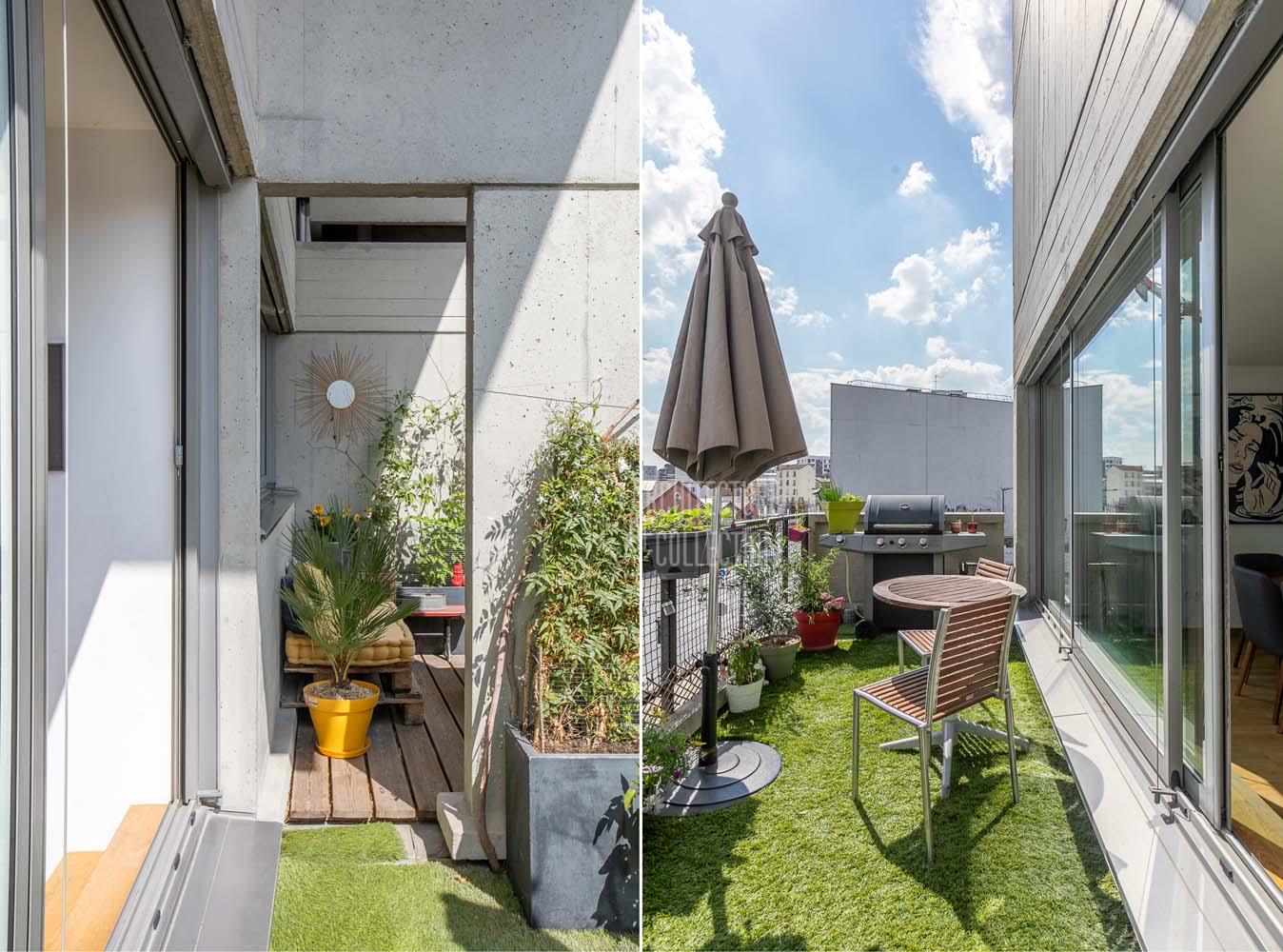
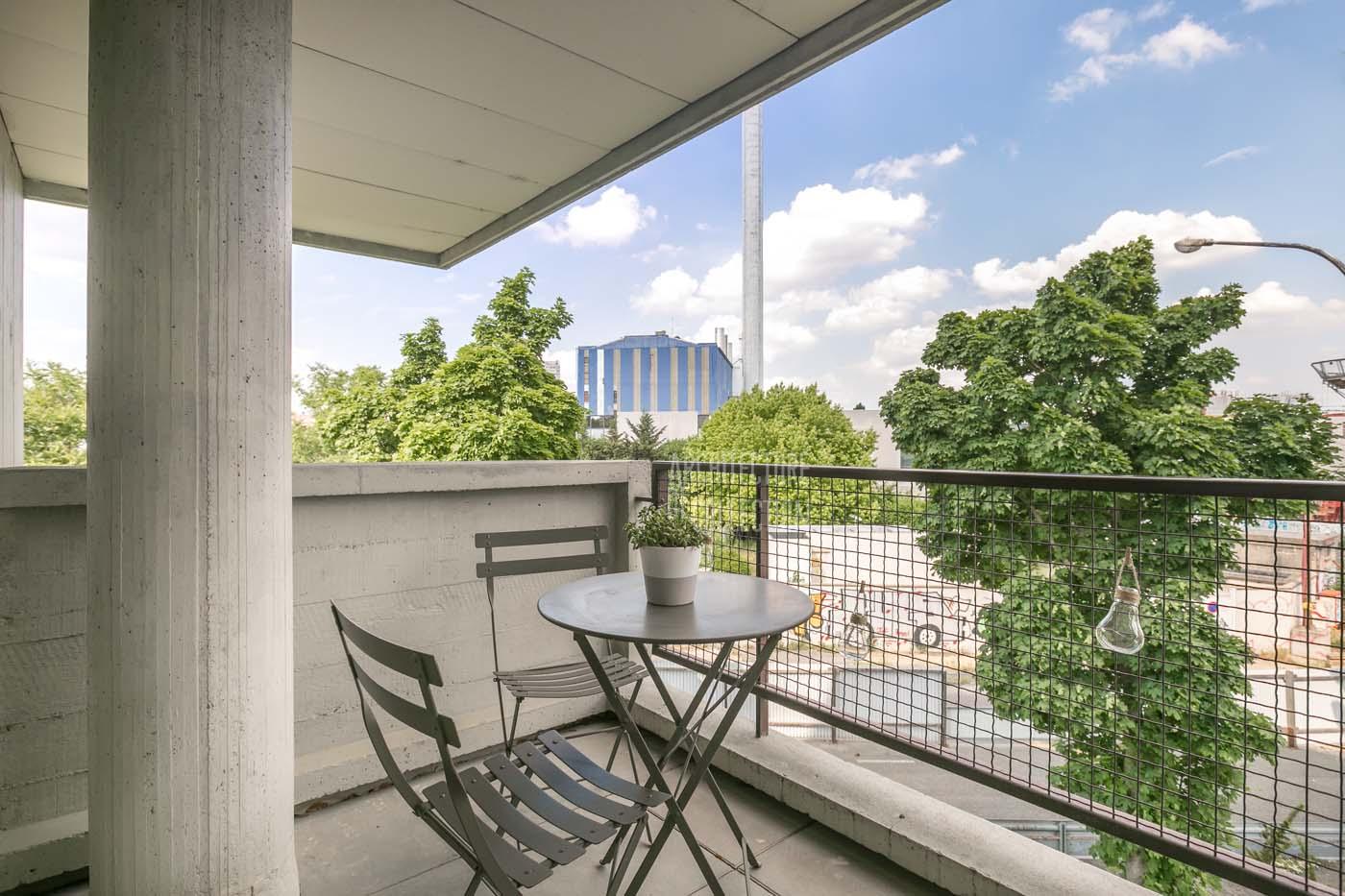
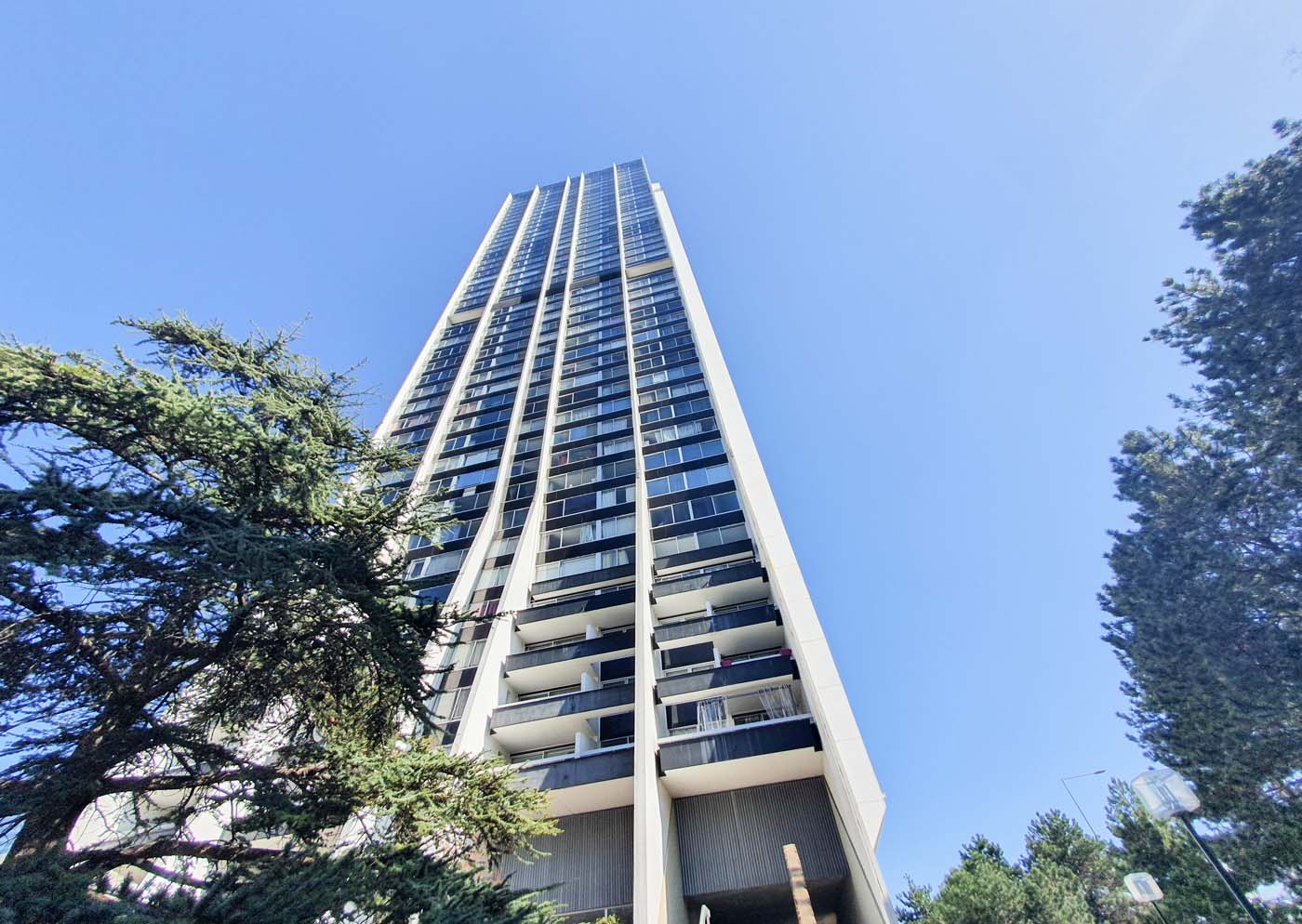
These two small residential towers were built by the Atelier de Montrouge in 1967 to house the executives of the former adjacent EDF power plant. They have been listed as Historic Monuments since 2003 and were renovated by architect Paul Chemetov in 2016 as part of the Ivry Confluences project.
The original commission concerned a program of 12 individual houses on a long plot, intended to house the executives of the former neighboring EDF industrial site. The Atelier de Montrouge proposed a reinterpretation of the suburban house model in the form of a modular and innovative urban individual housing, consisting of 5- and 6-room duplexes with terraces.
The architects designed two square-plan towers, whose volumes spiral around a central core housing the elevator and staircase. To create private, non-overlapping spaces for each family, each floor undergoes two distinct movements: a setback of the façade and a quarter-turn rotation. The towers are conceived as standalone objects, isolated in space and without a principal façade, embodying the principles of the Modern Movement, particularly the free plan and free façade, allowing for great flexibility of use.
The two towers are executed with high-quality craftsmanship, using noble materials left in their raw state, such as steel, glass, wood, and especially light-colored concrete that retains the imprint of its wooden formwork.
These buildings provide a valuable testimony to the renewal of French architecture in the 1960s: they incorporate the theoretical and construction innovations of the time and sit at the crossroads of architectural sculpture, Brutalism, and social urbanism inspired by the Team X movement.
A masterful example of 20th-century heritage preservation
“These buildings are perfect both in their design and in their execution. There has never been such perfection in reinforced concrete, nor in geometric composition.”
Paul Chemetov, architect
Over the years, the two towers underwent successive works that altered their original architecture. Wooden frames were replaced with PVC, external blinds were added, and so on. Following the closure of the Ivry power plant, the towers’ residents gradually moved out. The site was left abandoned and deteriorated over time, protected from demolition by its listing as a Historic Monument in 2003.
In 2010, Sadev 94 acquired the property and entrusted the rehabilitation of the site to Paul Chemetov, who had already conducted a study for the previous owner in 2000. From 2011 to 2016, his firm carried out a restoration as close as possible to the original state, while significantly improving the acoustic and thermal comfort of each apartment. The façades were carefully cleaned and treated to restore the concrete’s original appearance, and the windows were redesigned and replaced with double-glazing framed in slim aluminum profiles.

Archival image © All rights reserved


The Atelier de Montrouge
The Atelier de Montrouge was founded in 1958 by architects Pierre Riboulet, Gérard Thurnauer, Jean-Louis Véret, and Jean Renaudie. All of them had worked alongside leading figures of the Modern Movement and the CIAM, such as Le Corbusier and Jean Prouvé. They represent a new generation of architects rethinking modernity by integrating a political and social dimension into their approach to housing, while taking into account the history of the site and the spirit of the time.
Through projects ranging from individual housing to urban-scale developments, they offered a comprehensive reflection on urban renewal, sustainable planning, environmental protection, and housing innovation. Intellectual and committed, they took a stand against large-scale housing projects and mass-produced dwellings, establishing an alternative practice based on the social and built context of each project.
Jean Renaudie left the Atelier in 1968 following the events of May ’68 and differences of opinion. The Atelier remained active until 1981, the year it was awarded the Grand Prix National d’Architecture for its innovative projects and significant theoretical contributions.
Among the Atelier de Montrouge’s major works are the “La Joie par les Livres” library in Clamart (1963–1965), the EDF residential towers in Ivry-sur-Seine (1963–1967), the Le Merlier village in Cap Camarat (1959–1965), the “Les Heures Claires” educational and cultural center in Istres (1970–1977), and the EDF training center in Les Mureaux (1972–1980).
Paul Chemetov
Paul Chemetov (1928–2024) graduated from the École Nationale Supérieure des Beaux-Arts in 1959, after working in the studios of André Lurçat, Pierre Vivien, and Guillaume Gillet. He joined Jacques Allégret’s AUA in 1961 and founded the C+H+ studio with Borja Huidobro in 1998. His career was recognized with the Grand Prix National de l’Architecture in 1980, and he was appointed co-chair of the Scientific Committee for Grand Paris in 2009. He also oversaw the development sector of the National Architecture Strategy (SNA).

The Atelier de Montrouge © All rights reserved
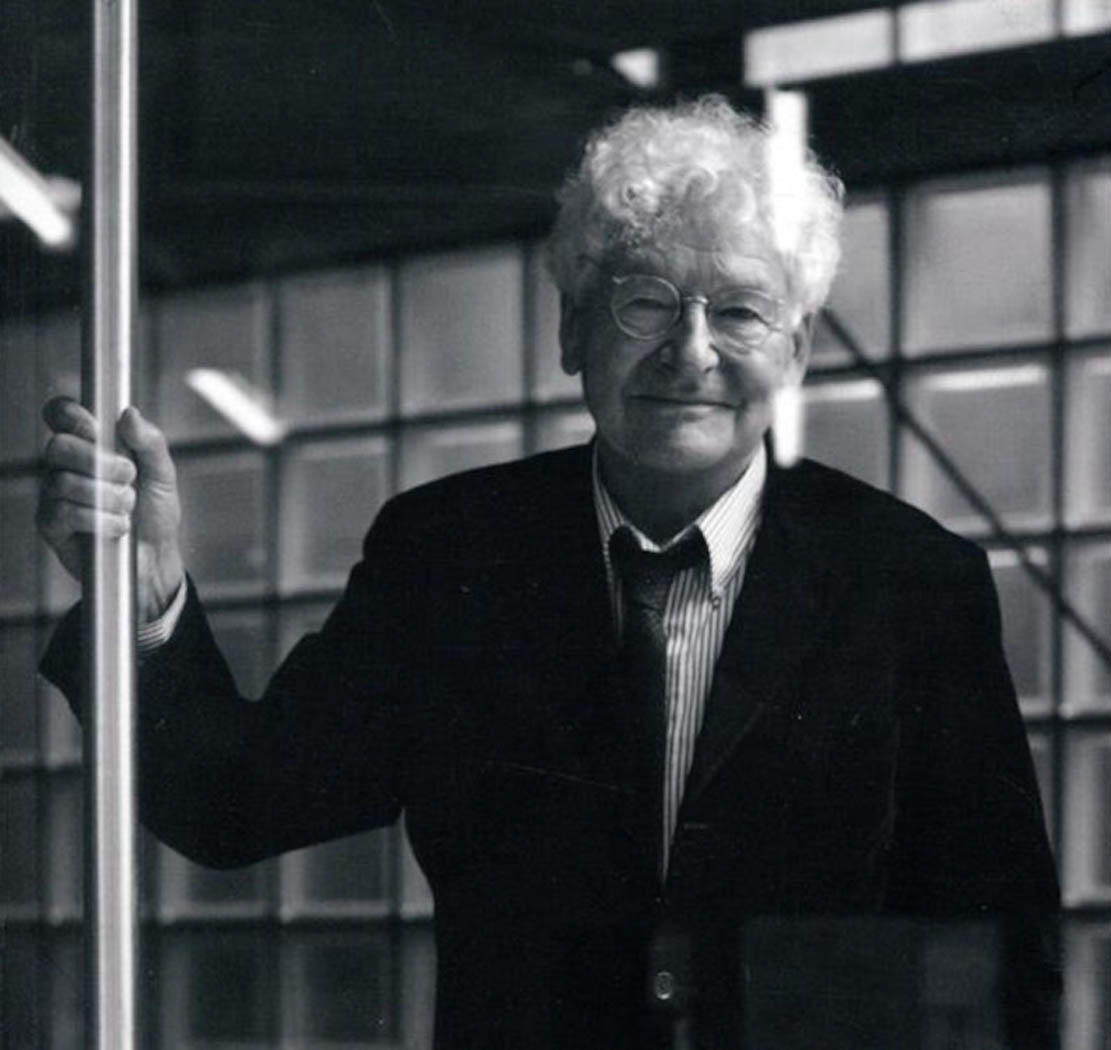
Paul Chemetov © All rights reserved
OUR ARCHIVES

Panoramic apartment, 1963
Fernand Pouillon architect
Panoramic apartment, 1963
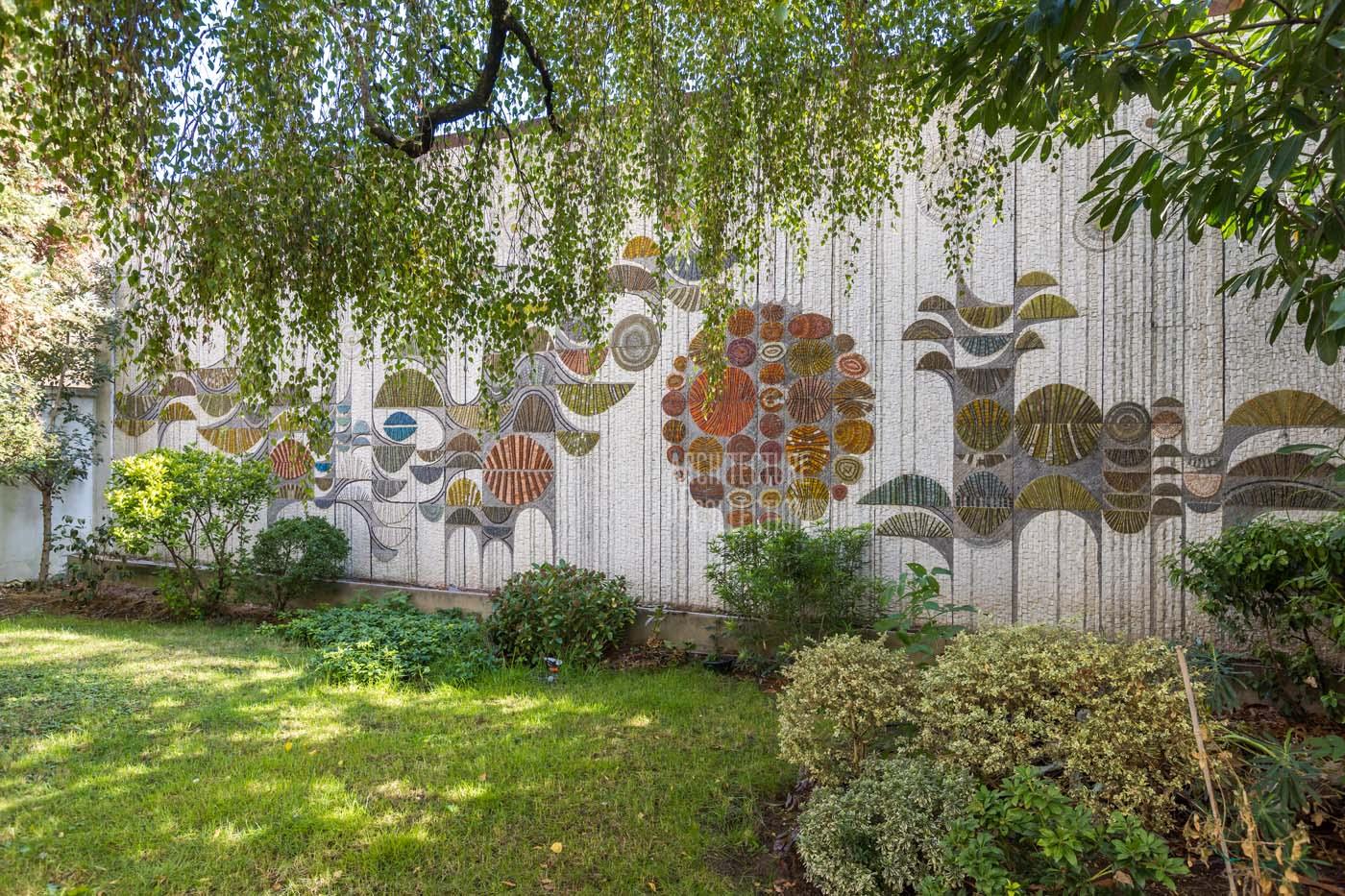
Family apartment with terrace and garden, 1967
Roger Anger & Claude Parent architects
Family apartment with terrace and garden, 1967
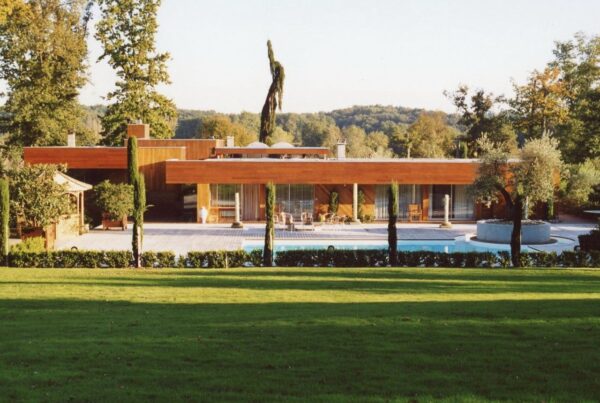
Modernist villa, 1973
Agence Salier, Courtois, Lajus et Sadirac
Modernist villa, 1973
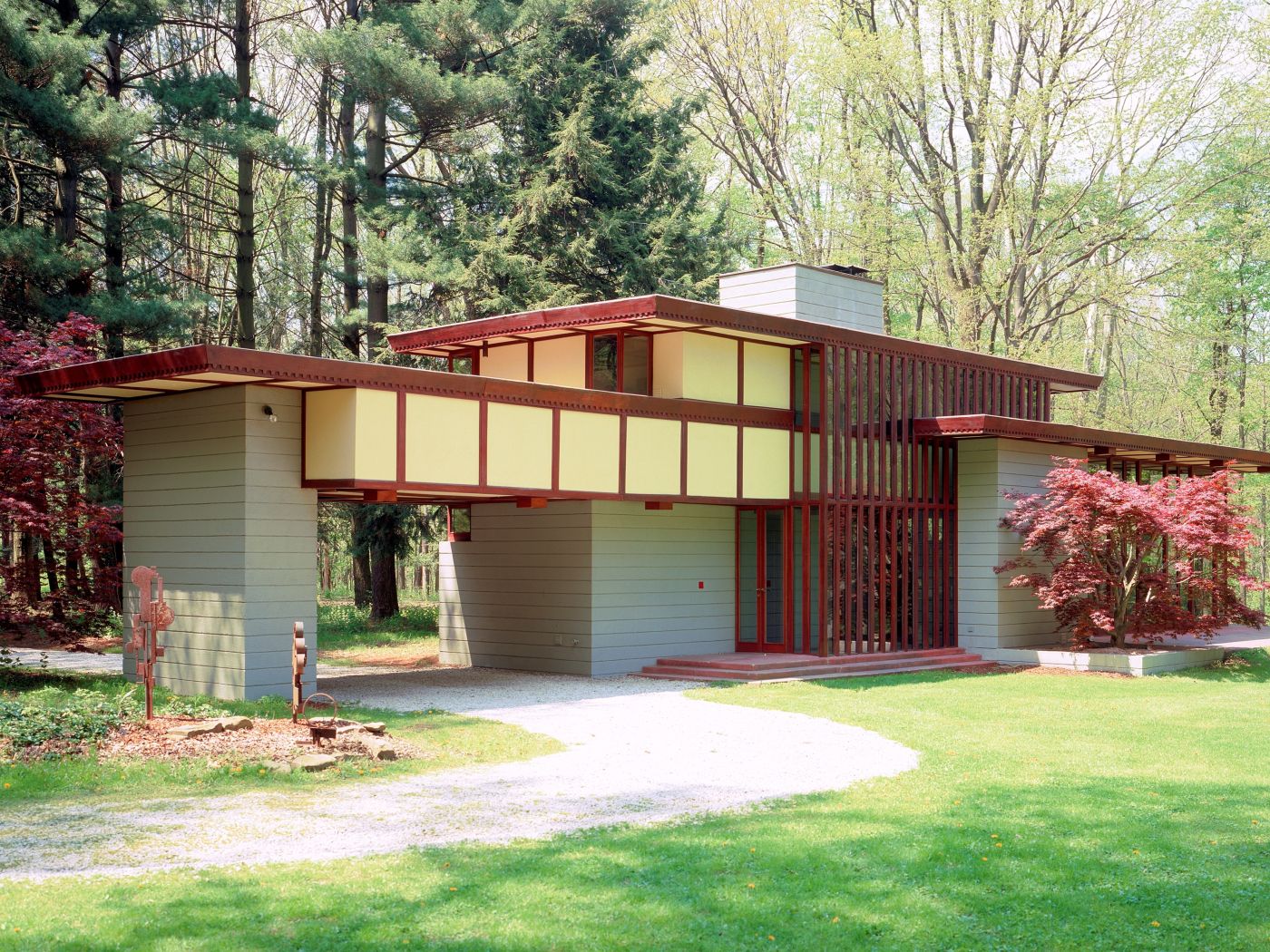
The Louis Penfield House,1955
Frank Lloyd Wright architect
The Louis Penfield House,1955
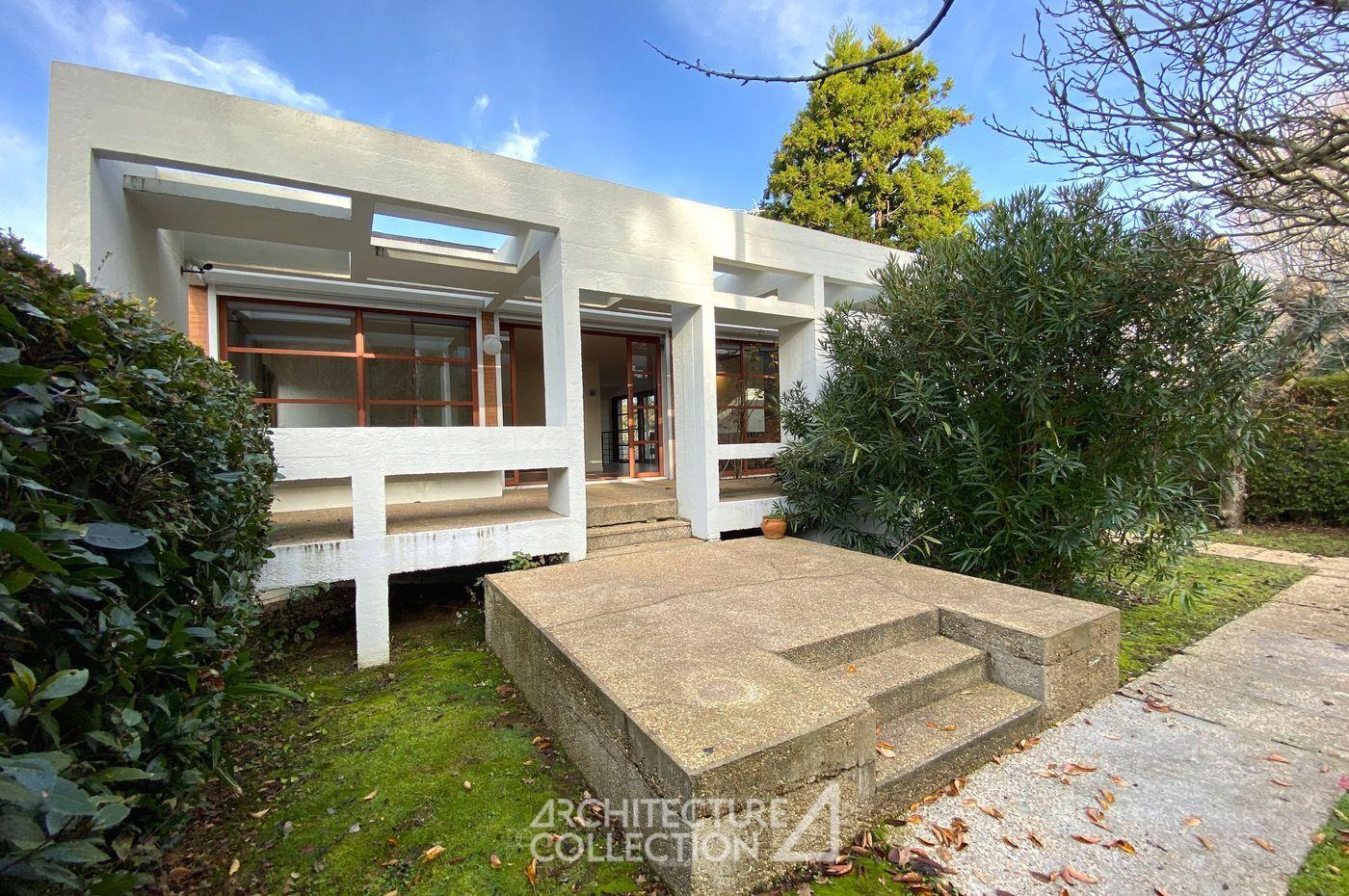
Modernist house, 1965
Yves Salier architect
Modernist house, 1965
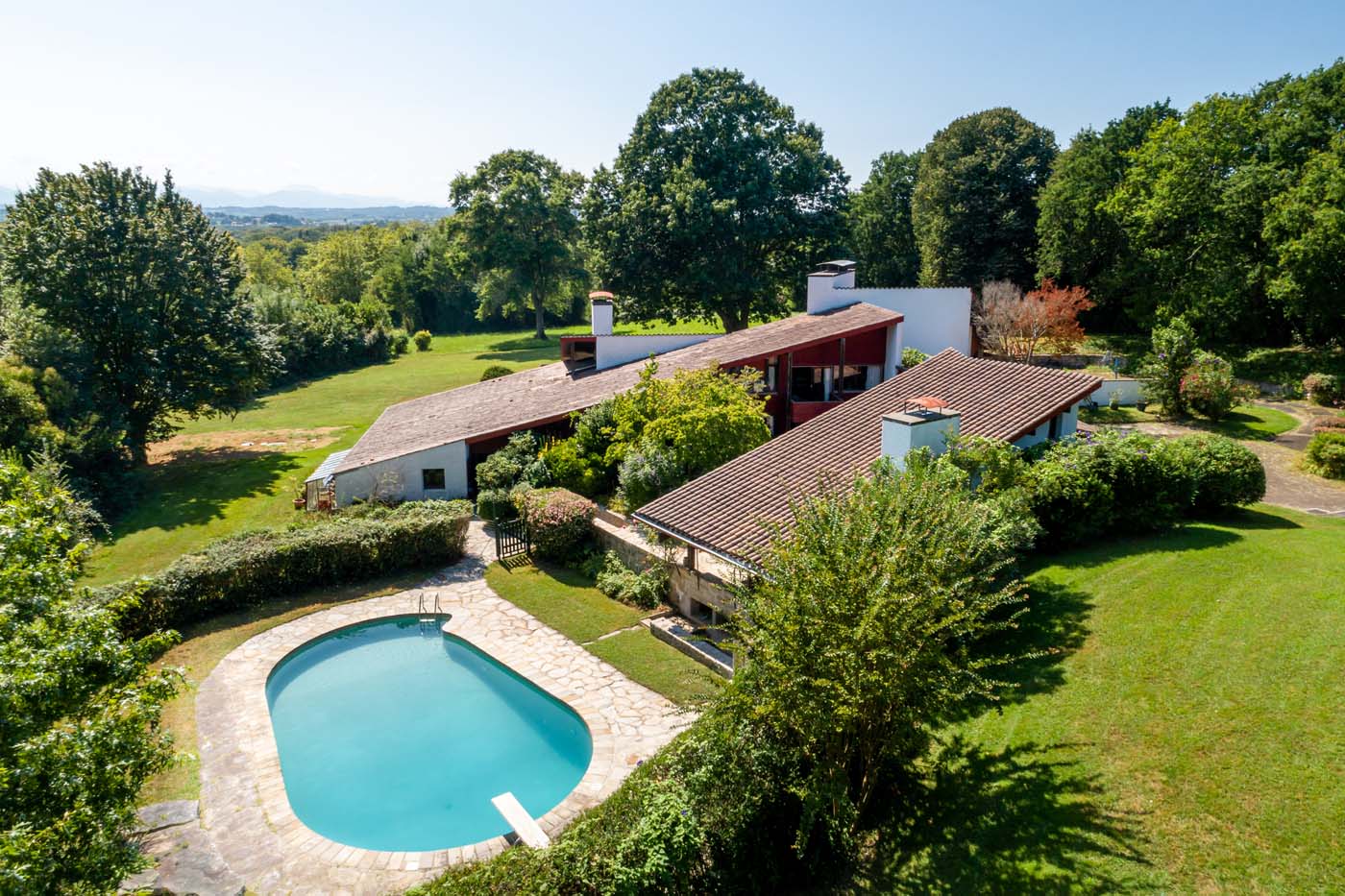
Cherenda house, 1971
Jean-Raphaël Hébrard Architect
Cherenda house, 1971
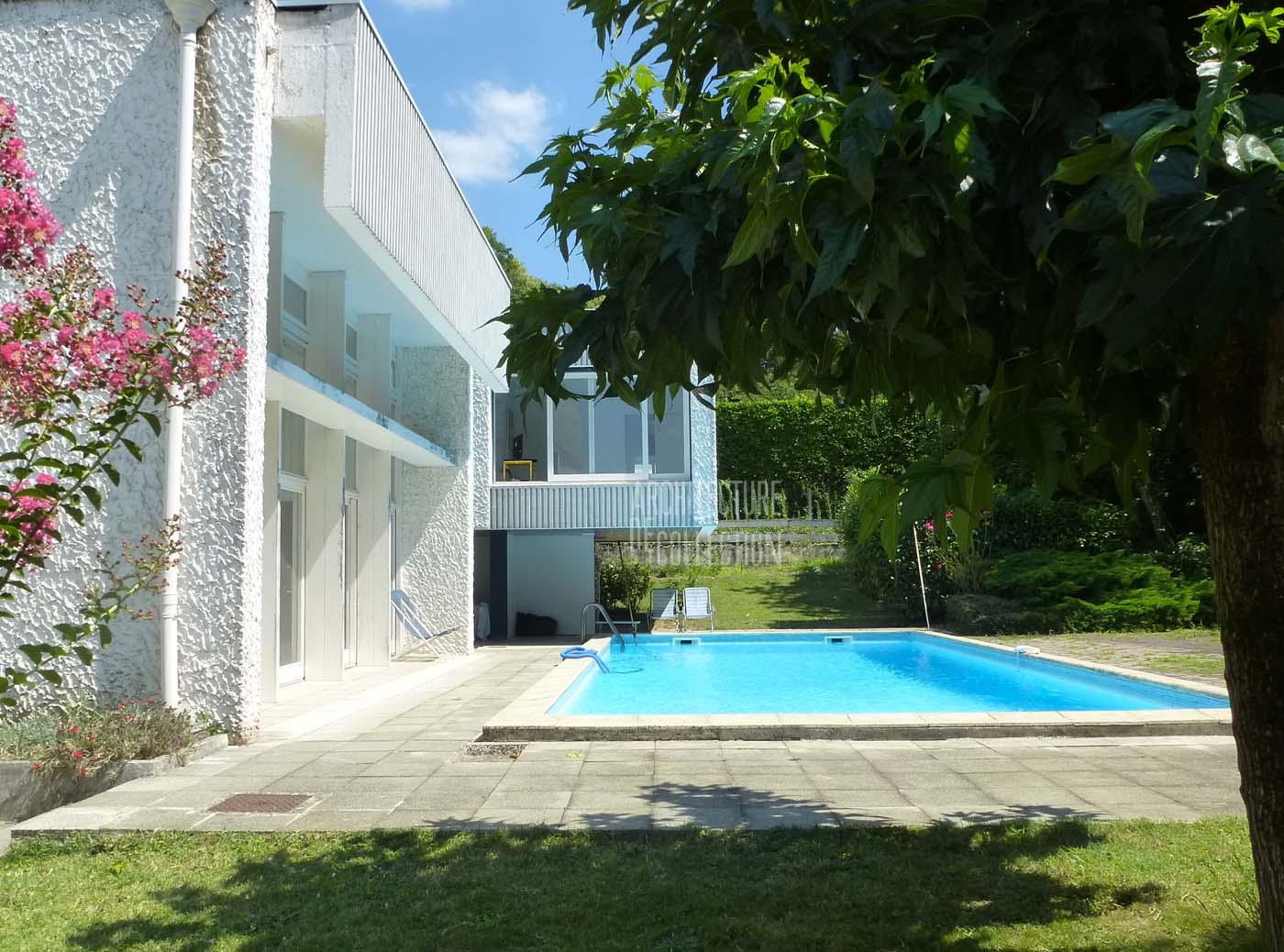
Family modernist house, 1968
Claude Calmettes architect
Family modernist house, 1968

Totem Tower, 1975
Andrault & Parat architects
Totem Tower, 1975

Brutalist house with garden, 1978
Jean-Baptiste Combrisson et Laurence Guibert architectes
Brutalist house with garden, 1978

Pompon House, 1955
Pol Abraham architecte
Pompon House, 1955
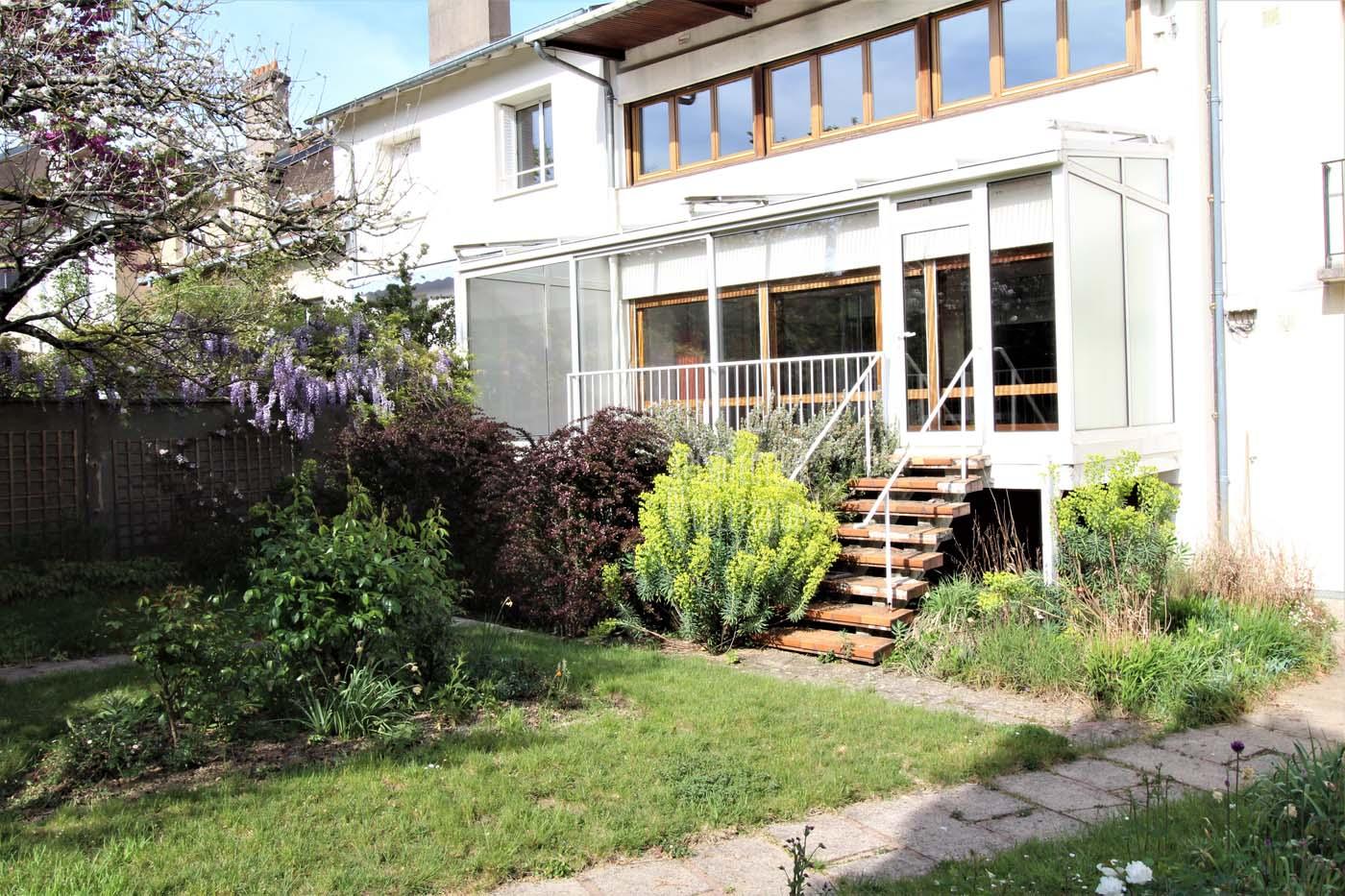
Brajzblat House, 1957
Henri Prouvé architecte
Brajzblat House, 1957

Florence House, 1959
Rex Lotery architecte
Florence House, 1959

Fifties Building, 1954
Jean Prouvé & Lionel Mirabaud
Fifties Building, 1954

The Docteur Gauthier House, 1962
Jean Prouvé constructeur
The Docteur Gauthier House, 1962
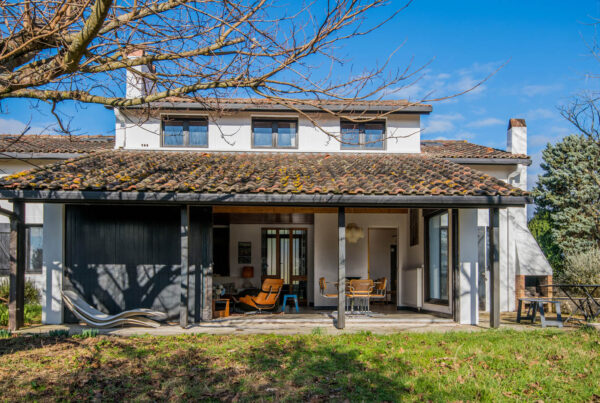
Delcourt House, 1969
Richard Neutra architecte
Delcourt House, 1969

EDF Residential Towers, 1967 / 2016
Atelier de Montrouge / Paul Chemetov
EDF Residential Towers, 1967 / 2016

“The Green Cove”, 1972
André Lefèvre-Devaux architecte
“The Green Cove”, 1972
Tower 2000, 1974
Michel Proux architect