Description
Modernist lines on the Var coast
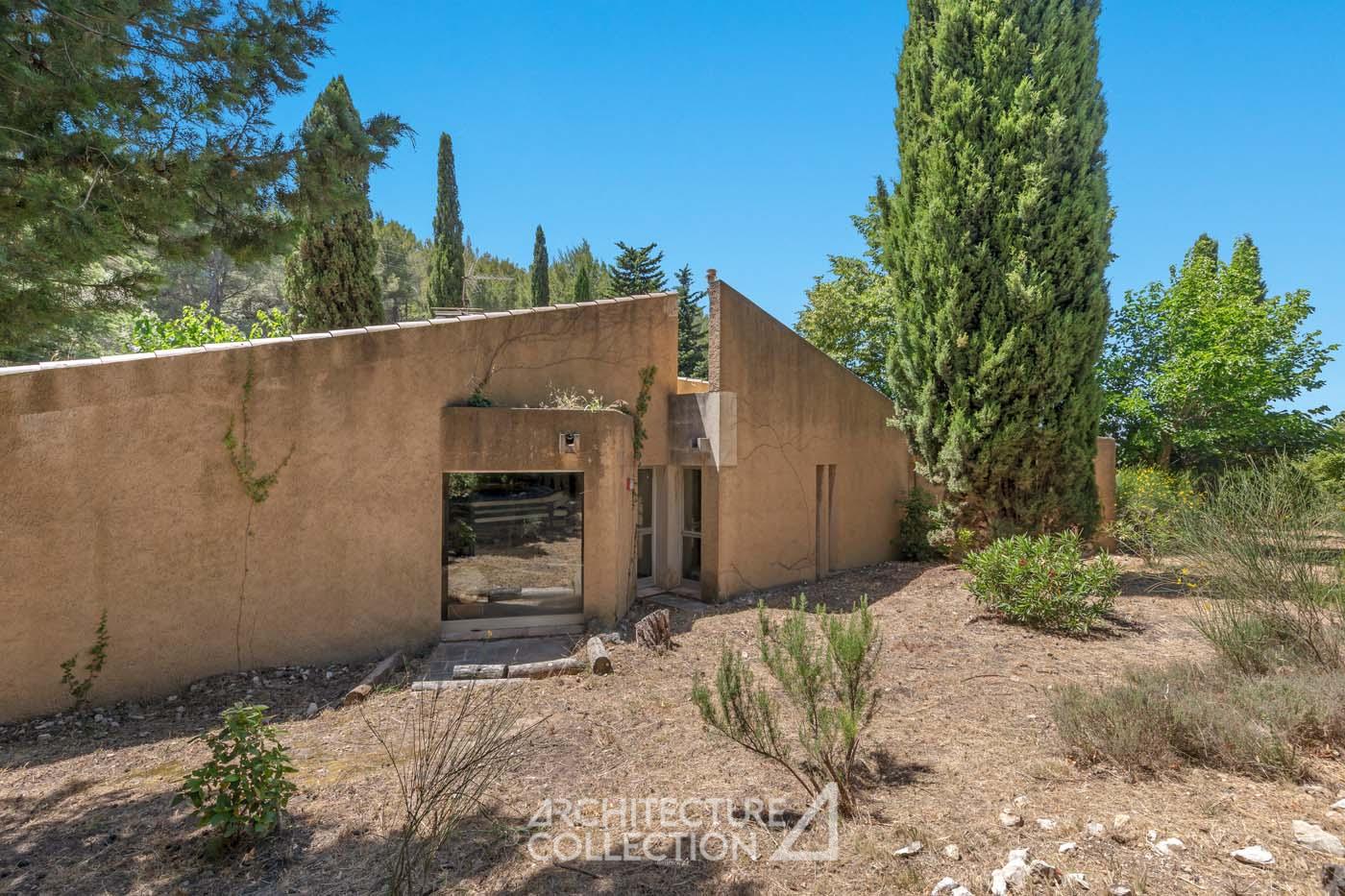
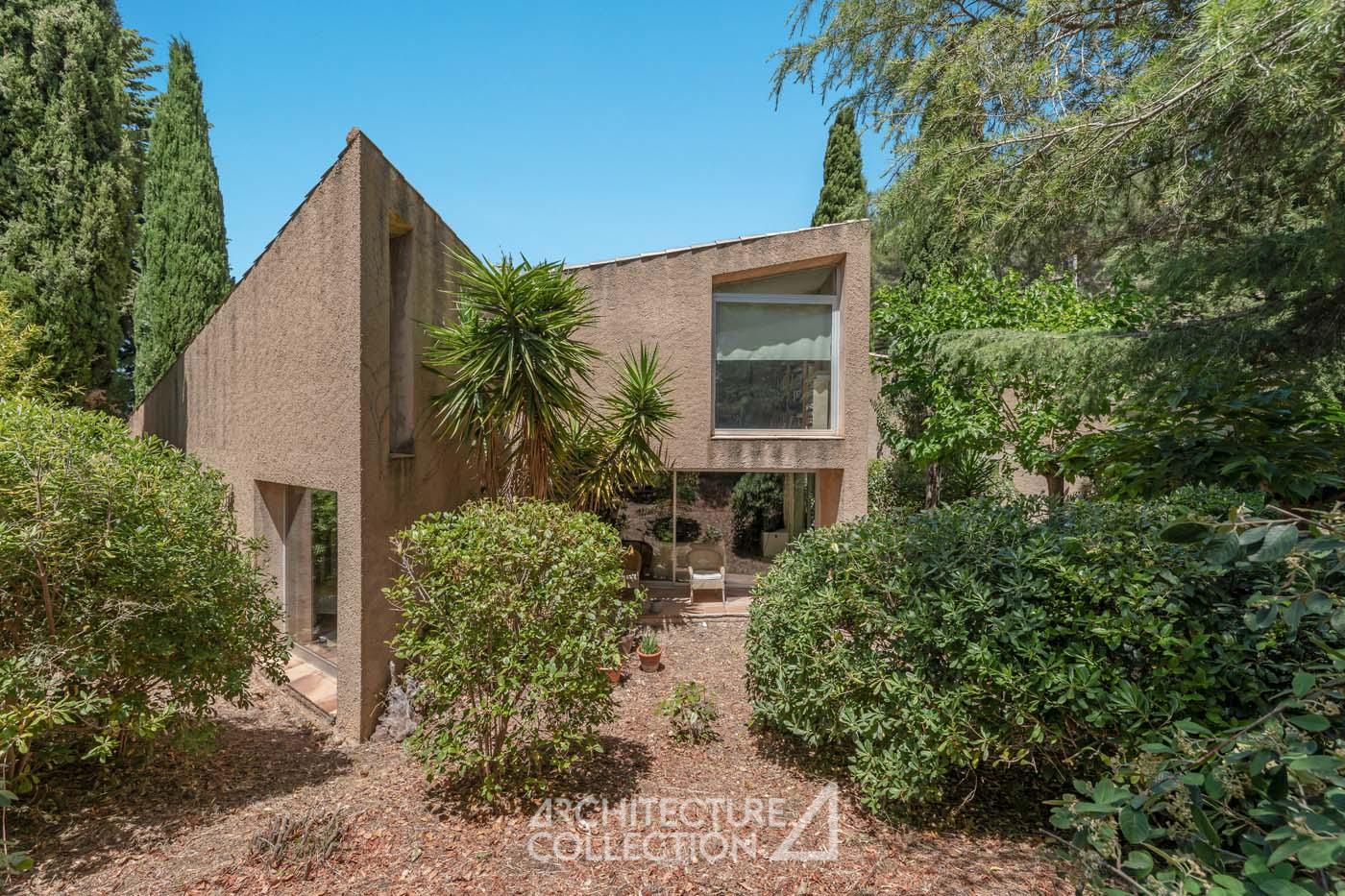
Designed by Jean Parente in 1983, this villa with its fragmented silhouette represents a remarkable dialogue between vernacular heritage and the modernist architecture of the French Riviera.
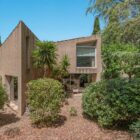
At the heart of a landscaped, terraced 1,850 m² plot, the house unfolds over approximately 200 m² on a single level. It is organized into three successive volumes, each housing different functions.
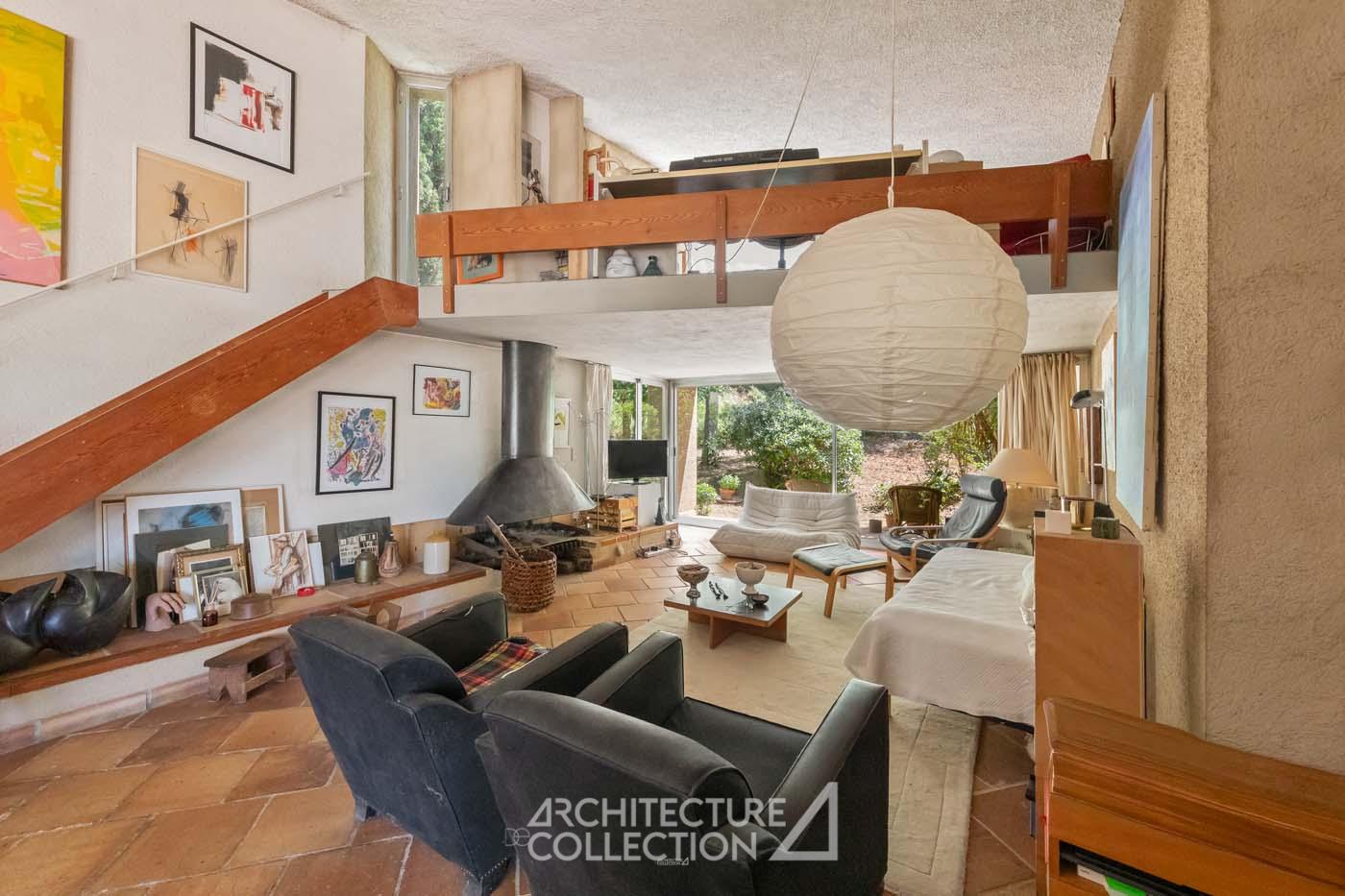
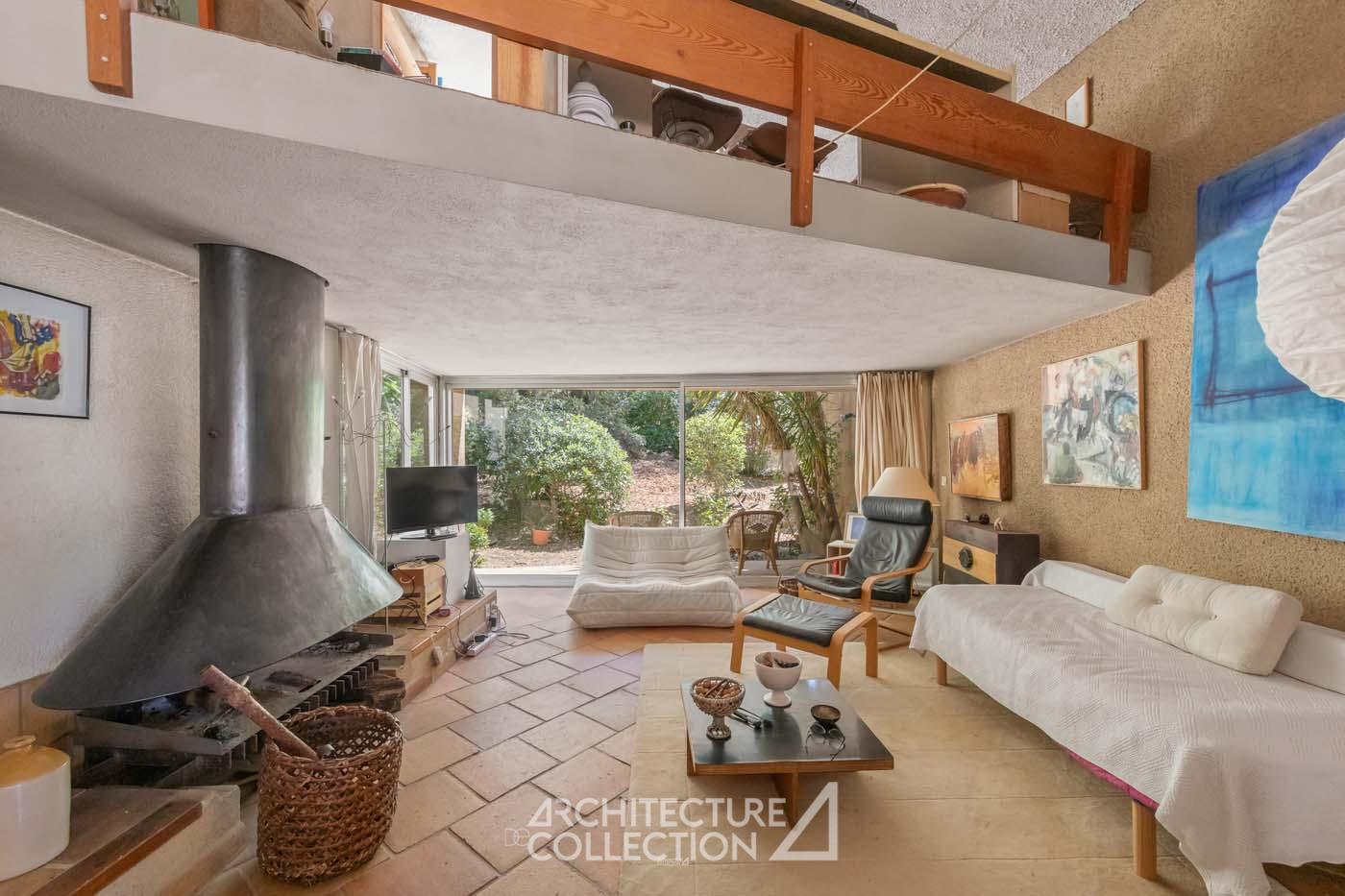
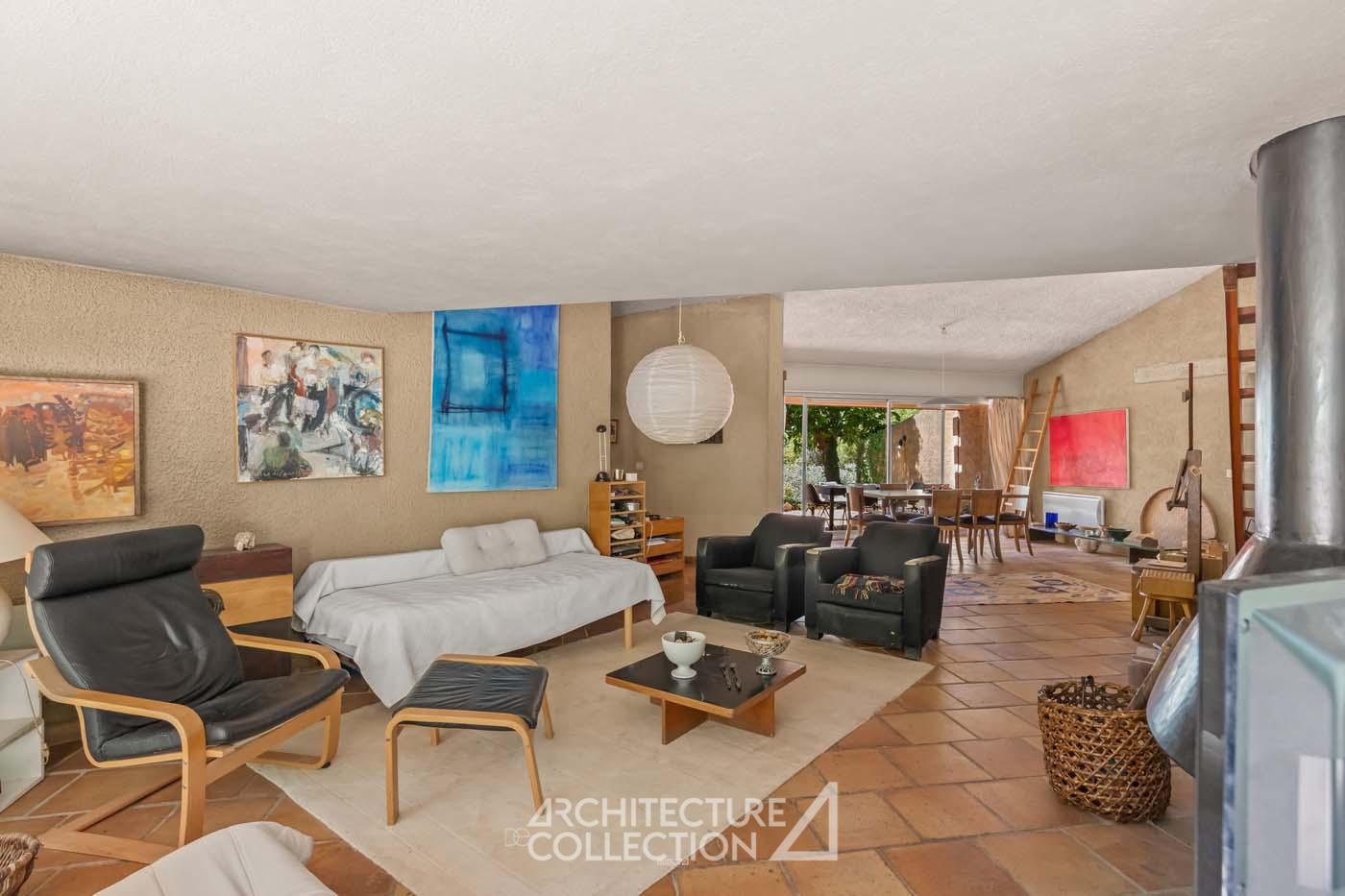
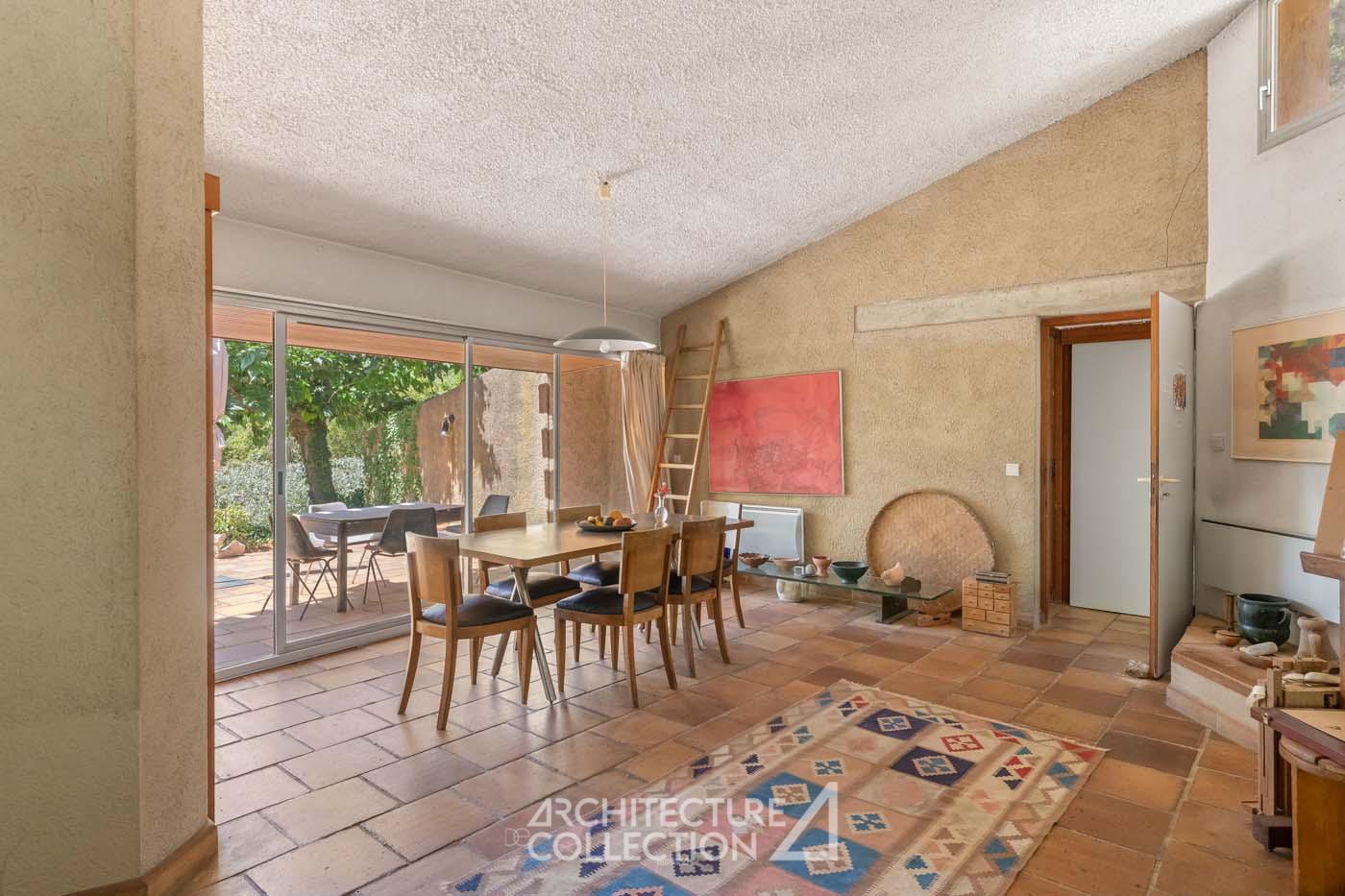
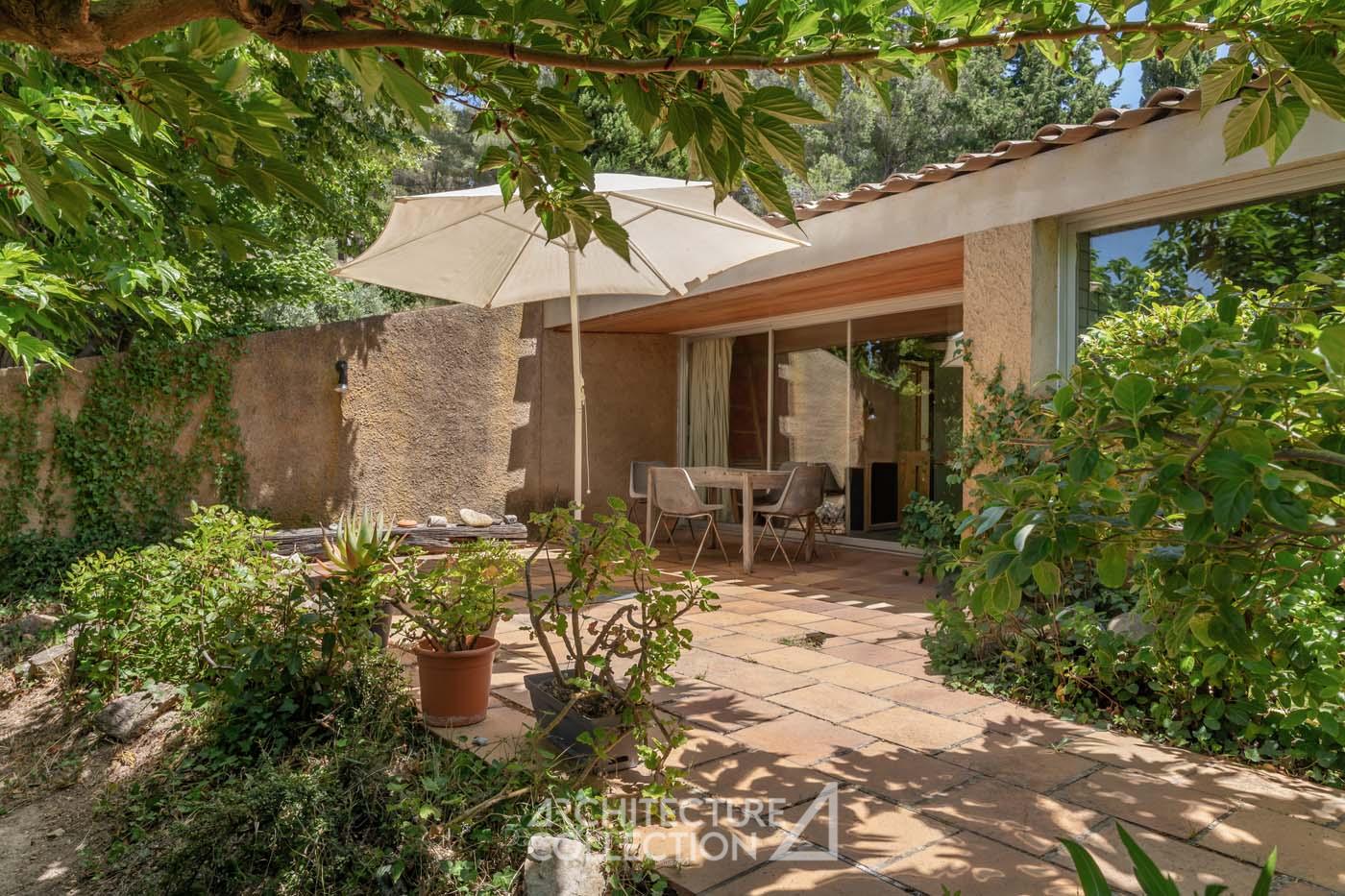
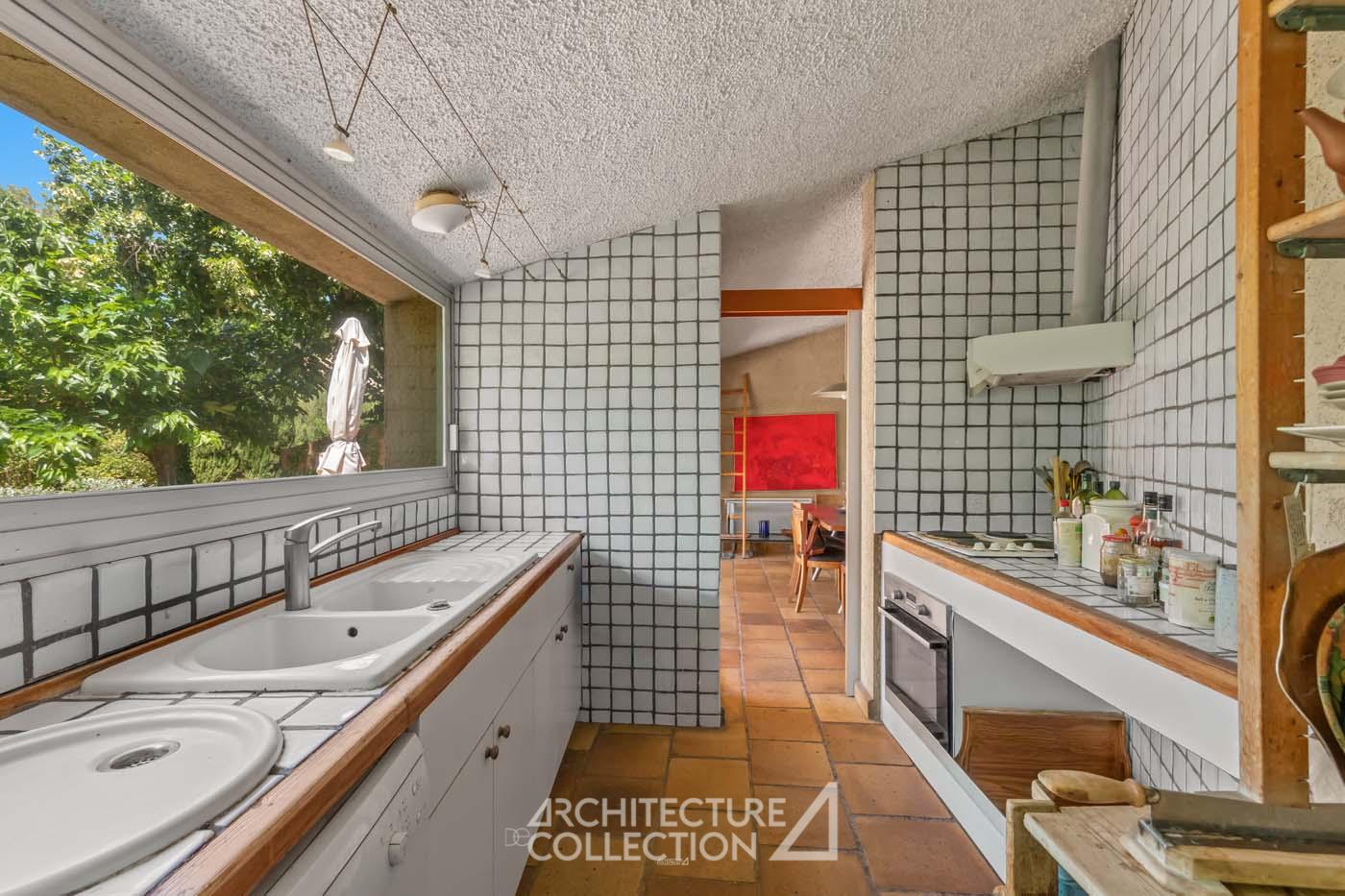
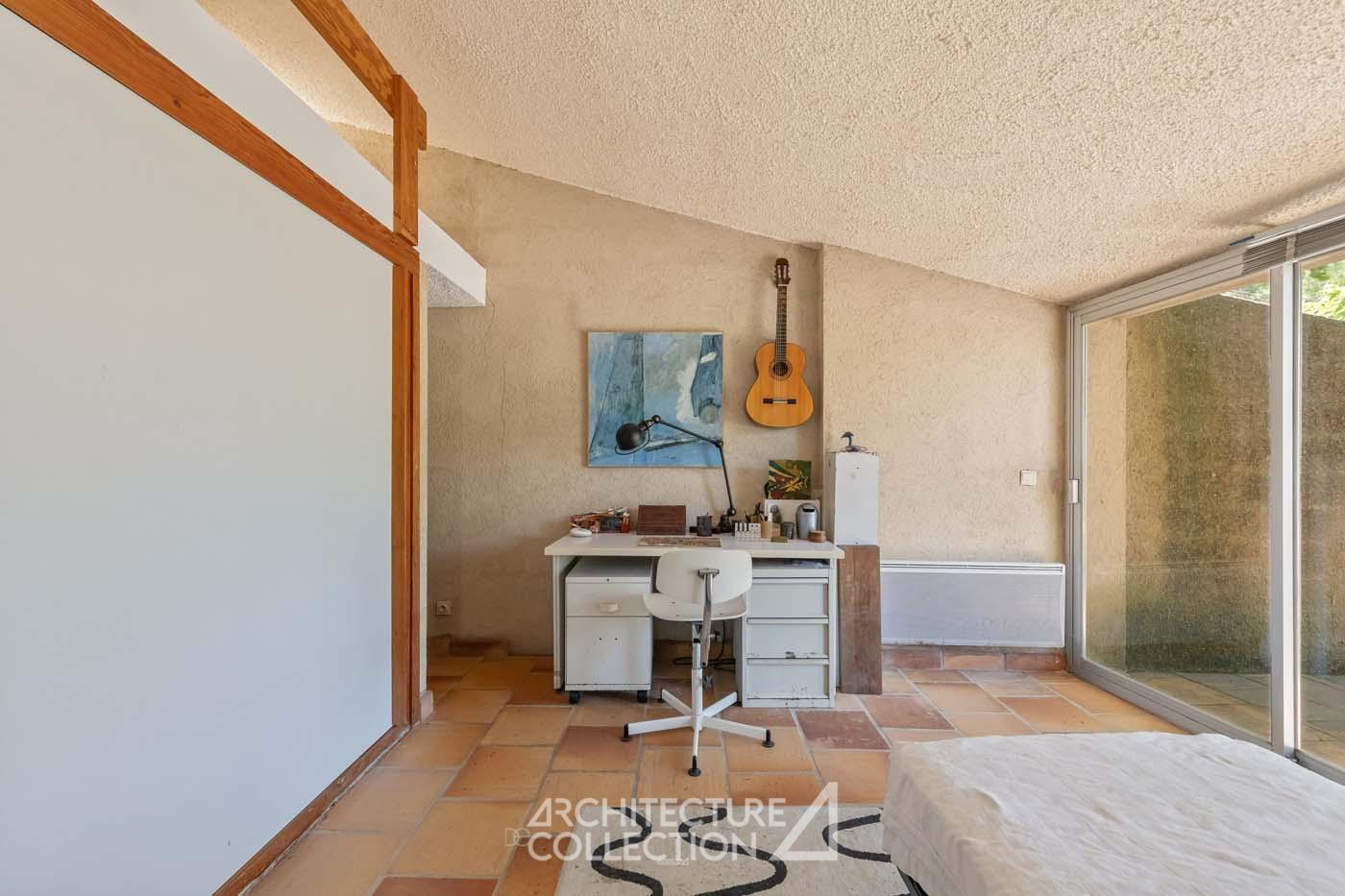
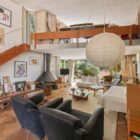
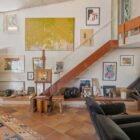
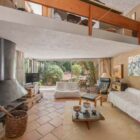
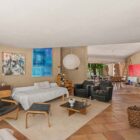
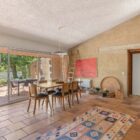
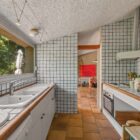
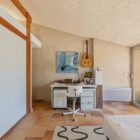
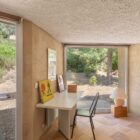
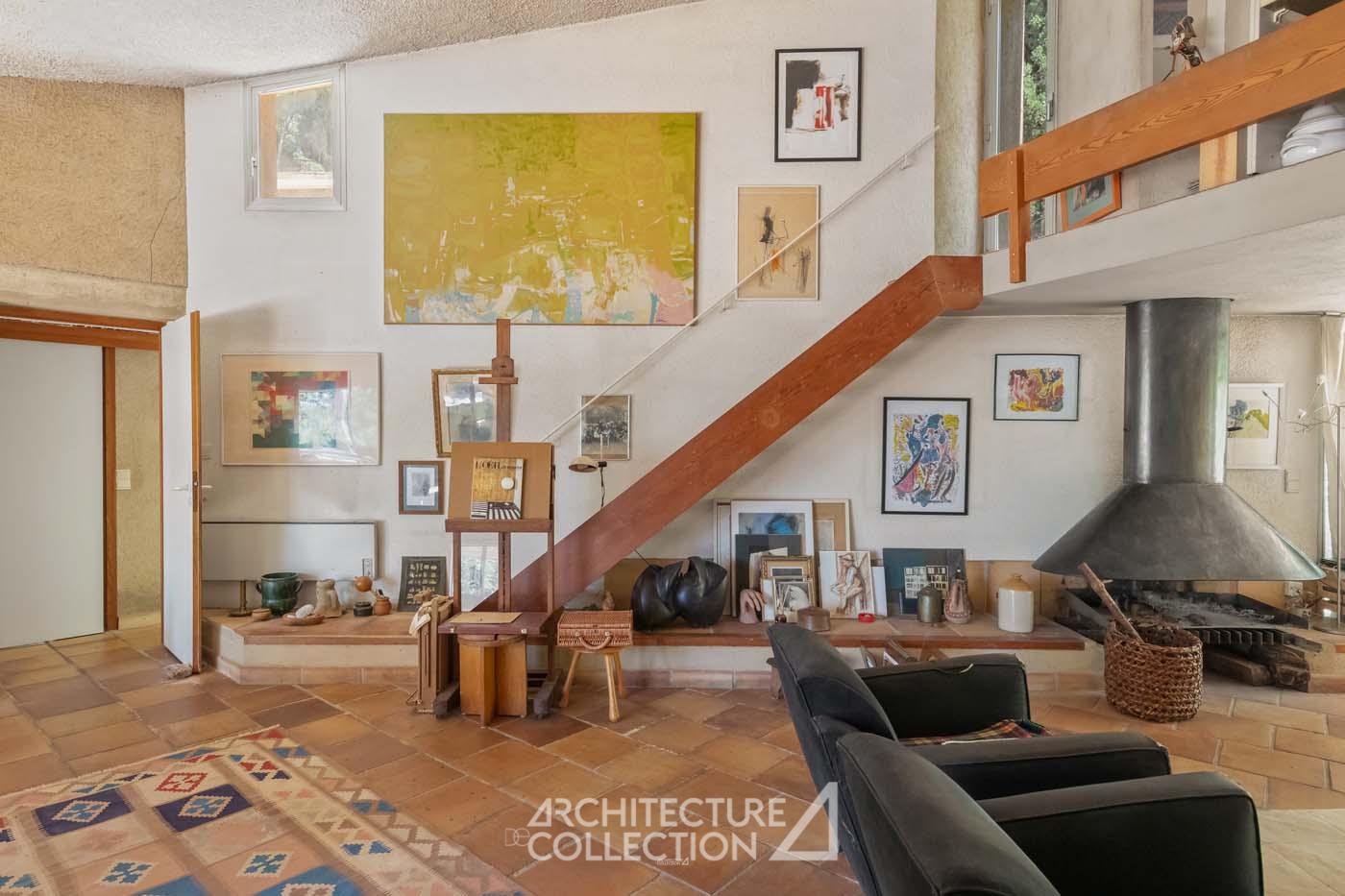
The central volume features generous living spaces : a double-height living room with a fireplace and a dining area adjacent to a fitted kitchen, accessible via a sliding door. A mezzanine provides additional living space that can serve as an office, library, TV lounge, or reading area. Two shaded terraces complete this through-space.
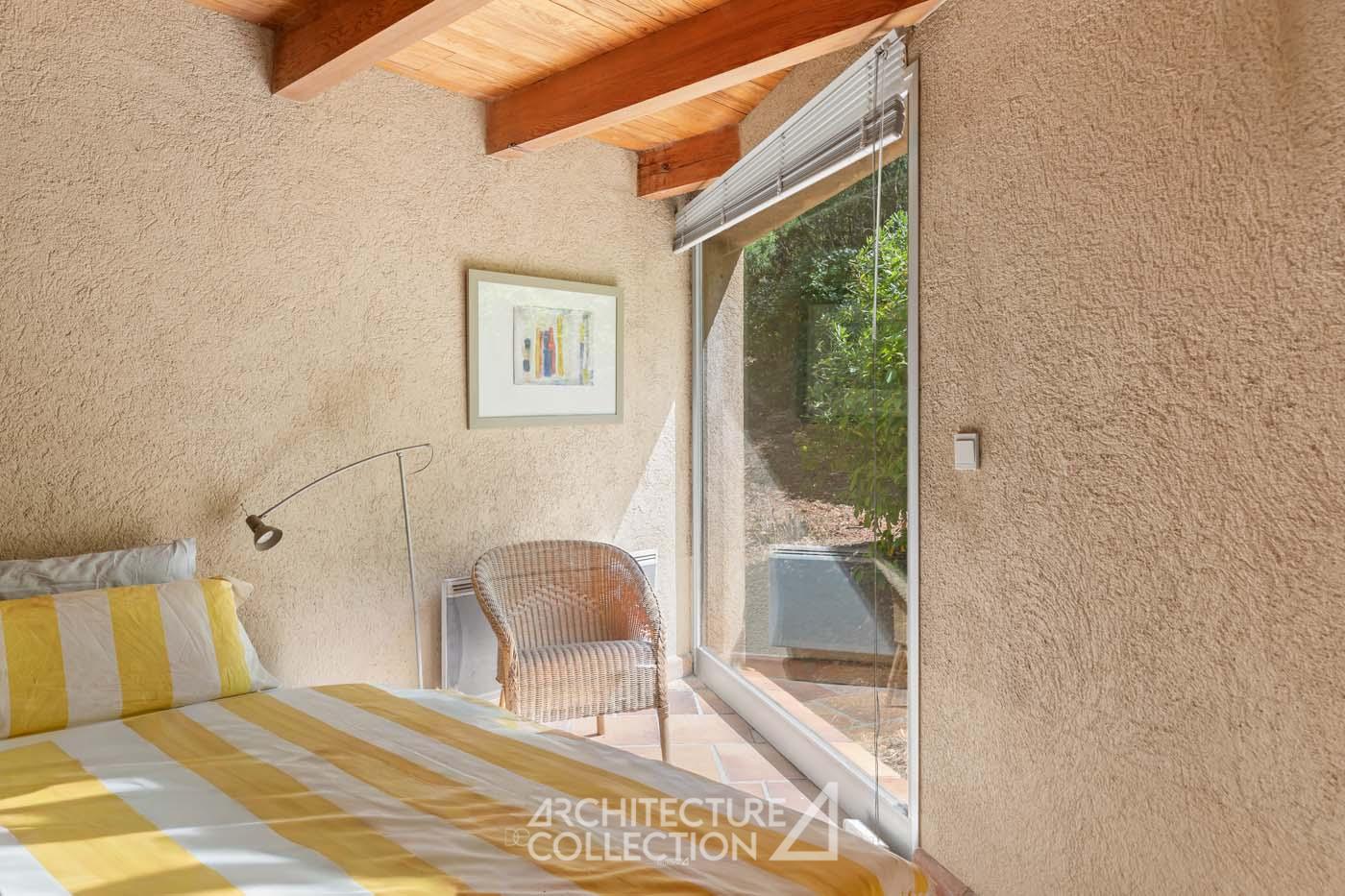
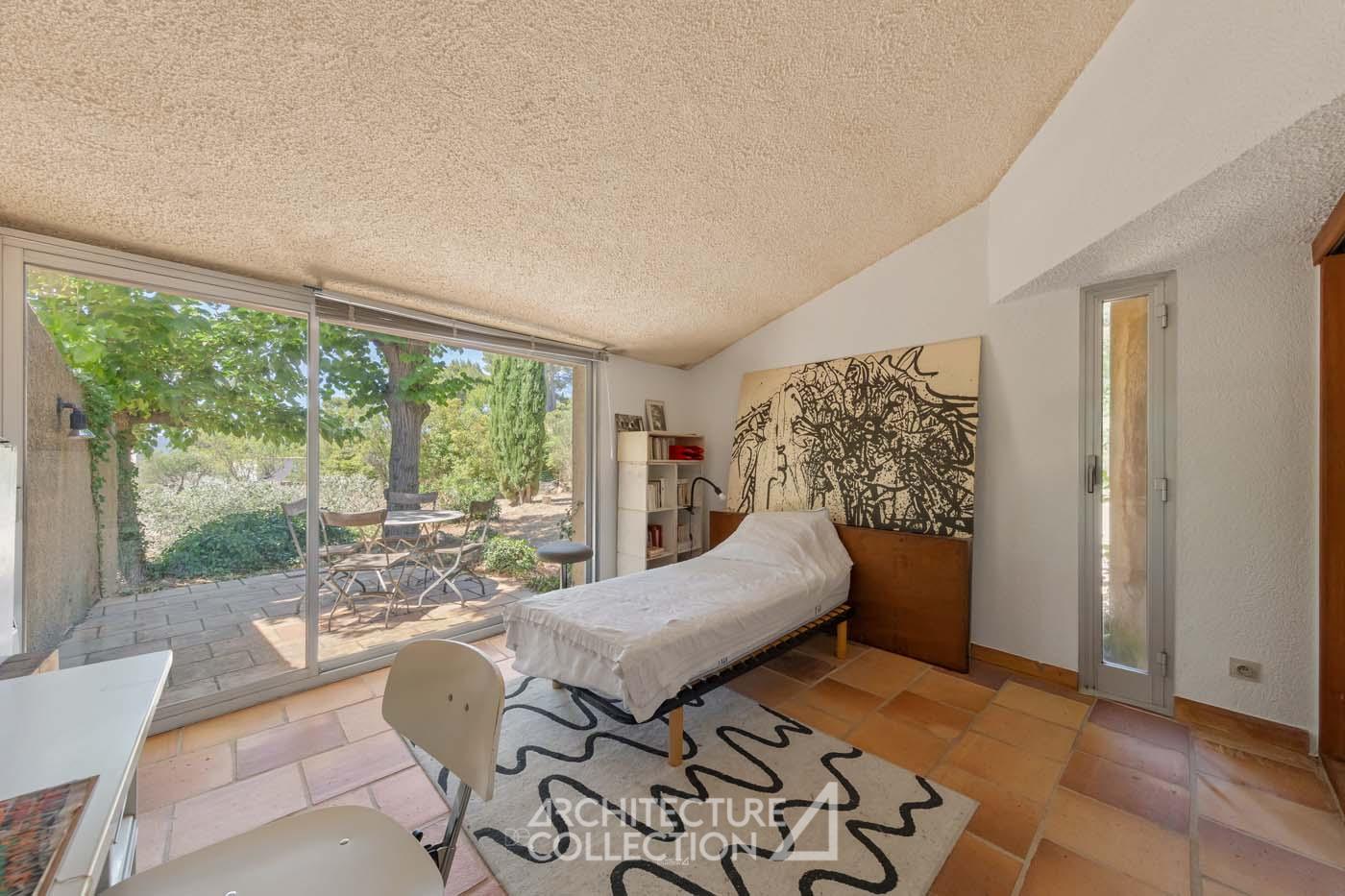
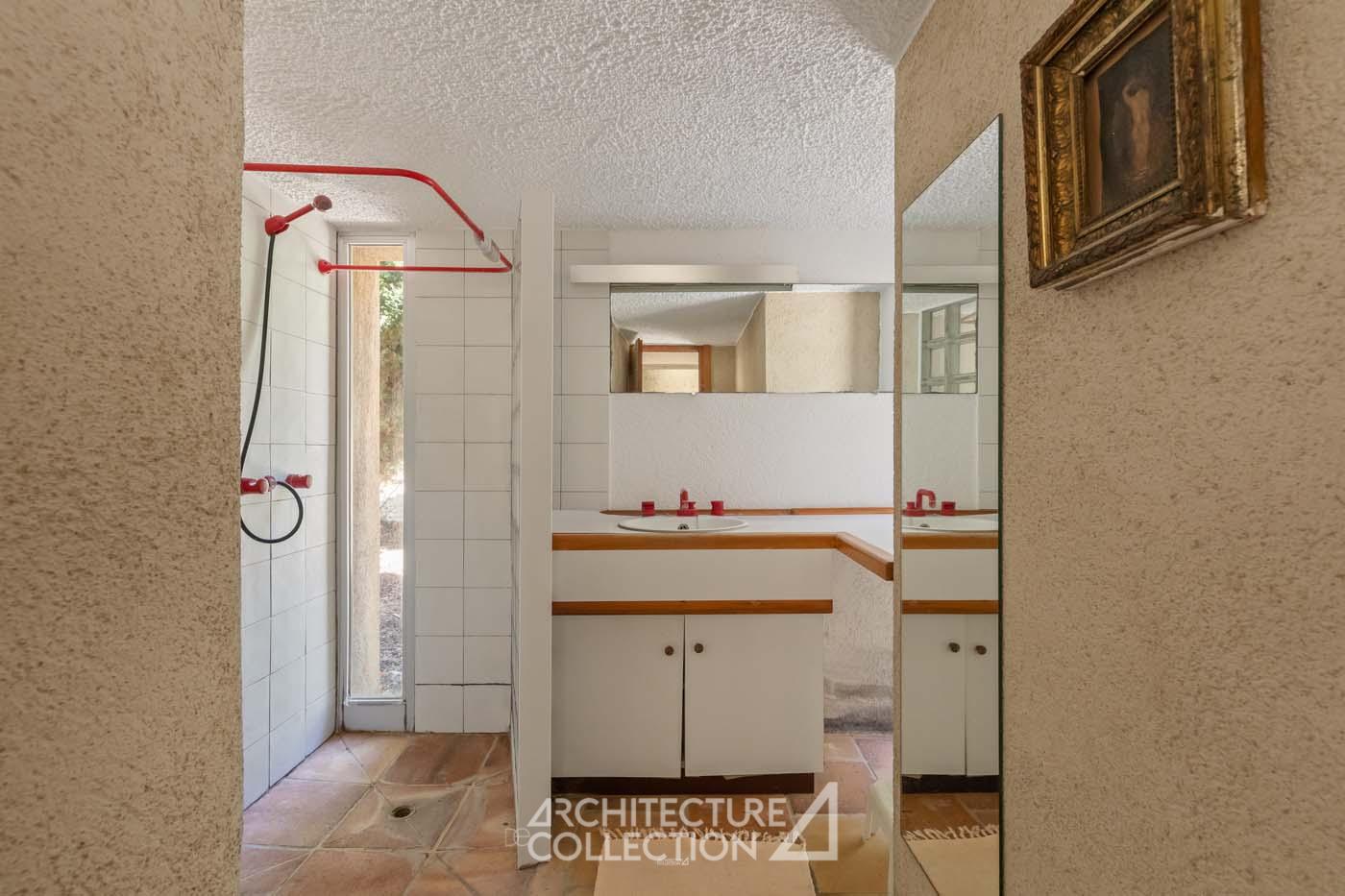
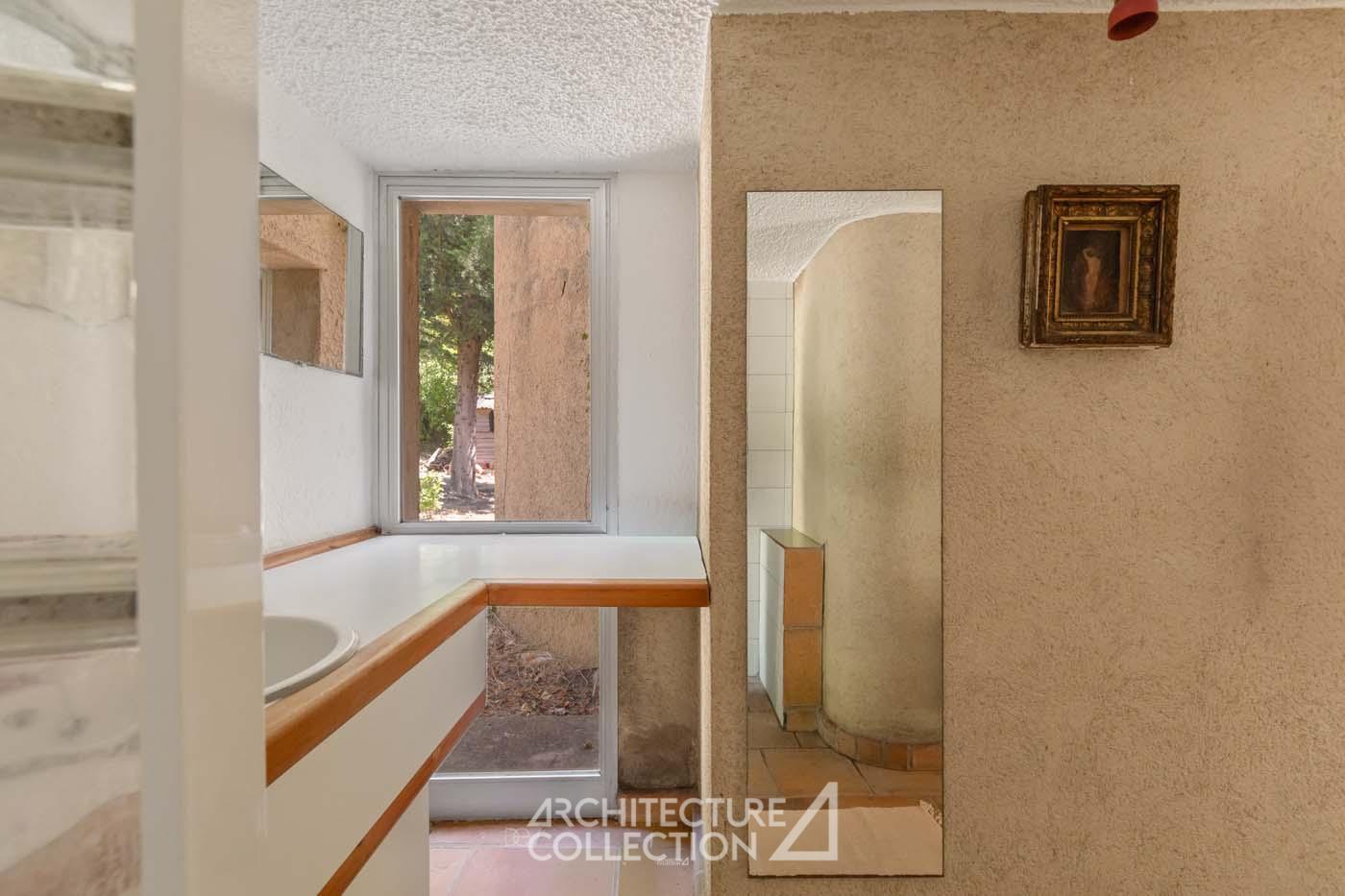
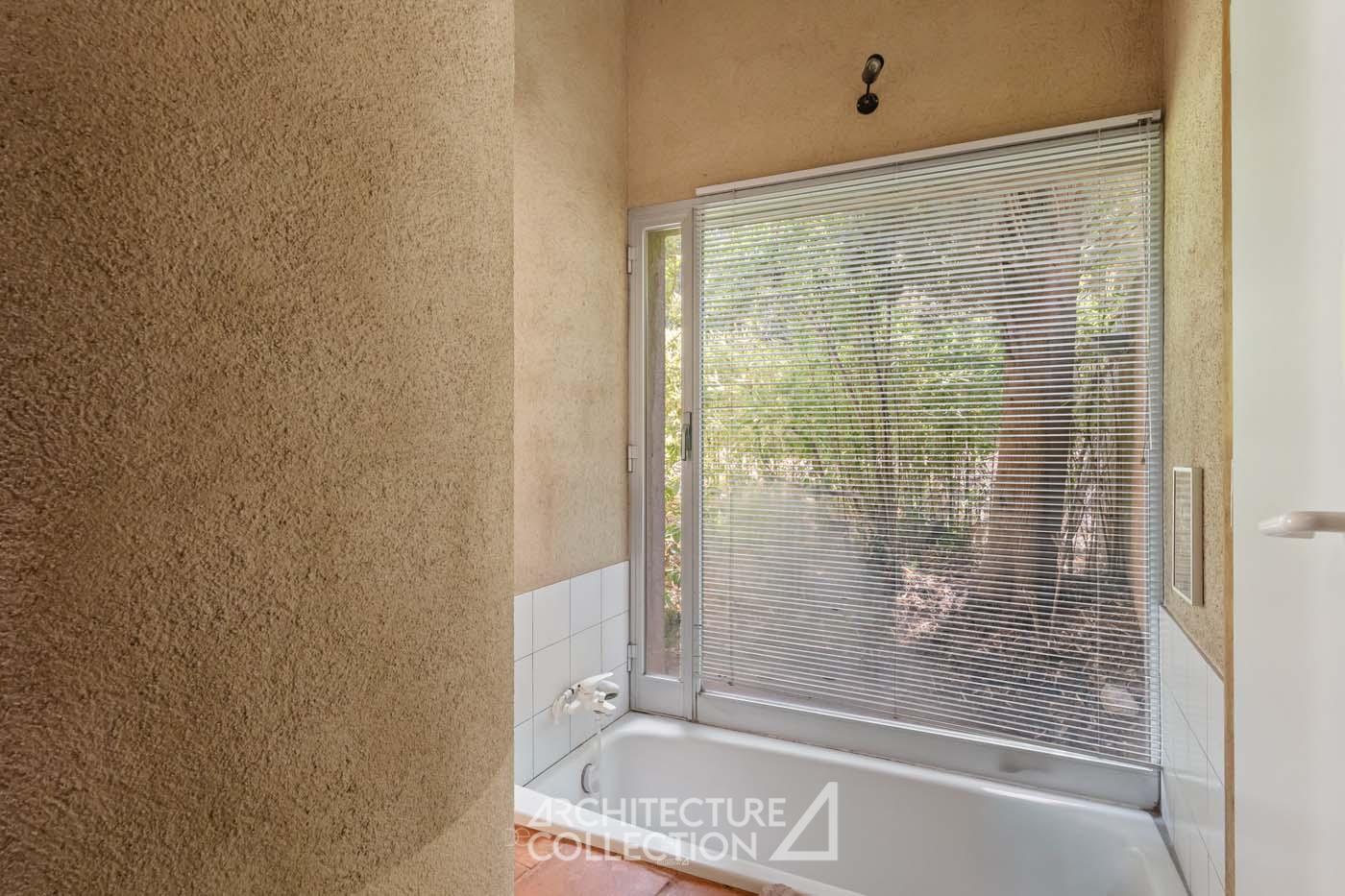
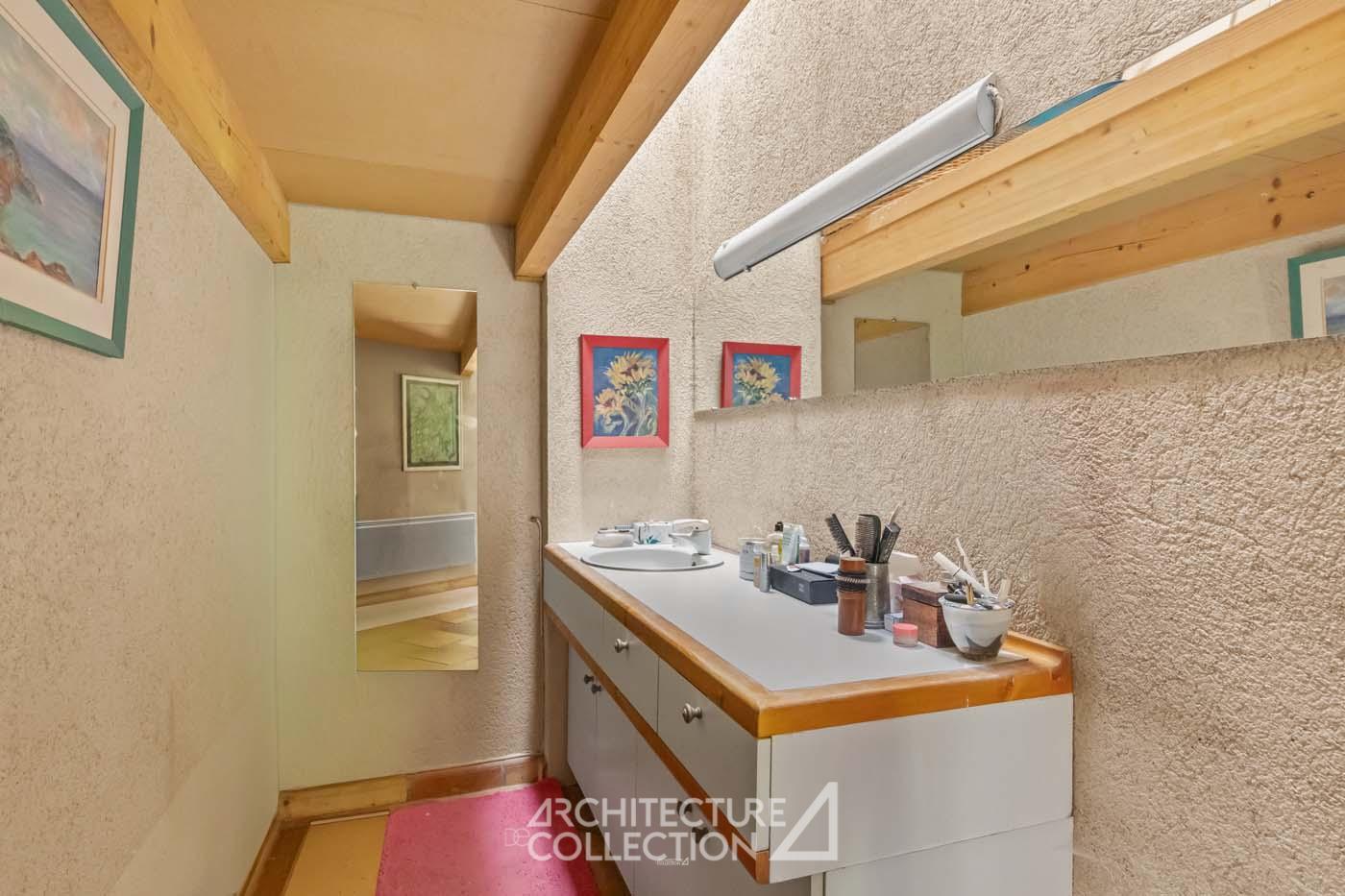
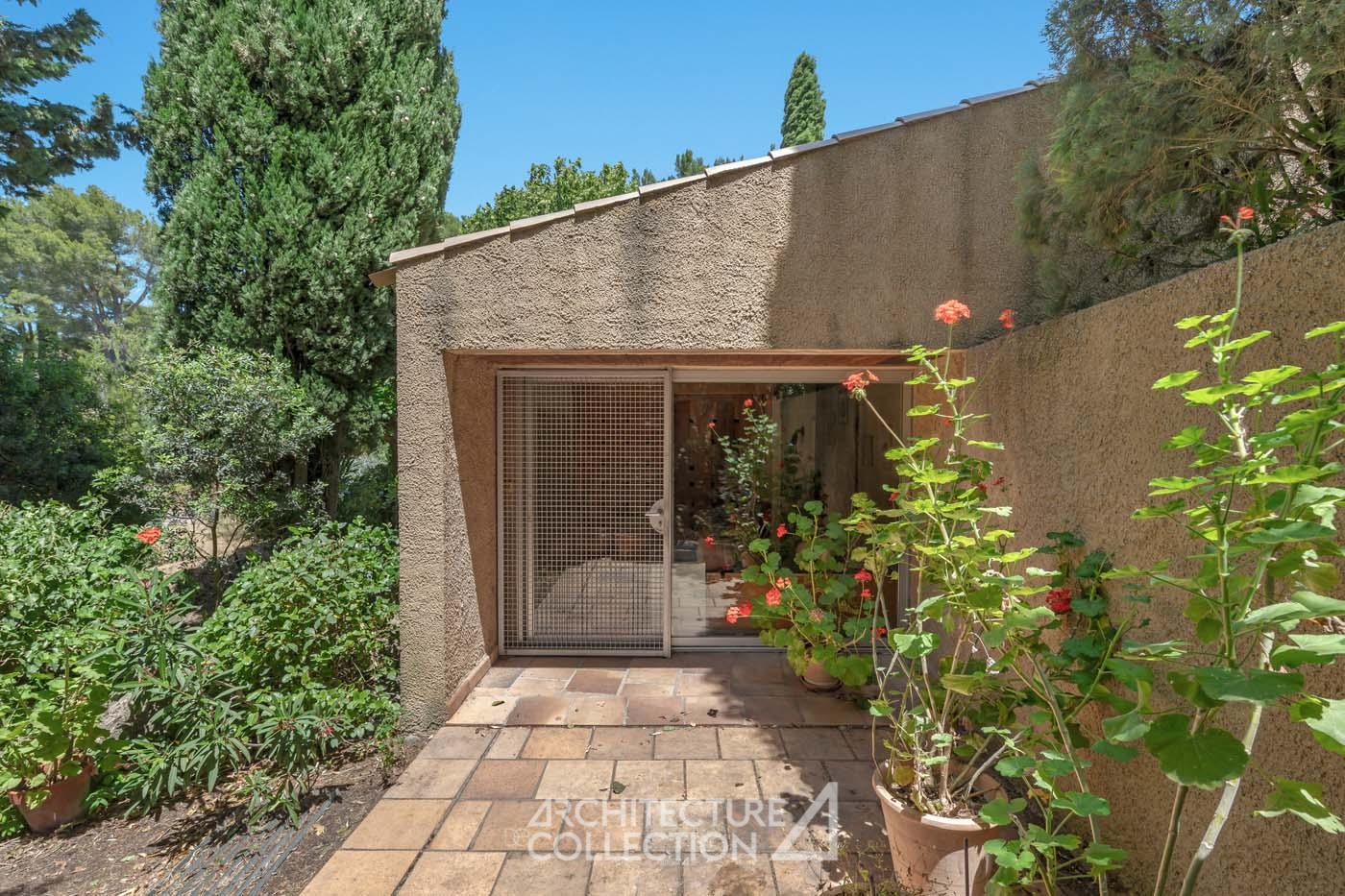
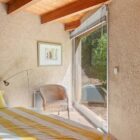
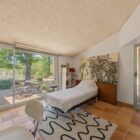
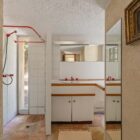
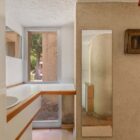
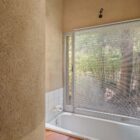
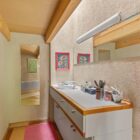
The living room leads to the night area, divided into two wings. The first wing includes three bedrooms with private terraces, a shower room, a dressing room, and ample storage. The second wing features a large master bedroom with a bathroom and dressing room, as well as a private terrace.
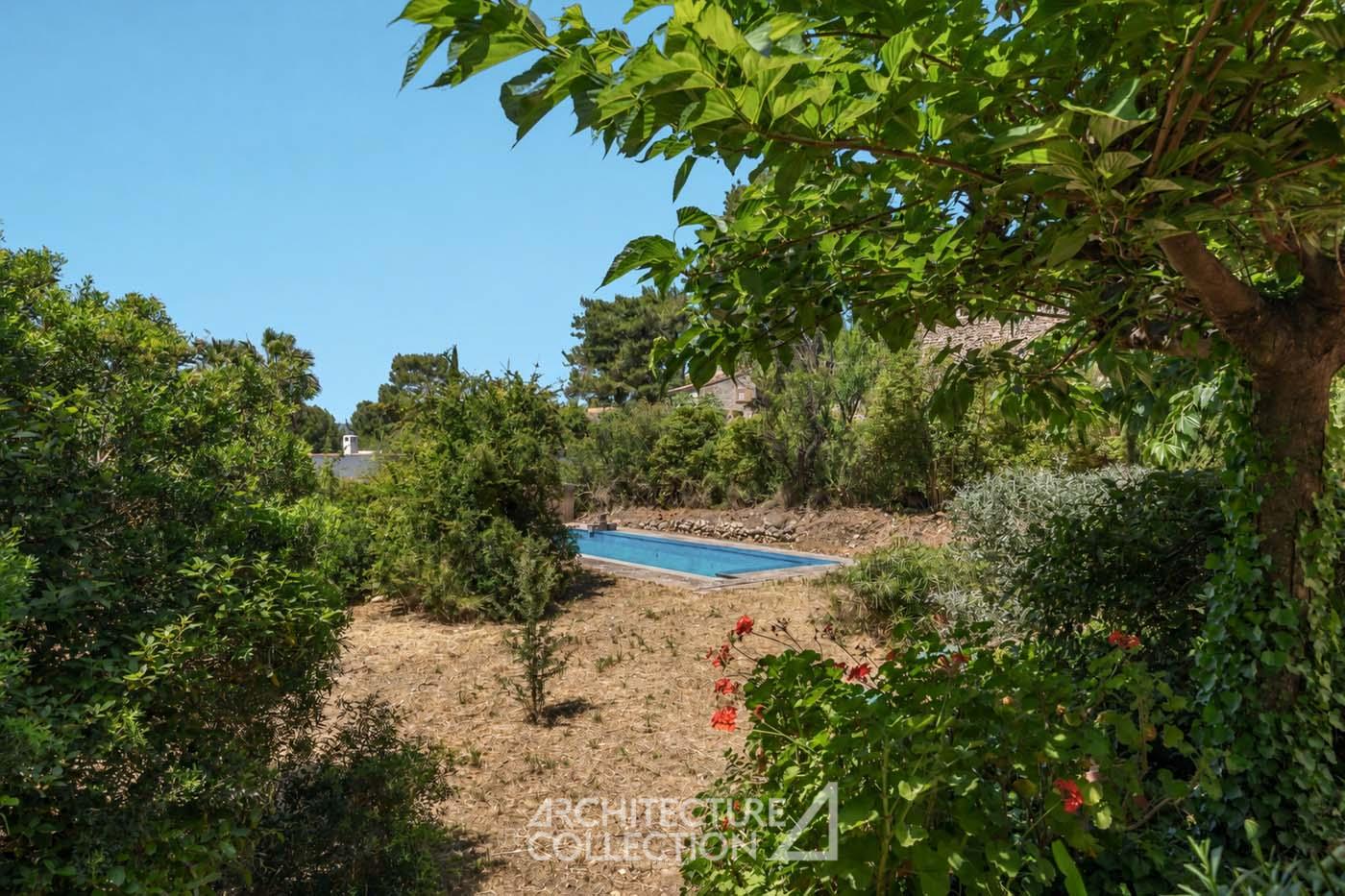
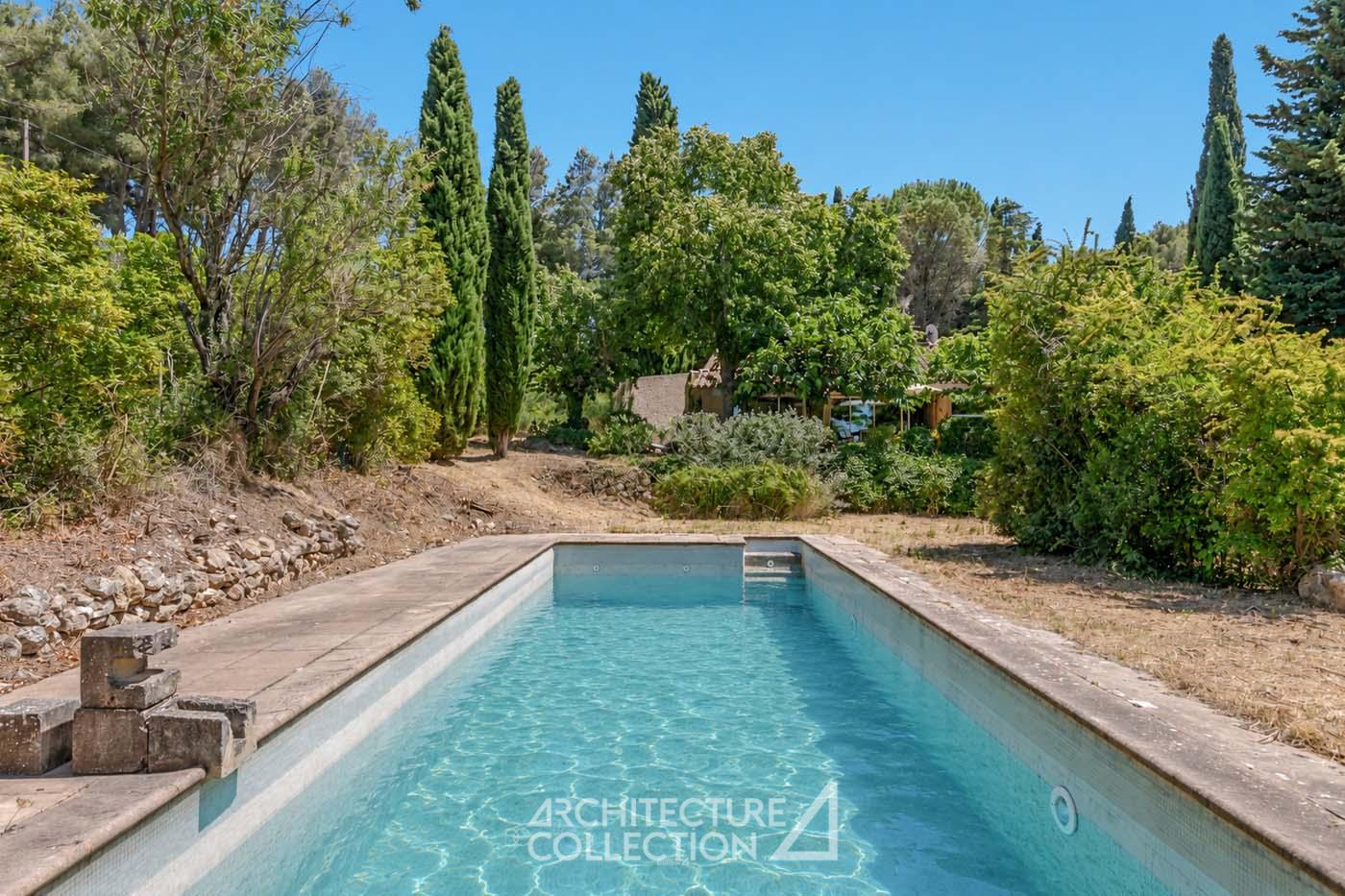
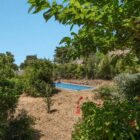
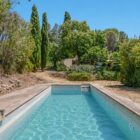
The property is completed by a swimming pool and several parking spaces.
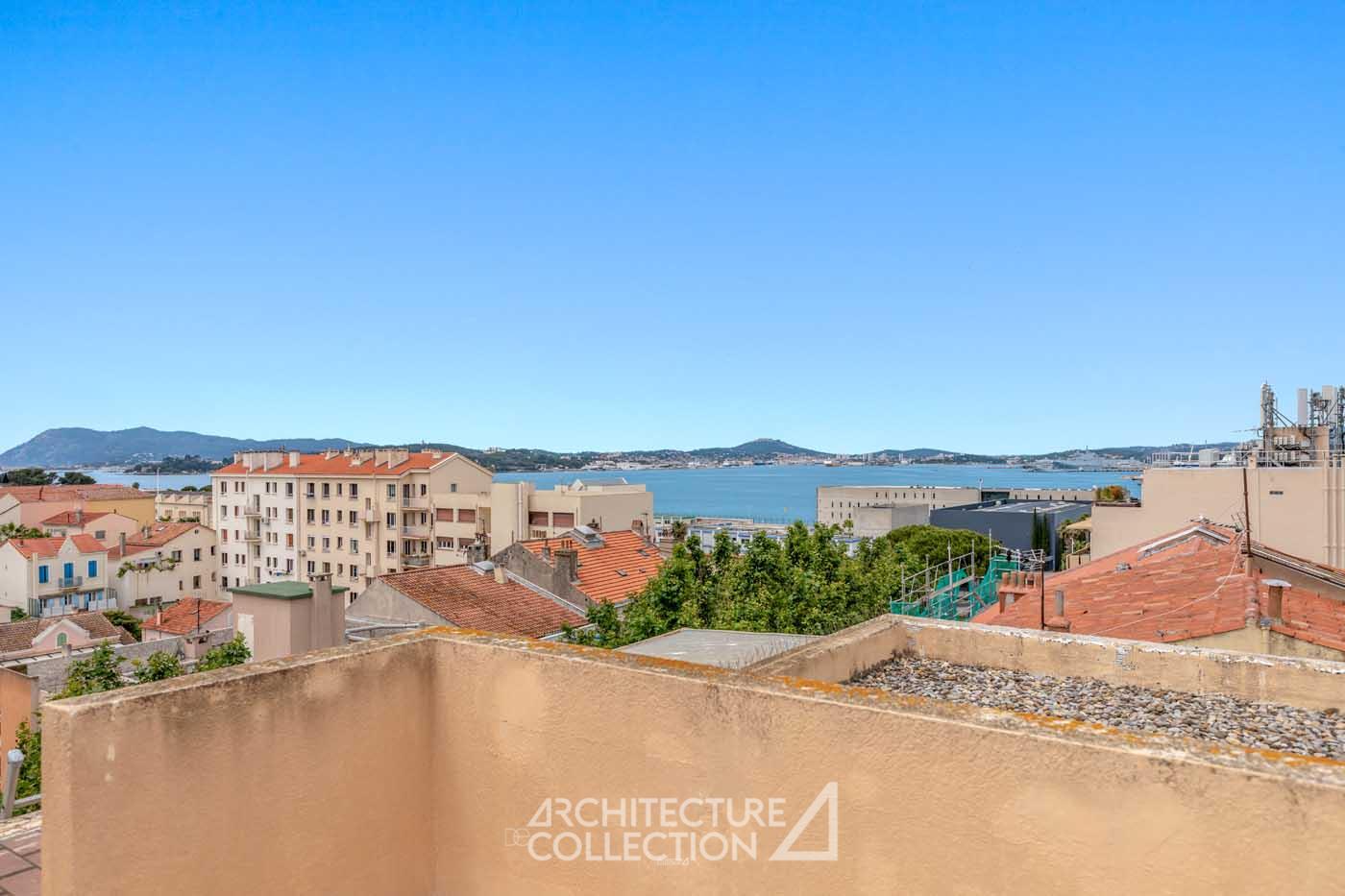
This property is located in the hinterland of Bandol, outside the village of La Cadière-d’Azur in the Var department, in the heart of an exceptional landscaped environment of terraces and pine trees.
A 10-minute drive from the town center and its shops, the house is well-connected to the main highways, providing easy access to Bandol, Sanary-sur-Mer, and the rest of the Var coast.
Living in the landscape
This project is deeply rooted in the history of modern architecture. Inspired by the Cité Frugès (Le Corbusier, 1926) or Sea Ranch (Moore, Lyndon, Turnbull, Whitaker, early 1960s), as well as by local architects such as Jean Aubert, André Lefèvre, or Jean-Georges Narkisian, Jean Parente delivers a hybrid project with a harmonious aesthetic, where modernism assimilates regional forms.
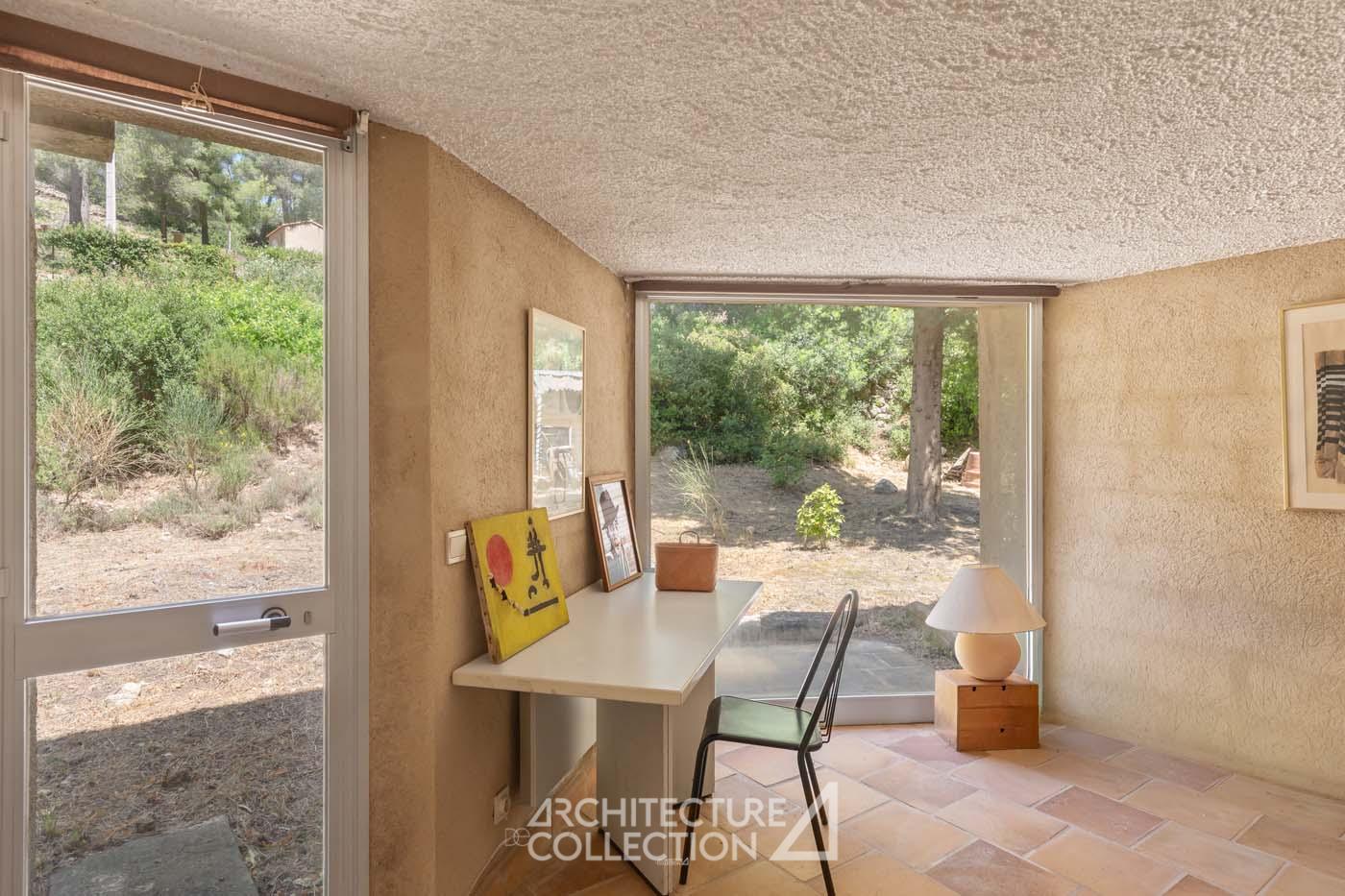
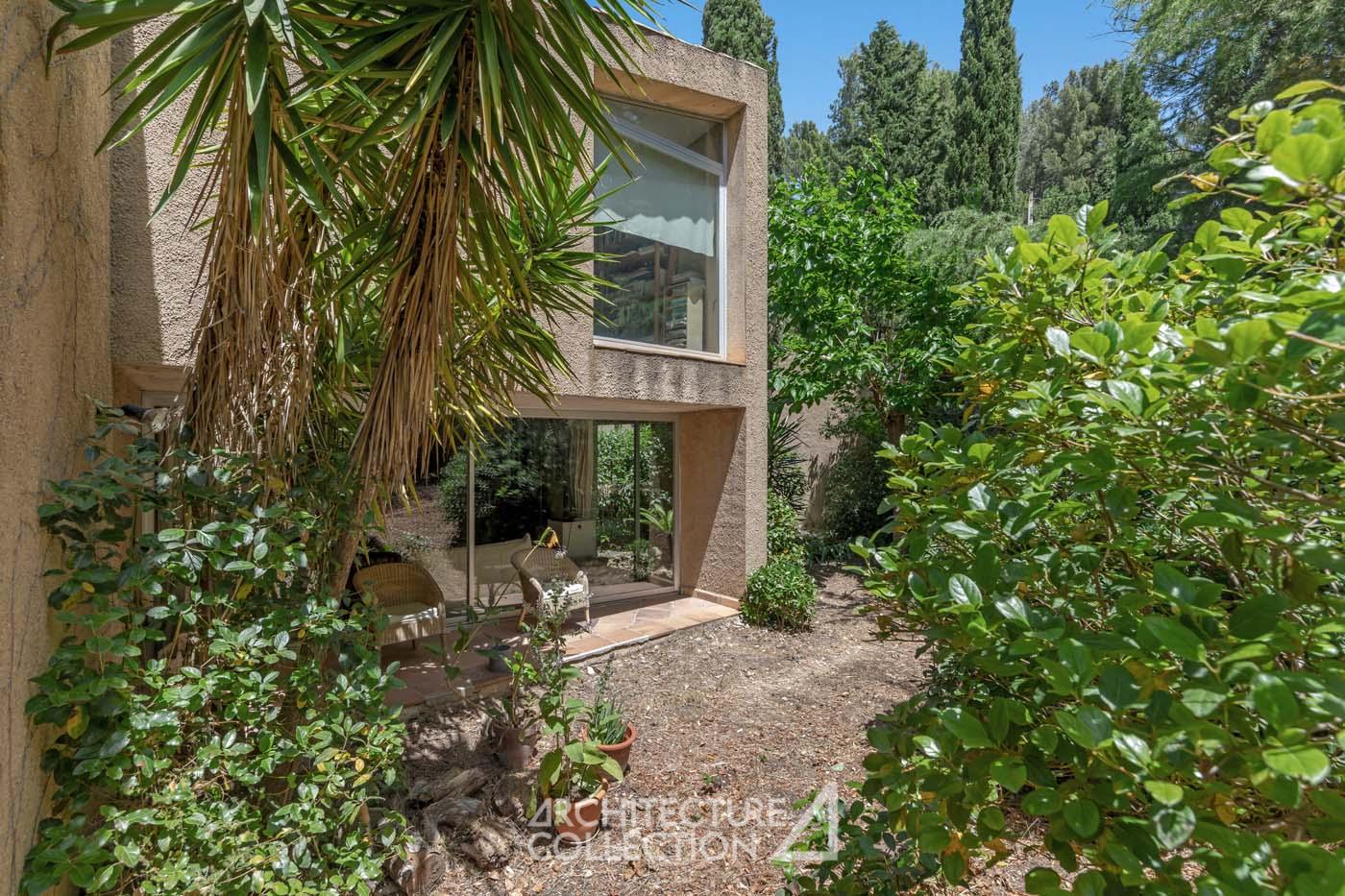
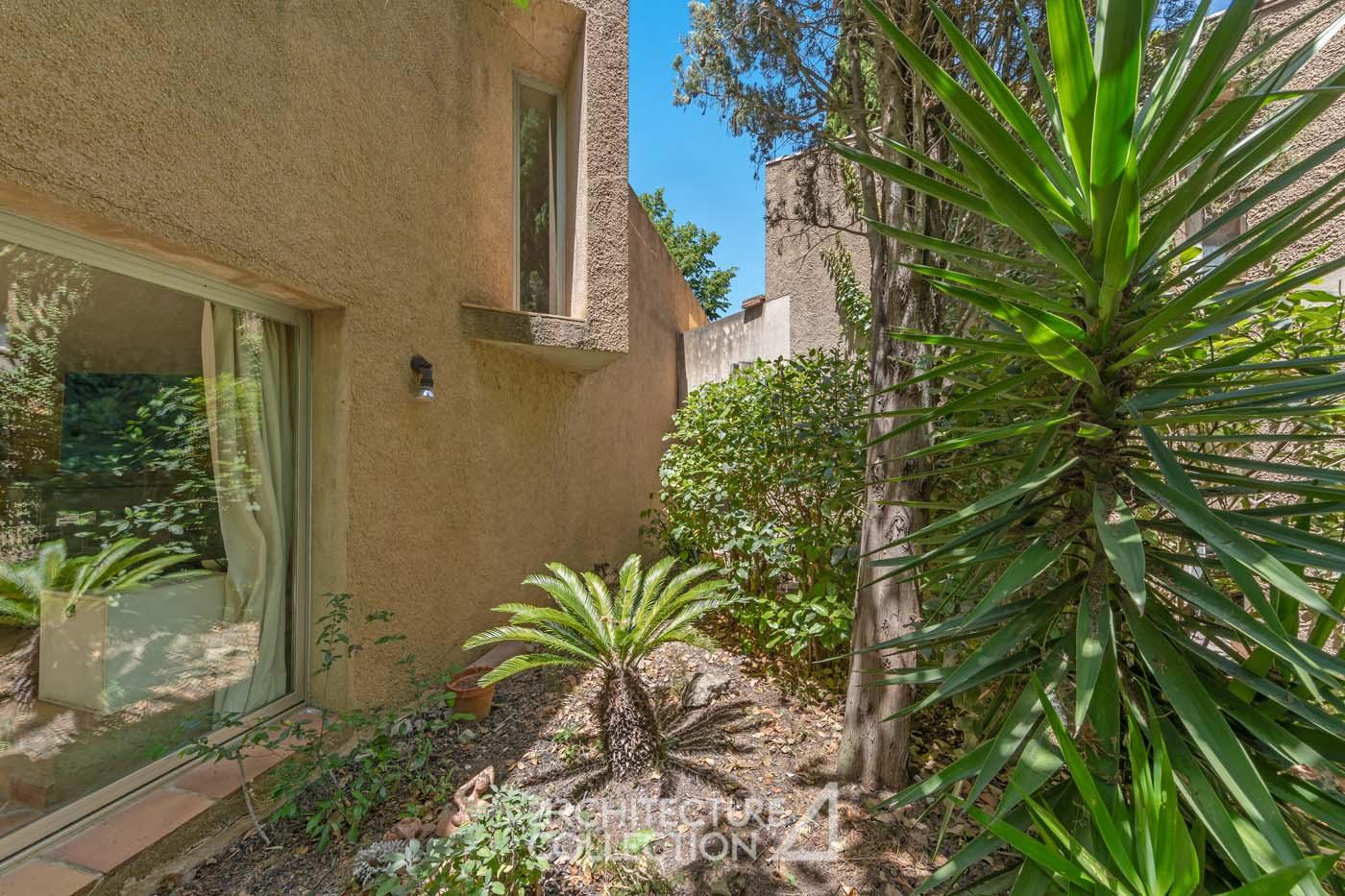
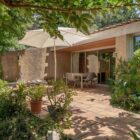
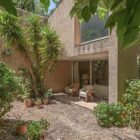
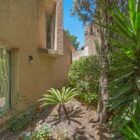
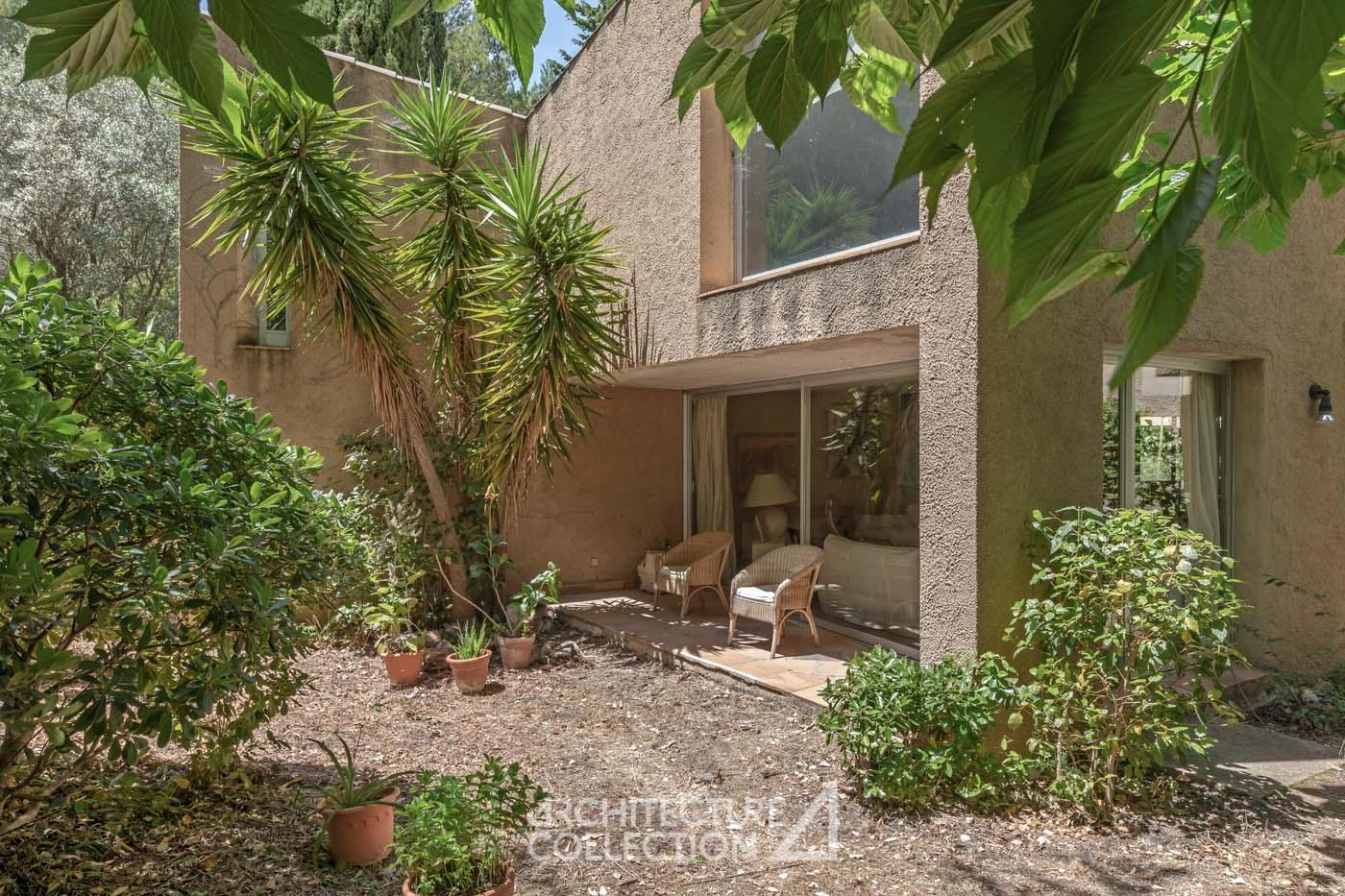
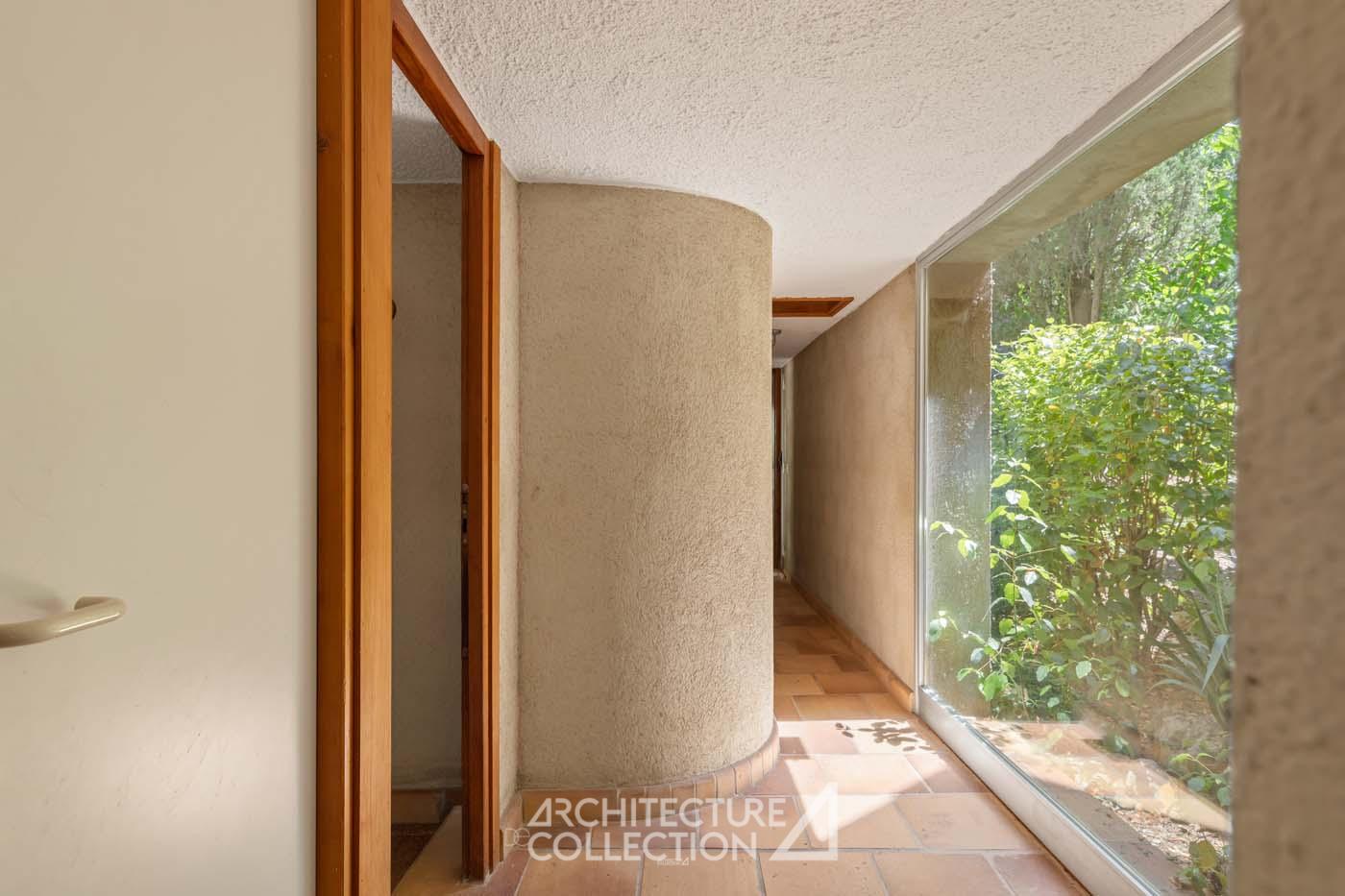
The architect takes advantage of the terraced land to design a building with segmented volumes, largely oriented towards nature. Following in the footsteps of Álvaro Siza, Jean Parente focuses on strongly connecting the building to its natural surroundings. To achieve this, he designs numerous openings onto the garden and pays special attention to the bedrooms’ terraces, which offer privacy and an intimate connection to nature, without overlooking each other.
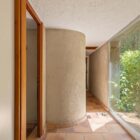
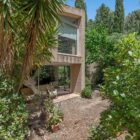
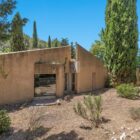
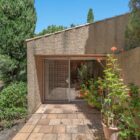
The fragmentation of the building serves this quest, while the play of volumes is accentuated by material choices : the massiveness of ochre-coated concrete, typical of the 1970s-1980s, is highlighted by the transparency of glass and the finesse of Provençal tiles. These choices soften the compact orthogonality to better blend with and inhabit the landscape without imposing on it.


Building permit for La Cadière-d’Azur, © Jean Parente, c. 1980
Jean Parente : a symbiotic architect
Born in 1931 in Toulouse and passed away in 2020, Jean Parente studied at the École Spéciale d’Architecture in Paris alongside Maurice Sauzet. After working with Jean Aubert, André Lefèvre-Devaux, and Jean-Georges Narkisian, he founded his own agency with Claude Vilfour before collaborating with his daughter from 1995. Together, they envisioned architecture as a hybrid object that must be both modern and deeply rooted in its context and history. The architect designed holiday villages in Sainte-Maxime, villas, and public infrastructure. With Maurice Sauzet, he worked with Jean Prouvé on the Villa Seynave project.
“Jean Parente prioritizes the harmony of the Provençal landscape in its forms and materials while opting for a resolutely modern approach.”
Pascale Bartoli, architect DPLG, doctor of architecture
Infos techniques
Asking price : 1 150 000 €
Seller pays the agency fees.
Property tax : 811 €
Heating : not specified
Information on the risks to which this property is exposed is available on the Géorisques website: www.georisques.gouv.fr
© Texts Architecture de Collection
© Photos Marion Sacco
© Pascale Bartoli, Jean Parente, architecte : un parcours moderne 1960-1990, catalogue d’exposition, Éditions CAUE du Var, Toulon 2017, 44 p. 2017
DPE in progress