


Description
A renovation opportunity in a Jean Ginsberg masterpiece
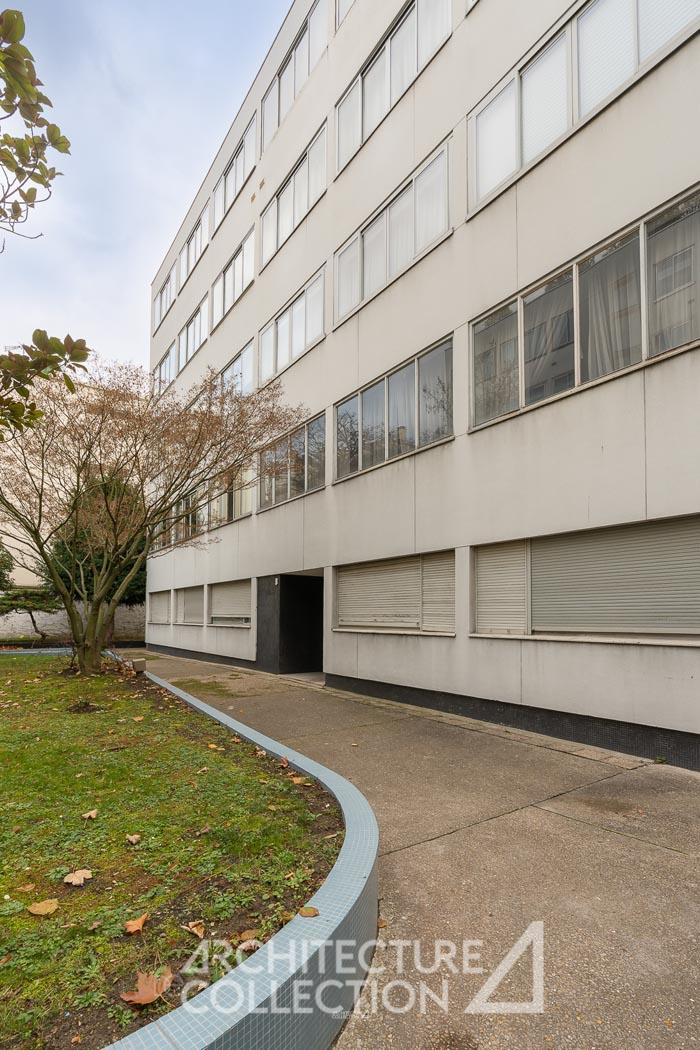
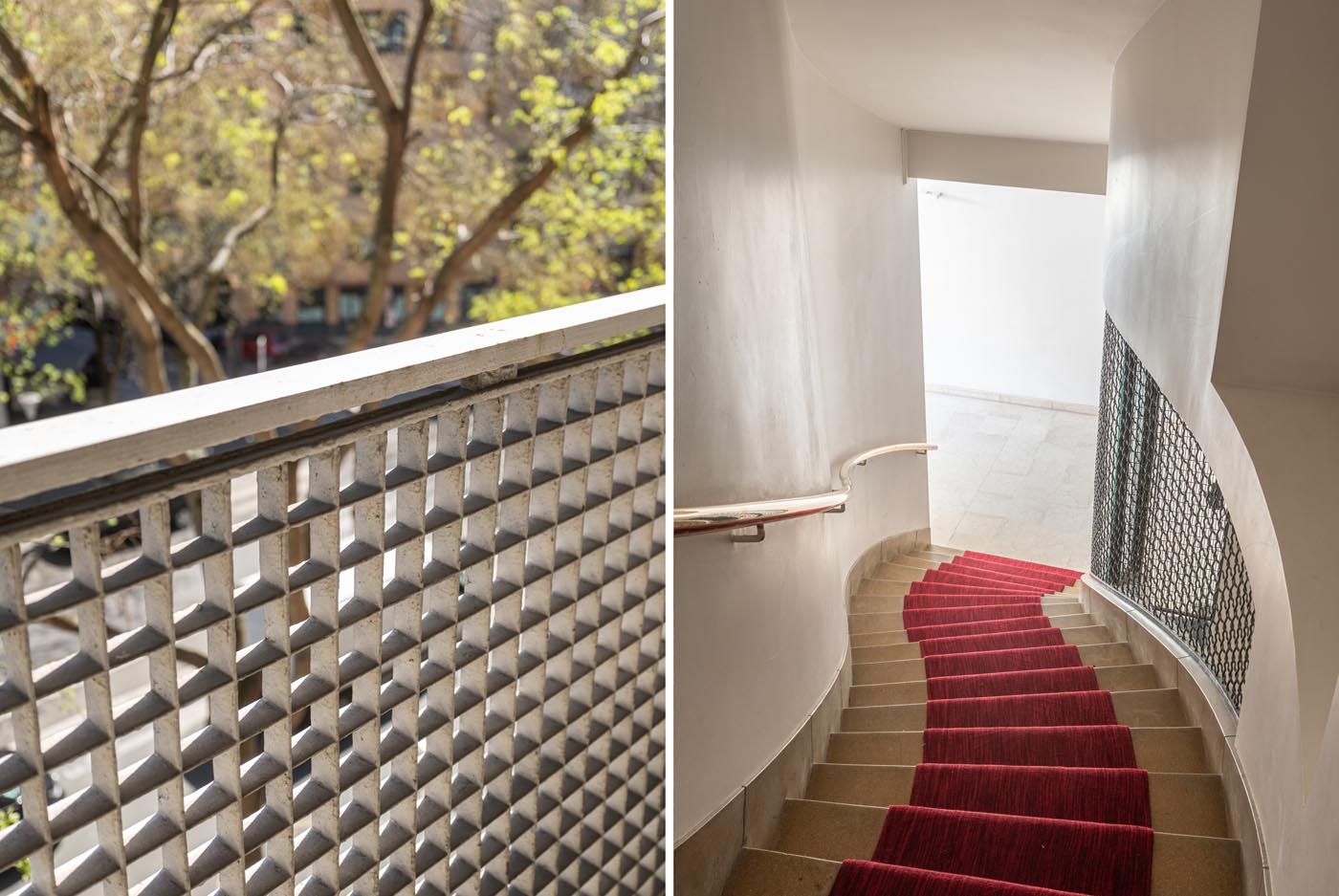
This stunning modernist building, designed by architects Jean Ginsberg and François Heep in 1934, is a total work of art. The architects meticulously crafted every detail, from the lighting fixtures to the door handles.
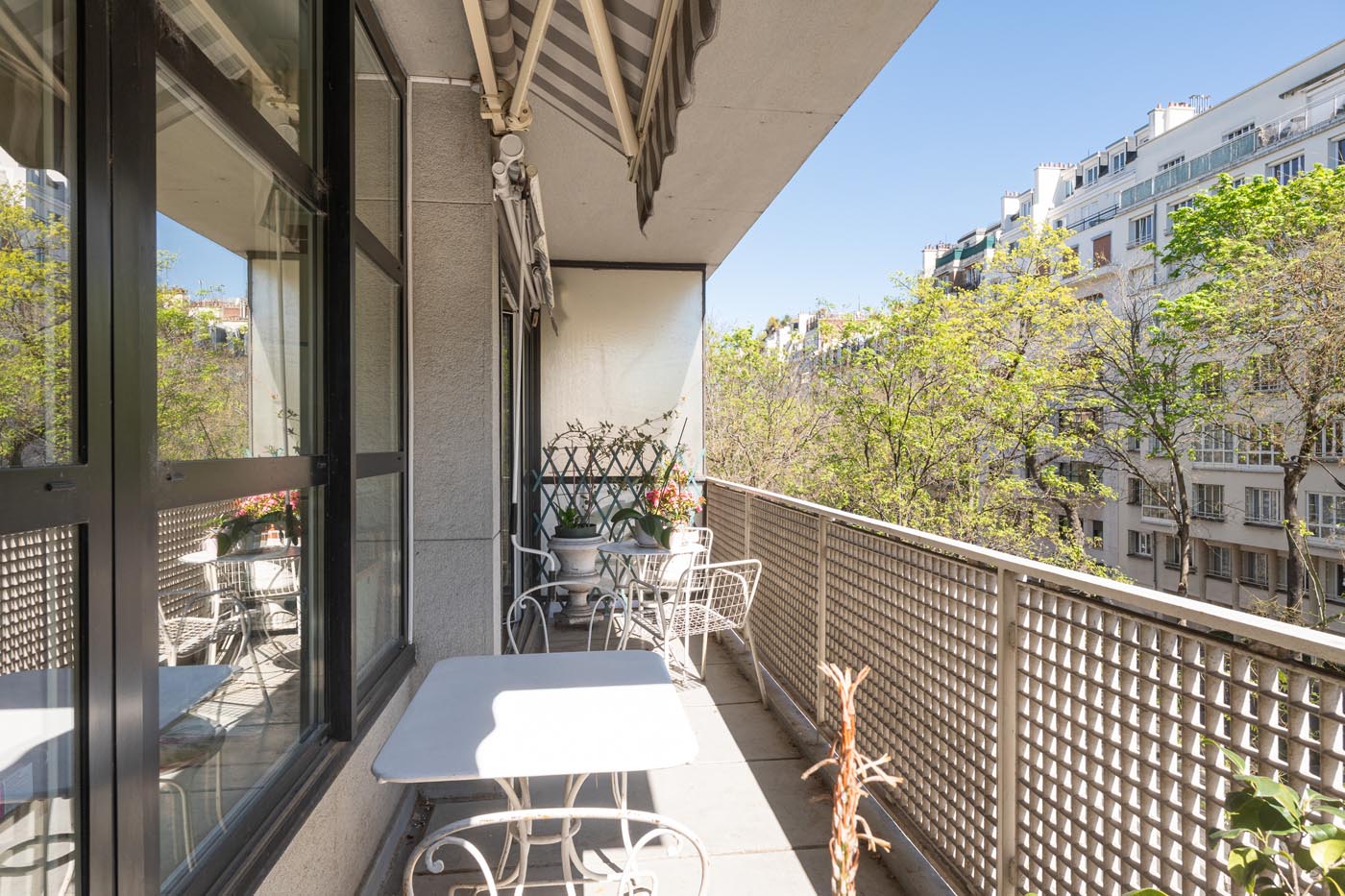
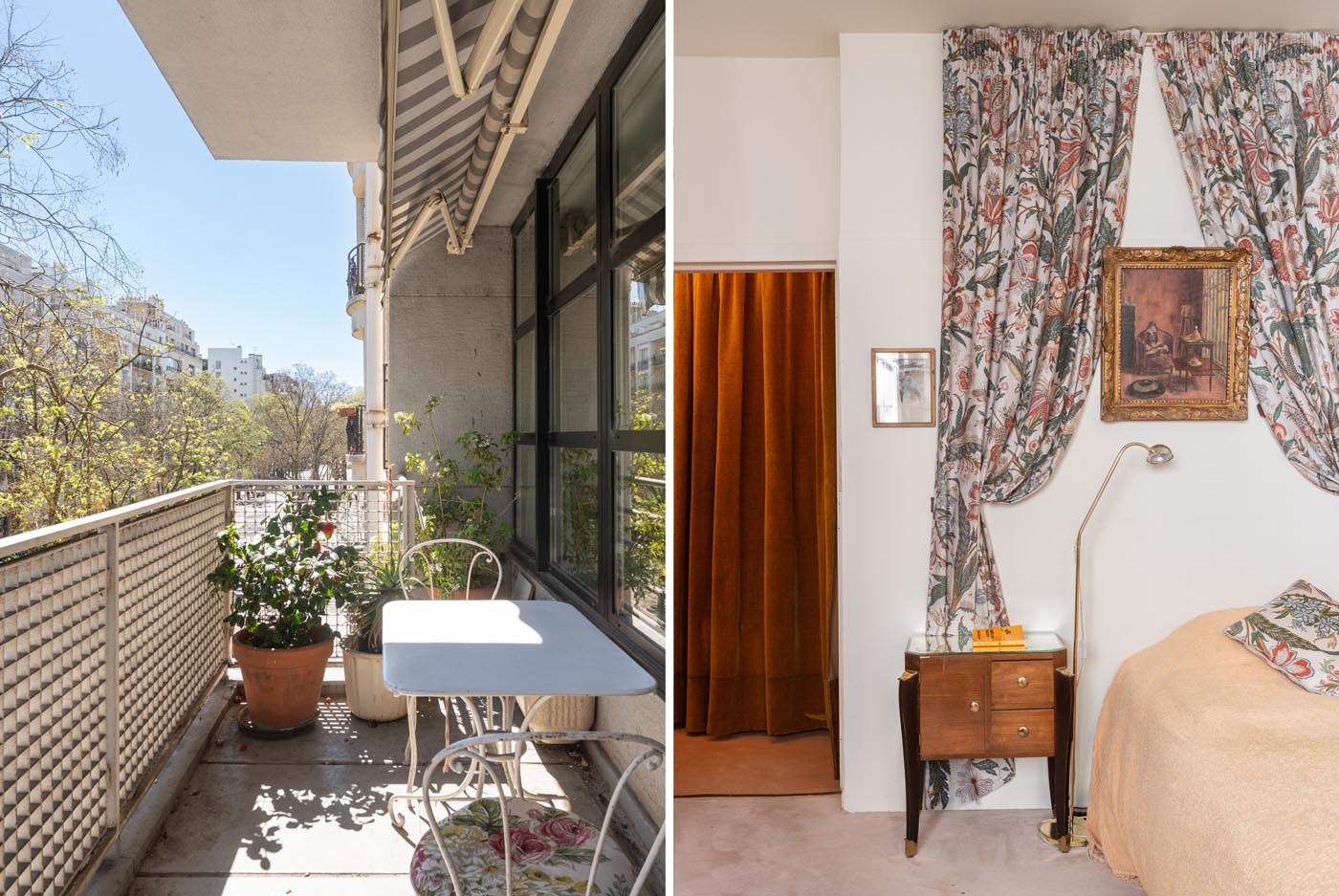
Facing southwest, this apartment spans 73.70 m² (Carrez Law) and features a nearly 9 m² balcony.
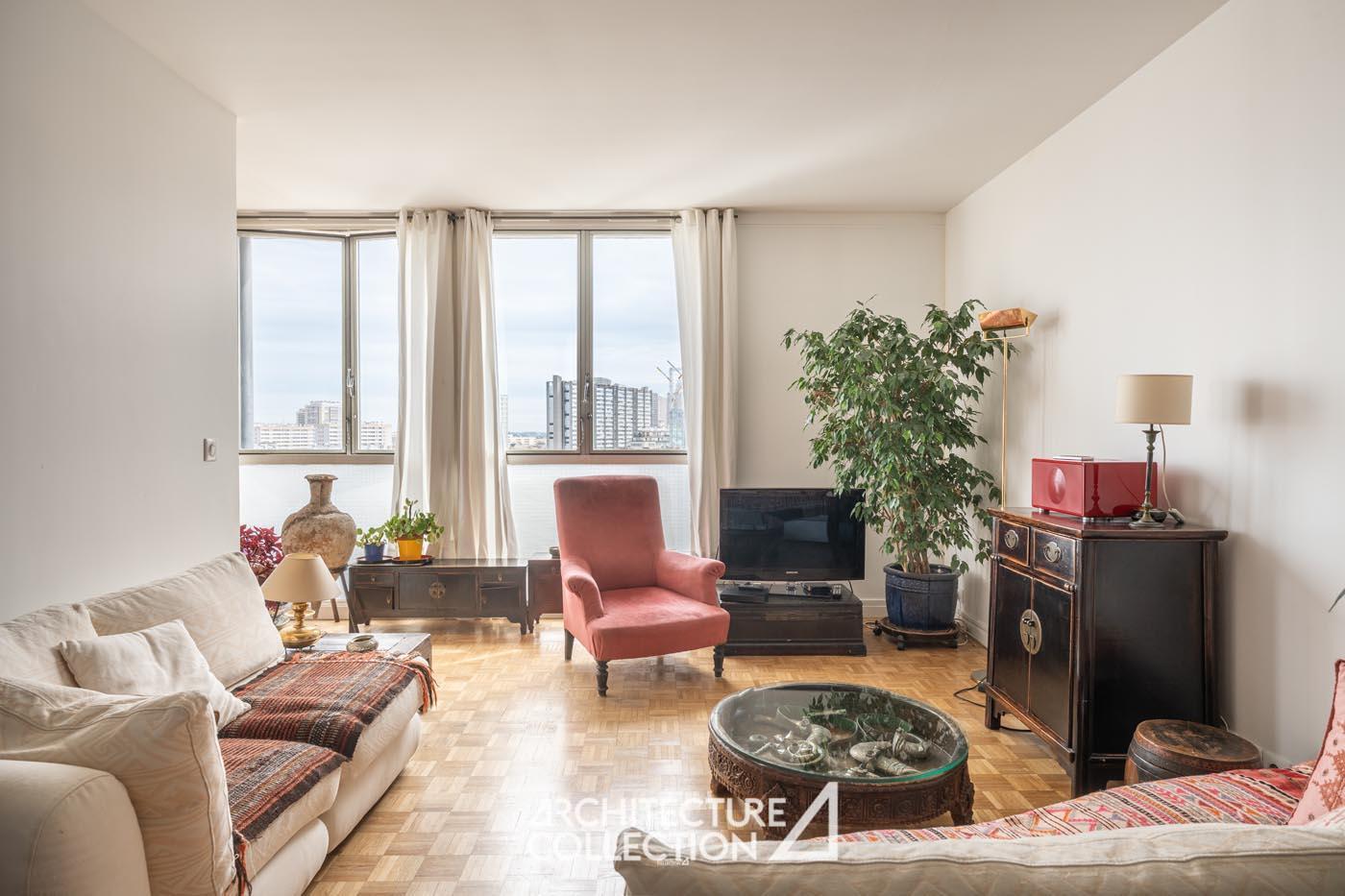
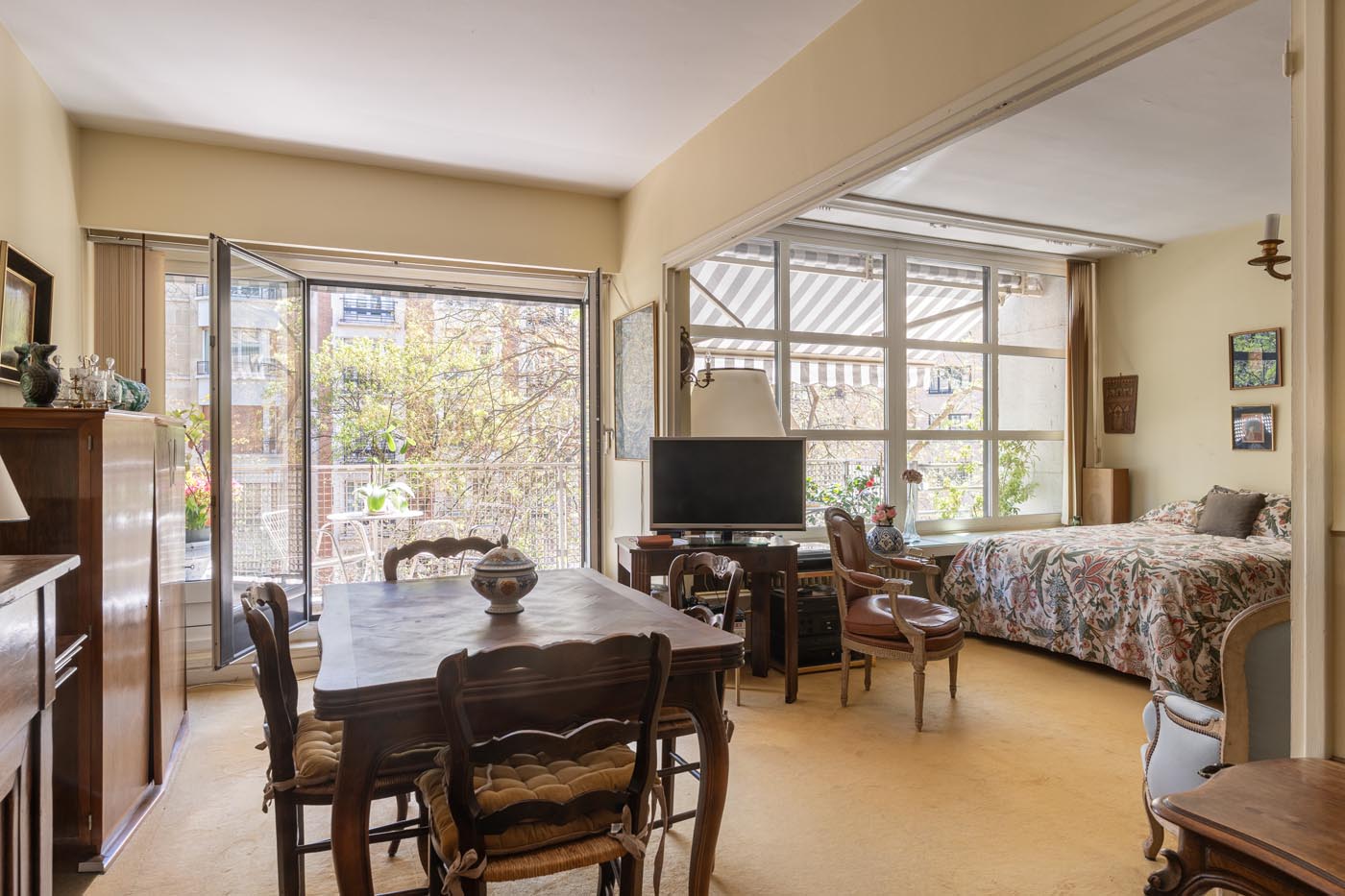
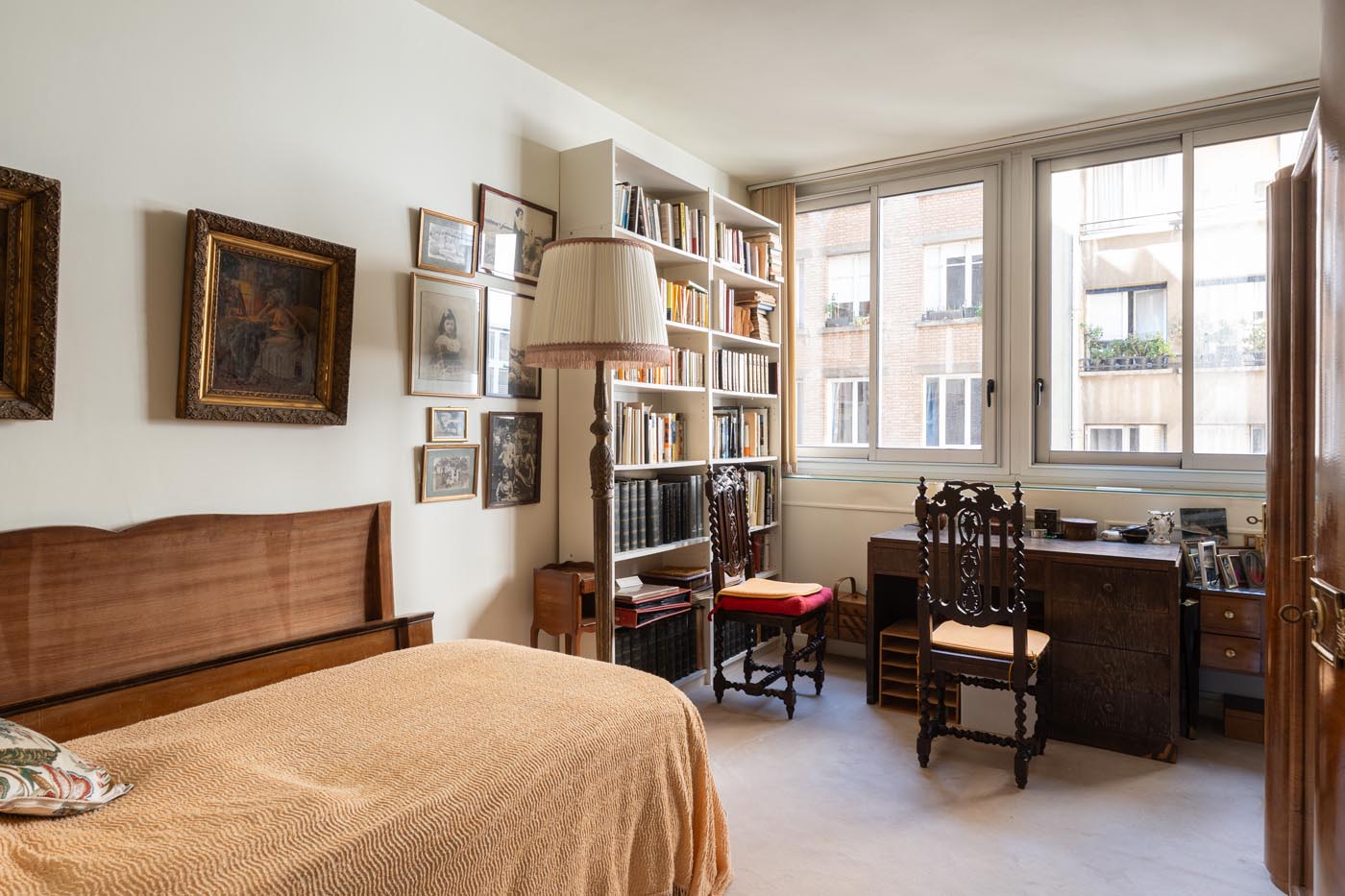
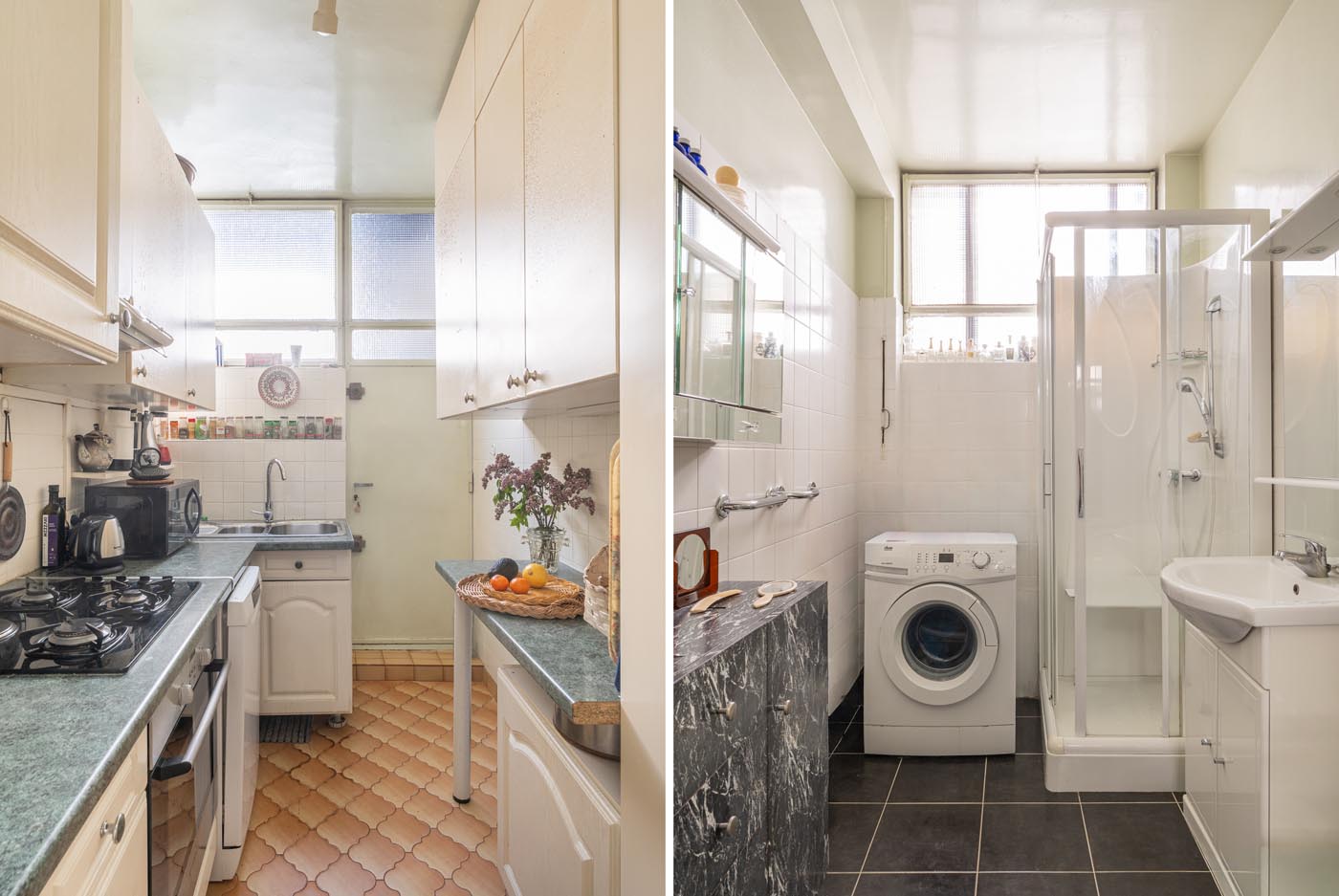
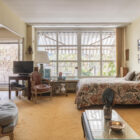
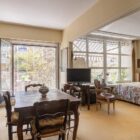
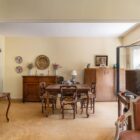
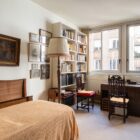
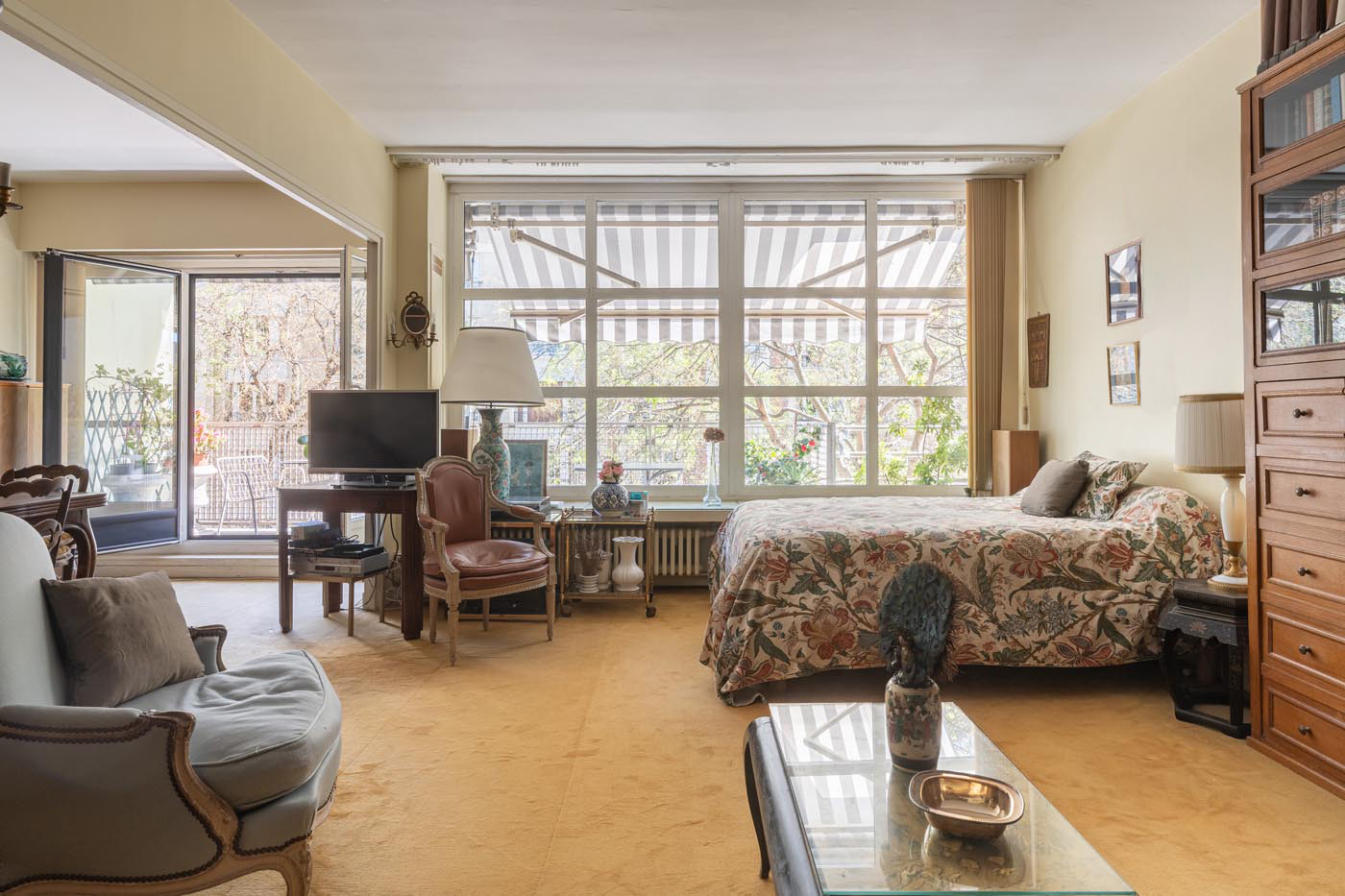
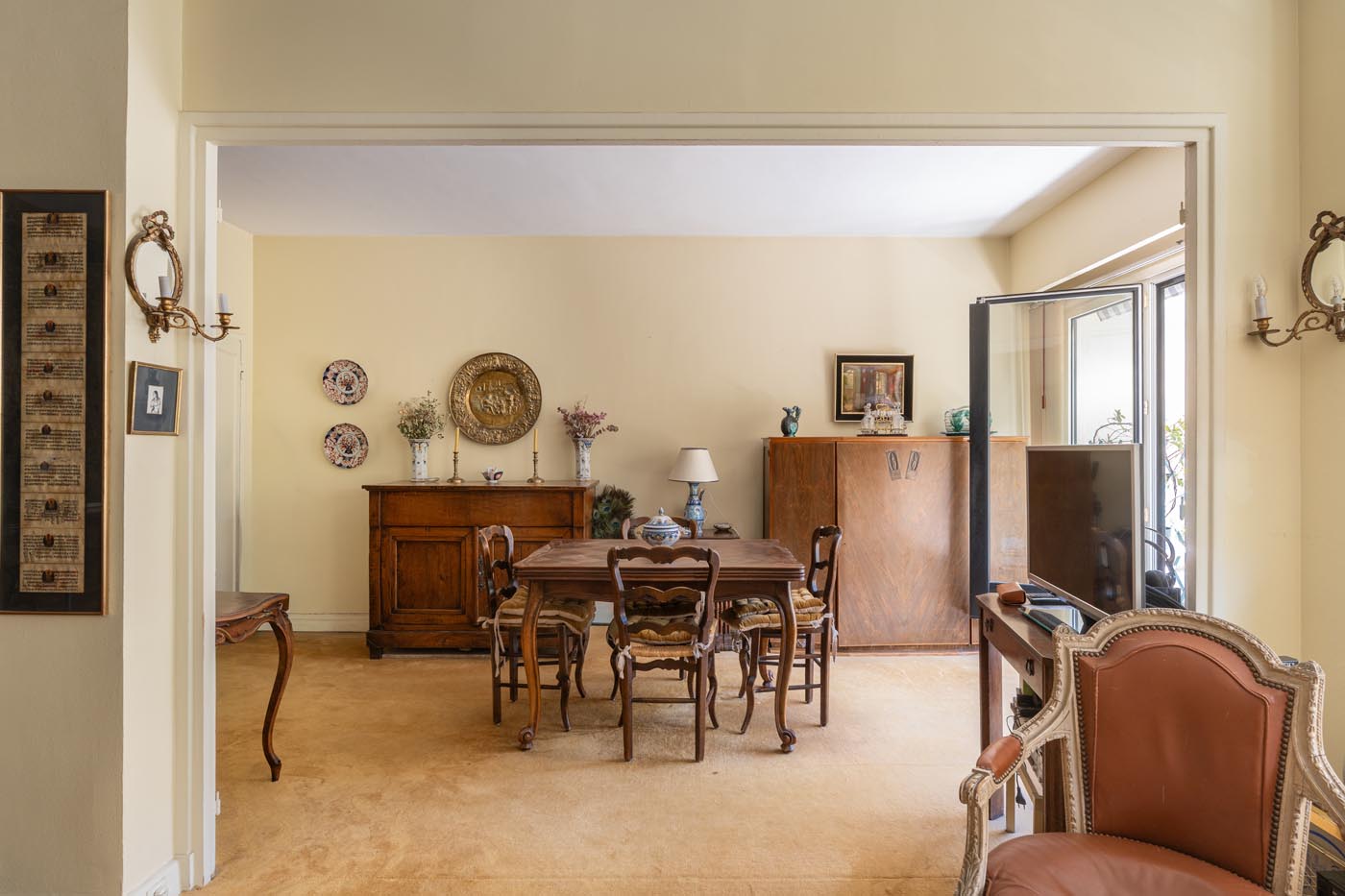
The layout includes an entrance hall, a living and dining area of nearly 40 m², and a separate, equipped kitchen with a service entrance. The apartment also offers a 13 m² bedroom overlooking the courtyard and a shower room with a toilet.
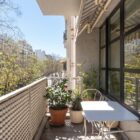
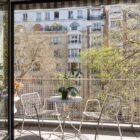
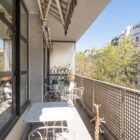
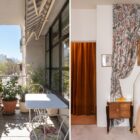
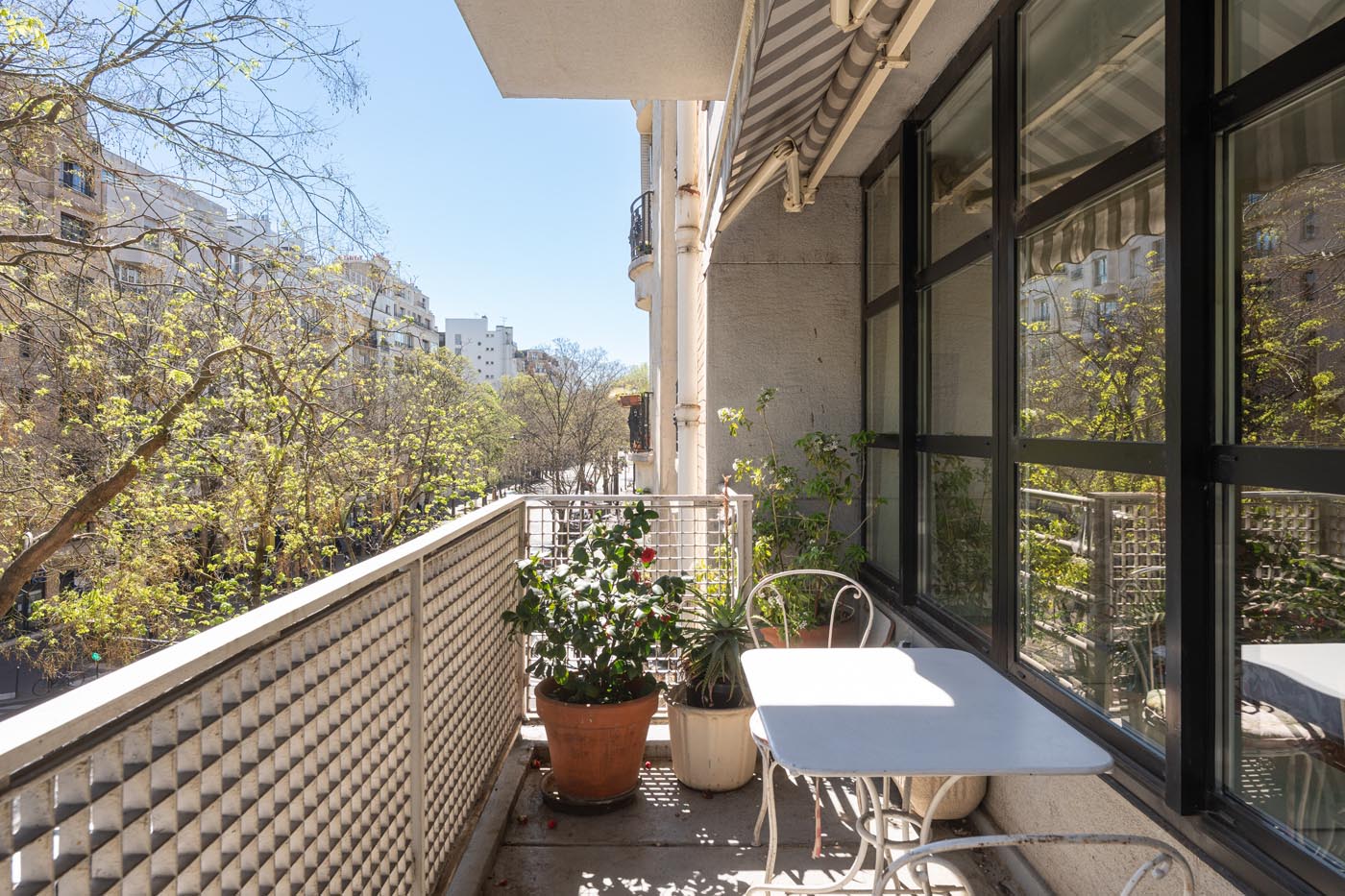
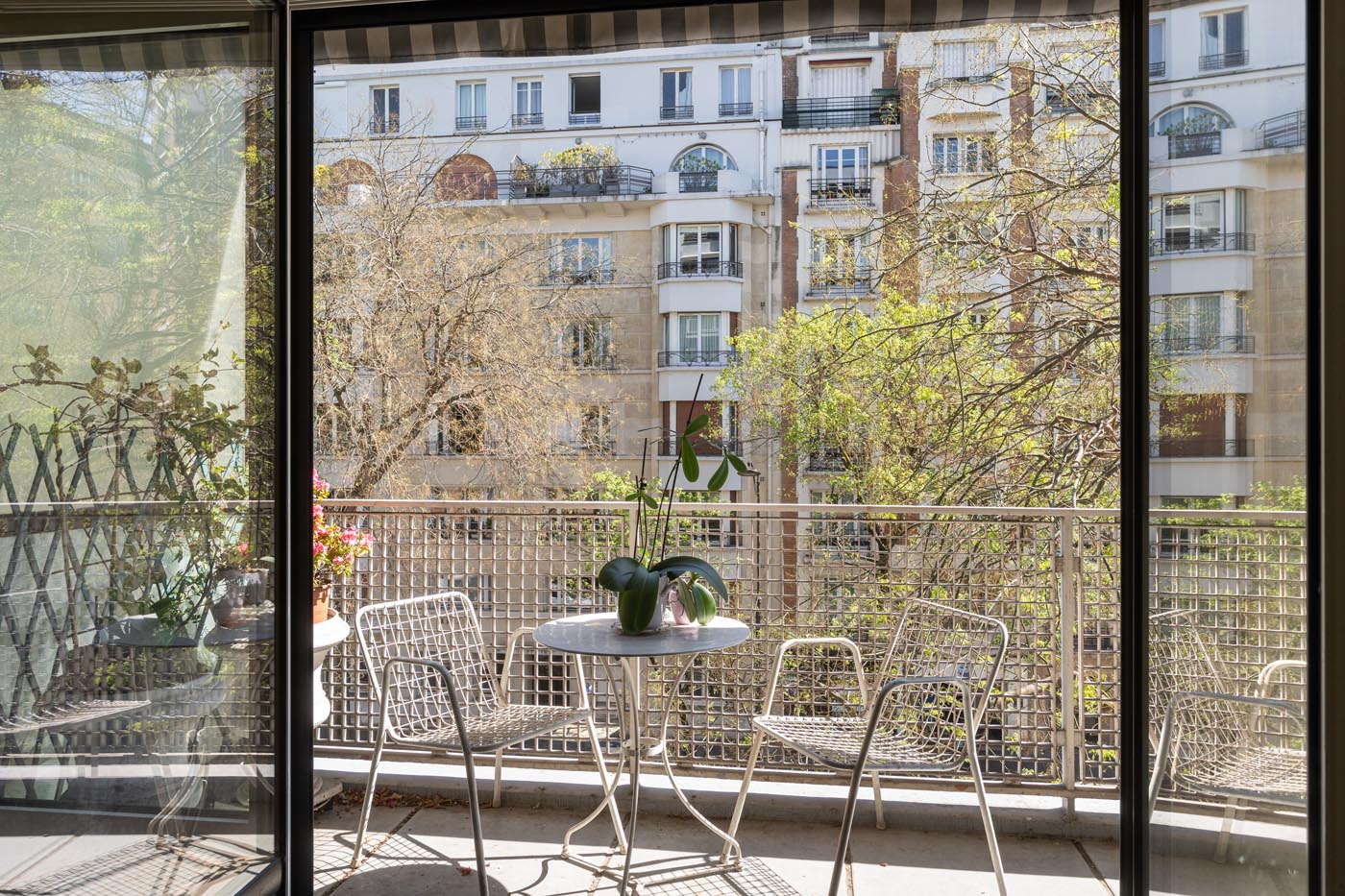
Bathed in sunlight thanks to a ribbon skylight, the living area opens onto a pleasant 8.86 m² balcony, bordered by a perforated metal railing and shaded by a retractable awning.
A cellar completes the property.
The building is located in the southern part of the 16th arrondissement, just steps from the Seine River and the Beaugrenelle shopping center. It is served by Metro Line 10 at Mirabeau or Église d’Auteuil stations.
A modern reinterpretation of the rotunda building
As Jean Ginsberg’s second Parisian project, this reinforced concrete building, clad in stone, reinterprets the classic Parisian rotunda. The usual rounded corner takes the form of a smooth cylinder, punctuated by horizontal skylights and topped with a landscaped terrace. On either side of the cylinder, the two facades present contrasting geometries : one is solid and massive, with ribbon windows, while the other is open and airy, featuring continuous balconies.
Originally, the building included staff quarters, a caretaker’s apartment, and a ground-floor shop. The rest of the building housed studios and three-room apartments, except for the 7th floor, where Jean Ginsberg established his architecture studio and personal residence. The top two floors were occupied by a duplex penthouse.

Jean Ginsberg, a modernist architect
Born in Poland, Jean Ginsberg (1905-1983) was part of the first generation of modernist architects trained by Robert Mallet-Stevens and Le Corbusier. He studied architecture in France at the École Spéciale d’Architecture, where Robert Mallet-Stevens taught, and later joined Joseph Marrast’s studio at the École des Beaux-Arts. After completing his studies, he briefly worked with Le Corbusier and André Lurçat before opening his own firm in 1930. His training under avant-garde figures deeply influenced his work, both aesthetically and structurally.
The buildings he designed in Paris for affluent clients combined modern facades with new standards of comfort. In the 16th arrondissement, he created several buildings that boldly embraced modernity, in collaboration with François Heep.
Technical informations
Asking price : 795 000 €
Agency fees are the responsibility of the seller.
Proprety tax : NC
Co-ownership : 36 units
Annual share of common charges : NC
Heating : district heating network
Information on the risks to which this property is exposed is available on the Géorisques website : www.georisques.gouv.fr
© Texts & photos Architecture de Collection
Energy performance certificate : E – Greenhouse gas emissions : E
Average energy costs (including subscriptions) based on 2021 rates : between 1 680 € and 2 310 € per year.