









Description
Open-sky living in a Parisian Historic Monument
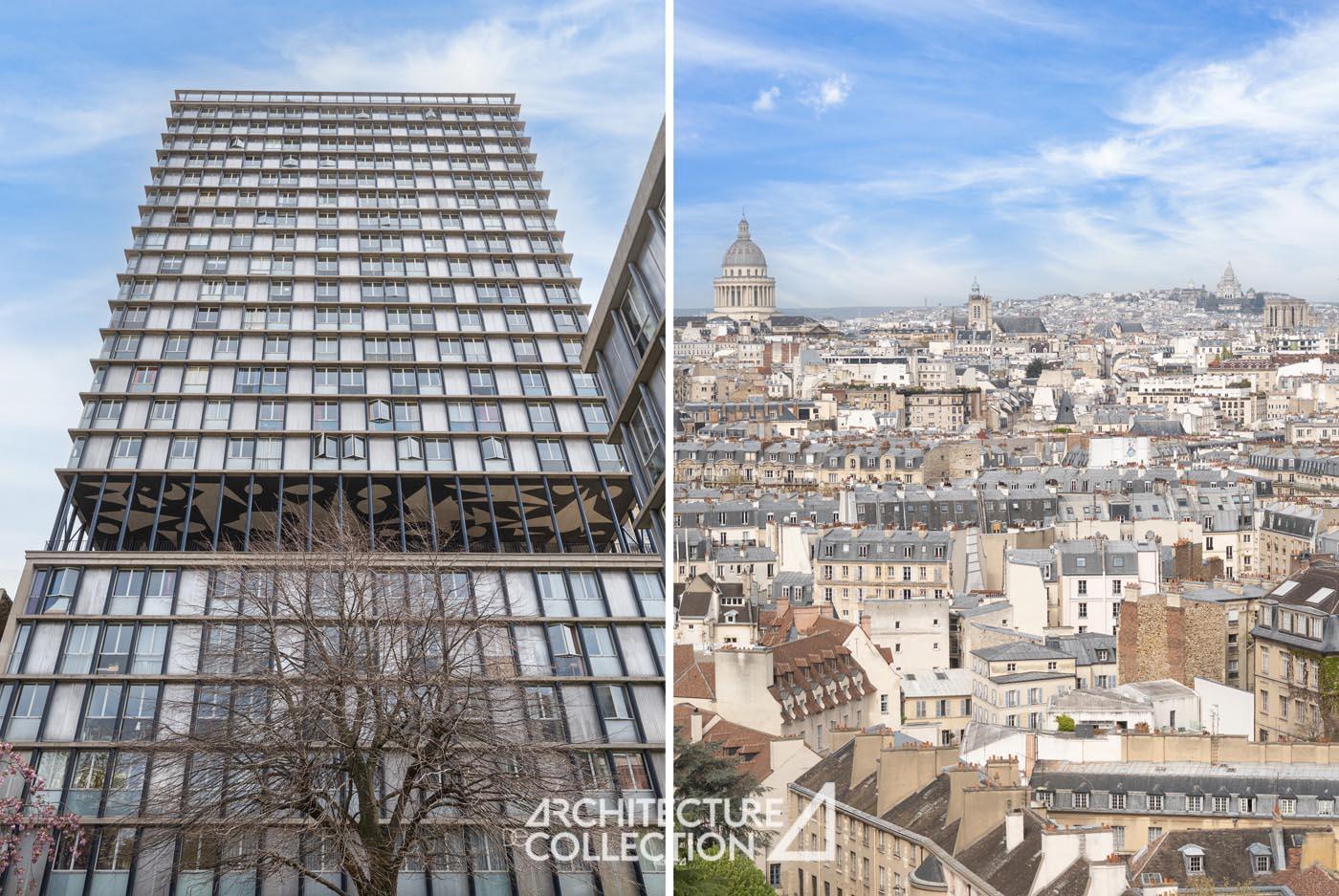
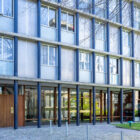
The first residential “skyscraper” in Paris, this tower was built by Édouard Albert in 1960 and is an icon of modern architecture in France. Renowned for both its aesthetic appeal and structural ingenuity, a tubular steel framework developed by Édouard Albert, it is listed as a Historic Monument.
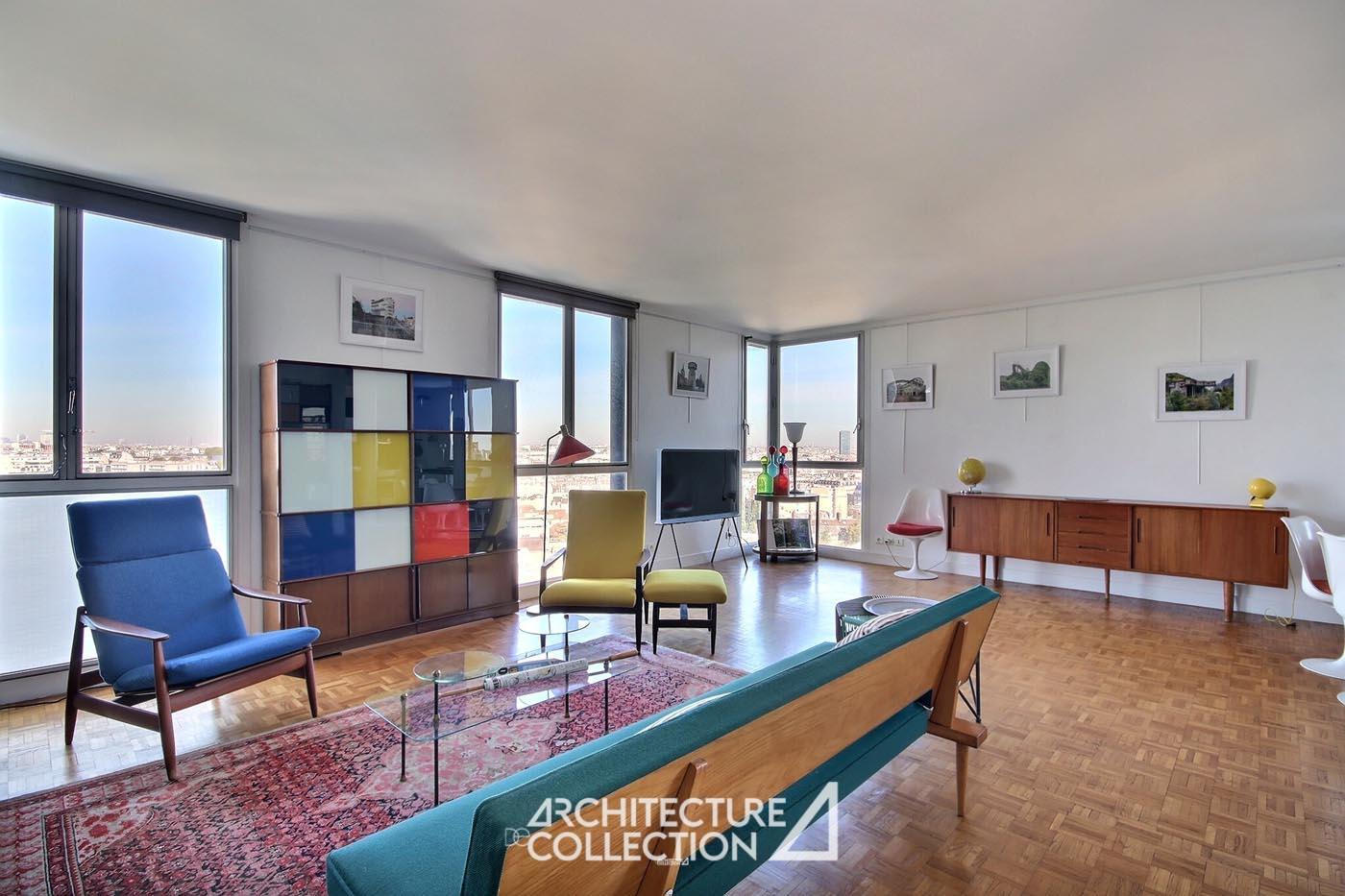
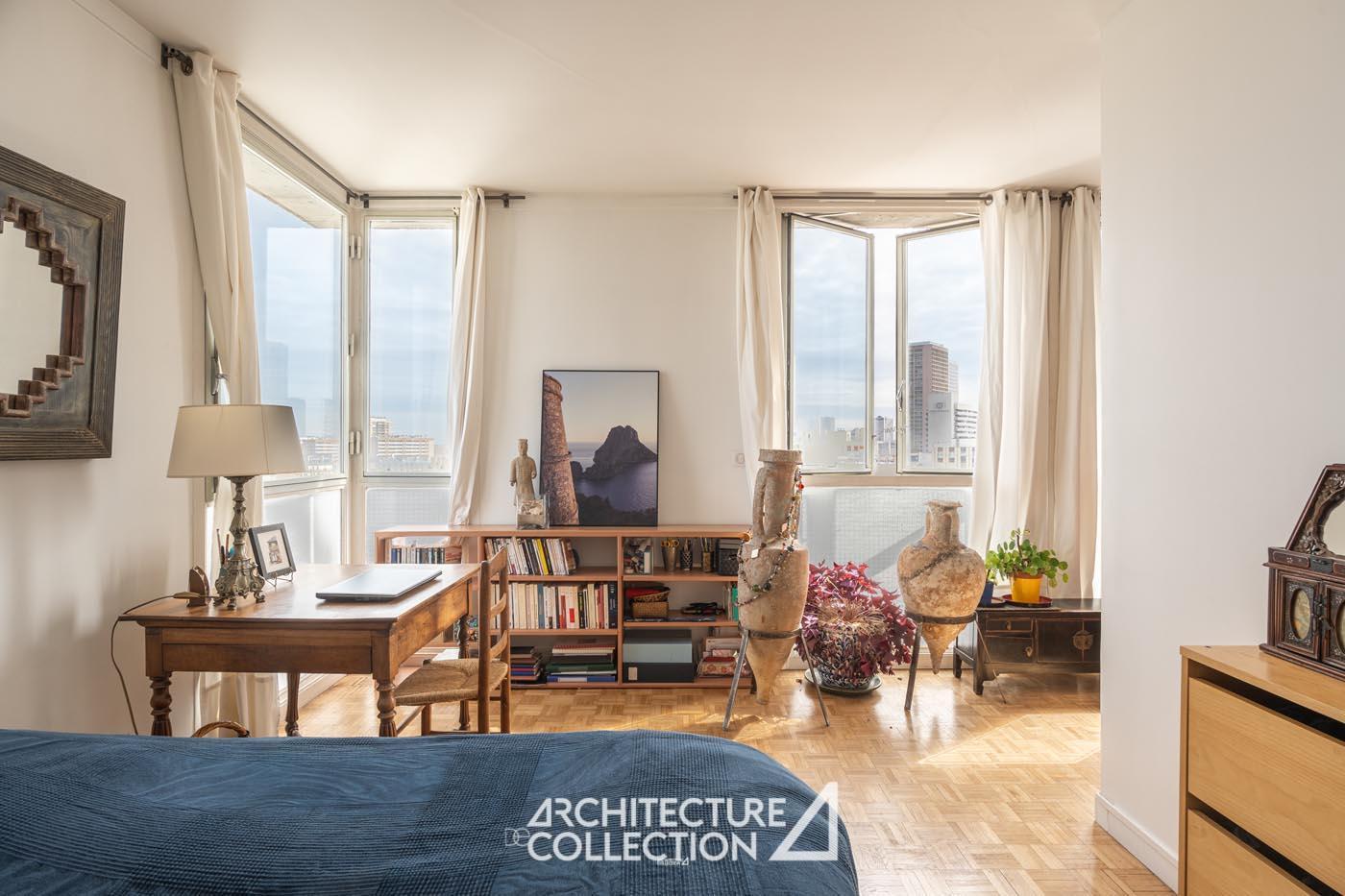
Located on the 17th floor of the tower, this apartment offers 82 sqm of living space (Carrez law).
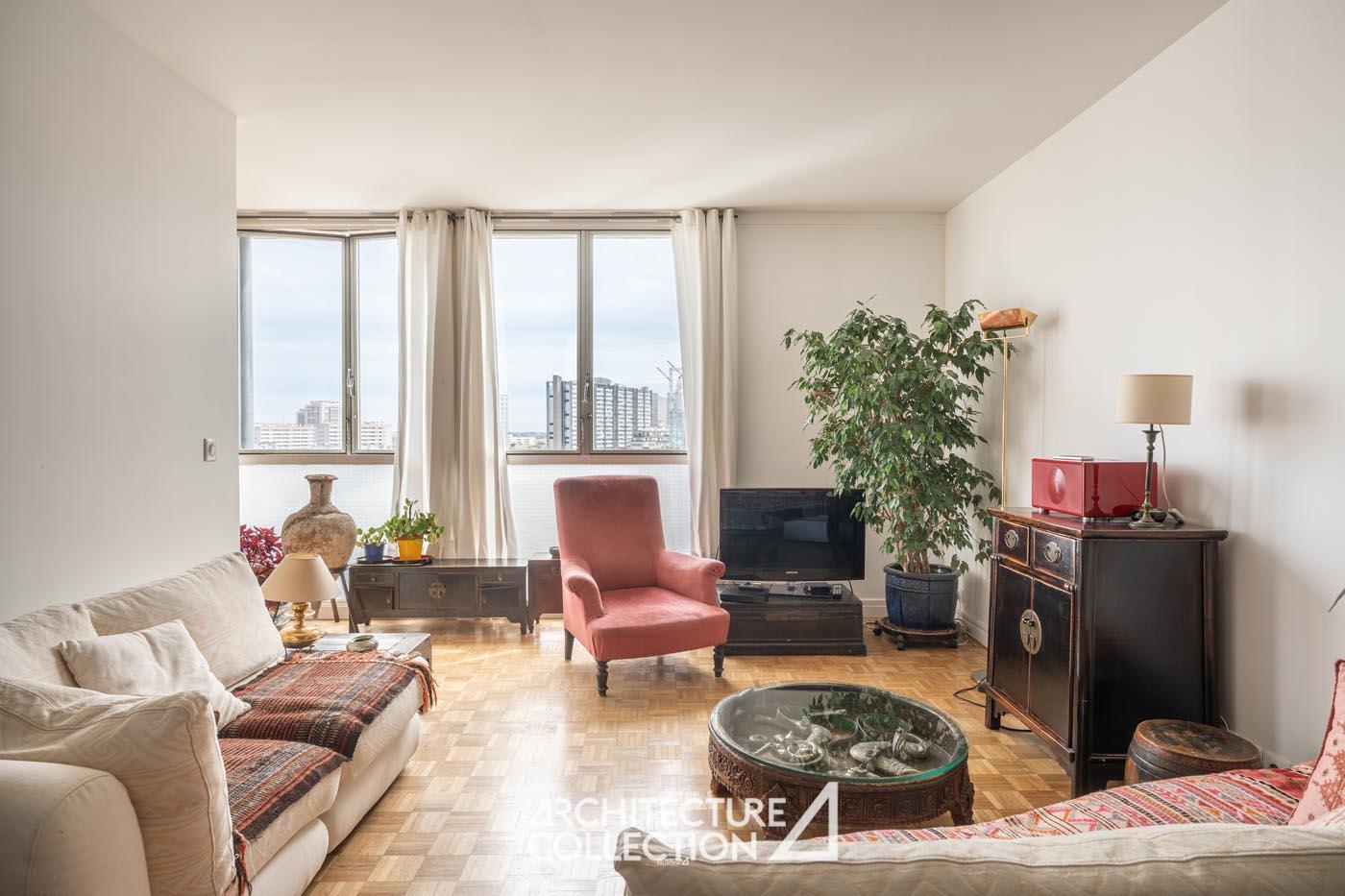
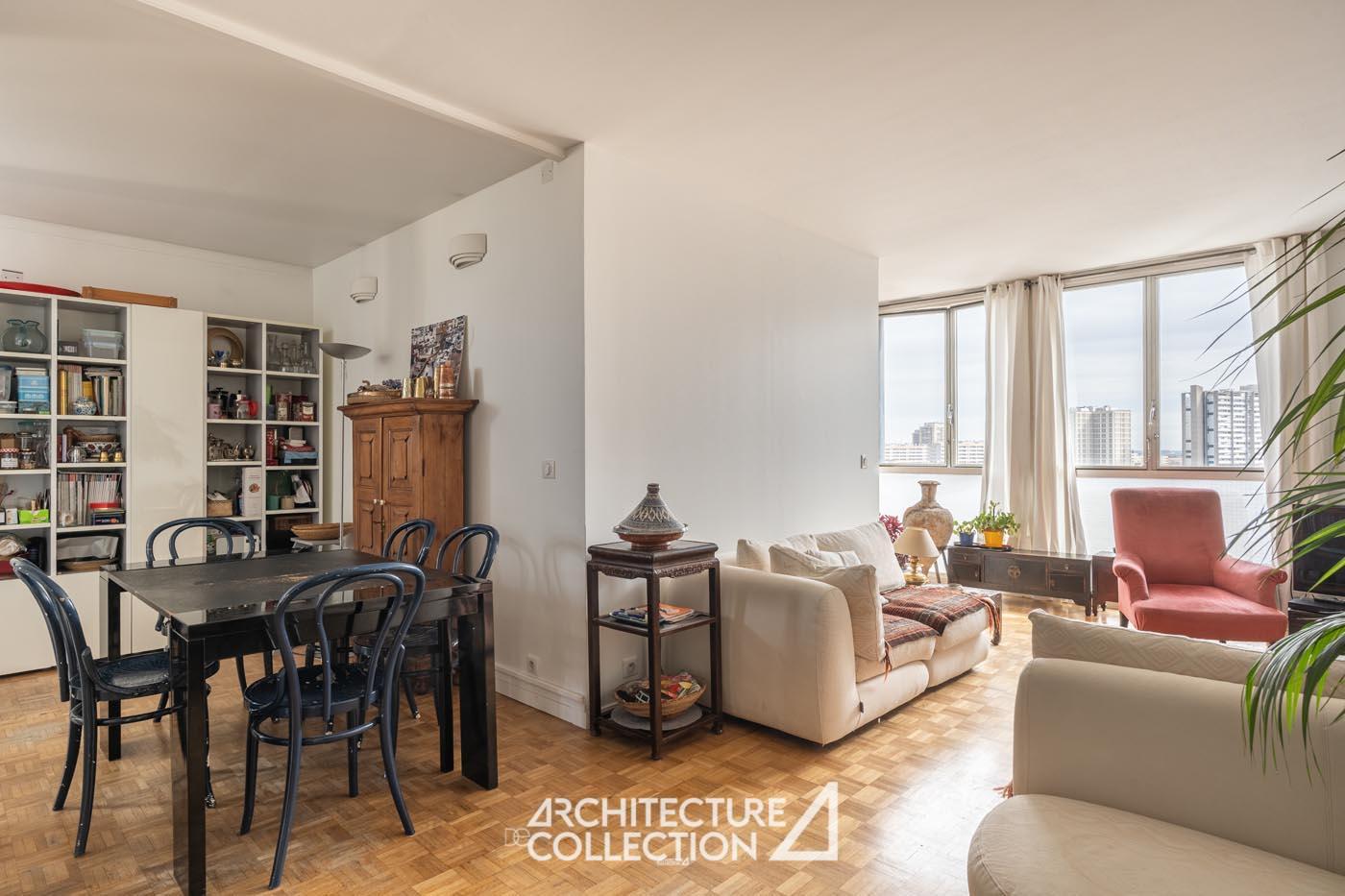
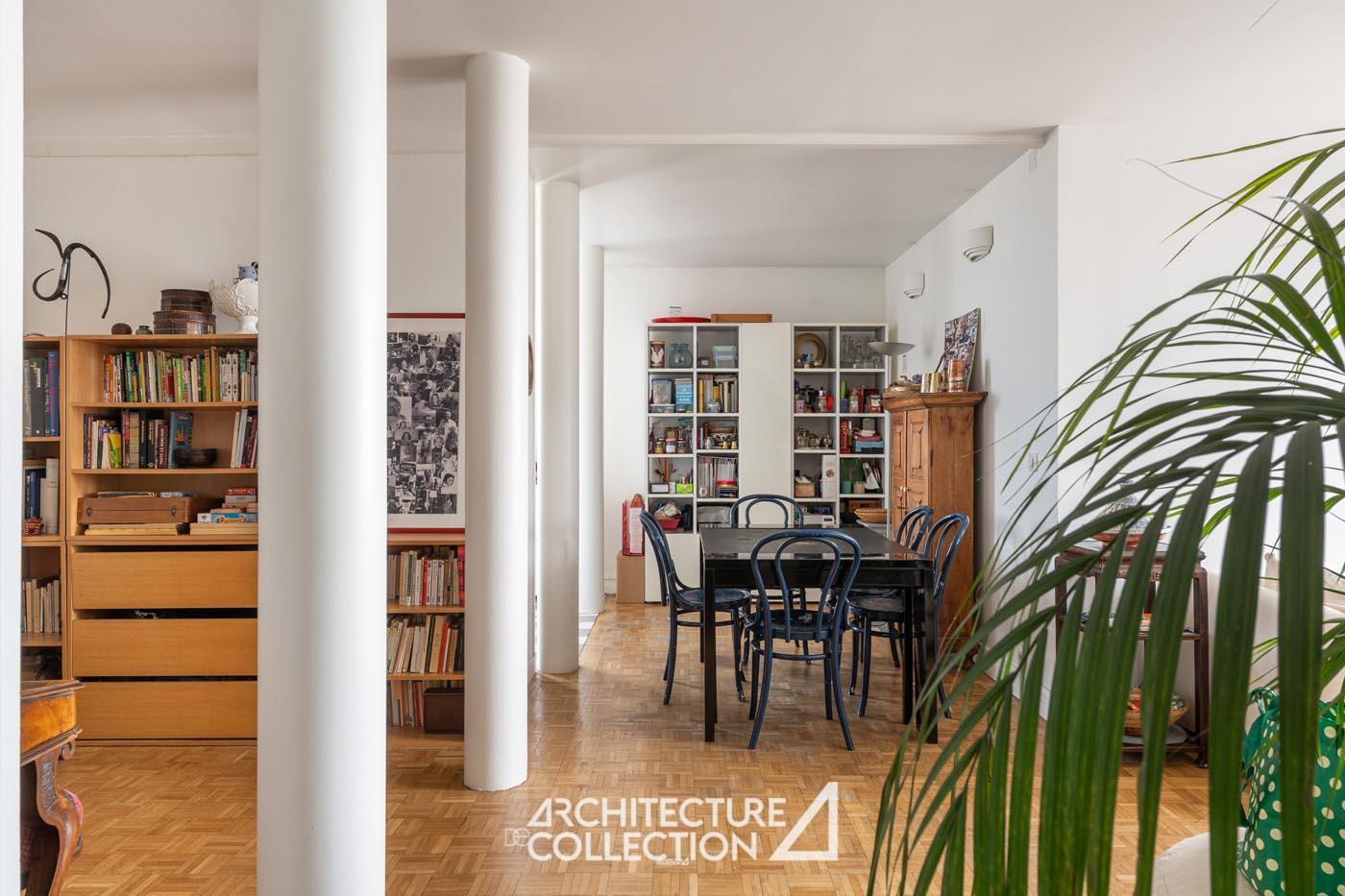
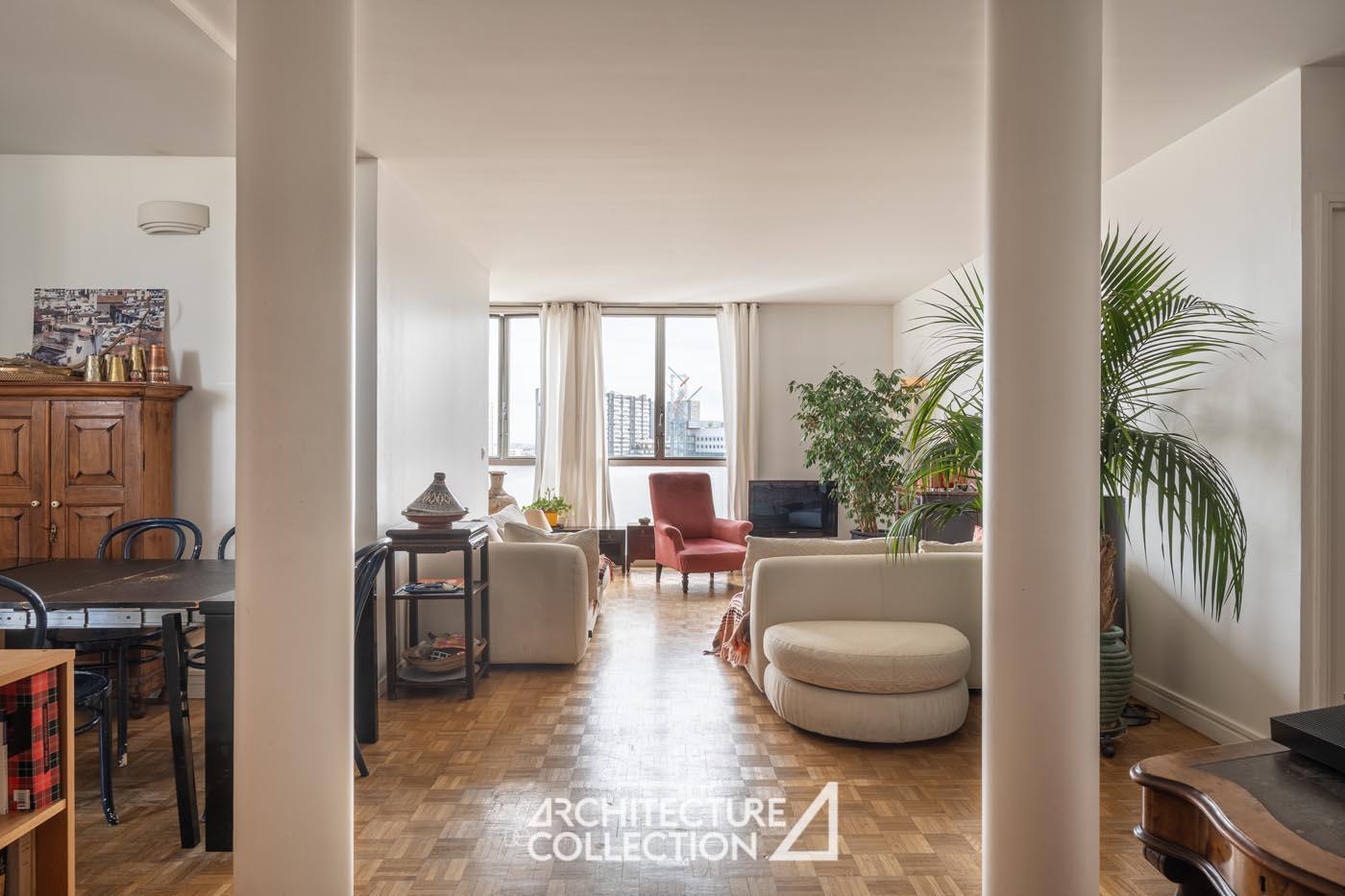
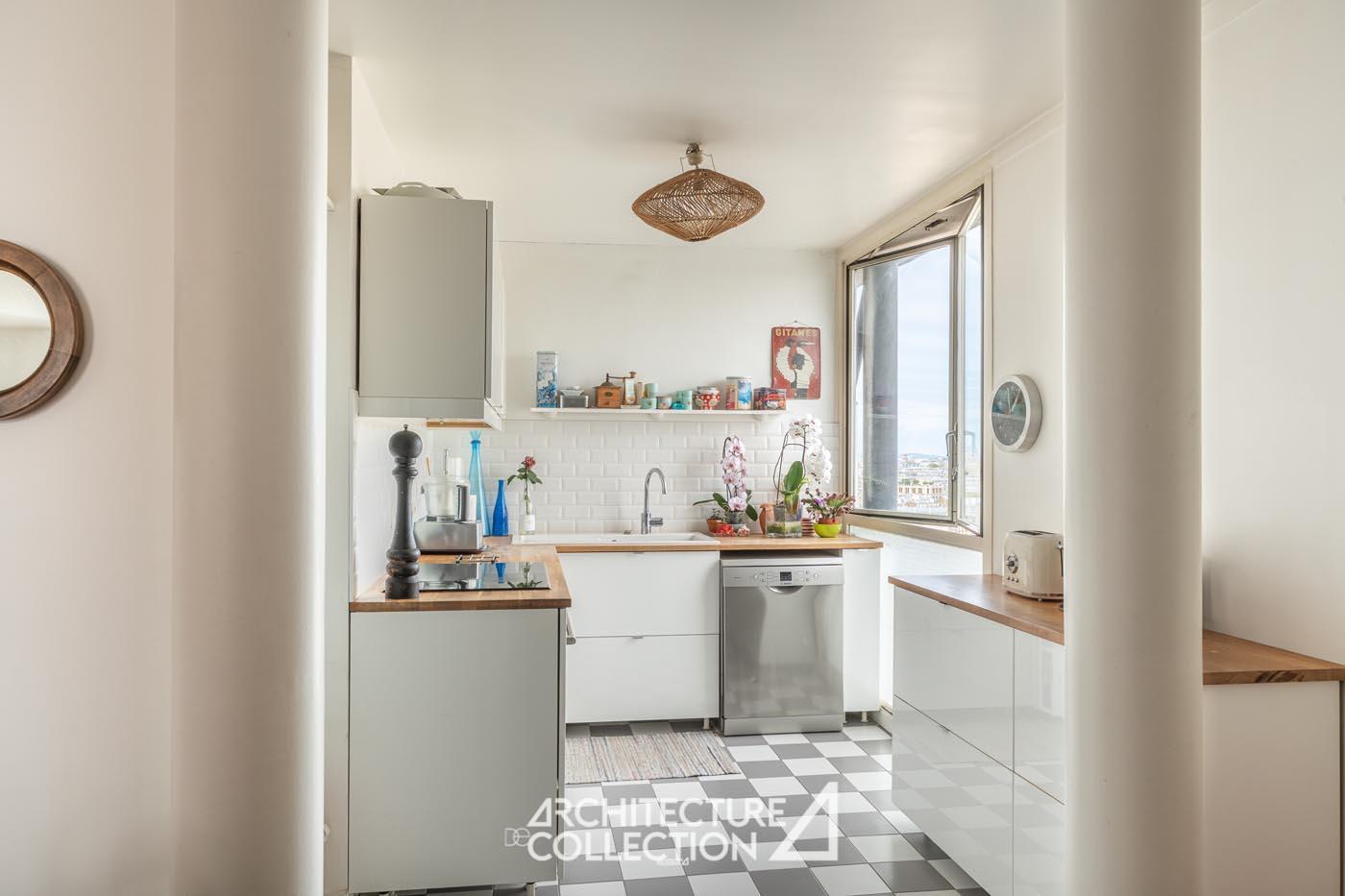
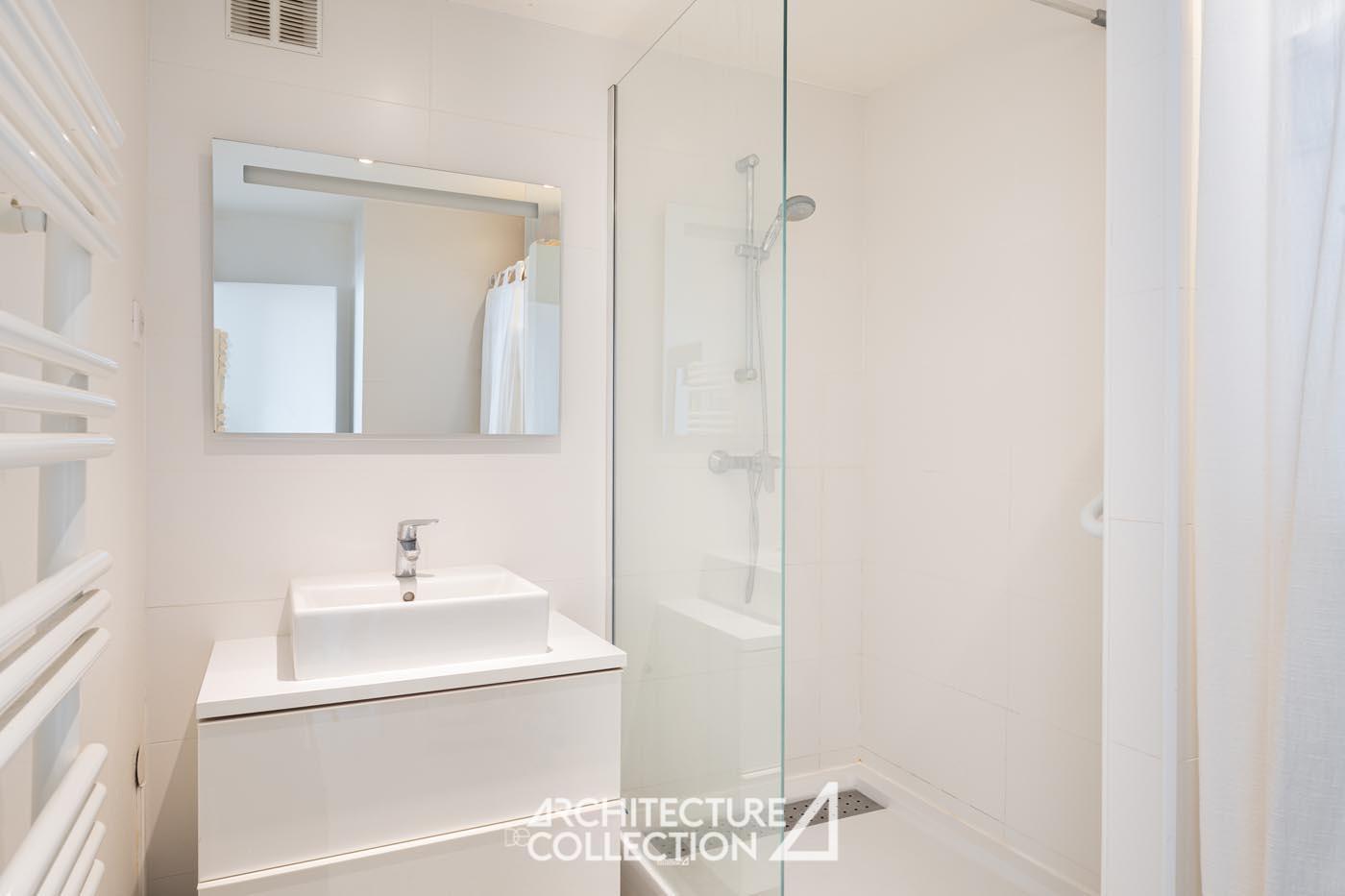
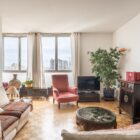
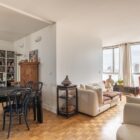
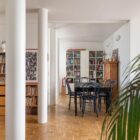
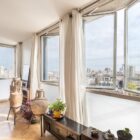
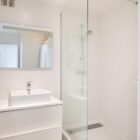
The entrance opens onto a spacious open-plan living area with a lounge, dining space, and fully equipped open kitchen. The property also includes a bedroom, a second bedroom or office, a shower room, and separate toilets.
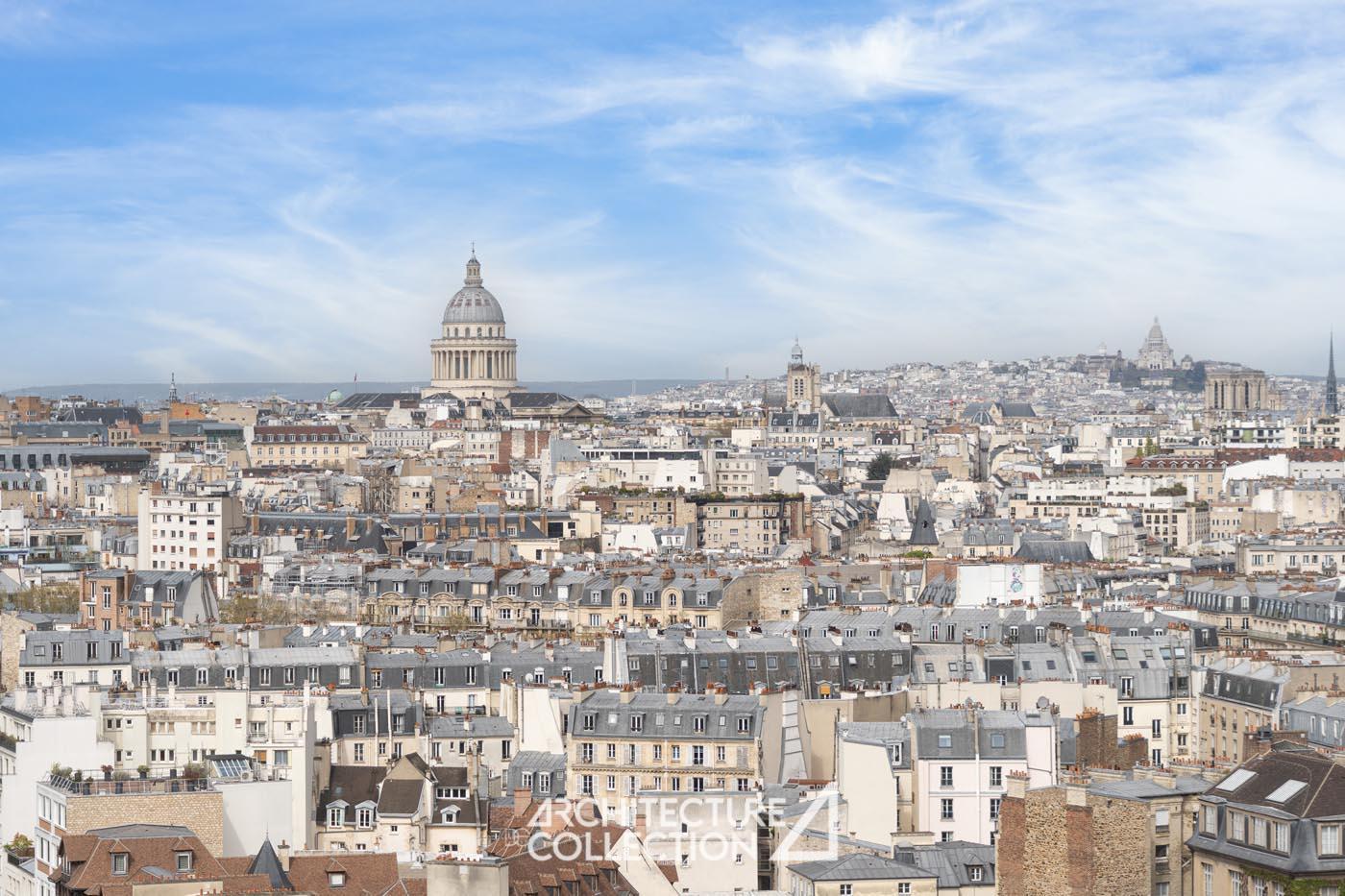
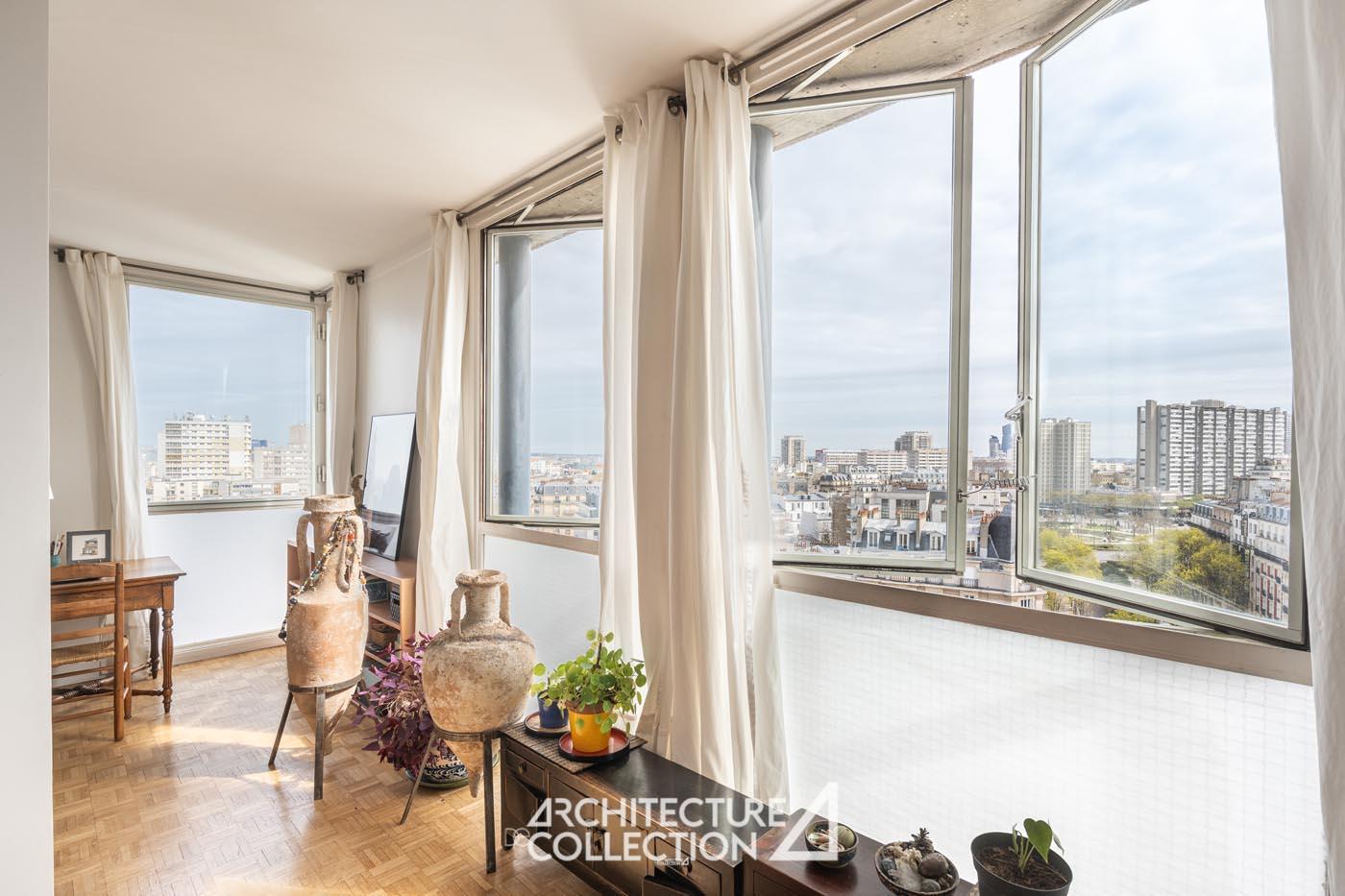
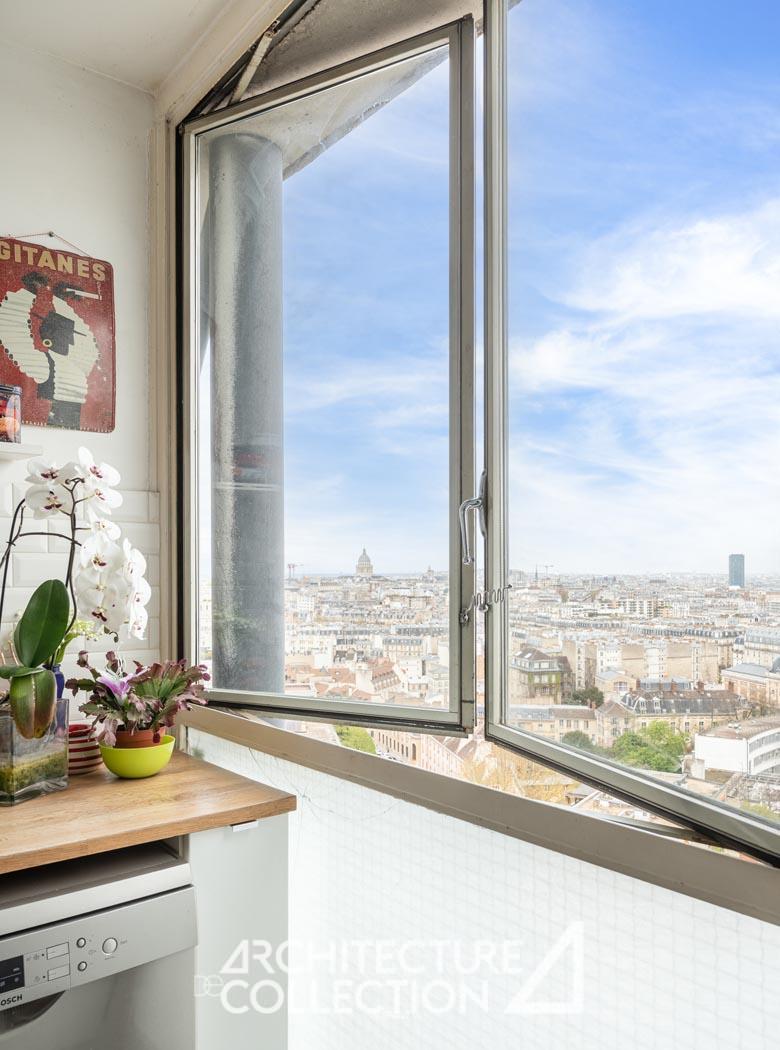
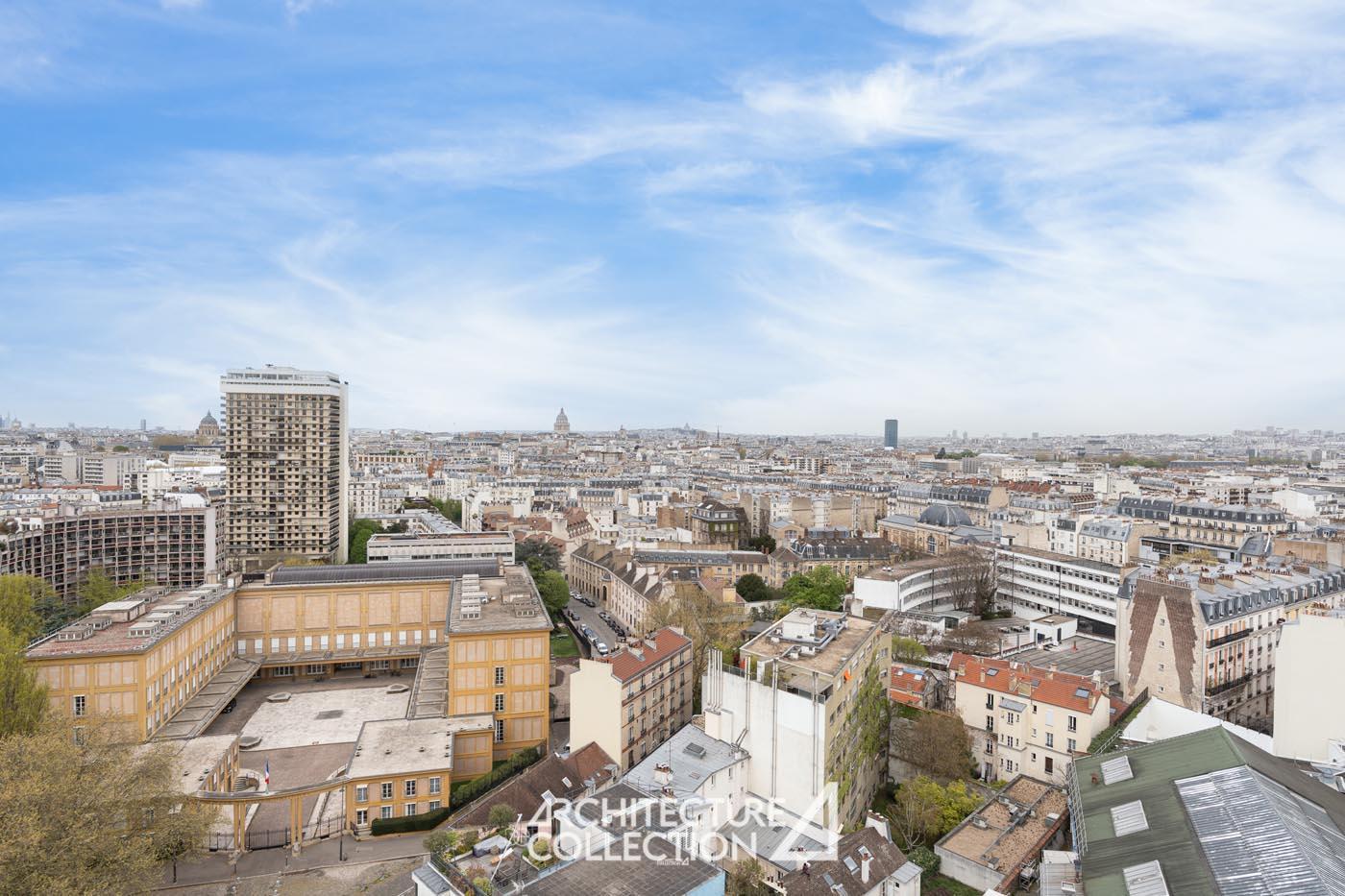
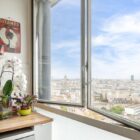
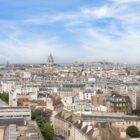
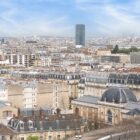
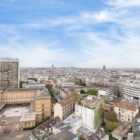
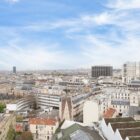
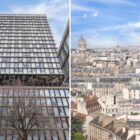
Bathed in light and transparency, the apartment benefits from a northeast and southwest exposure and numerous full-height windows. These provide breathtaking views of Paris and its landmarks, including Sacré-Cœur, Notre-Dame Cathedral, the Panthéon, Place d’Italie, and the towers of the 13th arrondissement.
A cellar completes this property.
The Tour Albert is located in a quiet neighborhood of the 13th arrondissement, on the edge of the 5th arrondissement, facing Square René Le Gall. Overlooking Place d’Italie, the apartment benefits from all nearby amenities and numerous schools.
Gare Montparnasse and Gare de Lyon are approximately 15 and 25 minutes away, respectively, by public transport.


An innovative construction method
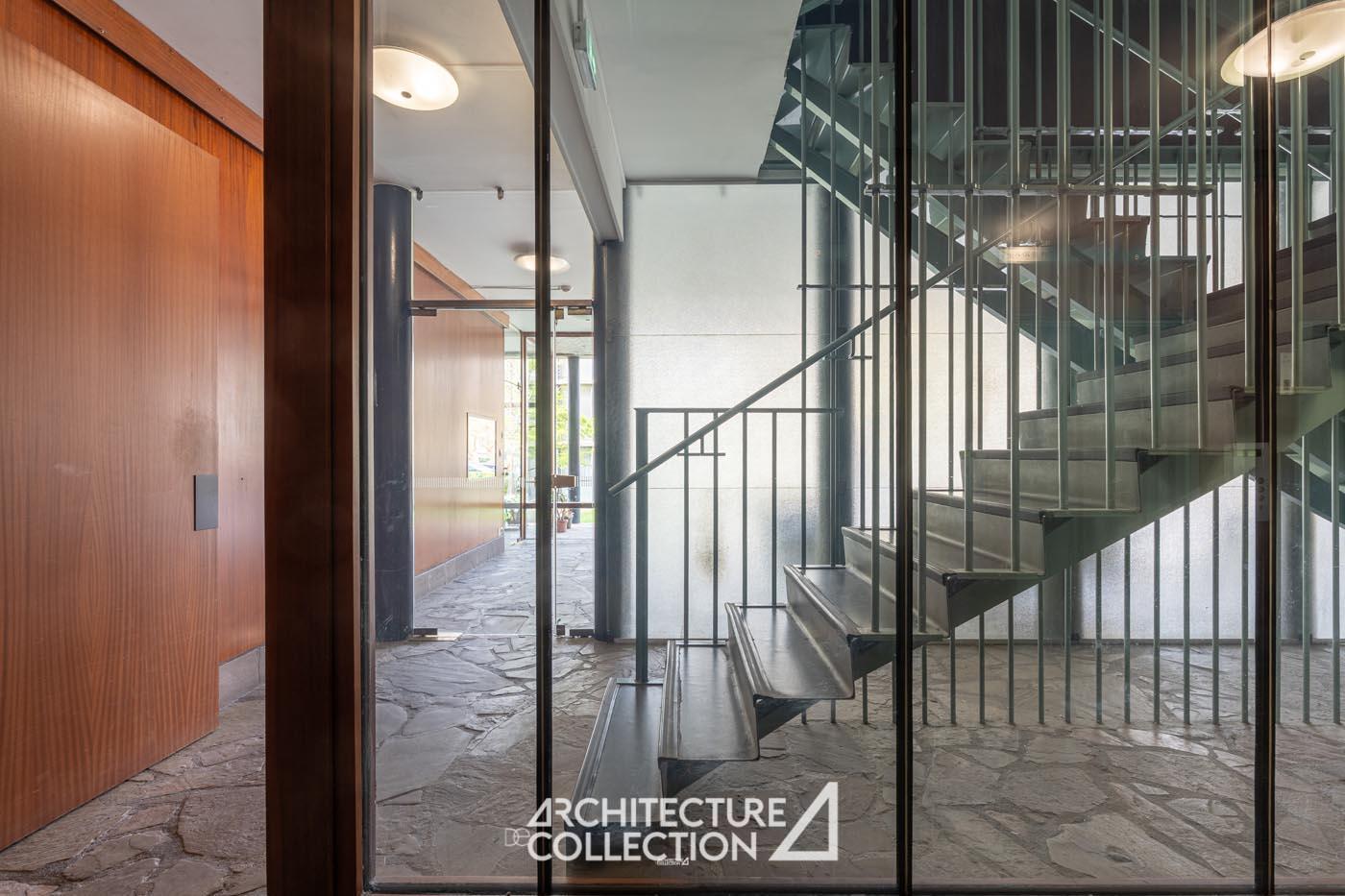
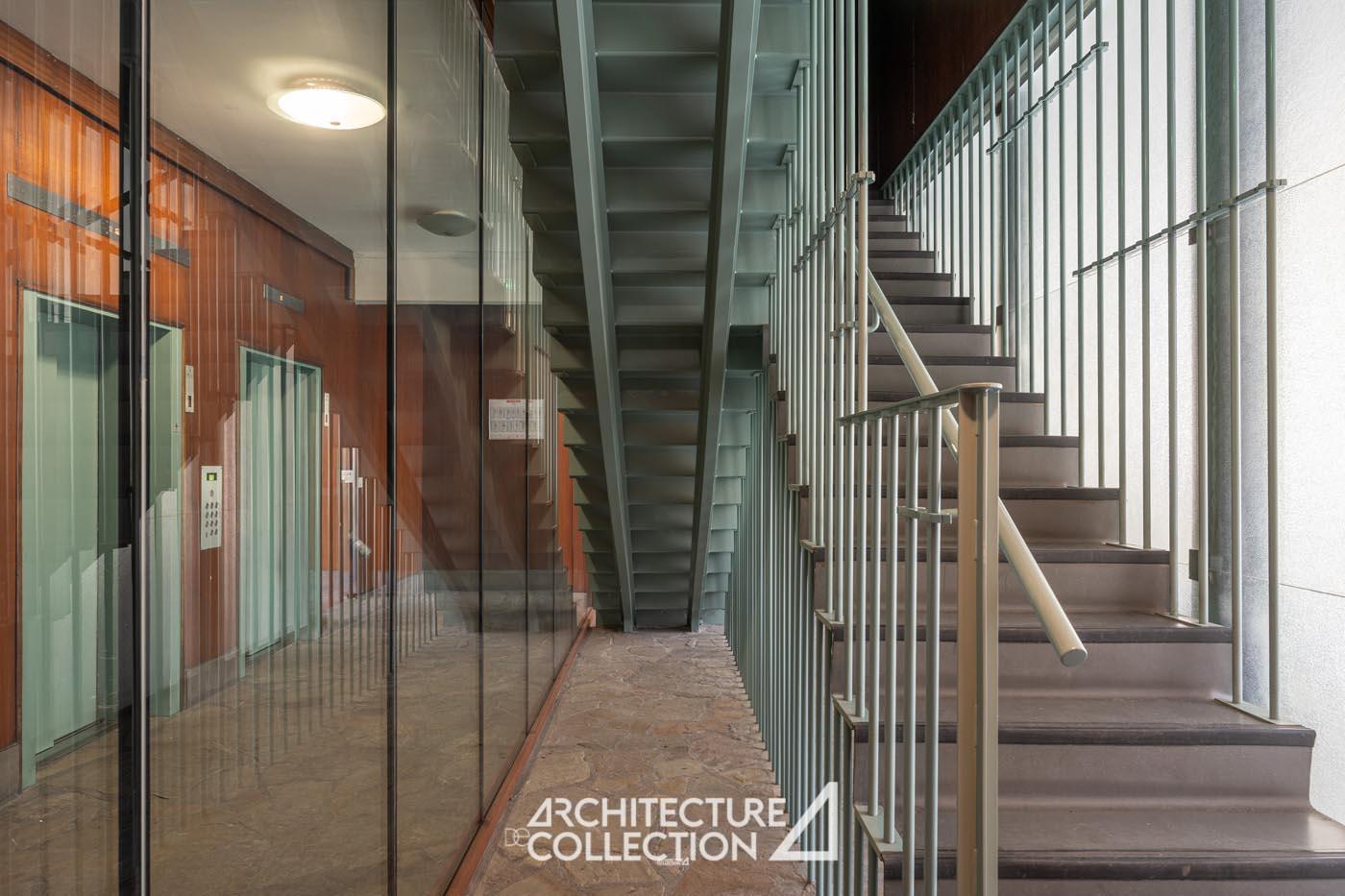
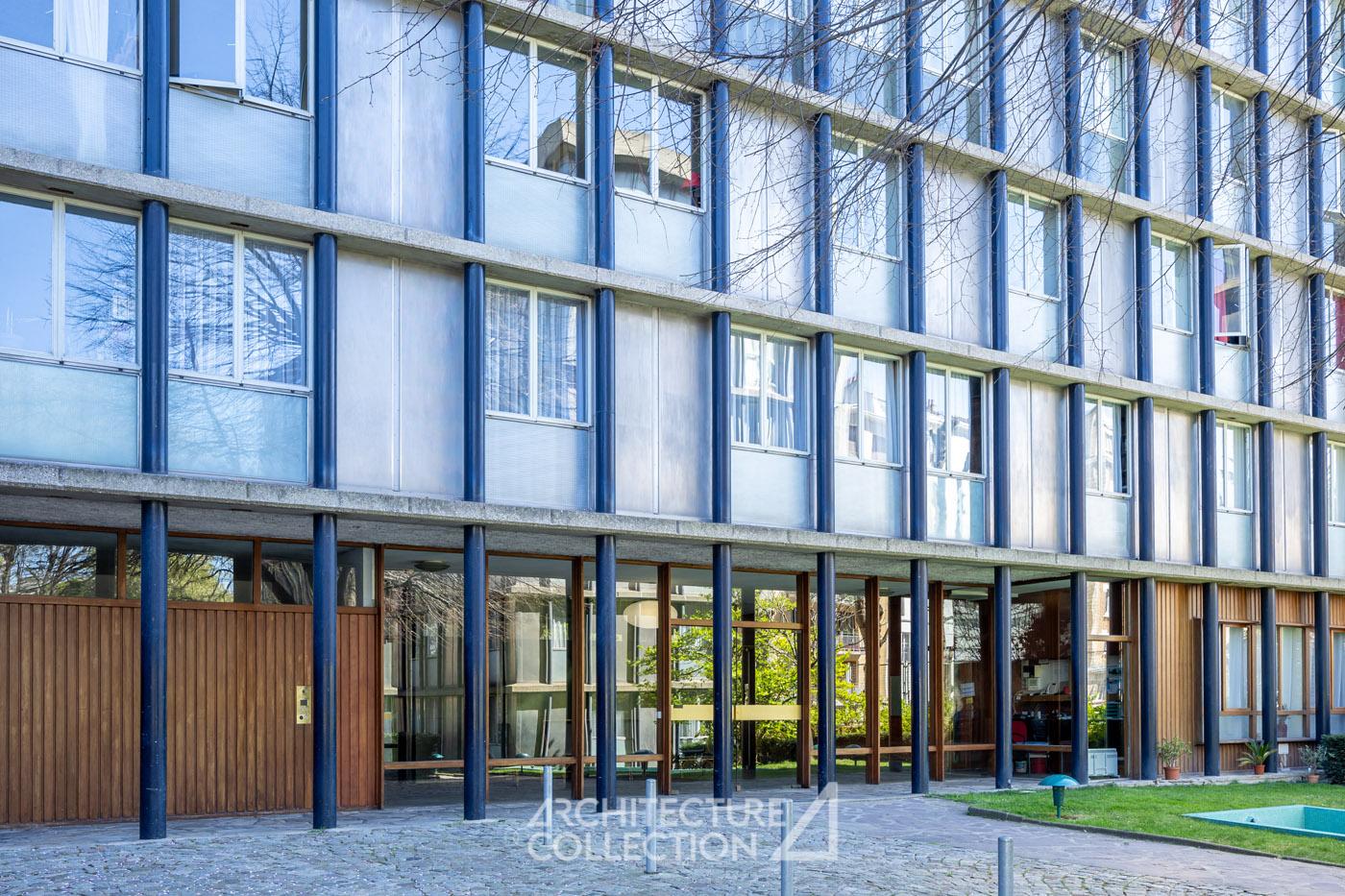
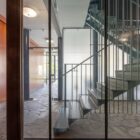
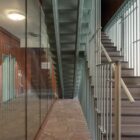
The steel structure of the Tour Albert forms a regular grid that contributes to the architectural expression of the façade. Composed of steel tube columns filled with concrete, supporting a reinforced concrete slab, and braced with Saint Andrew’s cross-shaped reinforcements, this structure combines lightness and transparency.
On the 6th floor, a terrace designed for residents’ enjoyment features a 600 sqm ceiling painted by the artist Jacques Lagrange.
For this first residential “skyscraper,” the architect sought to integrate a high-rise building into the Parisian landscape and to place structural ingenuity at the service of a flexible layout. High-rise buildings, which emerged in the United States at the end of the 19th century with metal structures, appeared only later in France, where urban planning regulations long restricted their construction.
The Tour Albert was widely featured in architectural publications, which highlighted both its innovative construction approach and its forward-thinking aesthetic.


Edouard Albert
Édouard Albert (1910–1968) graduated in architecture from the École nationale supérieure des Beaux-Arts in Paris in 1937. His career was marked by his research into building materials, which enabled him to develop steel tubular structures. These lightweight structures reflected his pursuit of a balance between technology, economy, and aesthetics. From 1959 to 1968, Édouard Albert served as a studio professor at the École des Beaux-Arts in Paris, was a member of the committees of the Scientific and Technical Center for Building, and contributed to the editorial board of the journal L’Architecture d’Aujourd’hui.
In 1955, he built the first building with a tubular structure in Paris’s 17th arrondissement. He was also the architect of the Air France administrative building at Orly. In 1962, André Malraux entrusted him with taking over the project for the Faculty of Sciences at Jussieu, where he once again used tubular metal architecture and collaborated with artists to integrate contemporary art into the campus design.
In the 1960s, alongside Édouard Albert, architects such as Jean Prouvé and Claude Parent conducted research into innovative metal structures. Notably, Claude Parent designed the Maison de l’Iran at the Cité Internationale Universitaire de Paris in 1969, a building suspended from a steel framework.
Technical information
Asking price : €880,000
Buyer’s fees : €33,880
Net seller price : €846,120
Property tax : Not disclosed
Condominium : 136 units
Heating : collective gas system
Information on the risks to which this property is exposed is available on the Géorisques website: [www.georisques.gouv.fr](http://www.georisques.gouv.fr)
© Texts & photos Architecture de Collection
Energy Performance Certificate (EPC) : in progress