

Description
Claude Le Goas’s family home
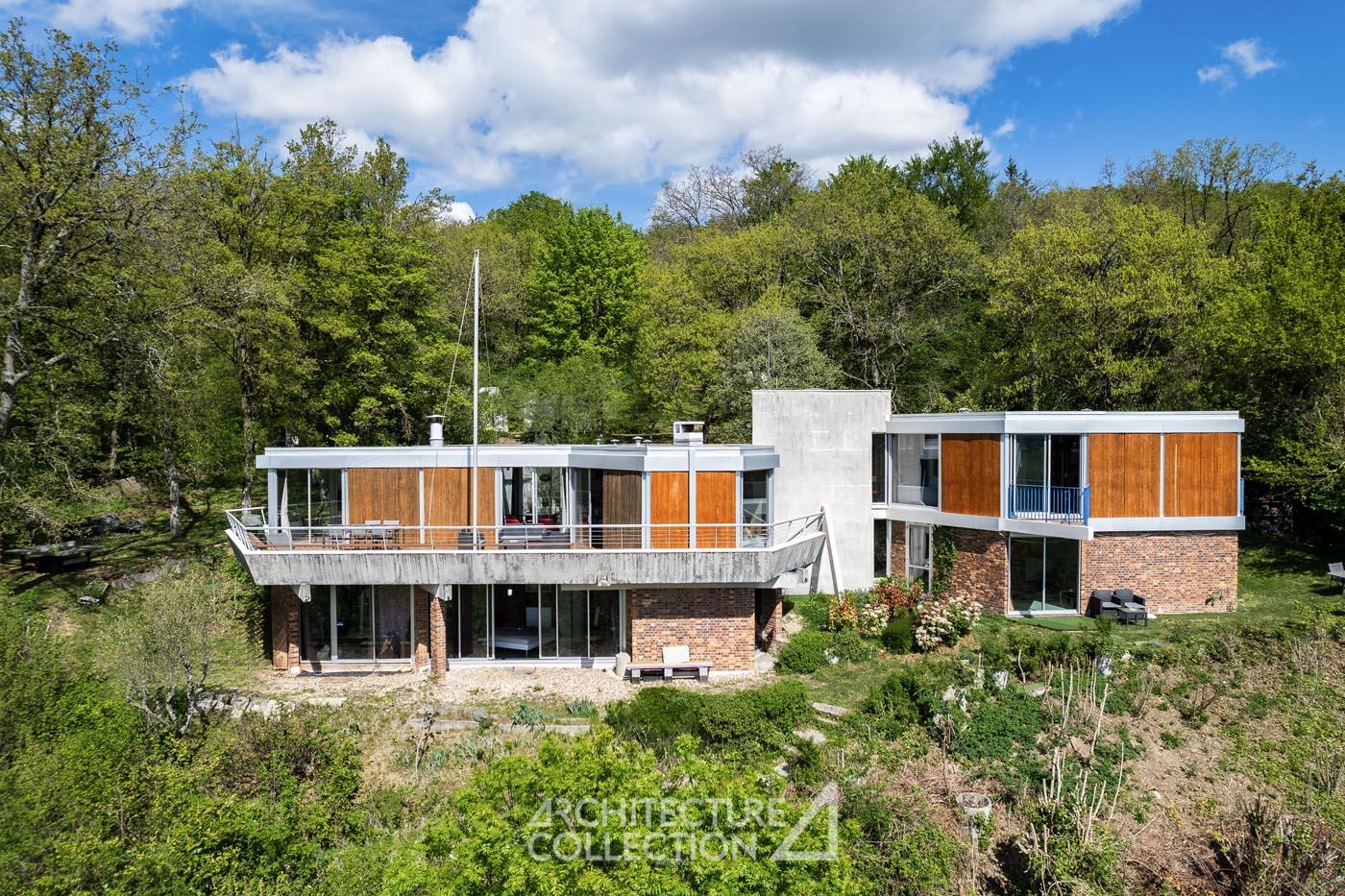
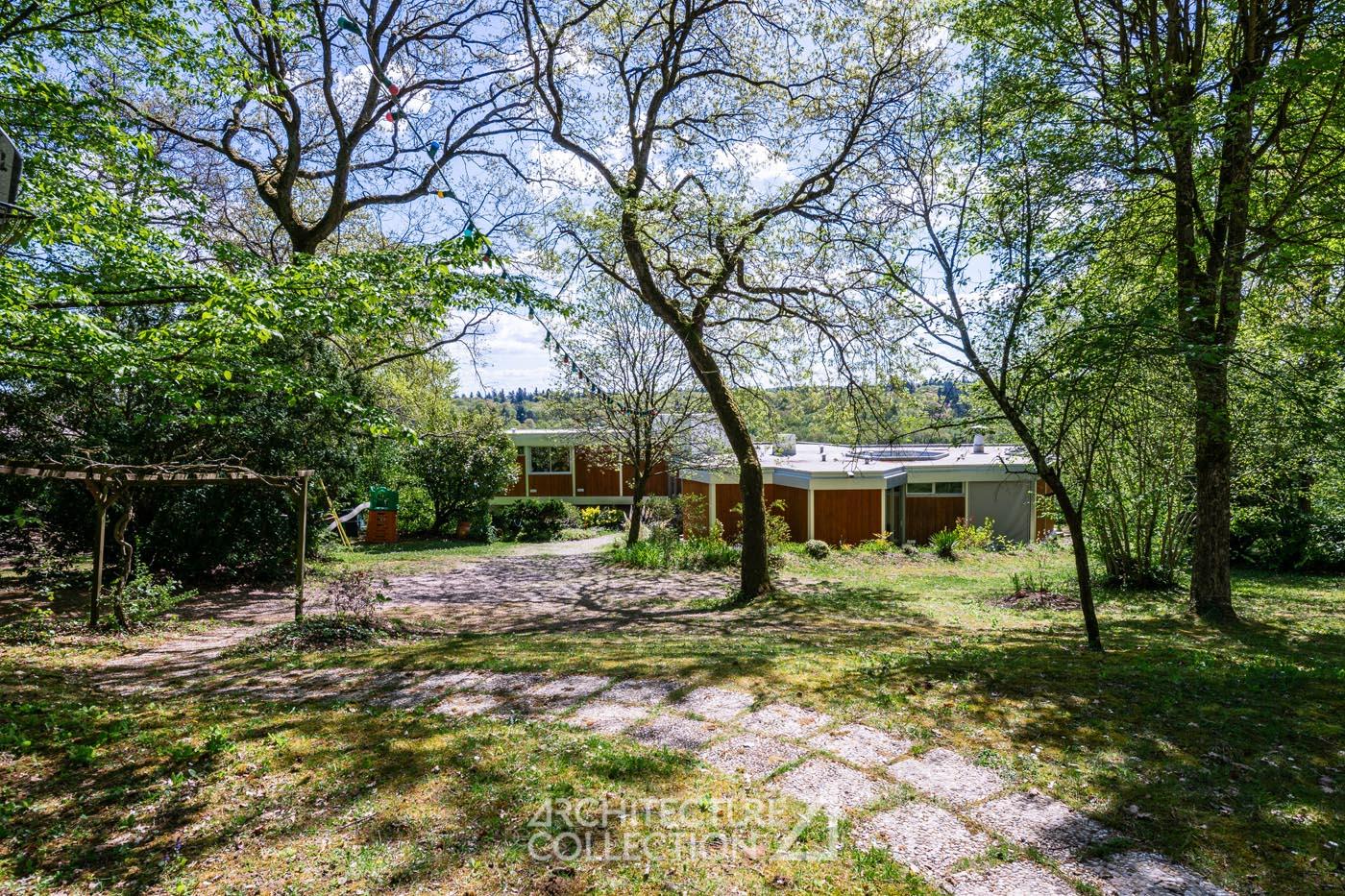
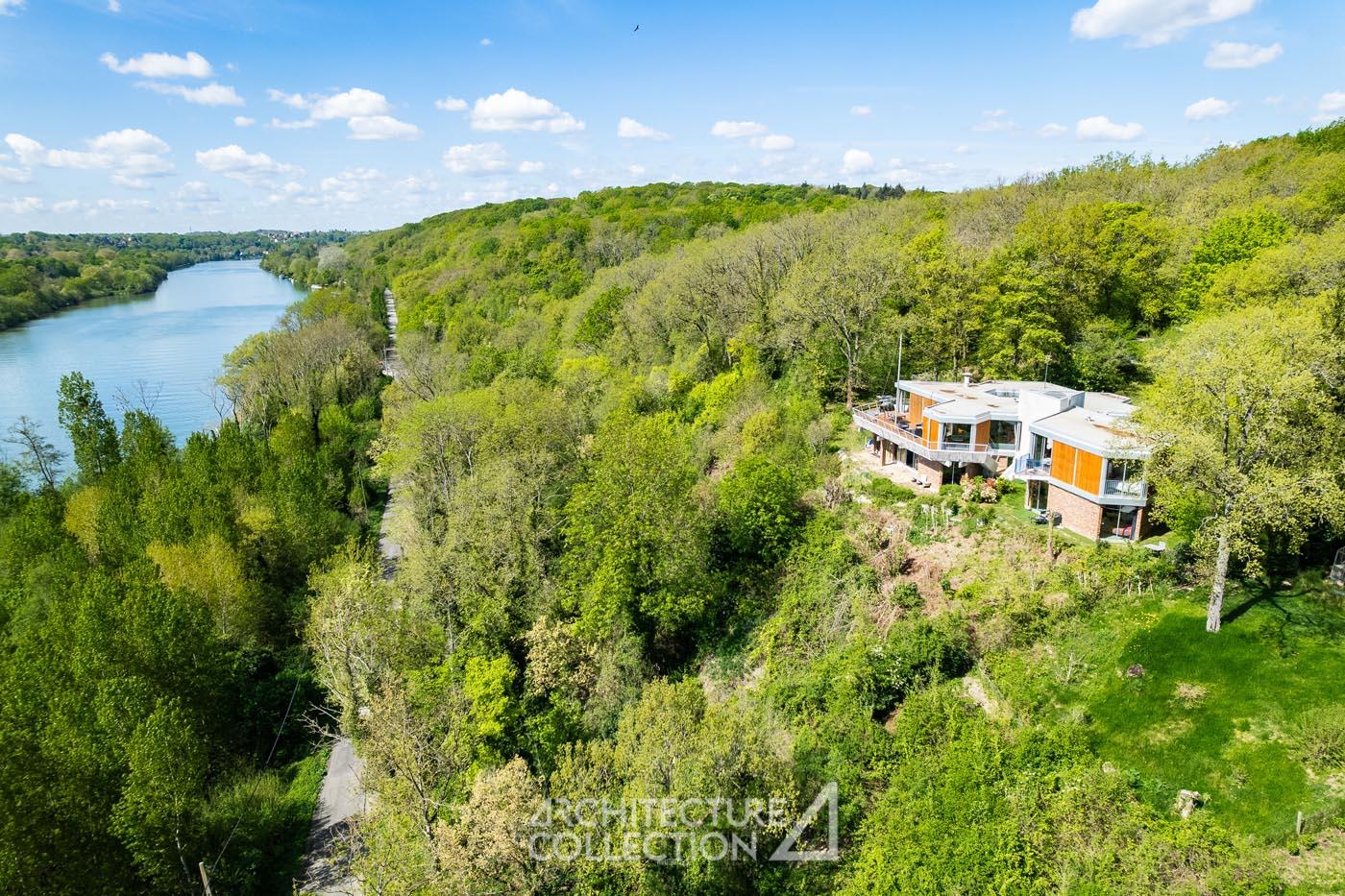
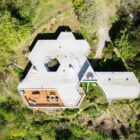
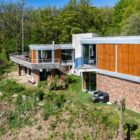
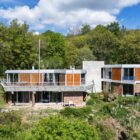
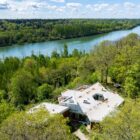
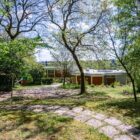
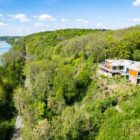
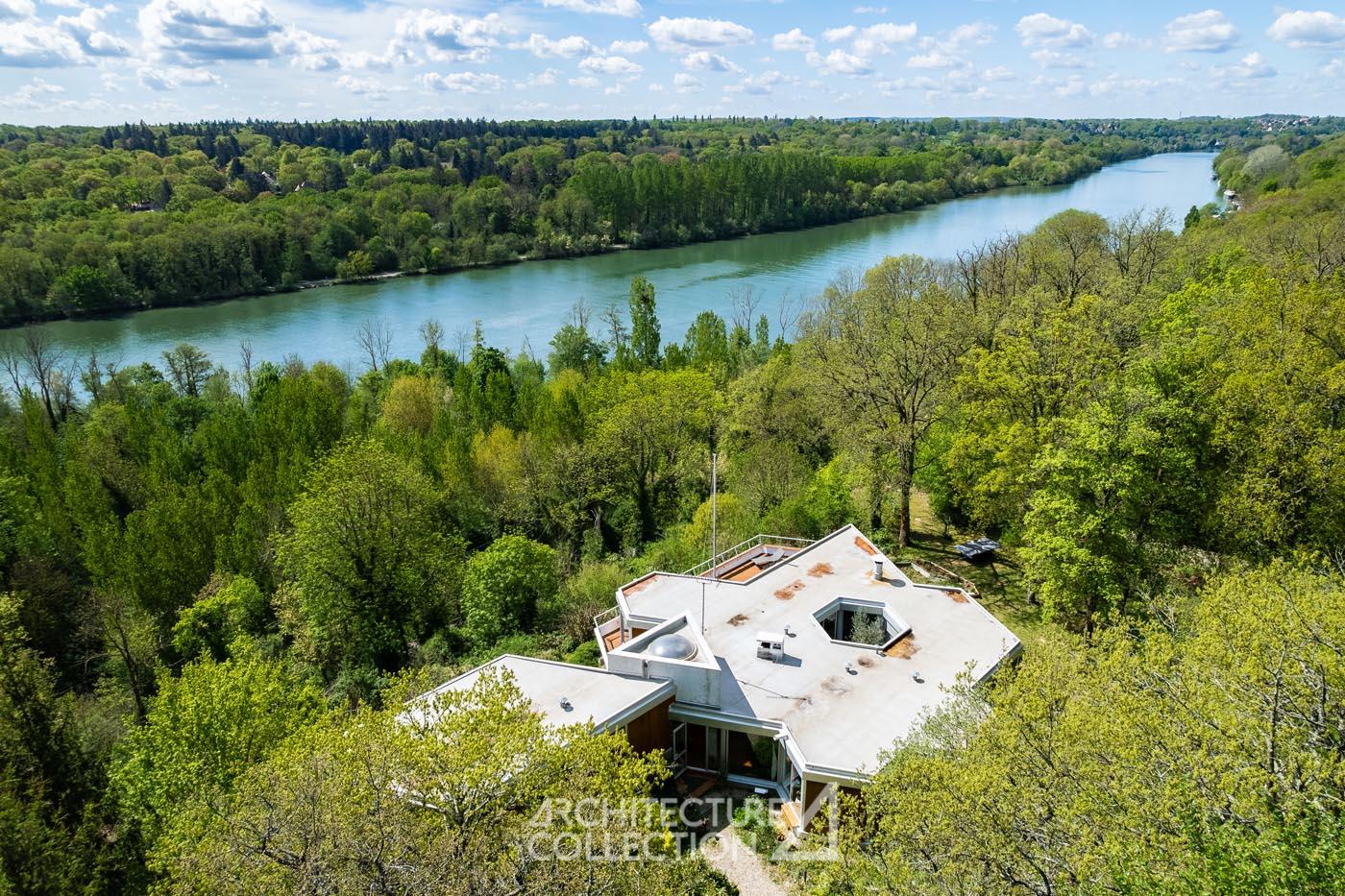
Designed by architect Claude Le Goas in 1972, this spectacular creation is set on nearly one hectare of land, at the heart of a classified natural site on the Seine hillsides.
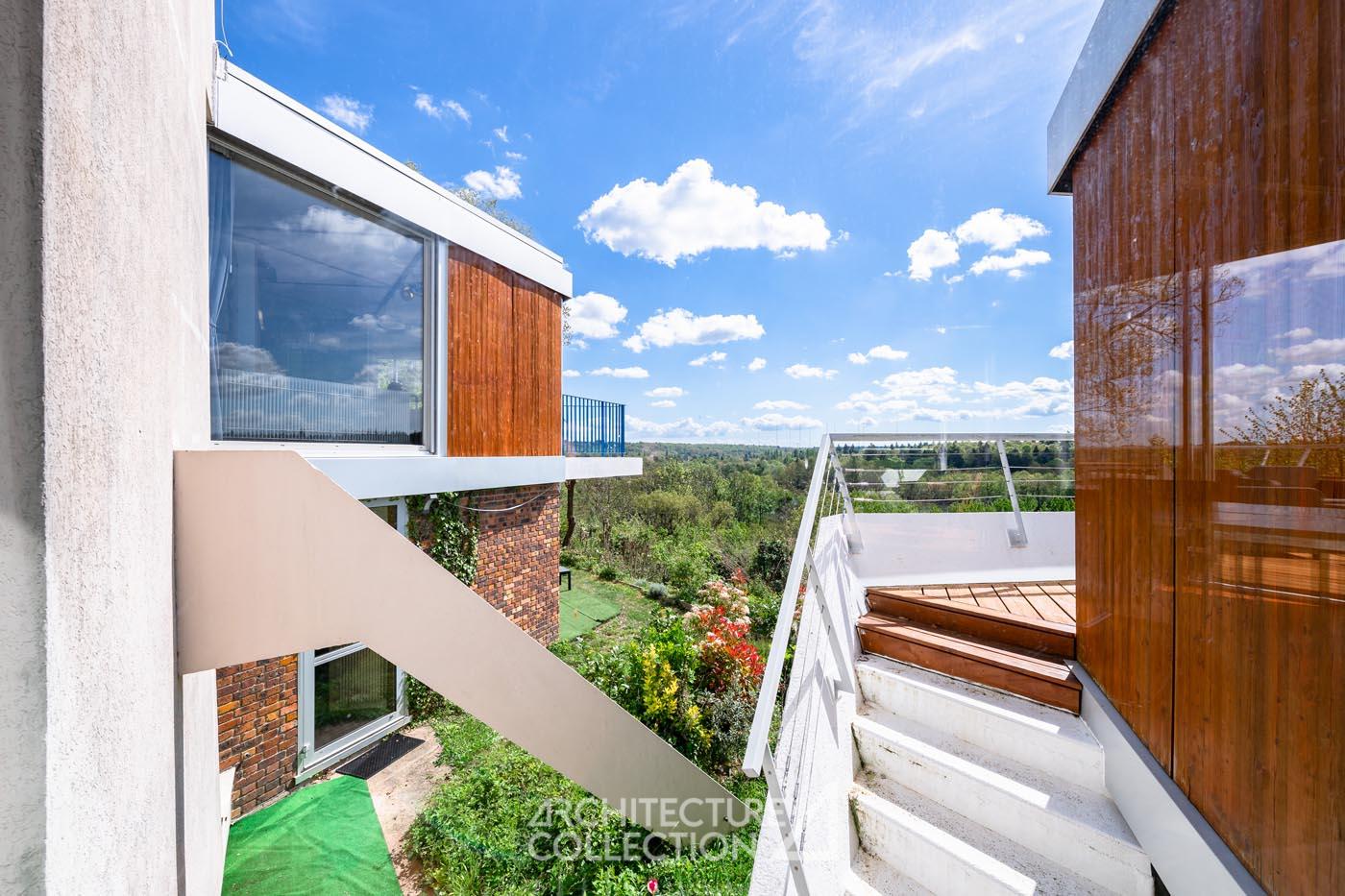
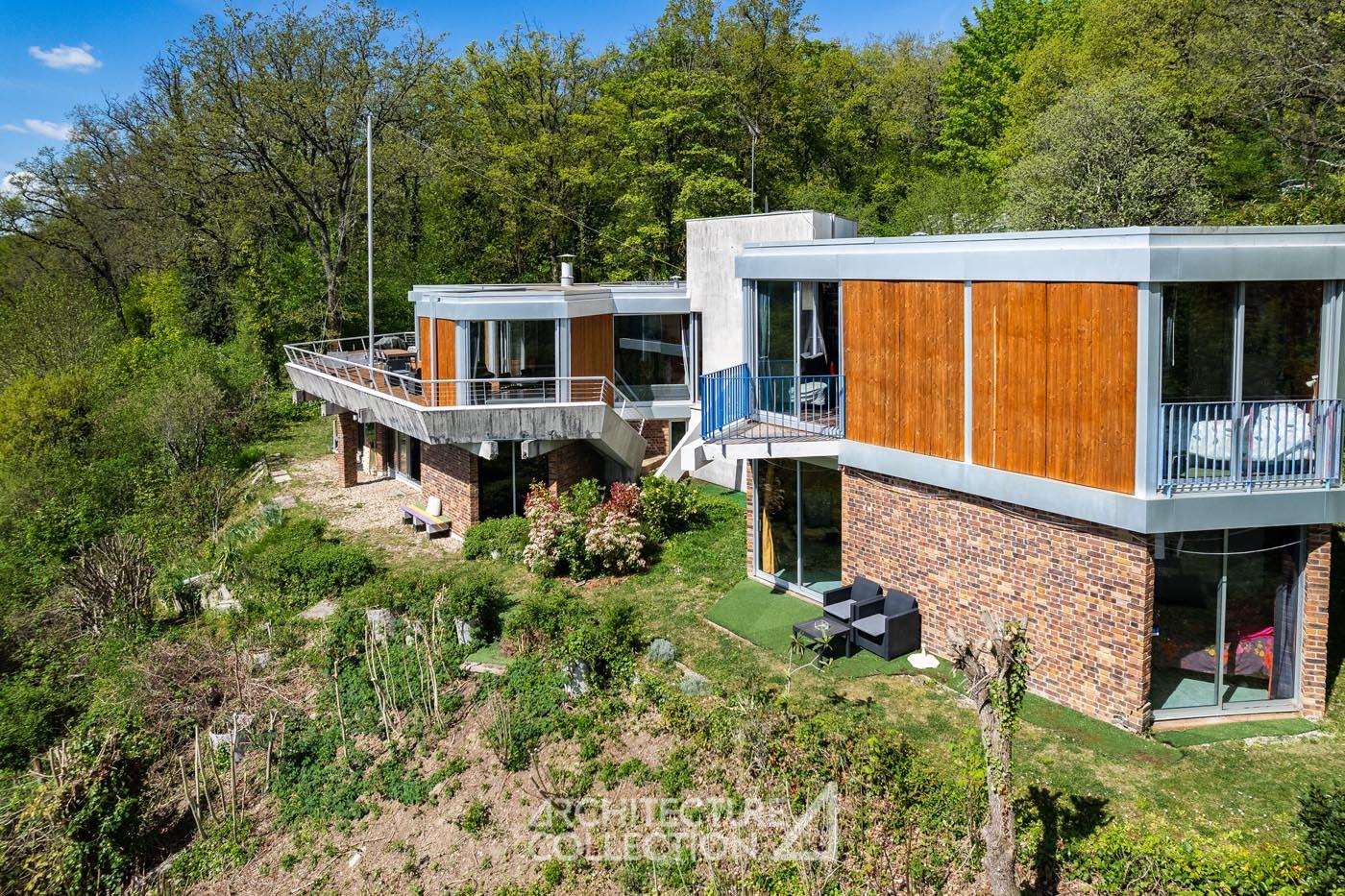
Accessed from the upper part of the plot, the house offers 322 m² of living space and 383 m² of total area, spread over four half-levels.
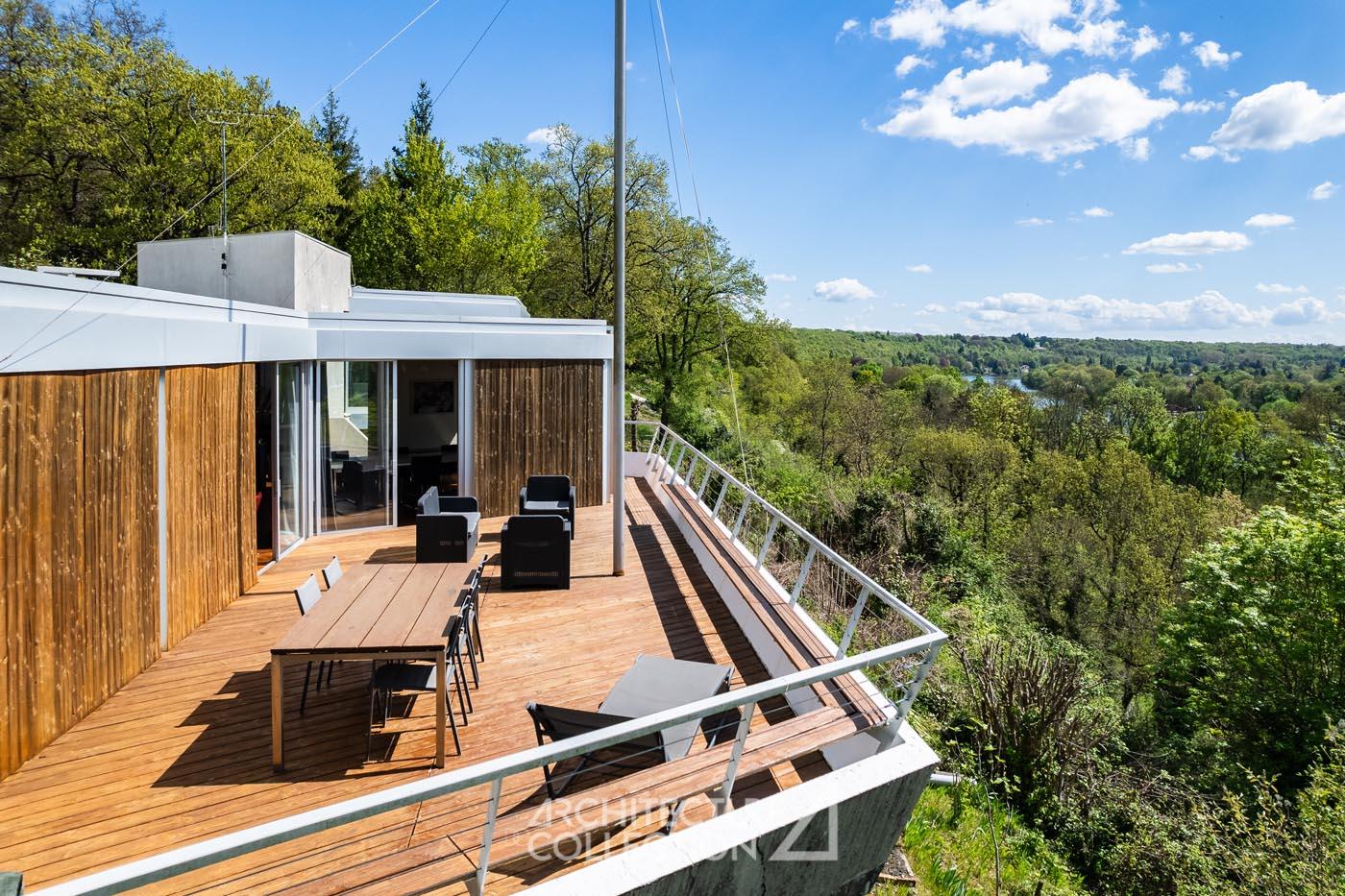
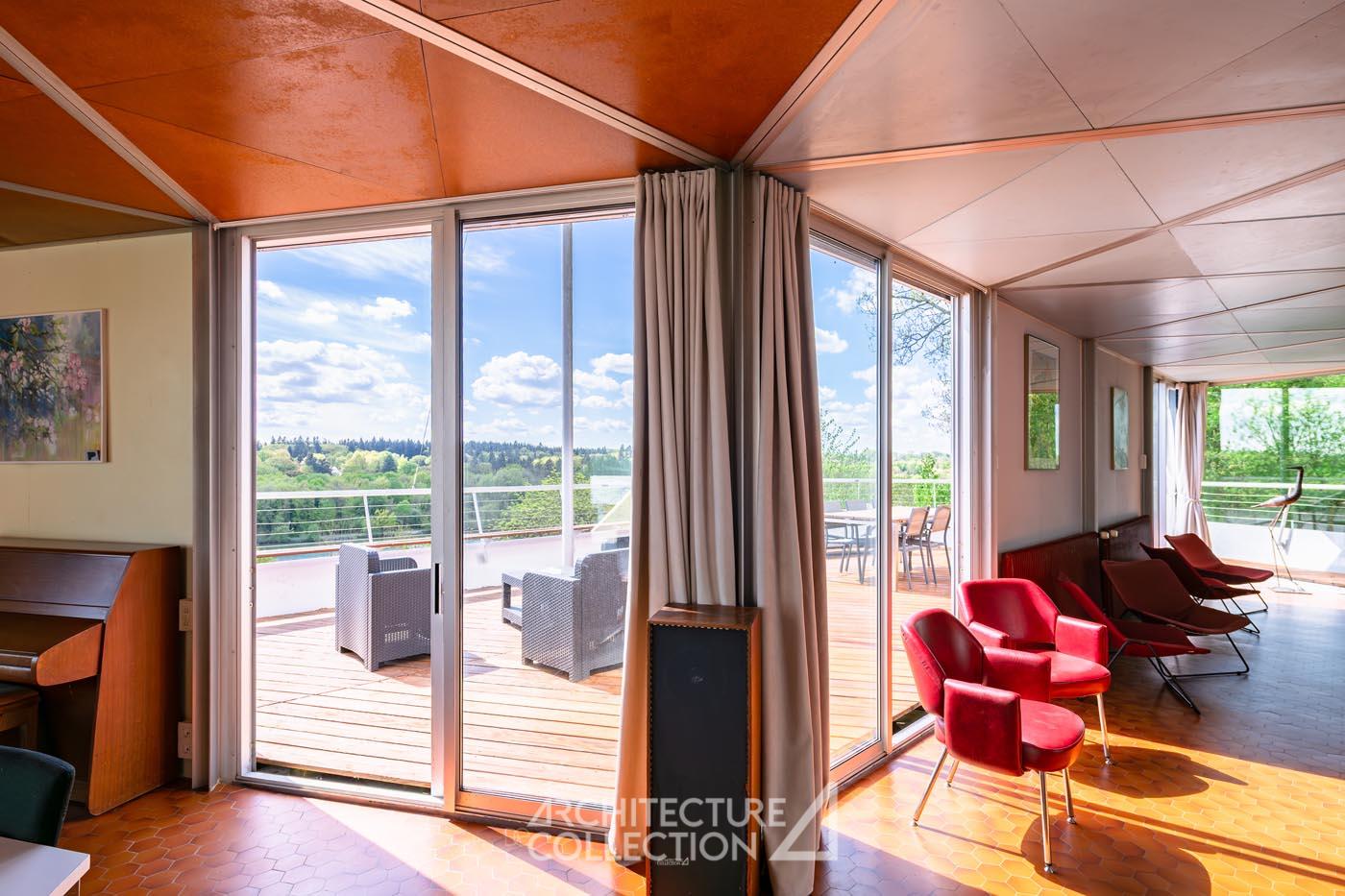
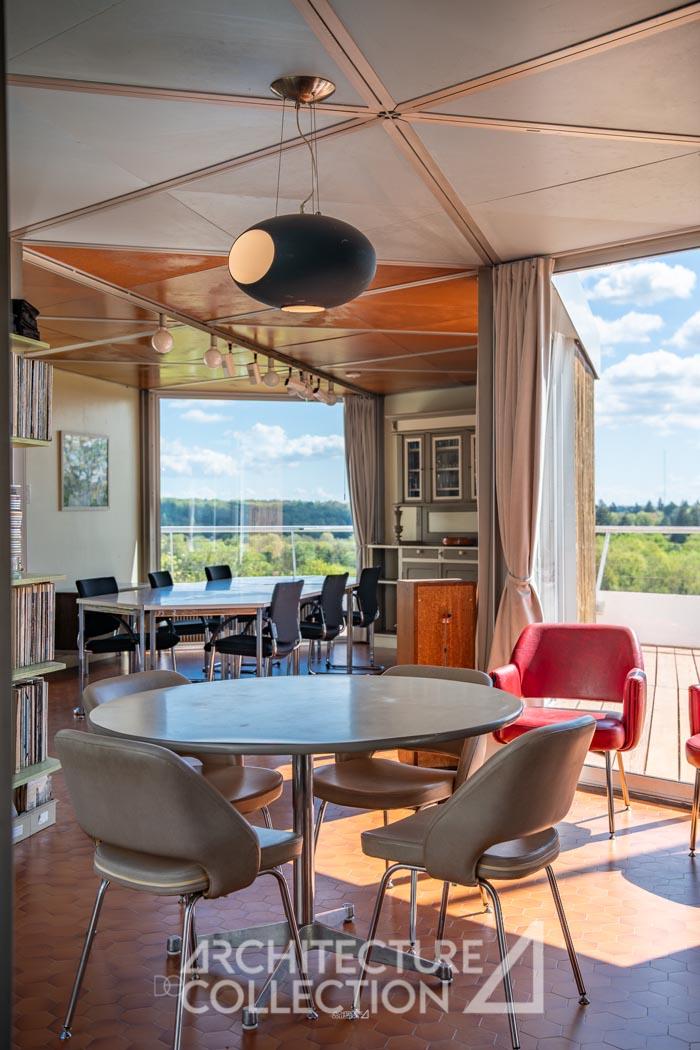
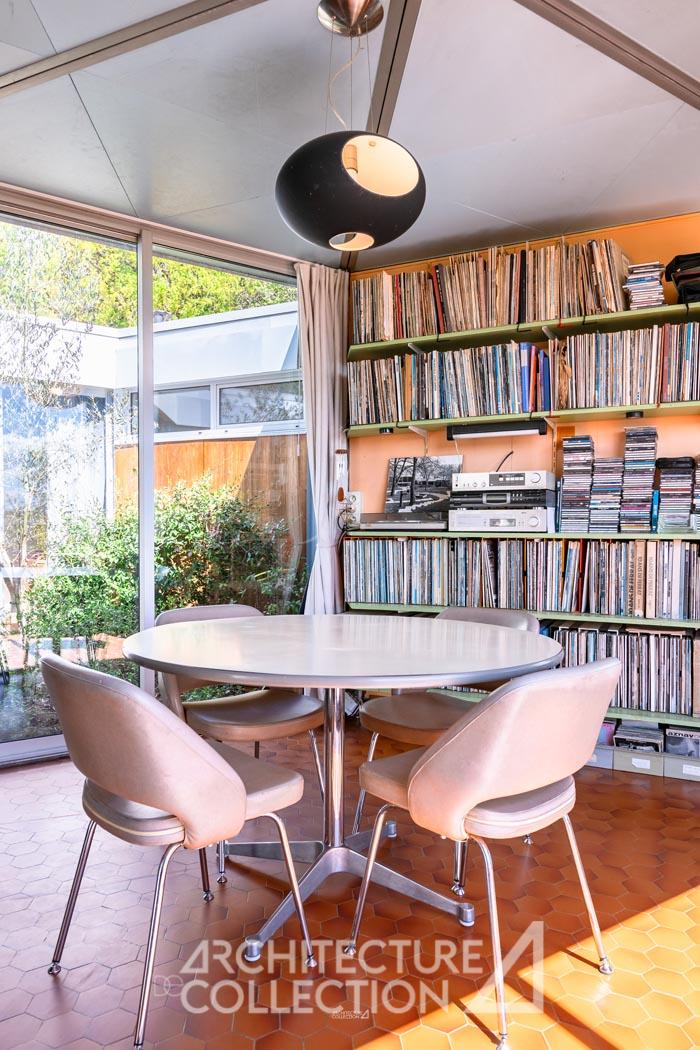
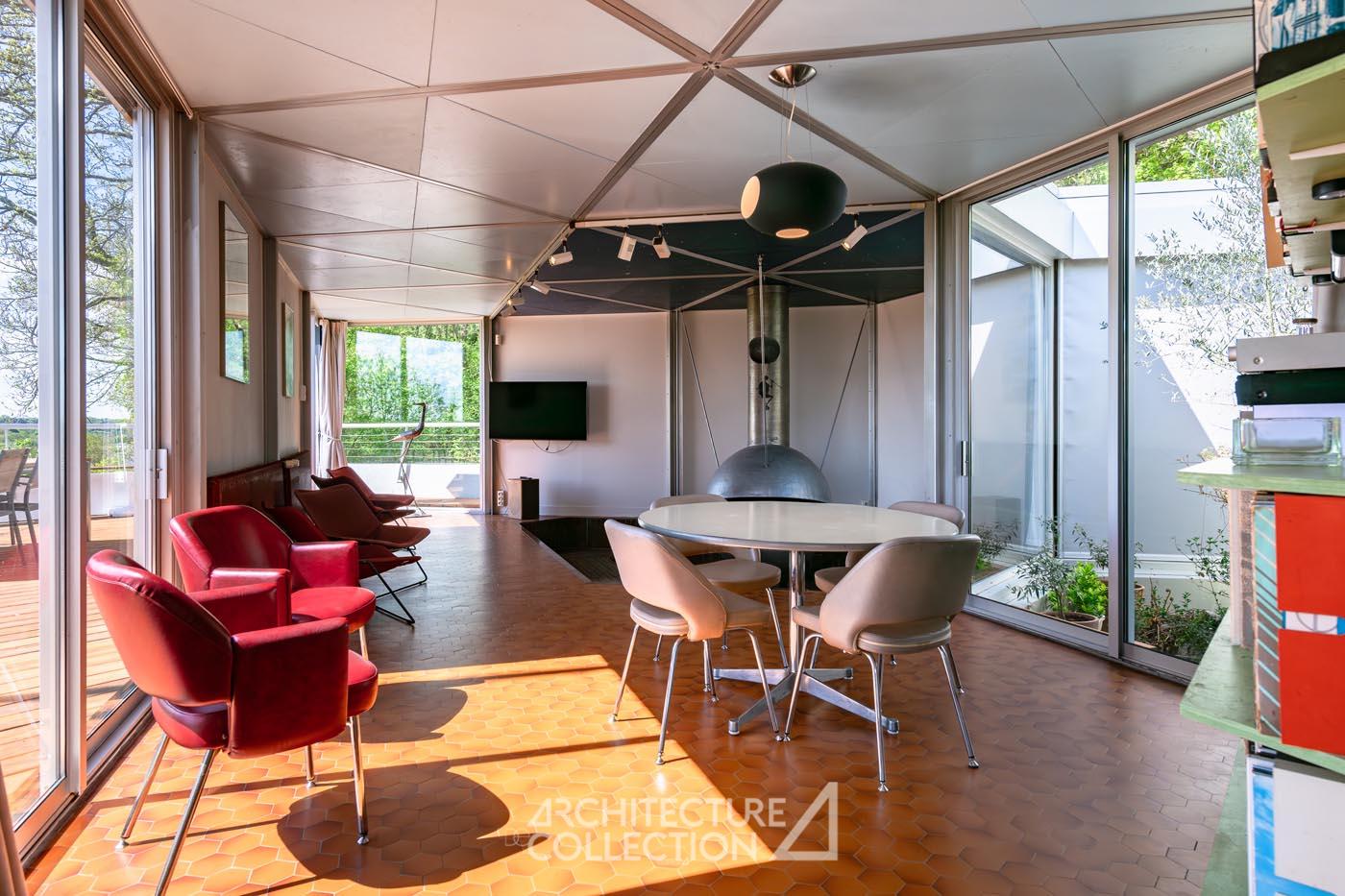
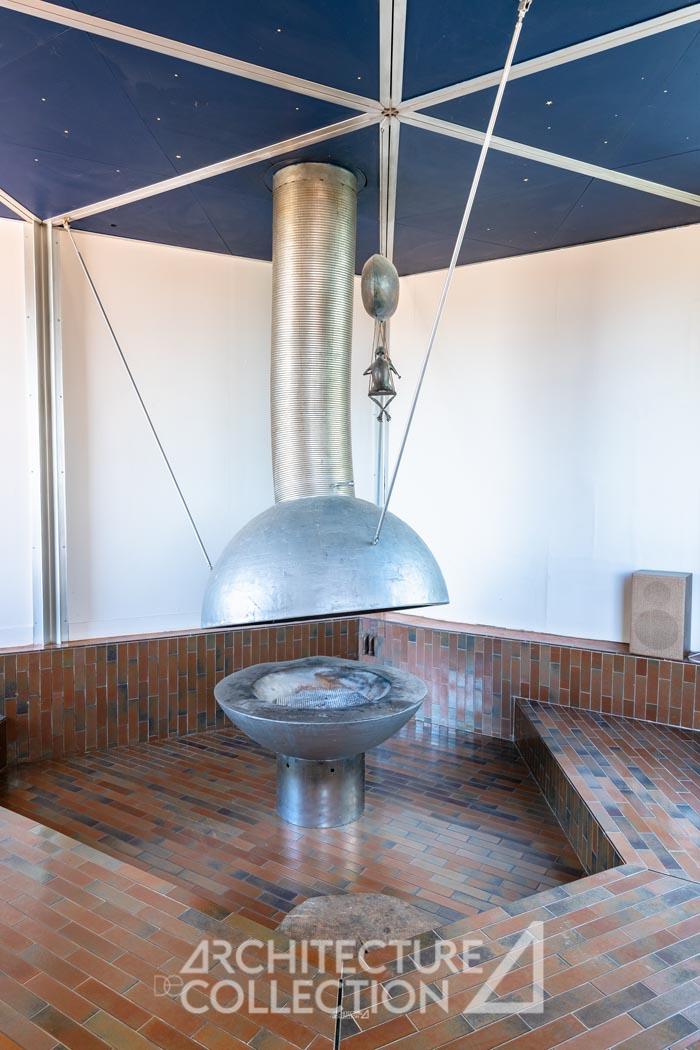
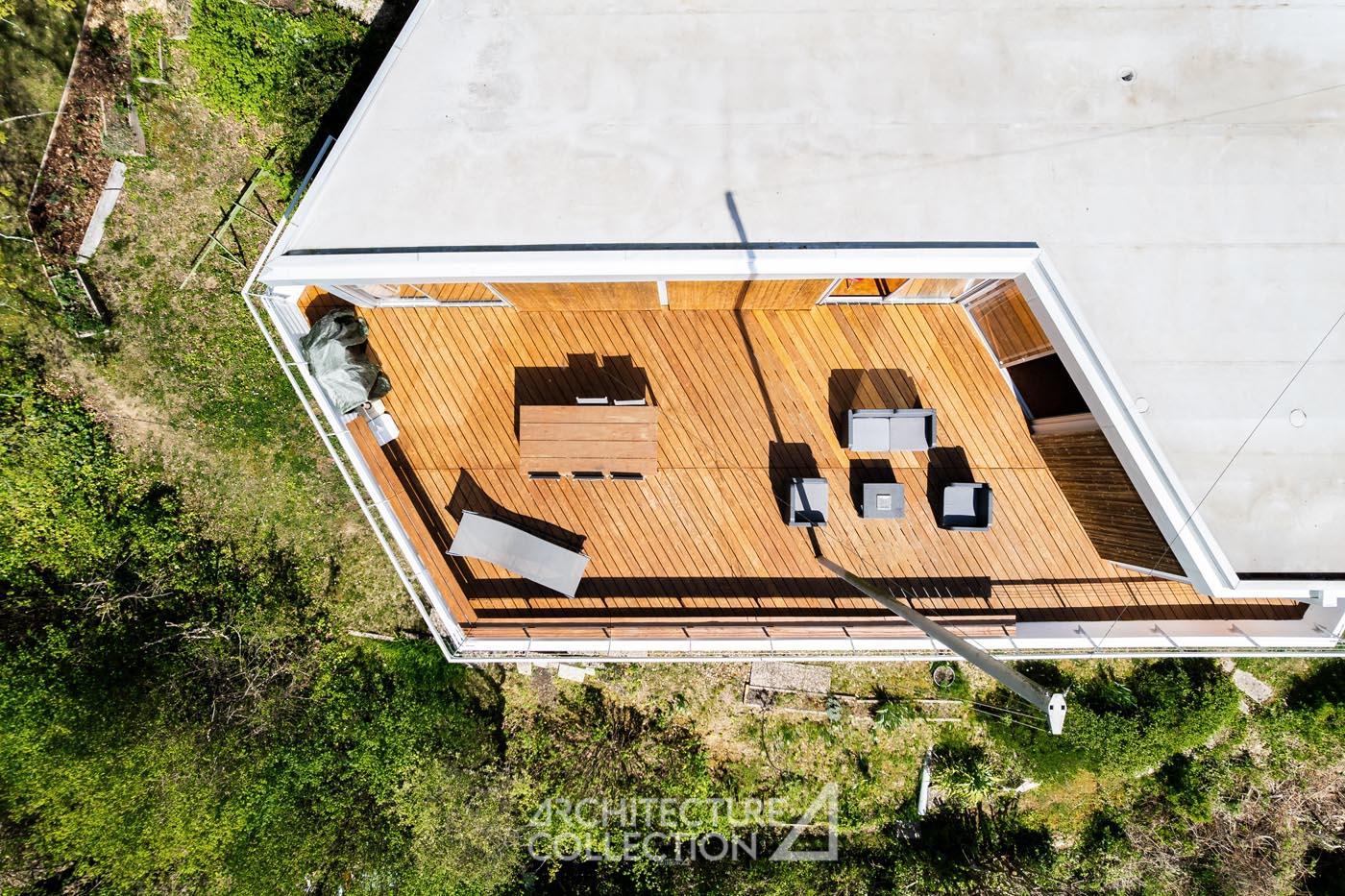
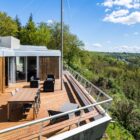
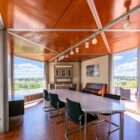
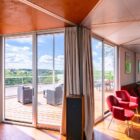
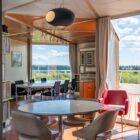
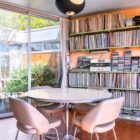
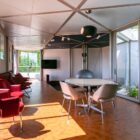
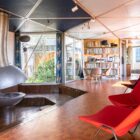
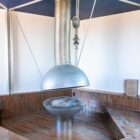
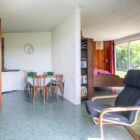
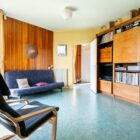
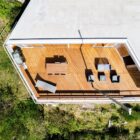
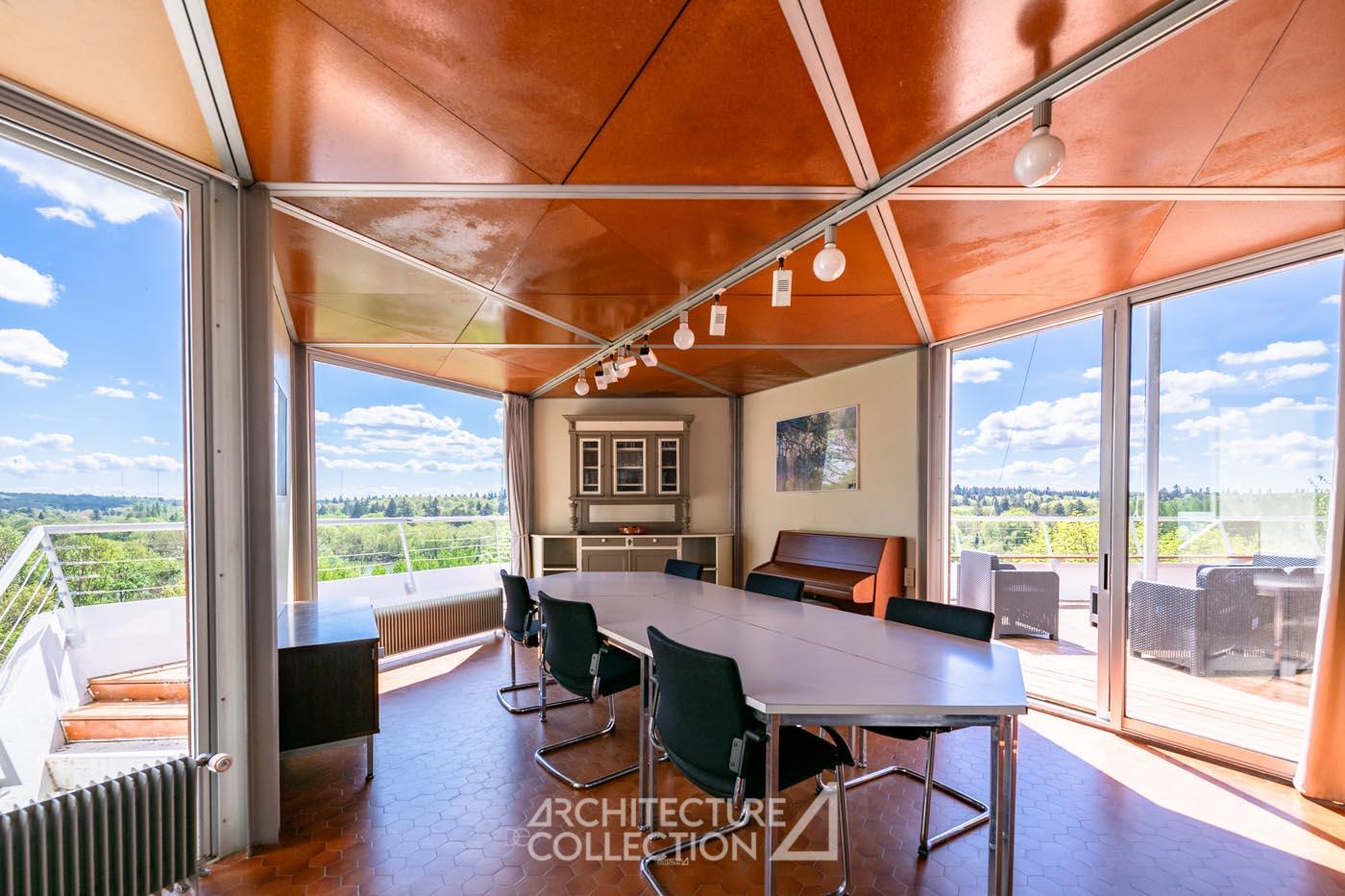
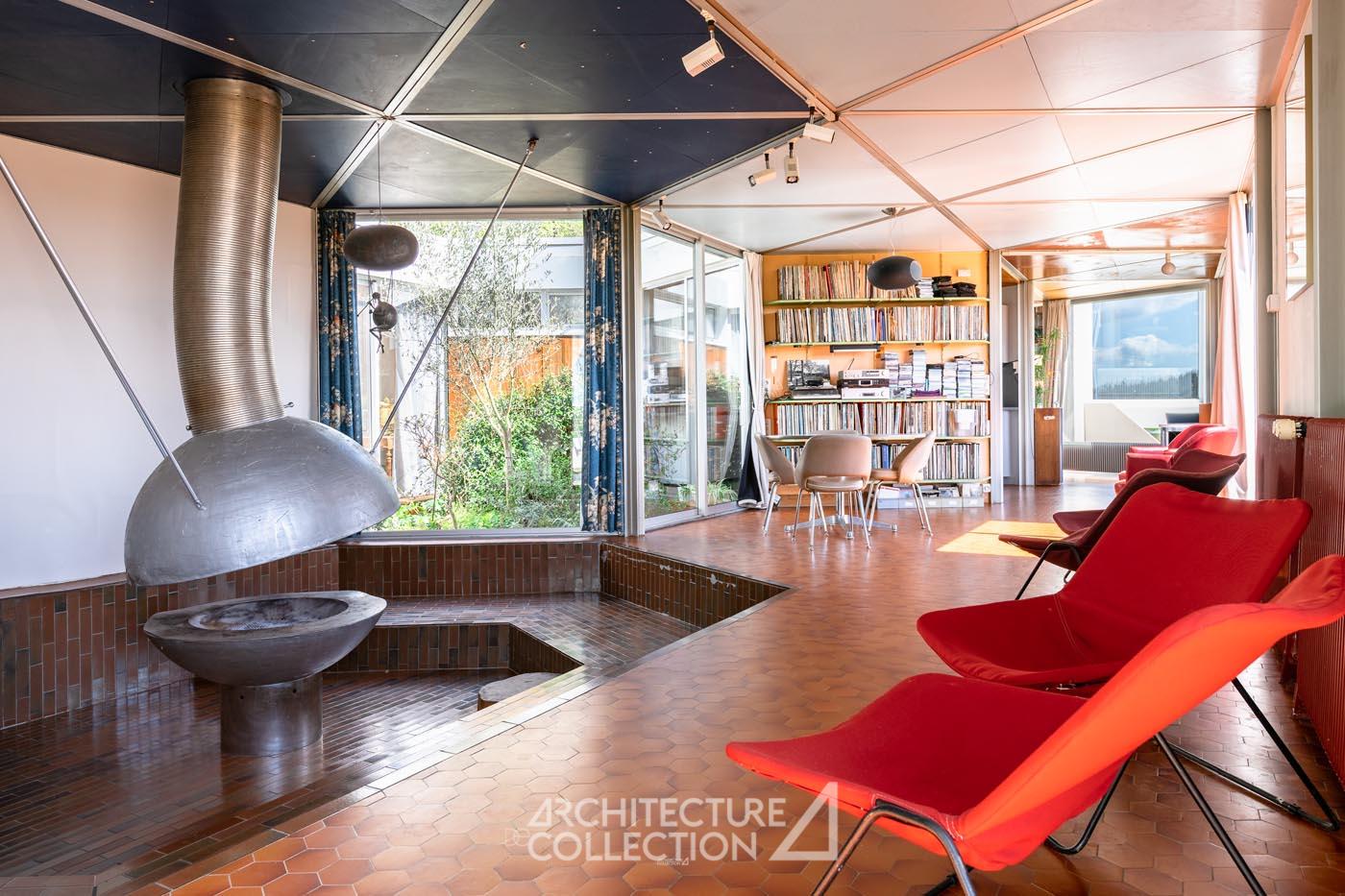
The main level features an entrance, a dining room, and a conversation lounge. The latter, typical of the 1950s–1970s and especially of the Mid-Century movement, is enhanced by a sculptural fireplace. This 64 m² reception area extends to a 57 m² south-facing terrace.
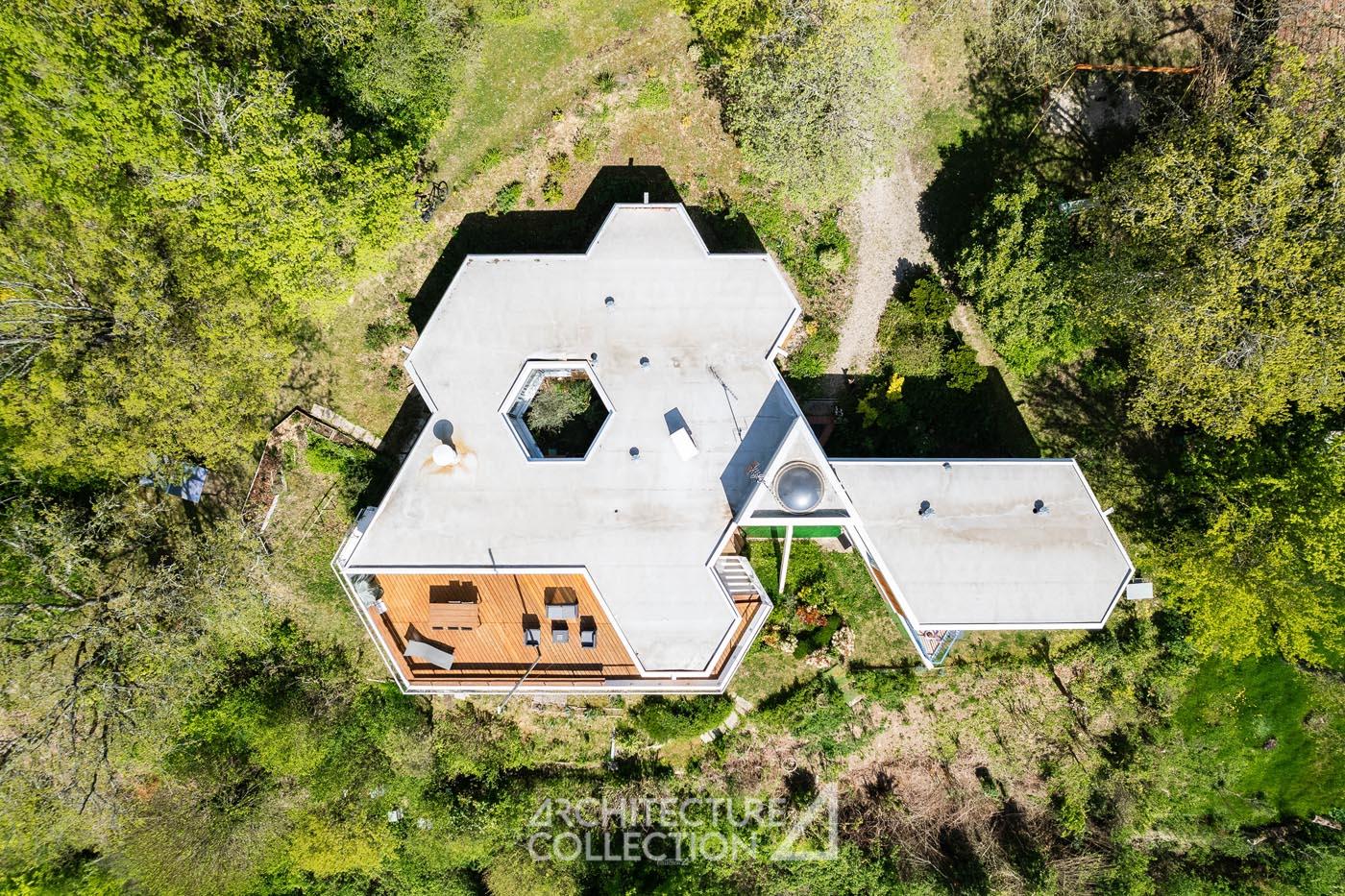
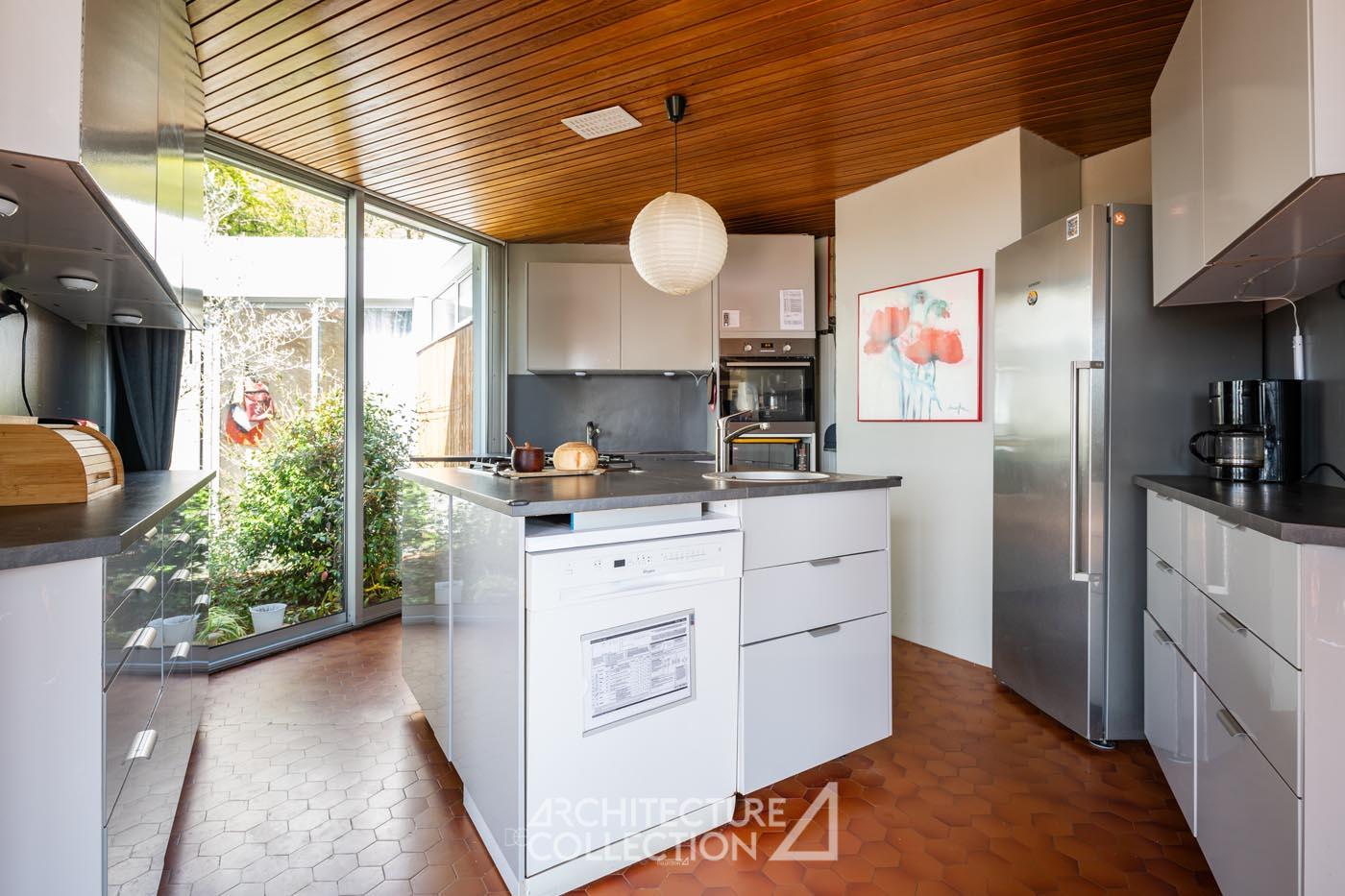
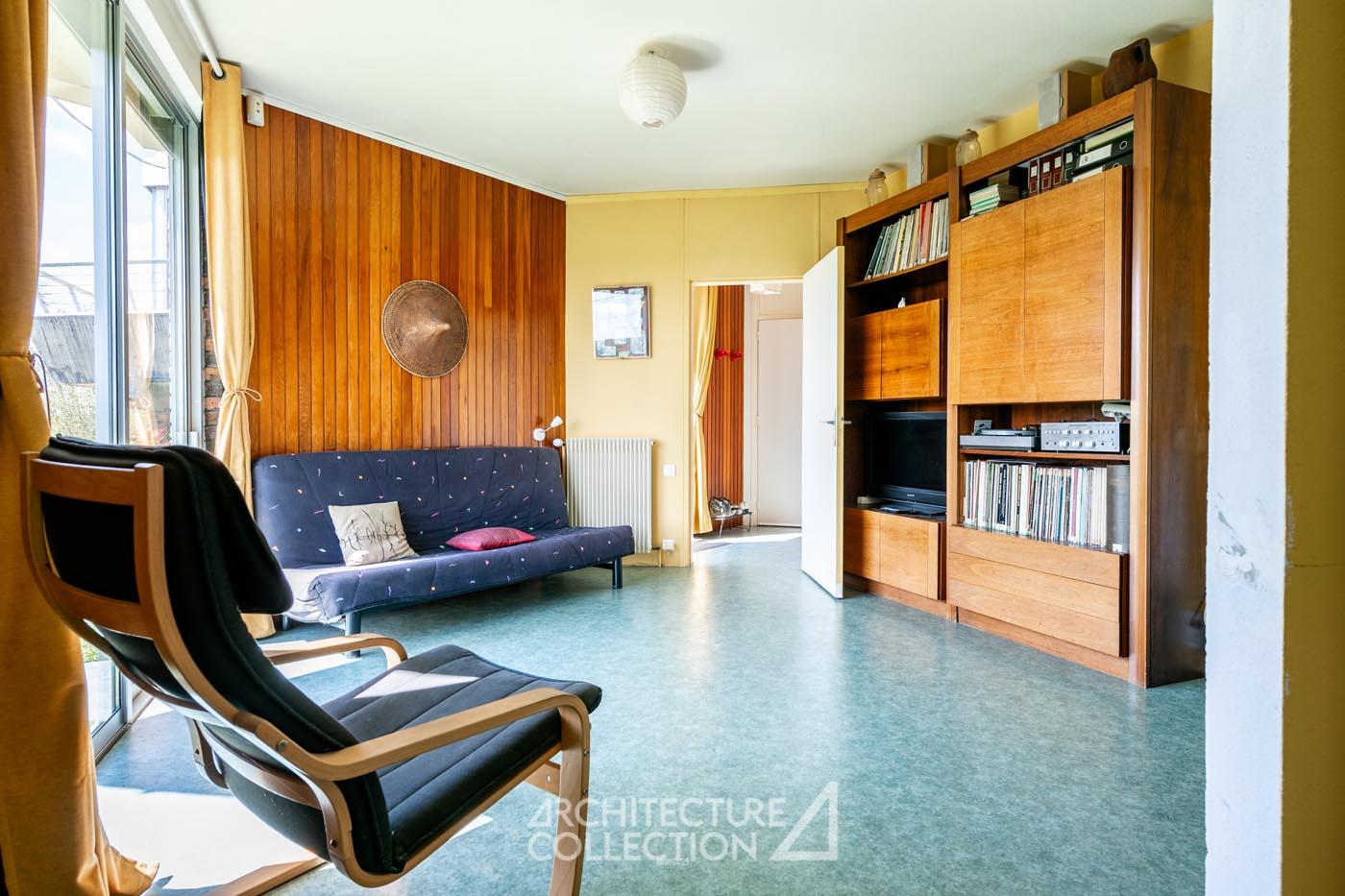
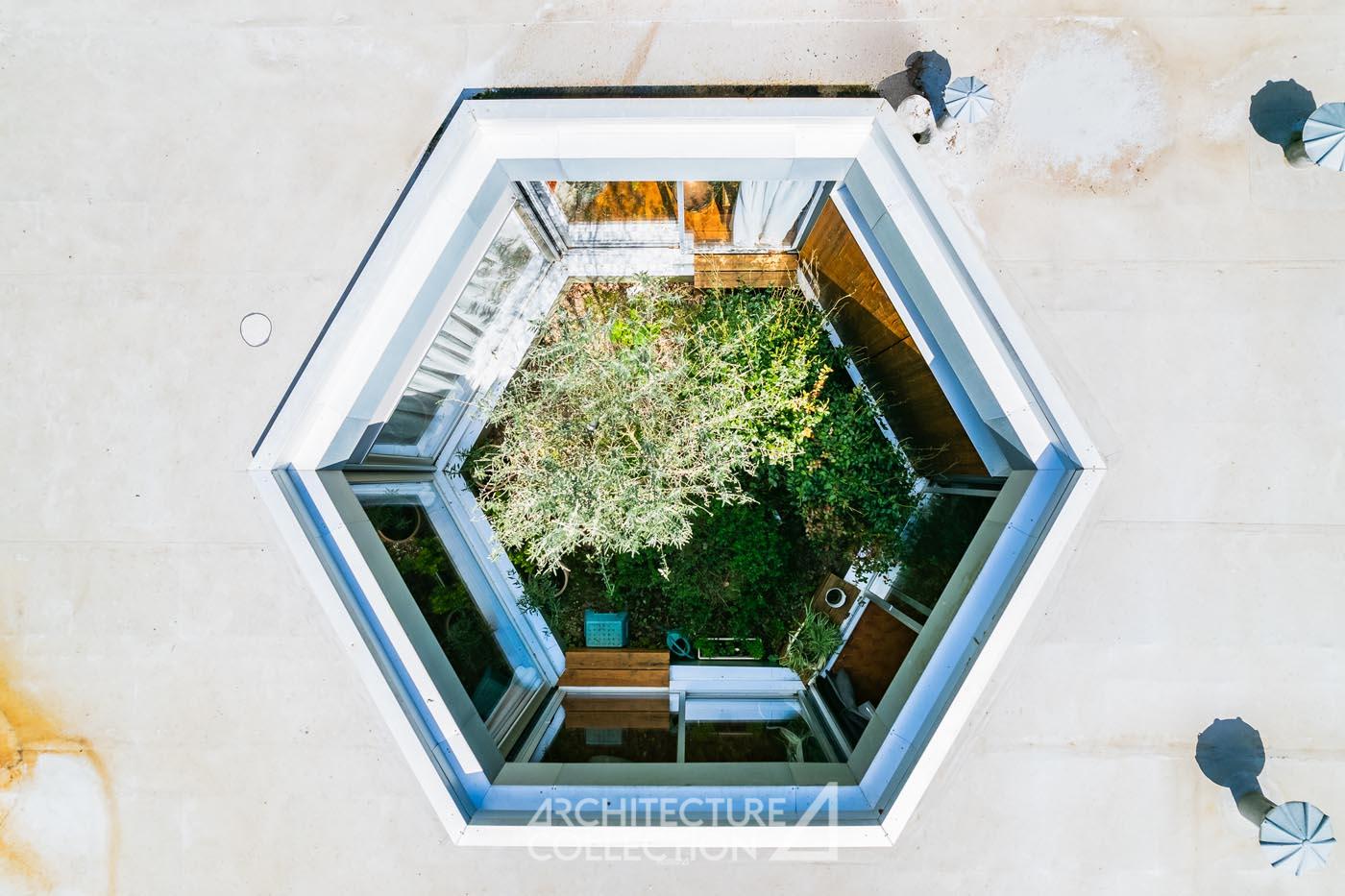
The upper floor also includes an open kitchen, three bedrooms, a shower room, and a bathroom arranged around a patio. The two upper and lower half-levels, designed as independent living units, each have a living room, a bedroom, a kitchen, and a bathroom.
The garden level includes two additional bedrooms, a bathroom, a games room, a workshop, and a boiler room.
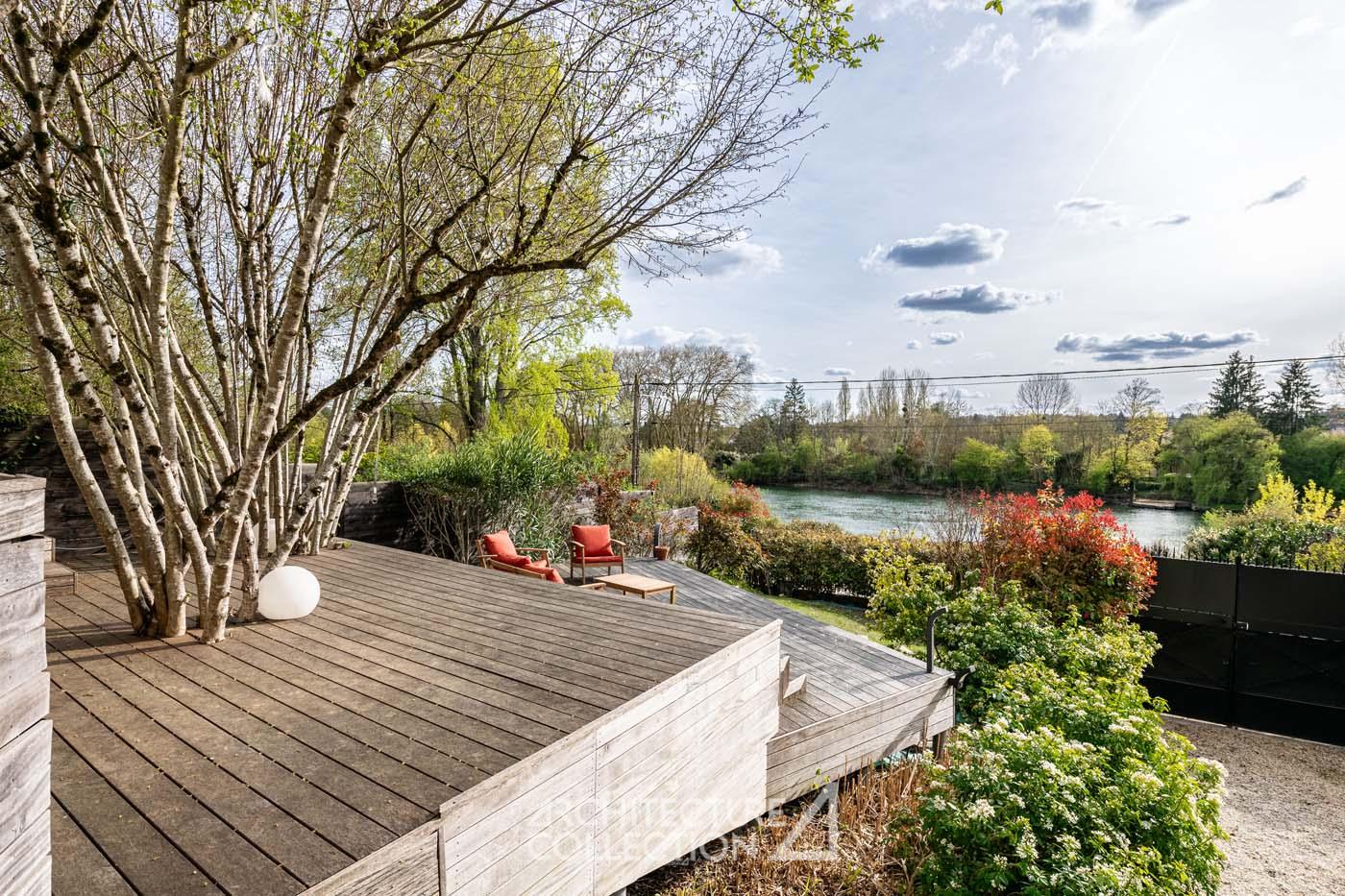
Nestled on the Seine hillsides, at the heart of a natural site, the house enjoys an exceptional environment.
It benefits from the proximity of the town of Nandy and its amenities, a 10-minute drive away, as well as the Château de Vaux-le-Vicomte and the Sénart Forest. Paris is 1 hour away by car and 1.5 hours by public transport.
Technical innovation and prefabricated architecture
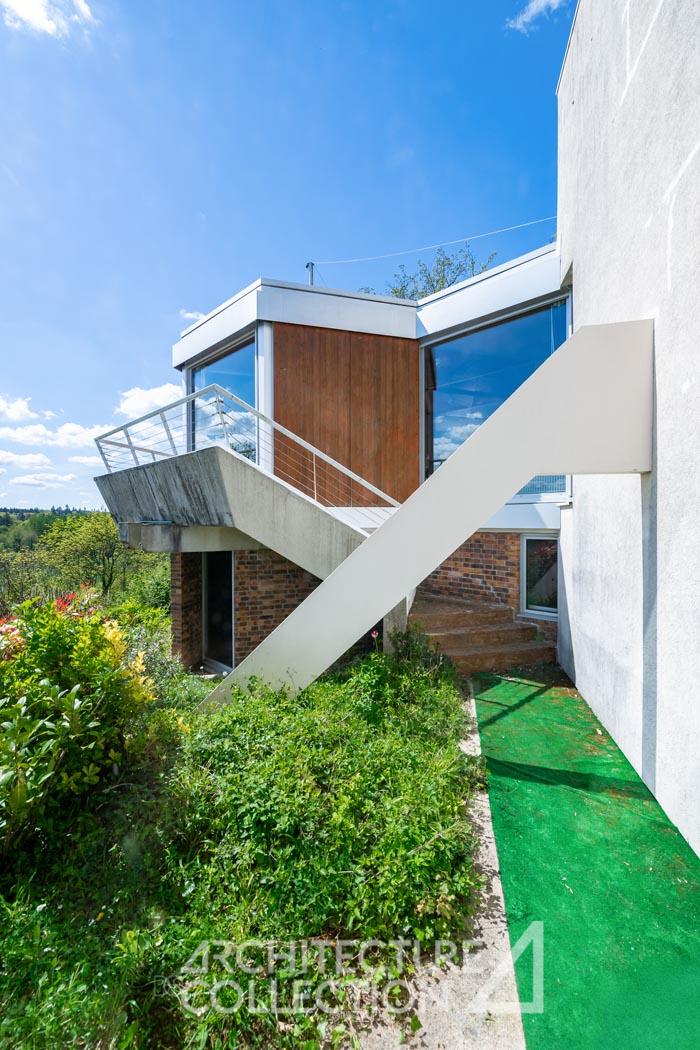
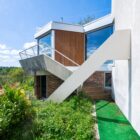
Designed in 1972 by Claude Le Goas, this residence offers a valuable insight into his visionary approach to architecture, combining morphological research, formal exploration, and in-depth reflection on living spaces. Built on a brick base, the structure is distinguished by the use of the GEEP-ALCO “trelement” system, a set of standardized construction elements developed by the German company GEEP Industries.
Its load-bearing aluminum structure consists of three prefabricated triangular elements. Their assembly allows for great modularity in the facades and interior partitions, enabling the deployment of hexagonal modules that give the house its unique and iconic character. The flexibility of the structure, due to the lightness of its elements, makes it possible to concretely envision a form of evolvability (easy assembly, disassembly, expansion, or reduction without demolition).
This evolutionary concept of housing reflects the experimental movement that swept through the French architectural scene of the 1960s-1970s : between engineering and social utopia, architects such as Yona Friedman, Henri Georges Emmerich, and Robert le Ricolais developed cutting-edge research on the morphology of spatial and three-dimensional structures to “liberate space” and open architecture to infinite mobility.

“Trelement” system © Le Goas family archives

Le Goas house © Le Goas family archives
A “Multifamily” house on the Seine hillsides
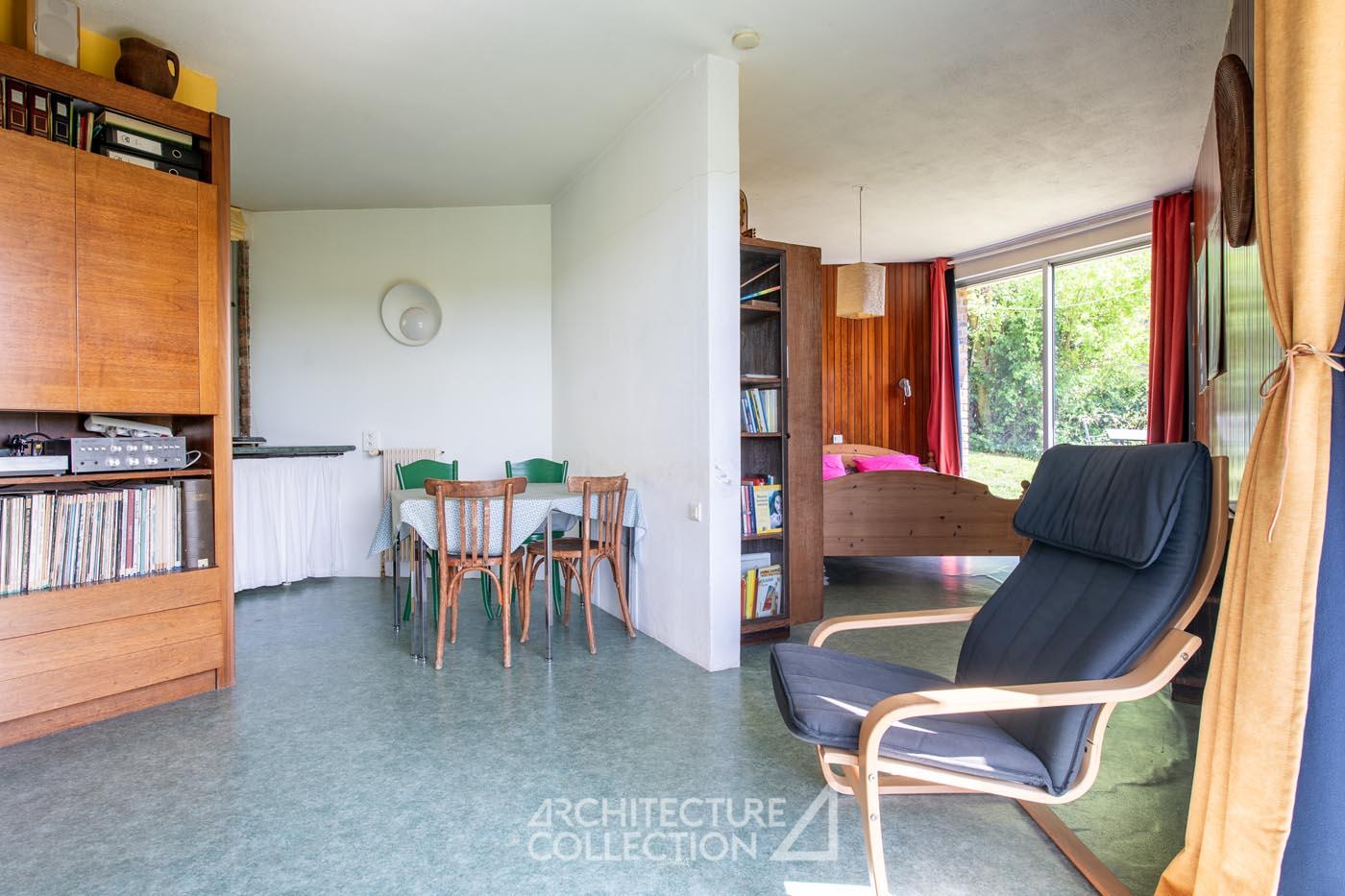
The architect wanted to offer his family a vacation home that could accommodate all its members. The main core of the house is designed as a large gathering space, to which two equipped and independent living units are attached.
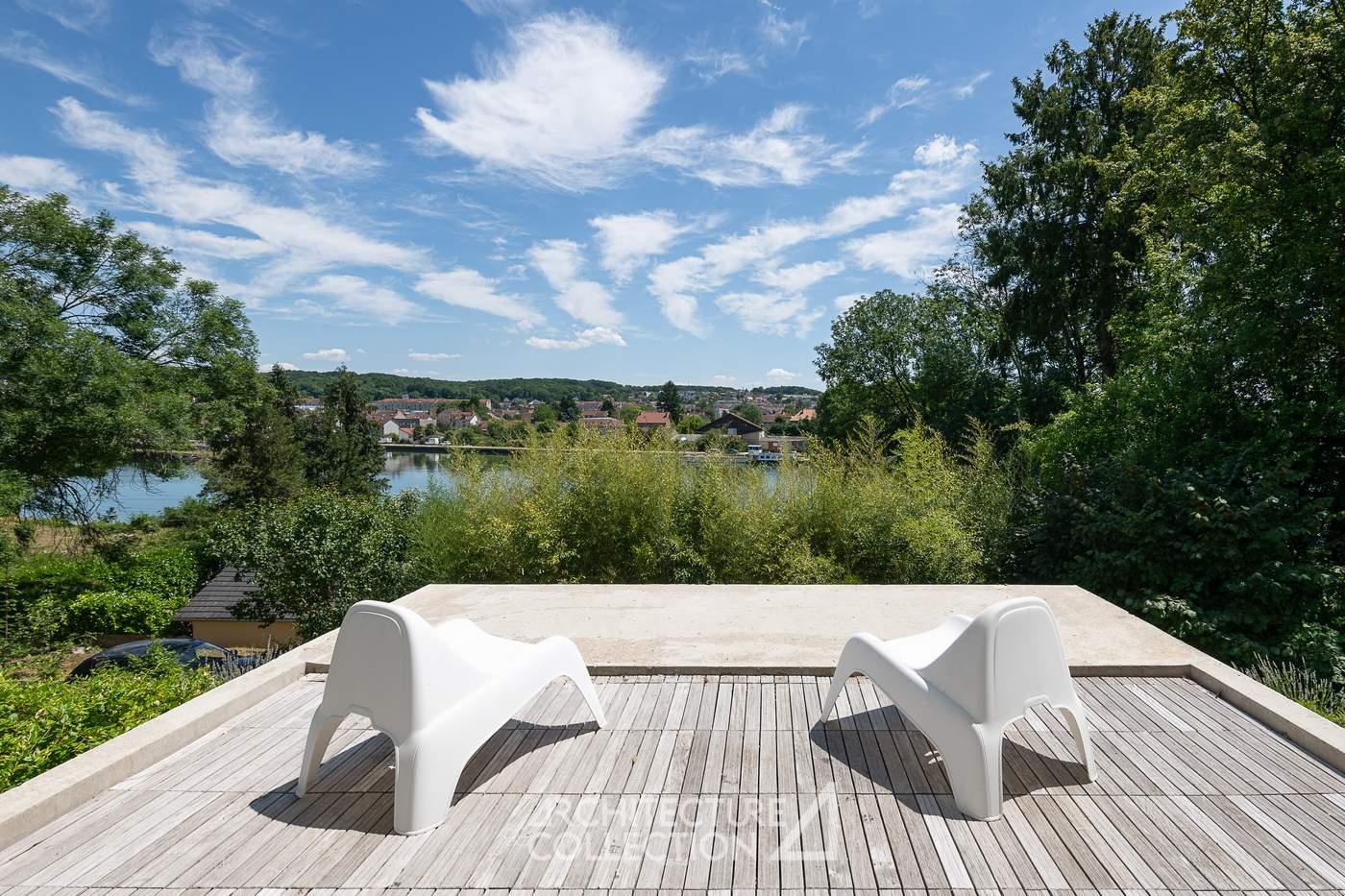
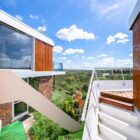
The house overlooks the Seine and offers panoramic views of the surrounding forests, in a peaceful and natural environment.

Claude Le Goas © Le Goas family archives

Montreuil conservatory, Claude Le Goas
Benches : ATURBA, ventilation chimneys : Michel Wieber © astudejaoublie.blogspot.com
Claude Le Goas : experimentation and commitment
Born in 1928 in Blois and passed away in 2007 in Paris, Claude Le Goas was a French architect and urban planner, a pioneer of urban renewal, and a communist activist. After graduating from the École Spéciale d’Architecture in 1952, he partnered with Marius Depondt and Serge Lana, founding his own agency in 1957.
The architects quickly specialized in the urban renewal of city centers and suburbs, such as those of Bagnolet, Bobigny, Montreuil, and Neuilly-sur-Marne. Le Goas also served as urban planner for the city of Montreuil, where he notably designed the Conservatory of Music and Dance (1968) and the CGT headquarters (1982).
In 1965, Depondt, Lana, and Le Goas created ATURBA (Atelier d’Urbanisme et d’Architecture), a design office developing innovative concepts such as “urban layers” and prefabrication. A influential theorist on housing, the architect left a legacy of technical, political, and social innovation and commitment.
Technical infos
Asking price : 980 000 €
Agency fees are the responsibility of the seller.
Property tax : 4 500 €
Fuel condensing boiler (2014) and fireplace
Double-glazed metal window frames (2011)
Original individual sewage system
Alarm & fiber internet
Work to be planned : heritage diagnostic available upon request
Information on the risks to which this property is exposed is available on the Géorisques website : www.georisques.gouv.fr
© Texts Architecture de Collection
© Photos Olivier Reynes
DPE : in progress