Description
Renovate an apartment in a remarkable residence in the heart of the 11th arrondissement
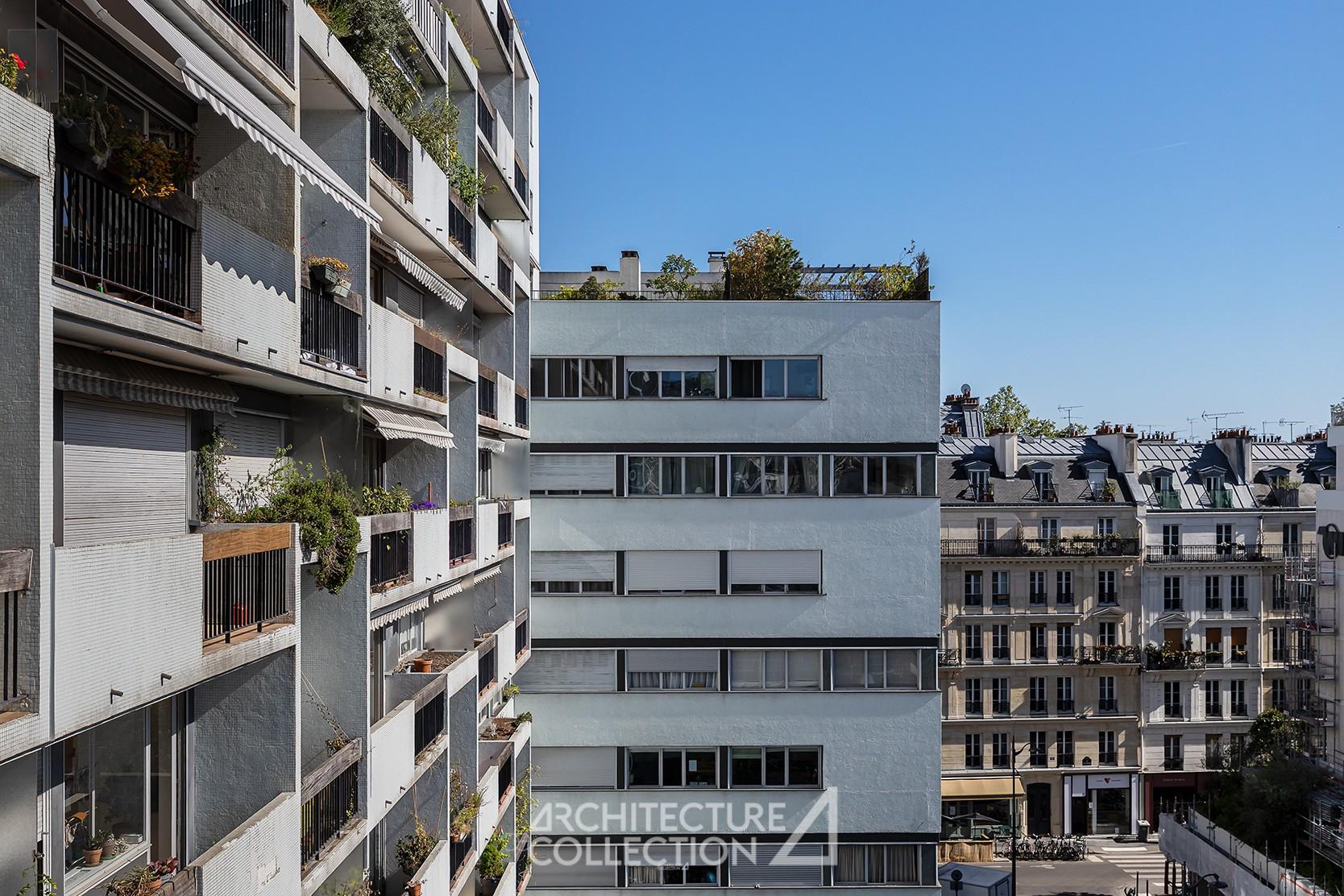
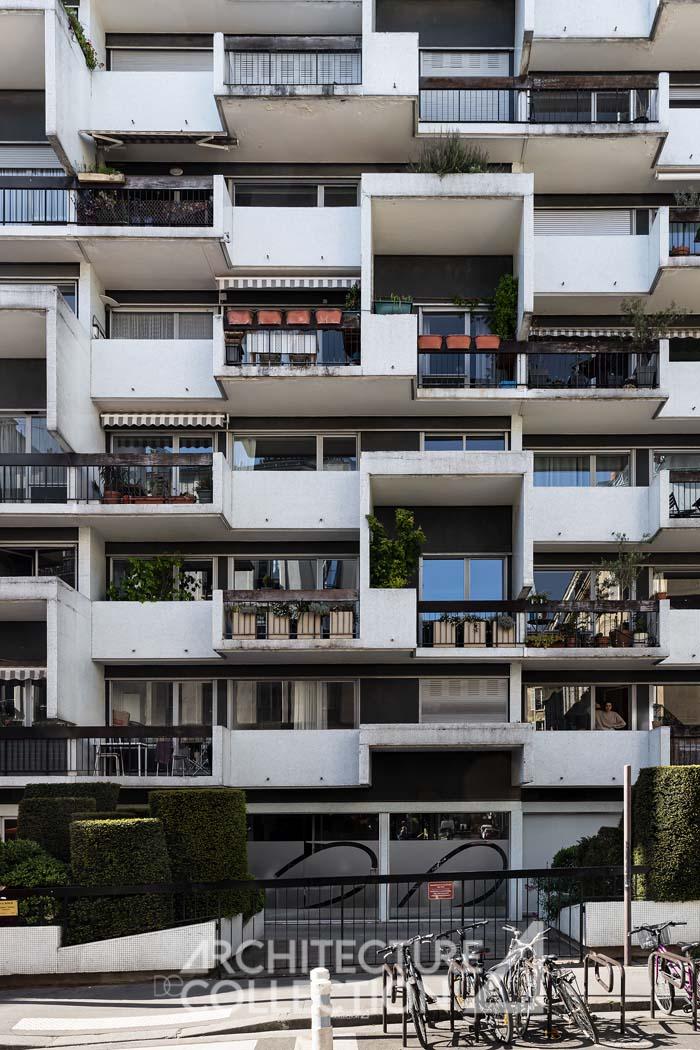
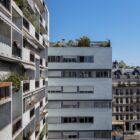
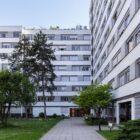
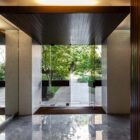
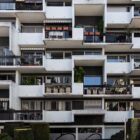
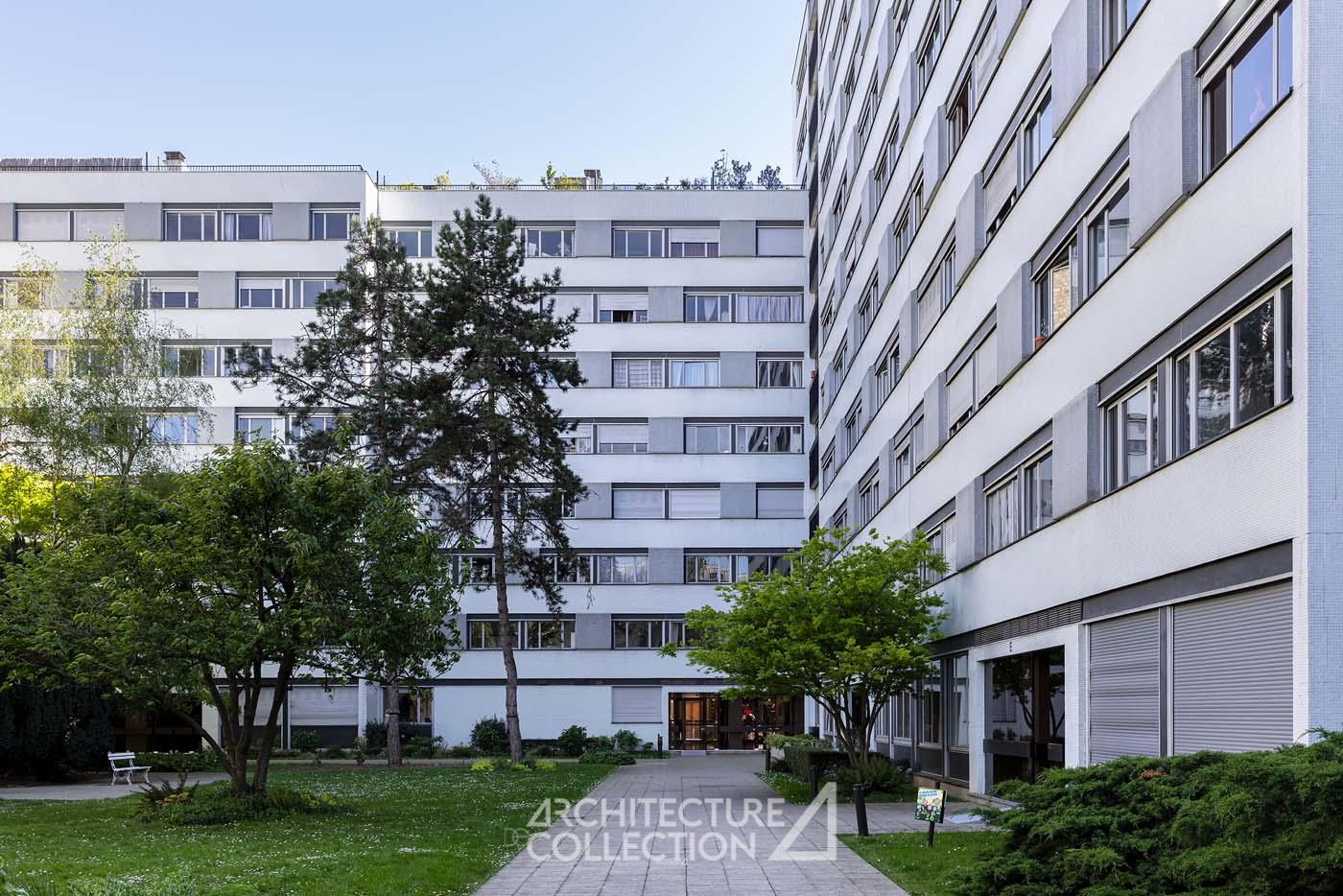
This upper-floor apartment is located in a sculptural building designed by Roger Anger in 1969. Conceived as a total work of art, the complex stands out for its rhythmic façade and common areas, designed by L’Oeuf – Centre d’étude, making it an iconic feature of Parisian architectural landscape of the 1960s.
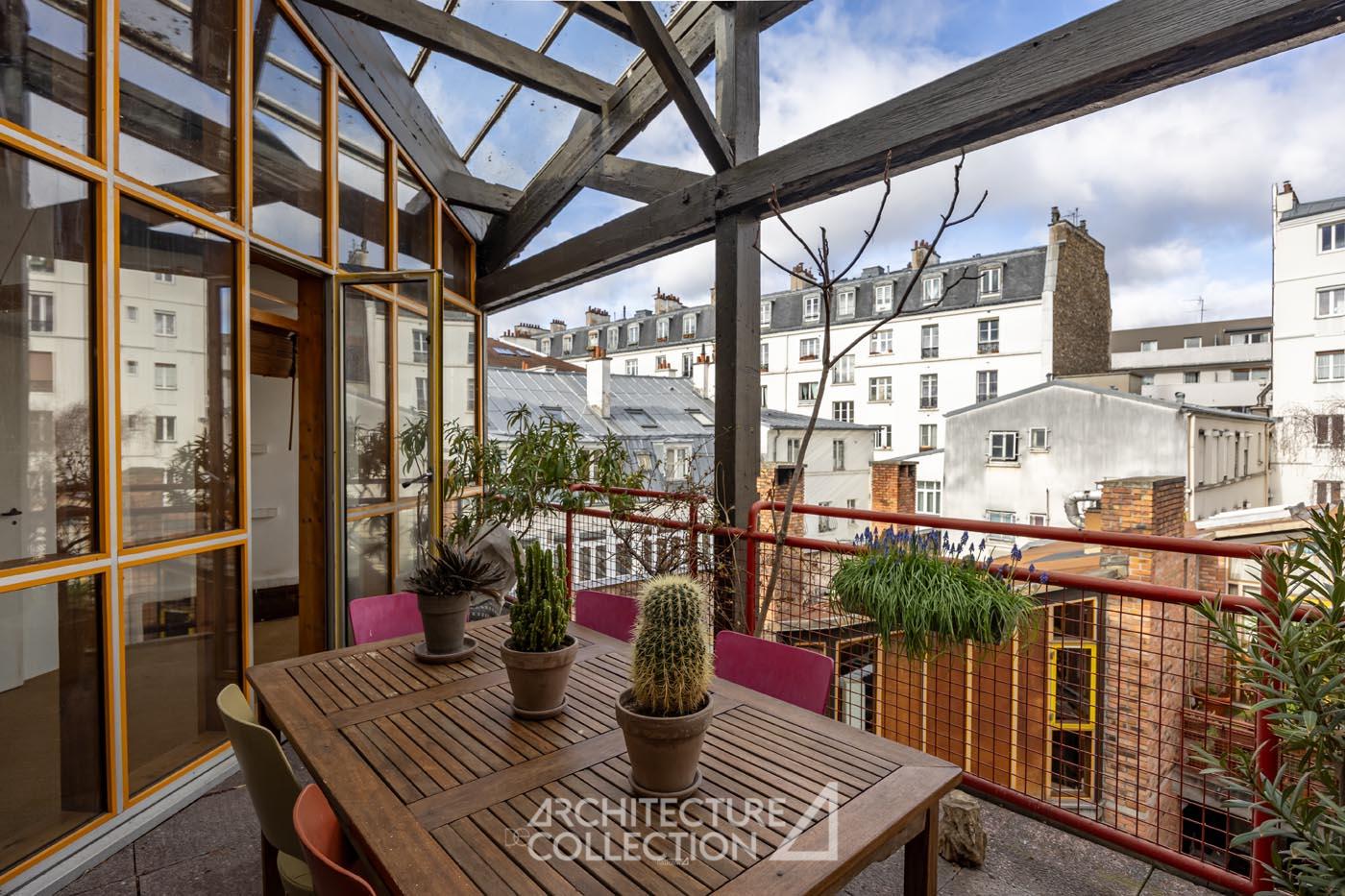
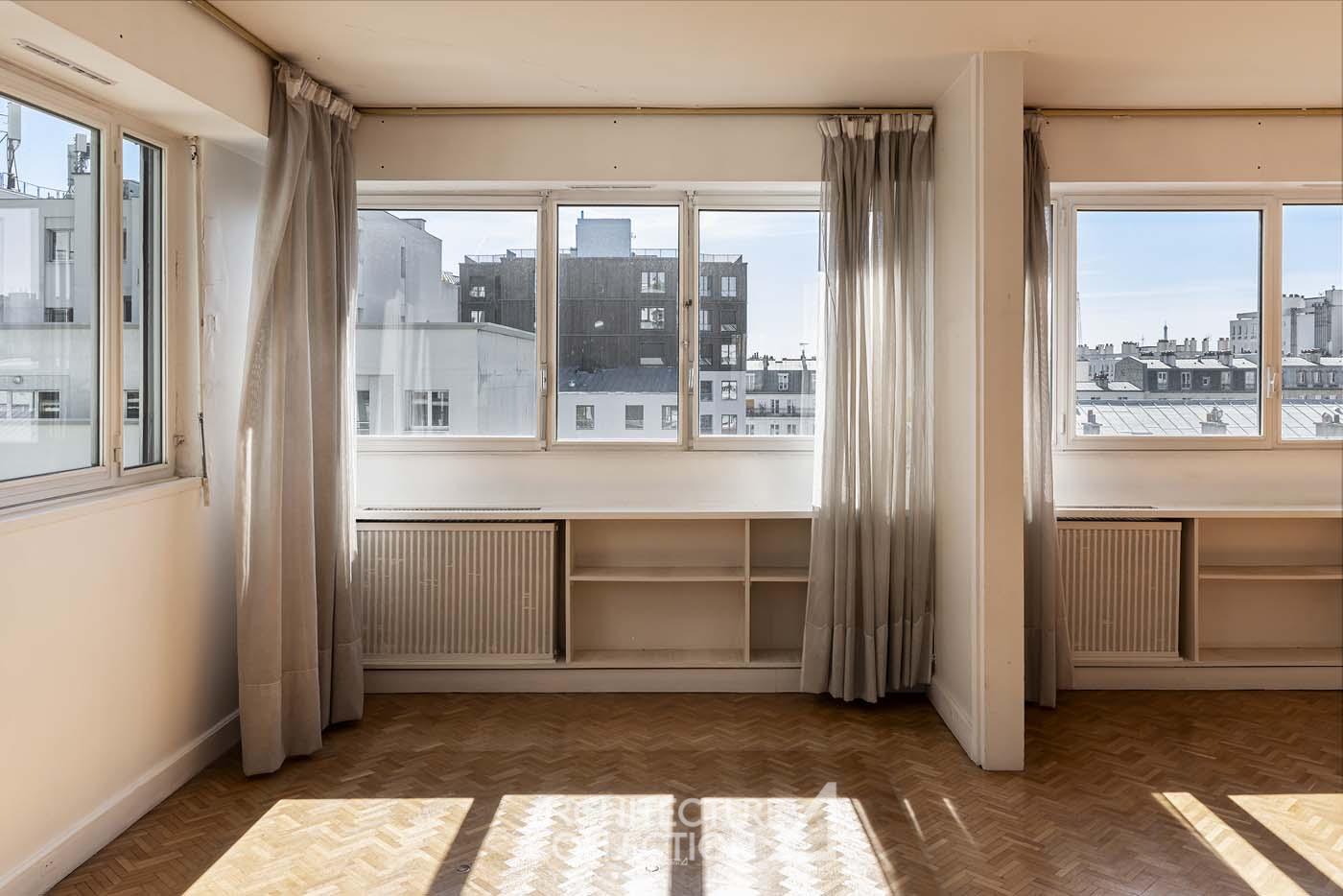
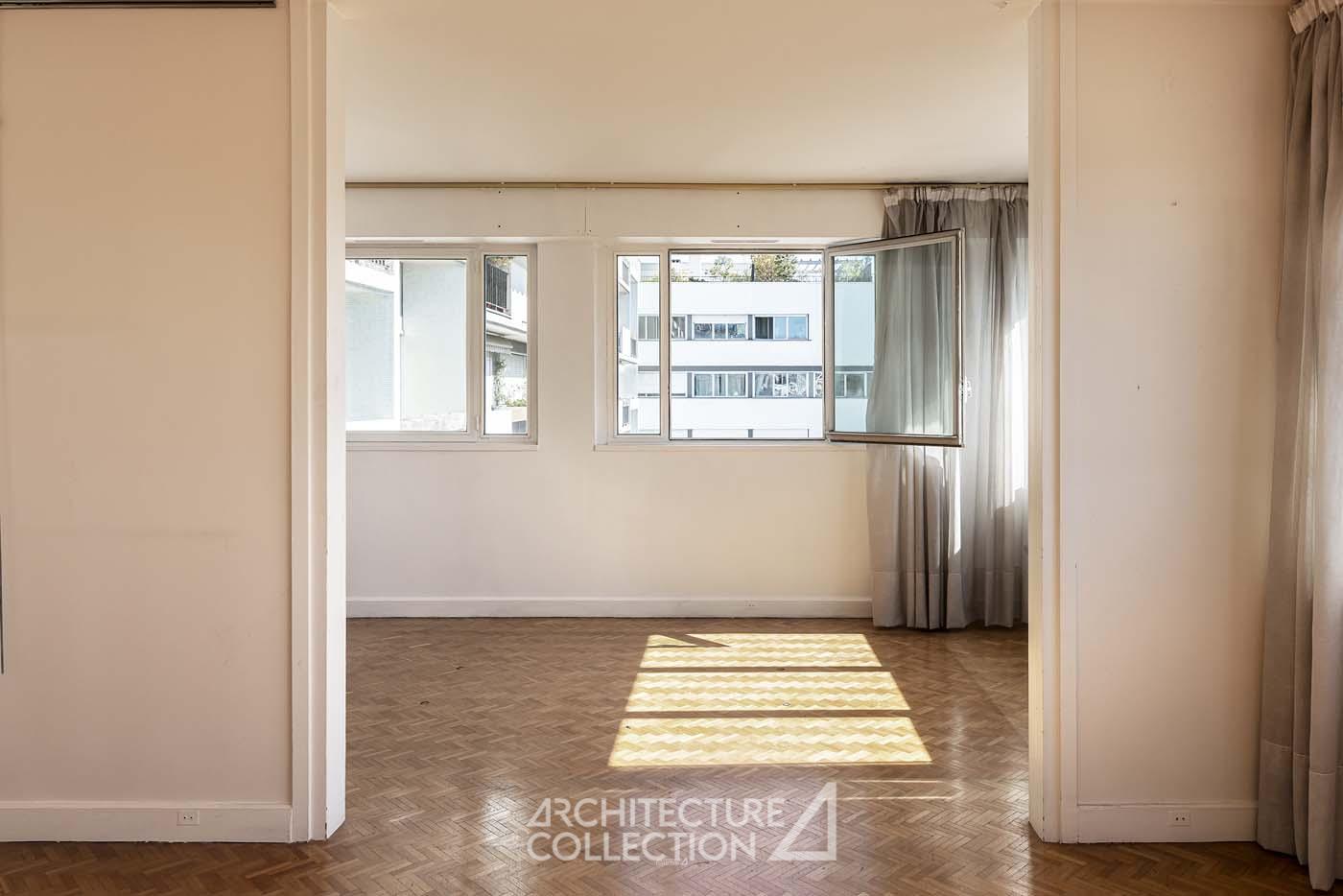
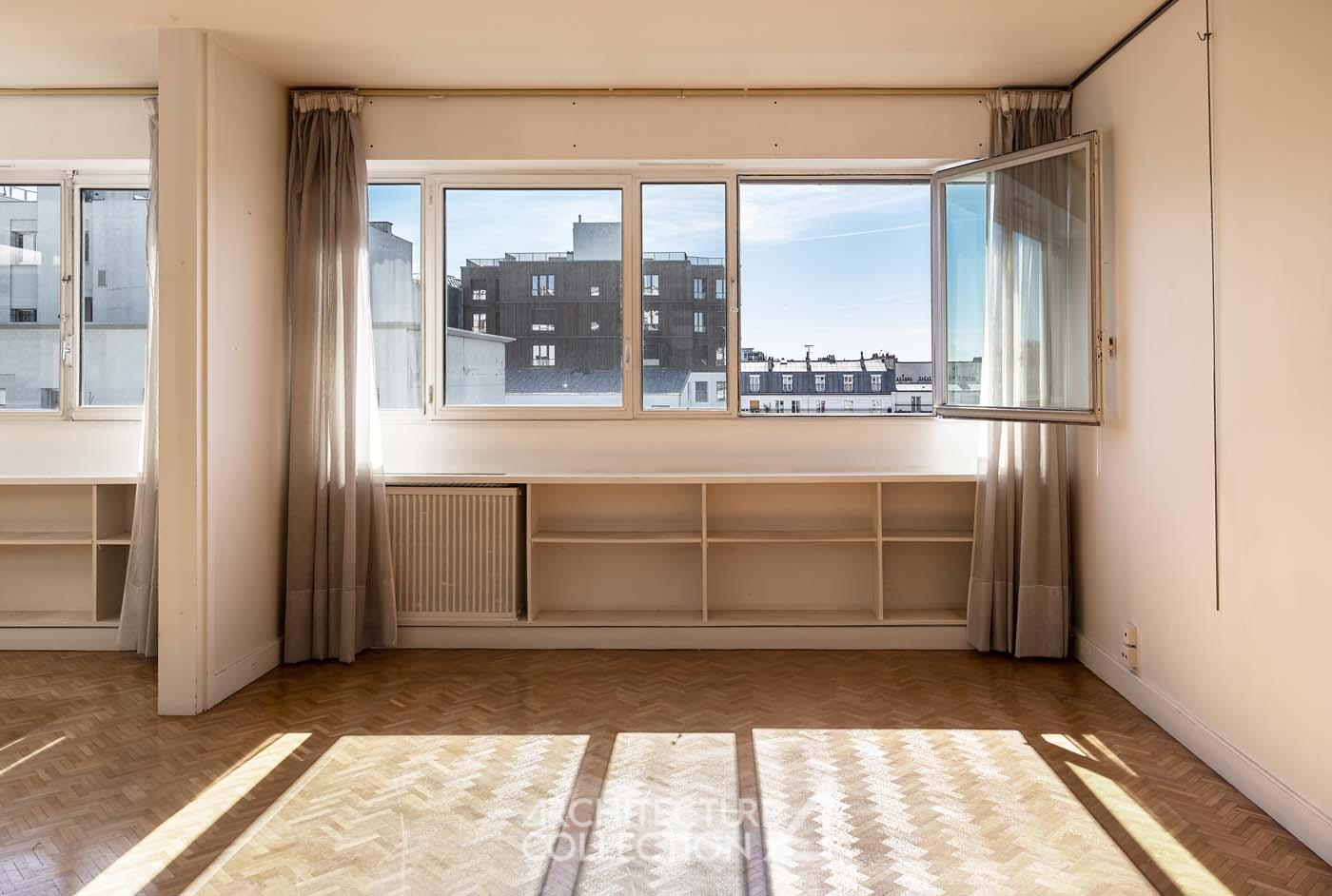
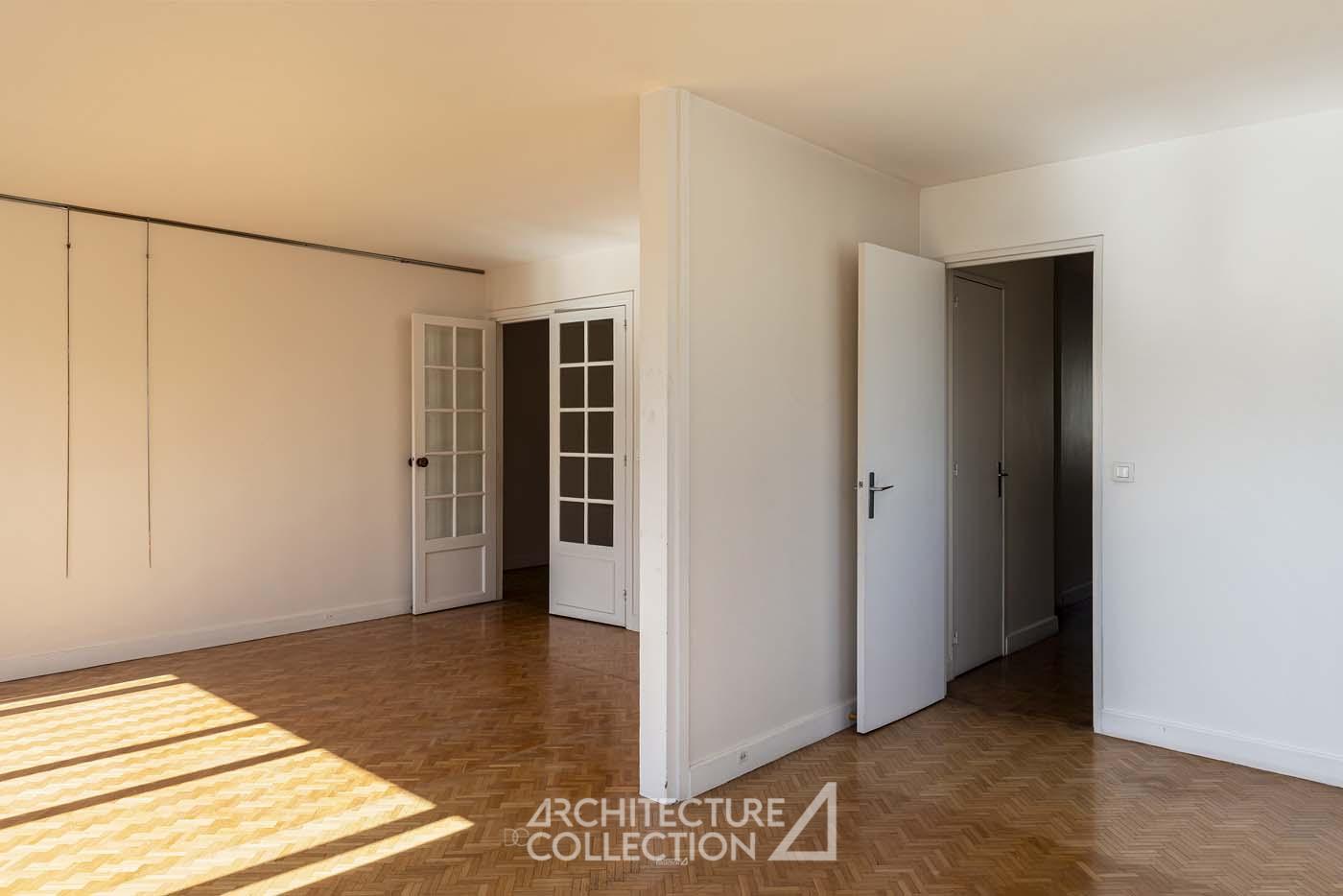
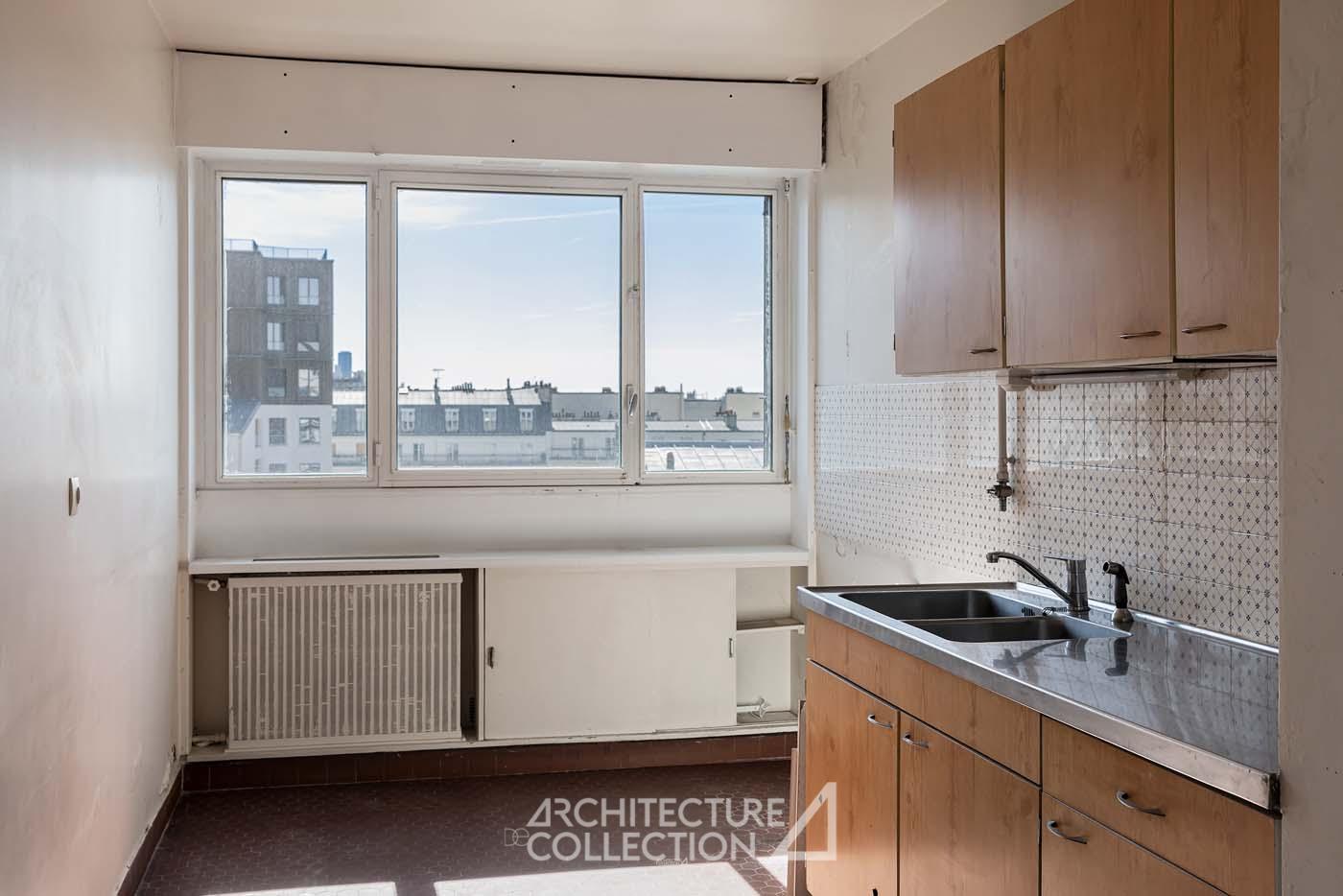
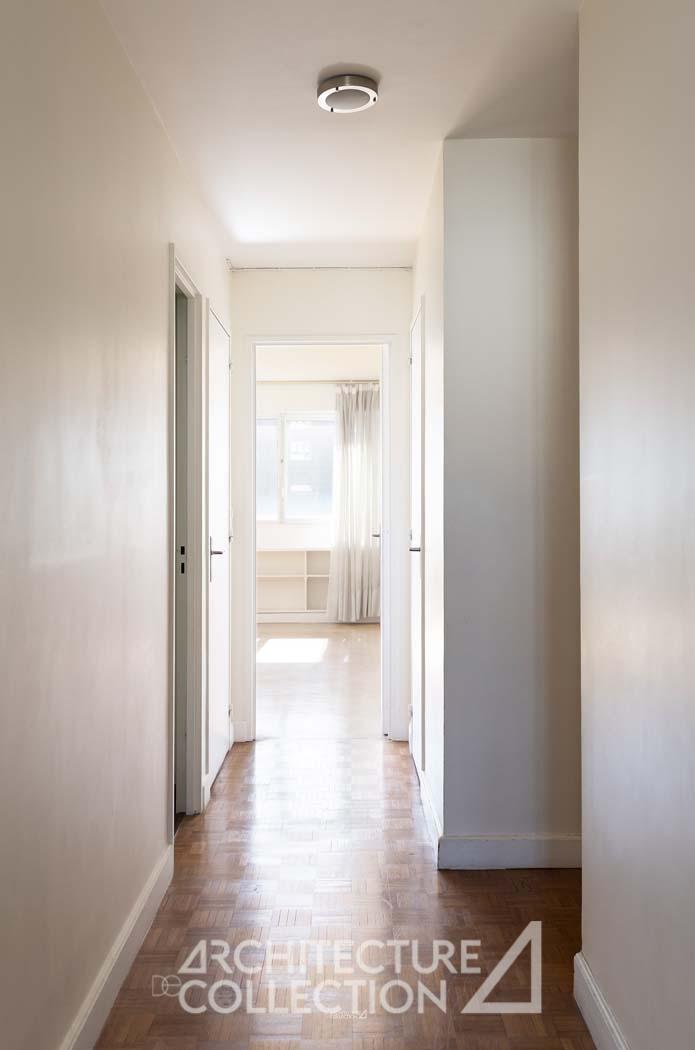
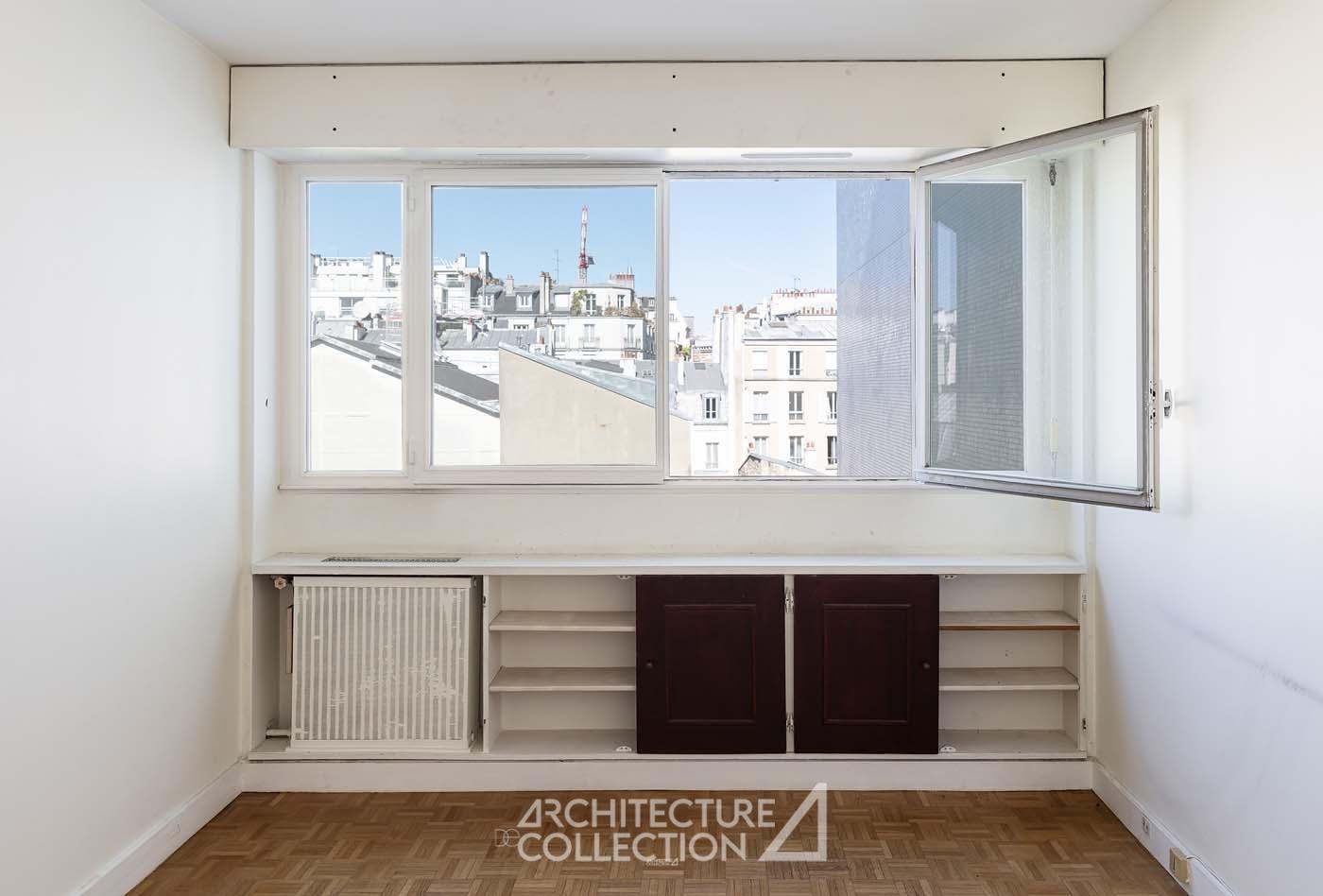
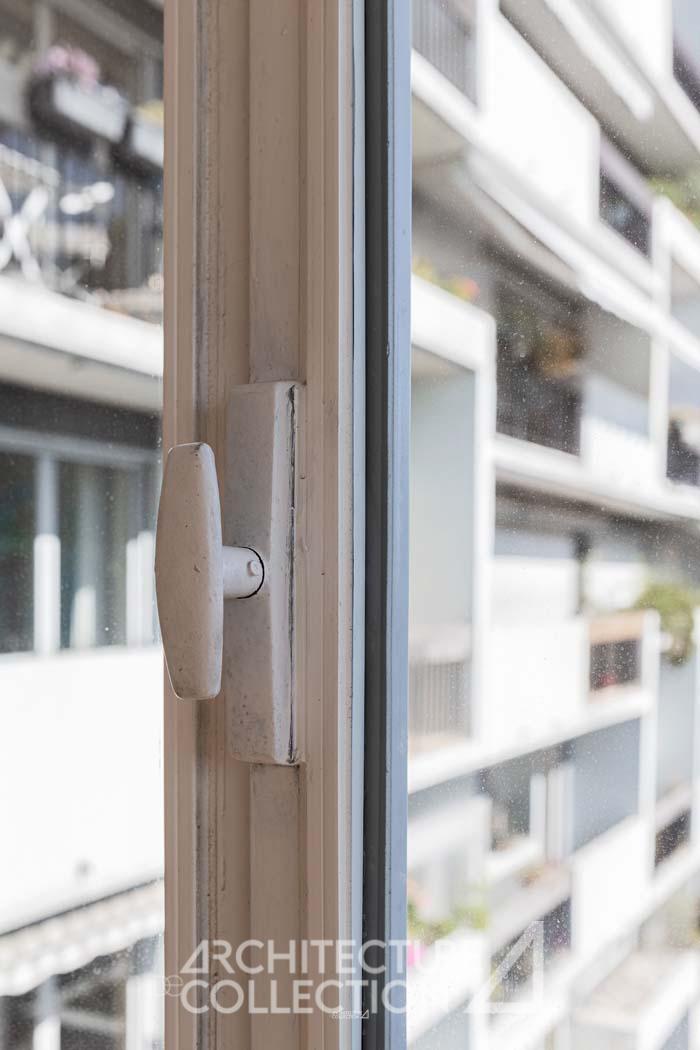
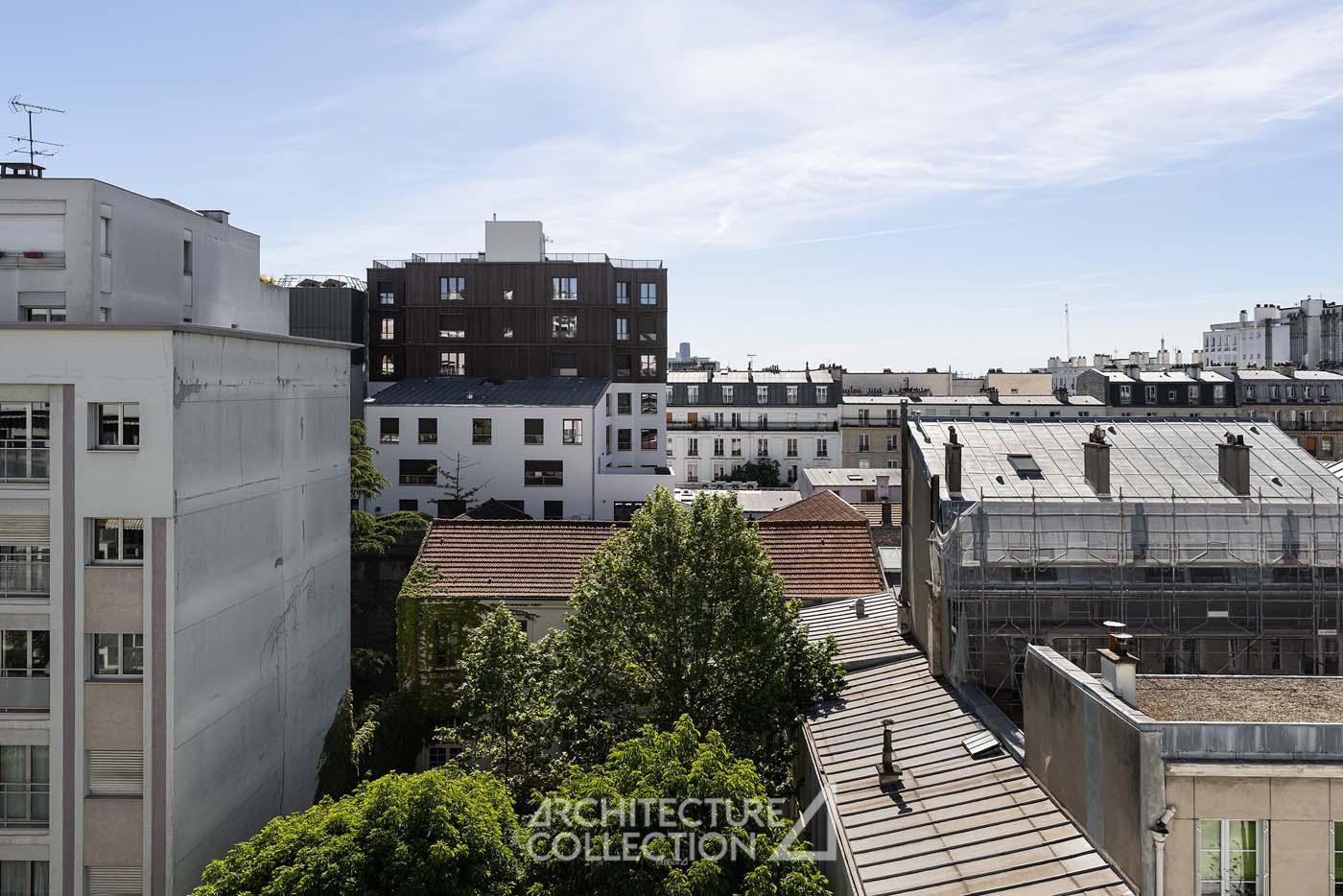
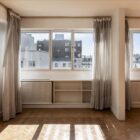
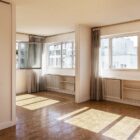
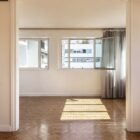
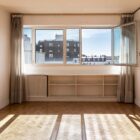
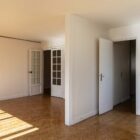
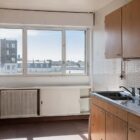
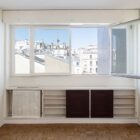
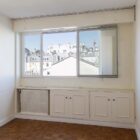
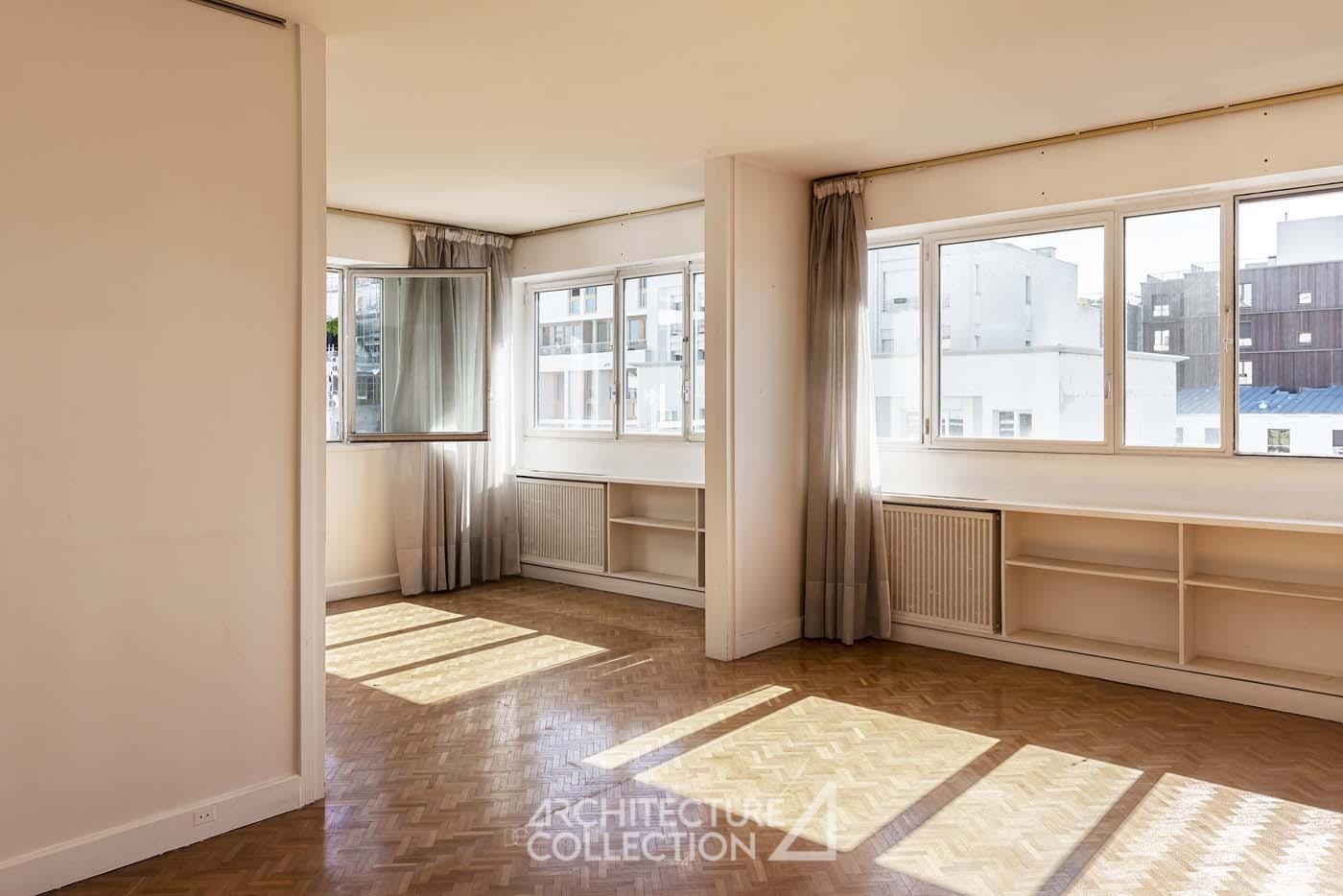
An entrance with storage leads to the apartment’s rooms. The south-west facing living spaces include a separate kitchen and a double living room, both bathed in natural light thanks to numerous windows.
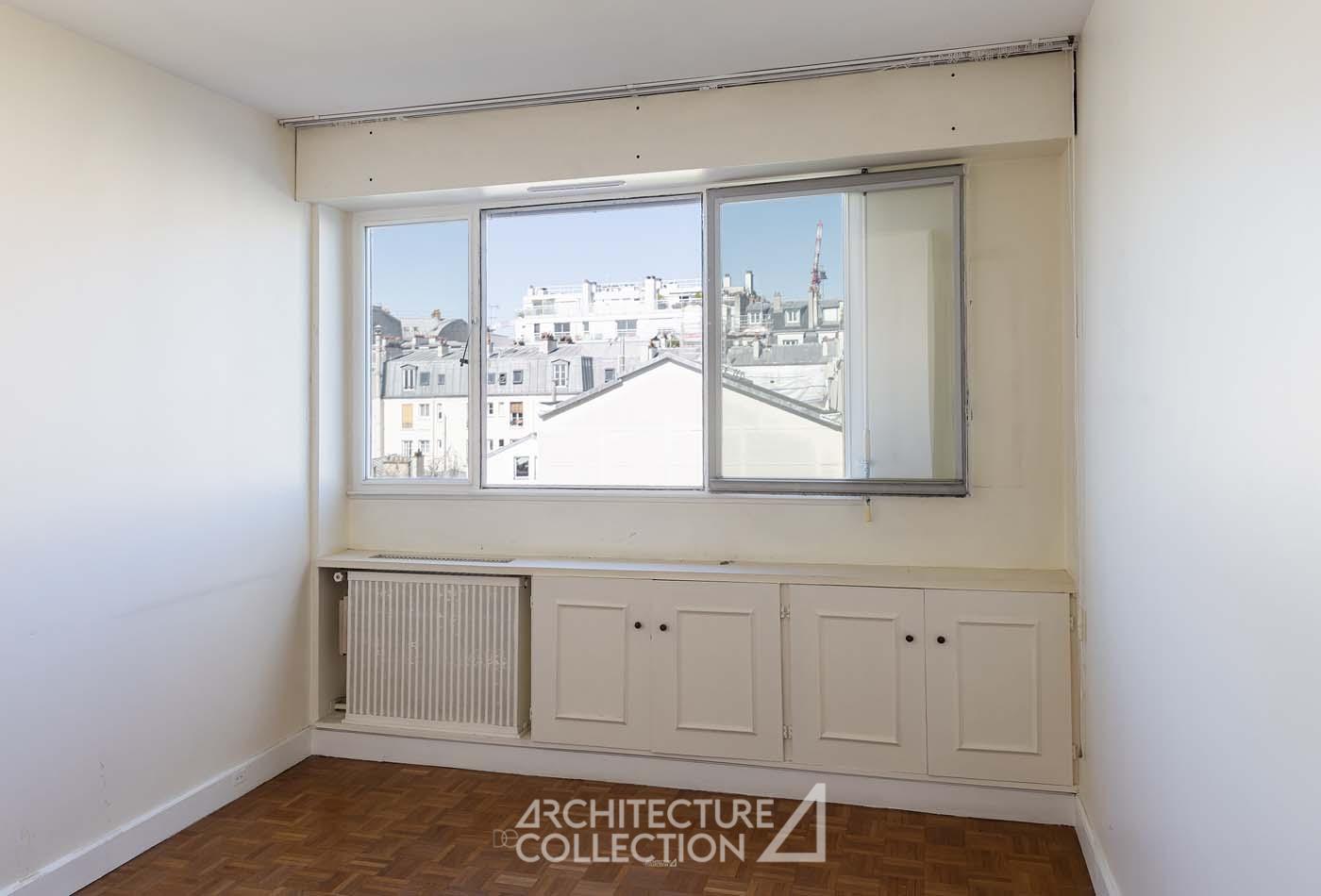
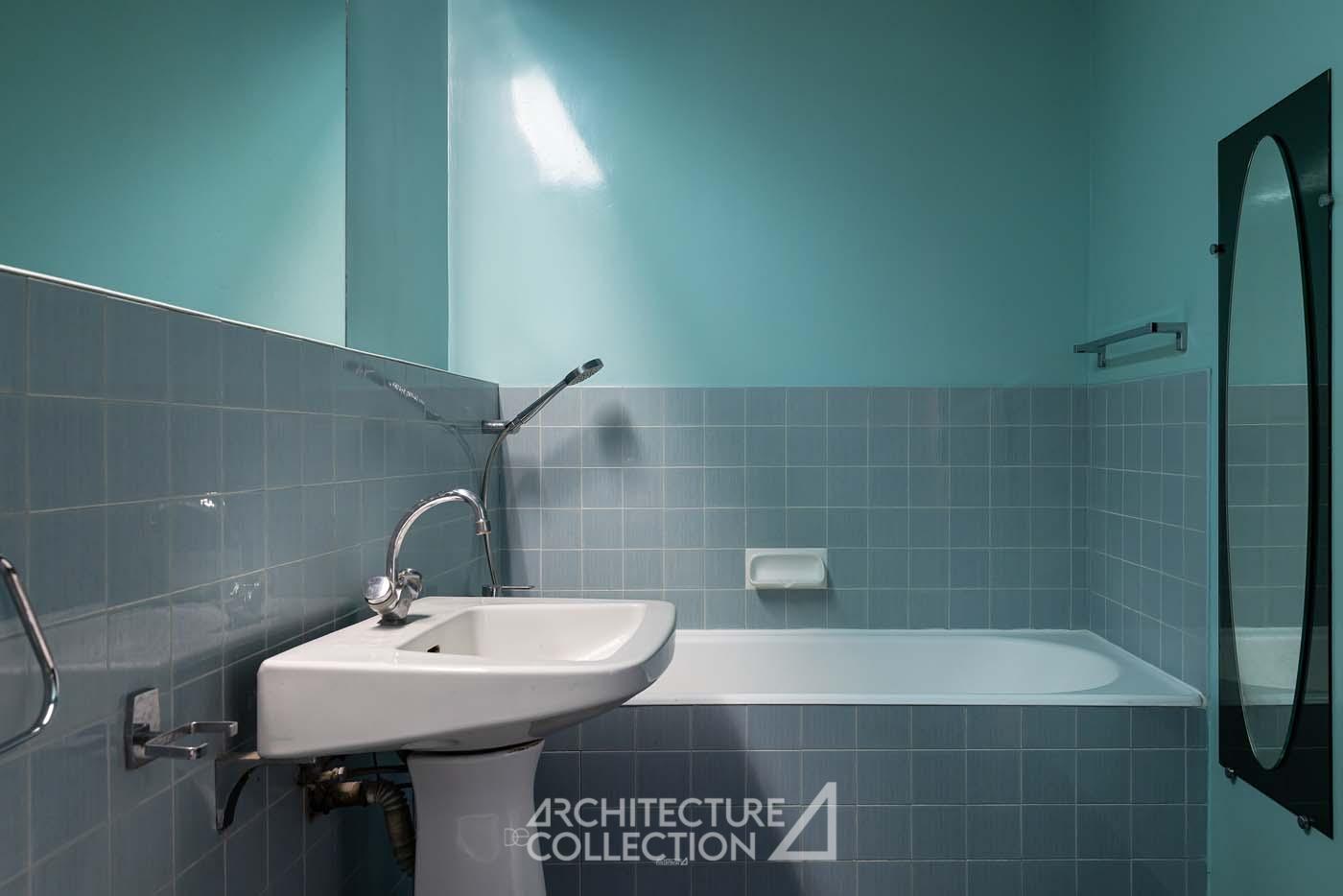
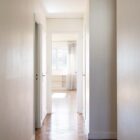
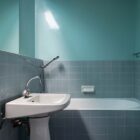
The night area features 3 bedrooms, a shower room, a bathroom with toilet, and a separate toilet.
A storage room and a laundry room complete this property, which also includes a cellar and a closed parking space accessible in the basement.
The apartment requires renovation work and offers great potential for customization.
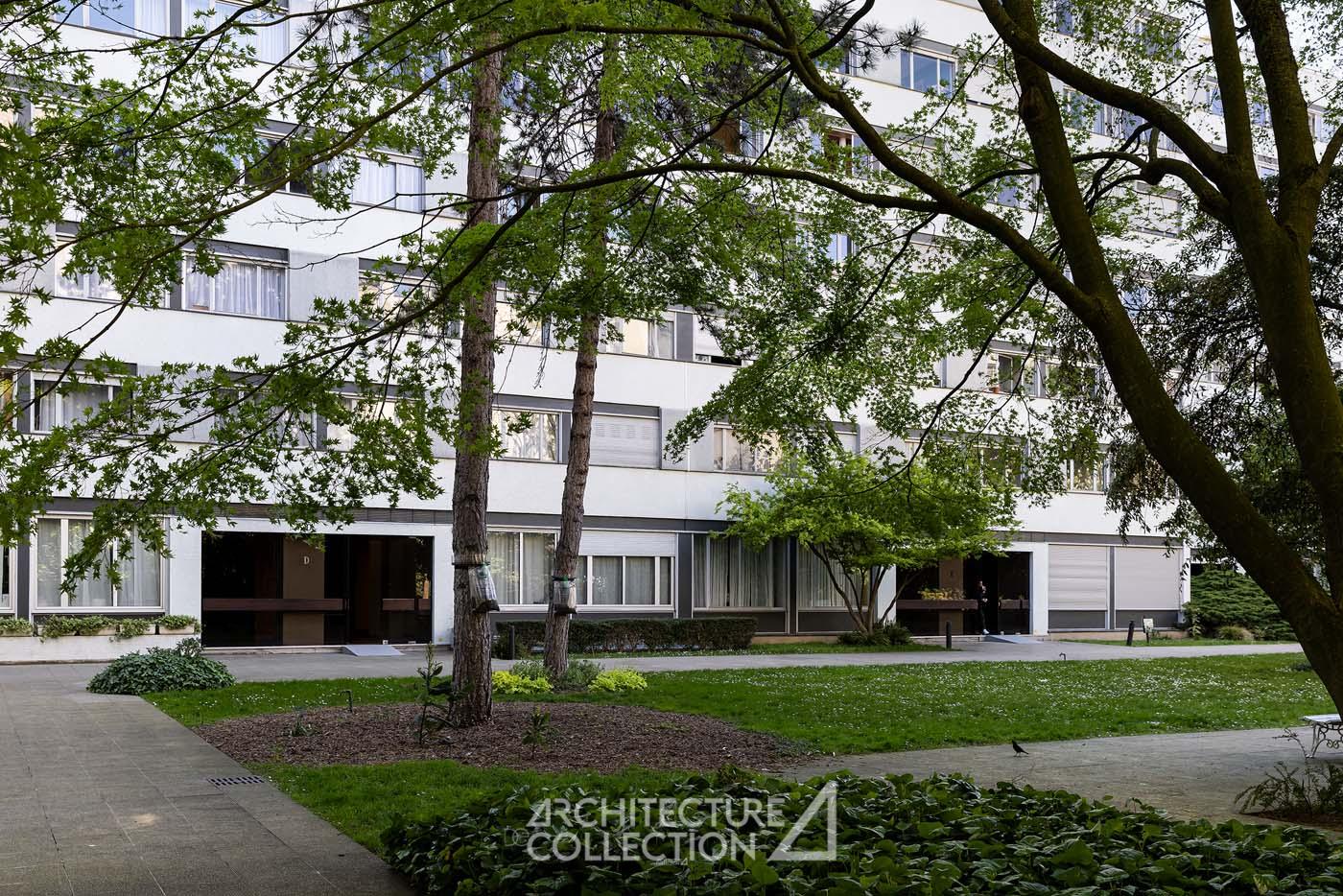
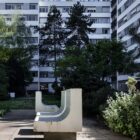
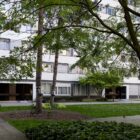
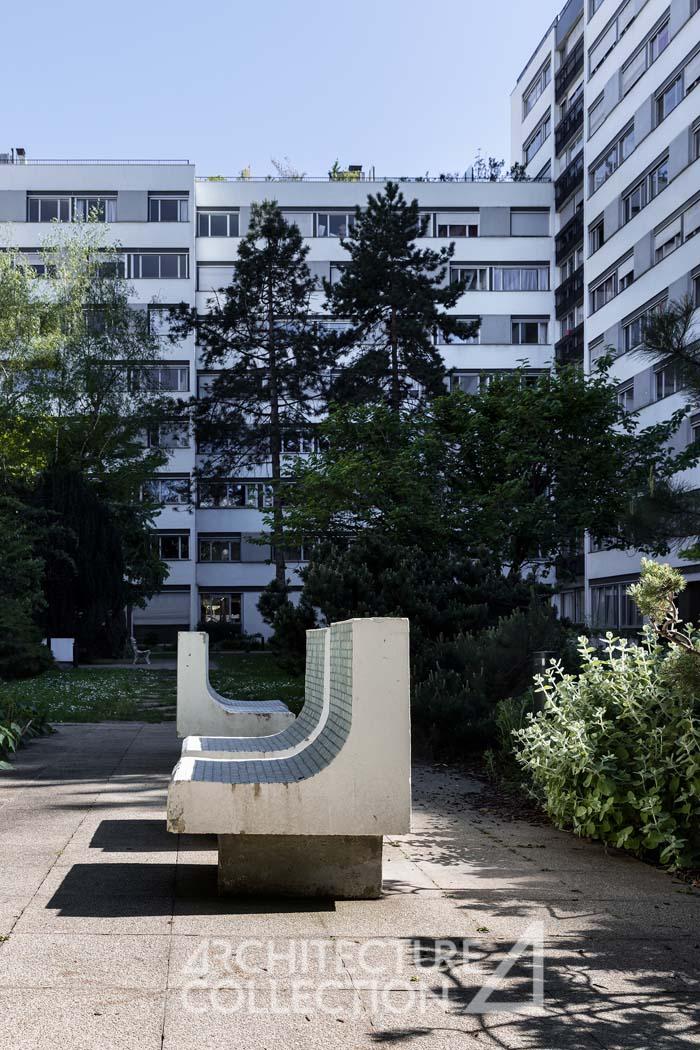
It benefits from privileged access to the co-ownership garden. The tree-lined and peaceful gardens still feature the original outdoor furniture made of concrete and covered with mosaics.
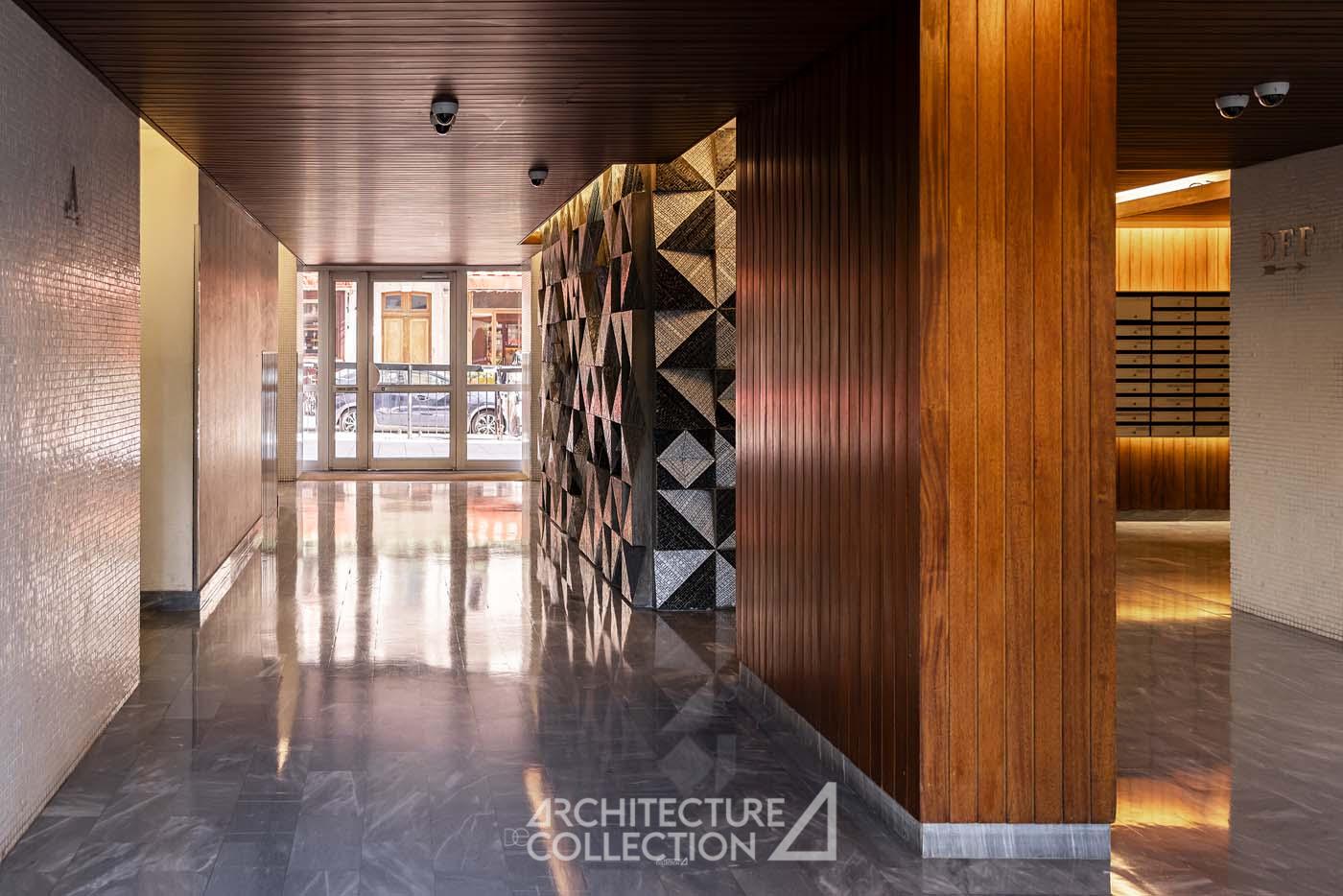
The residence is equipped with surveillance cameras, two caretakers, a digicode system, and an intercom.
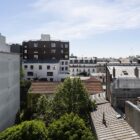
Ideally located in the Saint-Ambroise district, close to a square and all amenities, this apartment is 3 minutes from the Rue Saint-Maur metro station (line 3) and a 5-minute walk from Saint-Ambroise (line 9) and Ménilmontant (line 2) stations.
Geometry and renewal of collective housing
This building was born from the collaboration between Roger Anger and Mario Heymann. With its play of volumes on the façade, it is part of the agency’s tradition of renewing and revitalizing collective housing models, rejecting the standardization of mass minimalist architecture. The aim is to make the individual dimension of the dwellings and the human scale of these new urban creations visible.
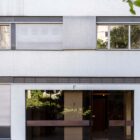
For this residence, the projections and setbacks on the façade, beyond their plastic qualities, also avoid the extra costs associated with complex waterproofing systems. The living rooms of the apartments extend onto the façade through an articulation of volumes that highlights each housing unit with loggias and balconies of different depths.
Synthesis of the arts : L’Oeuf, Centre d’étude
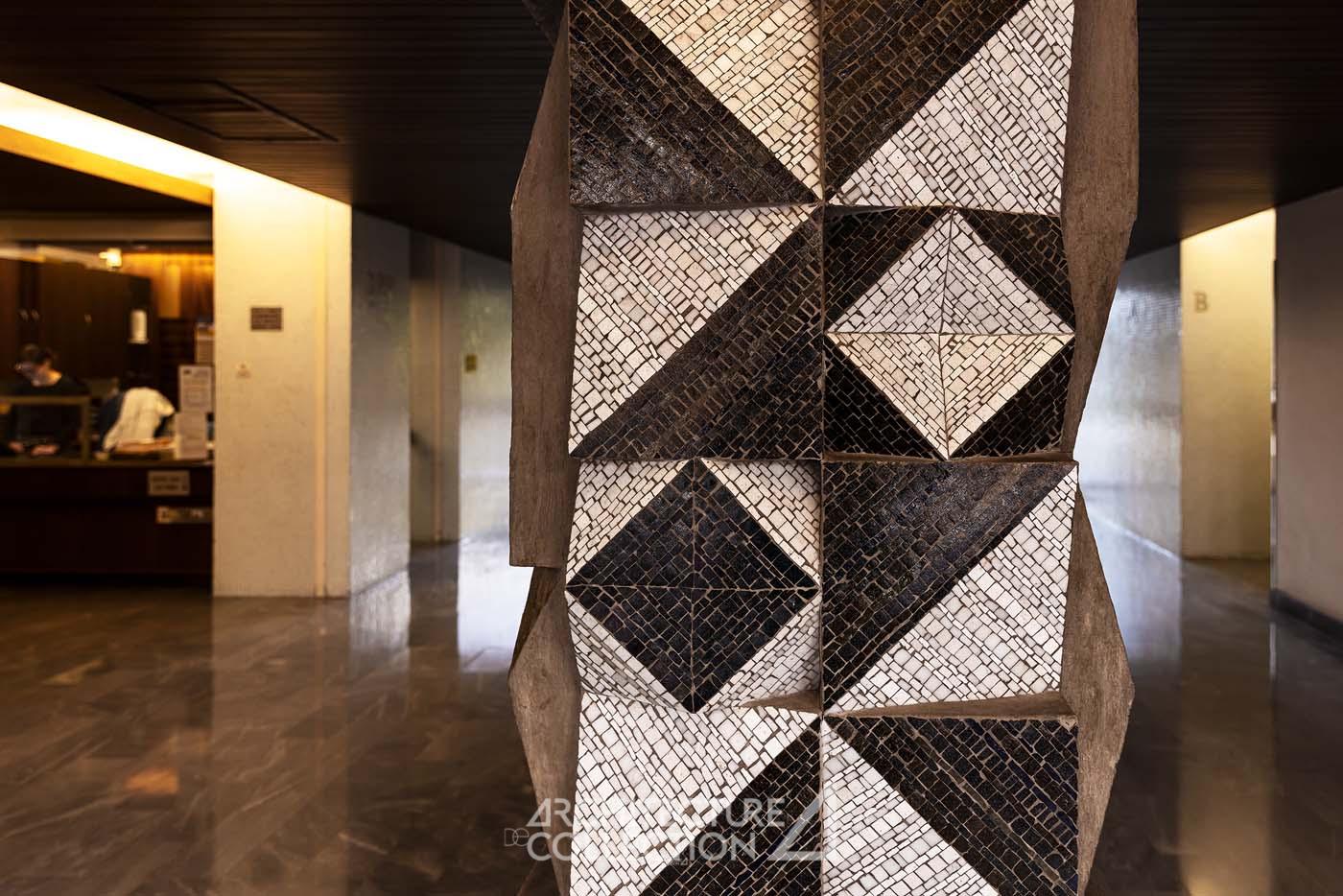
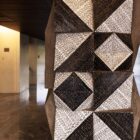
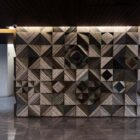
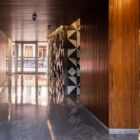
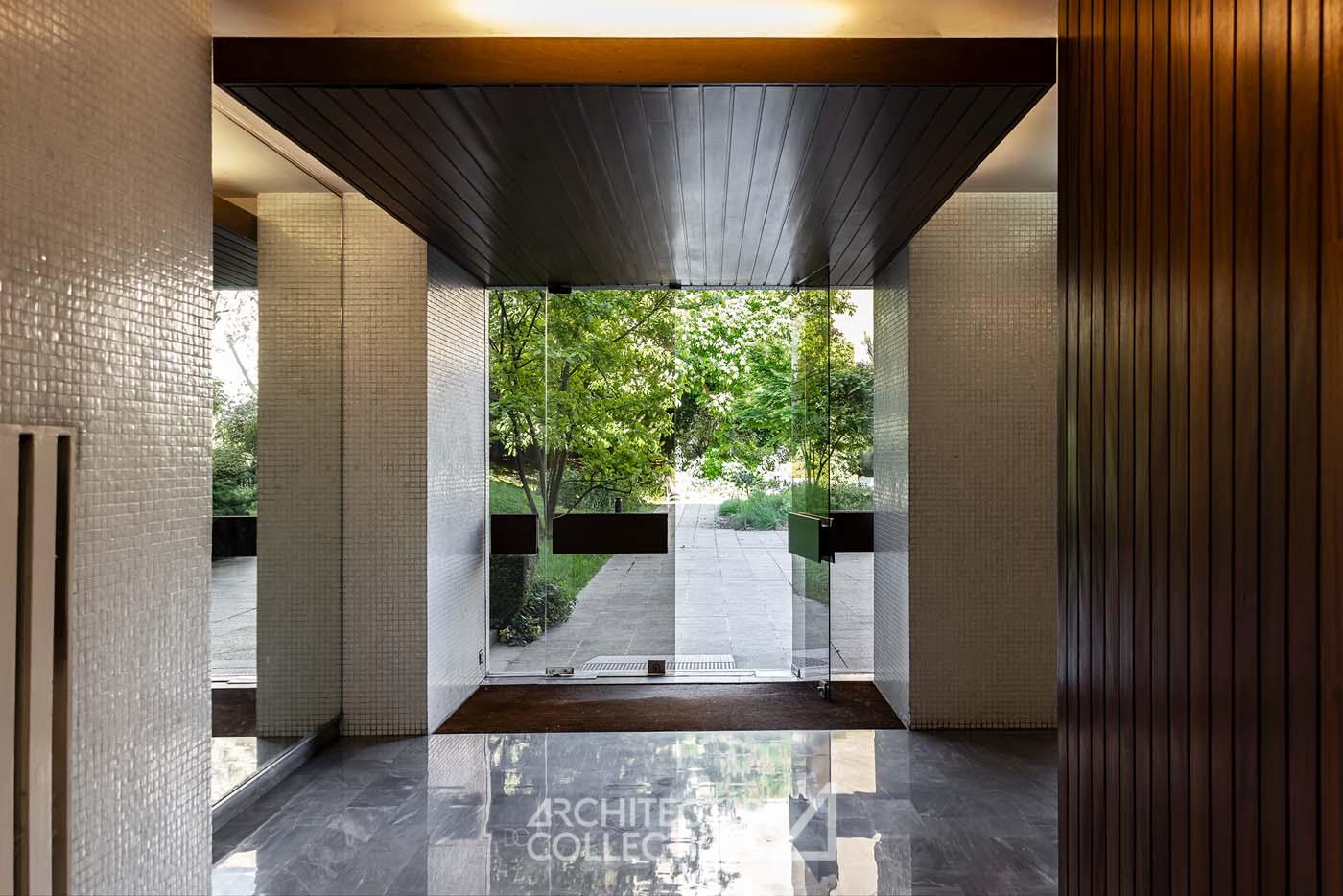
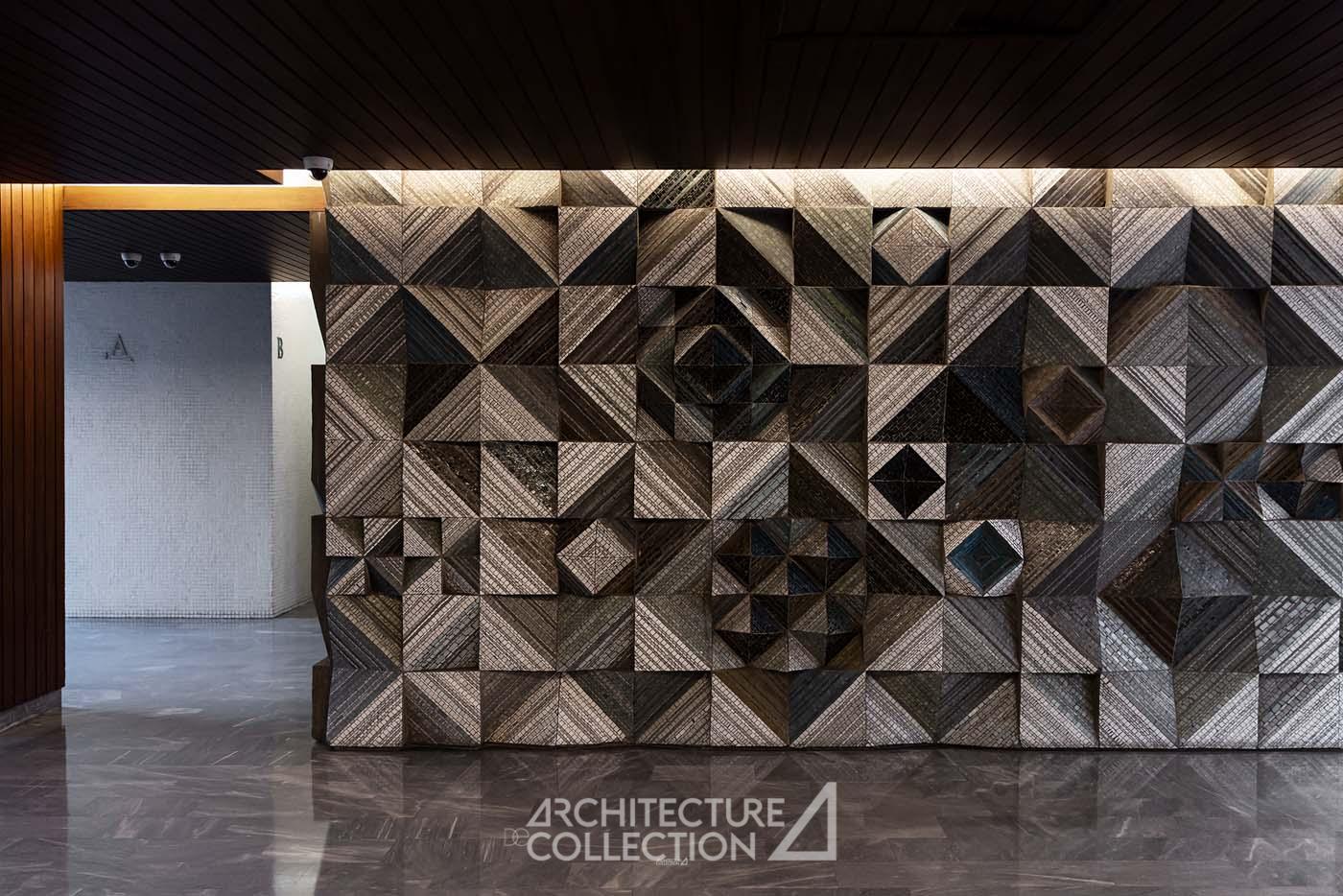
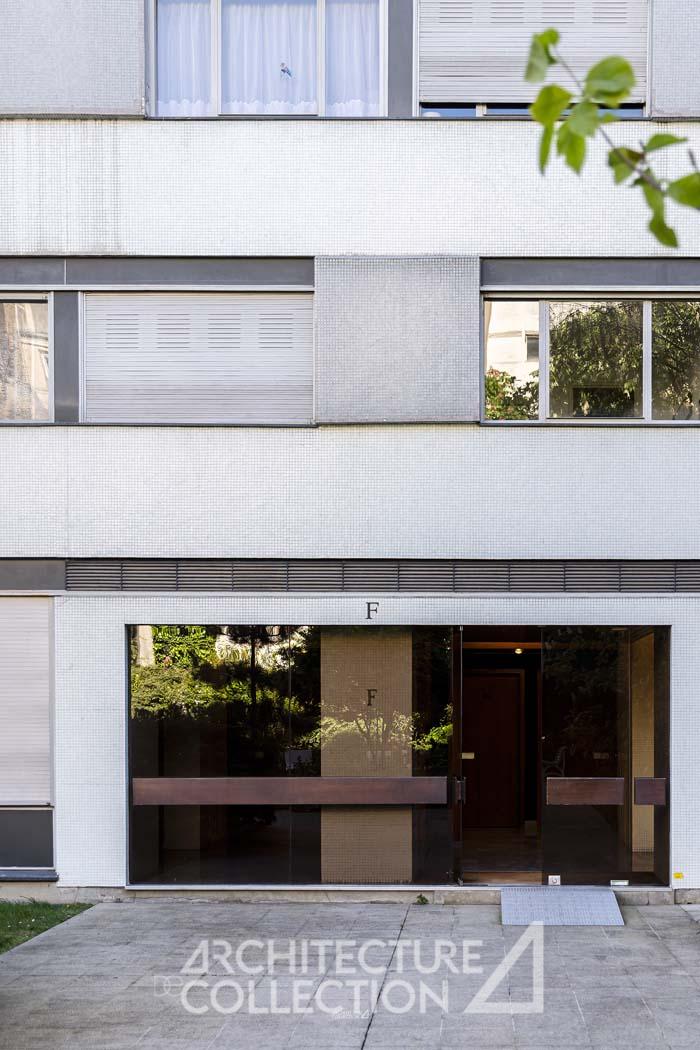
In the common areas of the co-ownership, the workshop “L’Oeuf – Centre d’étude” created the mosaics in the entrance hall, playing with quadrangular geometric shapes and various shades of blue.
In the early 1960s, under the impetus of architects Jean Piantanida, Pierre Puccinelli, Roger Brusetti, and mosaic artists Charles Gianferrari, Lazaretto, and Sergio Moruzzi, the L’Oeuf, Centre d’étude workshop was founded. The collective later welcomed other members, architects, sculptors, designers, and mosaic artists, who shared the goal of reviving the ancient technique of mosaic. Between 1962 and 1990, they created approximately 270 mosaics, notable for their rich chromatic palette and graphic design, mainly for building lobbies and public spaces.


Roger Anger
Roger Anger (1923-2008) was one of the most prolific architects of his generation, designing over a hundred buildings in and around Paris during the 1950s and 1960s. His work is fascinating for its approach to collective housing, constantly experimenting and guided by a spirit of synthesis of the arts.
A graduate of the École des Beaux-Arts de Paris in 1947, his architectural language is characterized by the purity of forms, graphic plays of geometric combinations, smooth and polished treatment of materials, and the integration of artworks into residential programs.
He surrounded himself with architects Pierre Puccinelli, his main collaborator, Michel Loyer, Liliane Véder, and Mario Heymann, with whom he designed the iconic 28-story towers in Grenoble, the tallest residential buildings in Europe at the time, awarded the First International Architecture Prize of Belgium in 1967. Roger Anger also collaborated with visual artists from the “L’Oeuf, centre d’étude” group.
The richness of his career led him, in 1965, to become the architect of the utopian community project of Auroville in India. This experimental city, inaugurated in 1968, is designed in the shape of a spiral. It is a communal living space, a realized utopia based on principles of harmony and peace, capable of accommodating 50,000 inhabitants.
Technical informations
Asking price : 1 150 000 €
Buyer’s fees
Fee amount : 5% so 54 762 €
Price excluding fees : 1 095 238€
Collective urban heating
Service charges : 1 490 €/quarter (heating, hot water, caretakers, green spaces)
Property tax : 2 317€
Co-ownership of 516 lots (including 168 residential)
Information on the risks to which this property is exposed is available on the Géorisques website : www.georisques.gouv.fr
© Texts Architecture de Collection
© Photos Matthieu Barani
DPE : C – GES : C
Average energy costs indexed for the years 2021, 2022, and 2023 (including subscriptions) are estimated at between €1,340 and €1,850 per year, in accordance with the decree of March 31, 2021, in force at the time the DPE was issued.