Description
A panoramic artist’s studio in an Art deco building
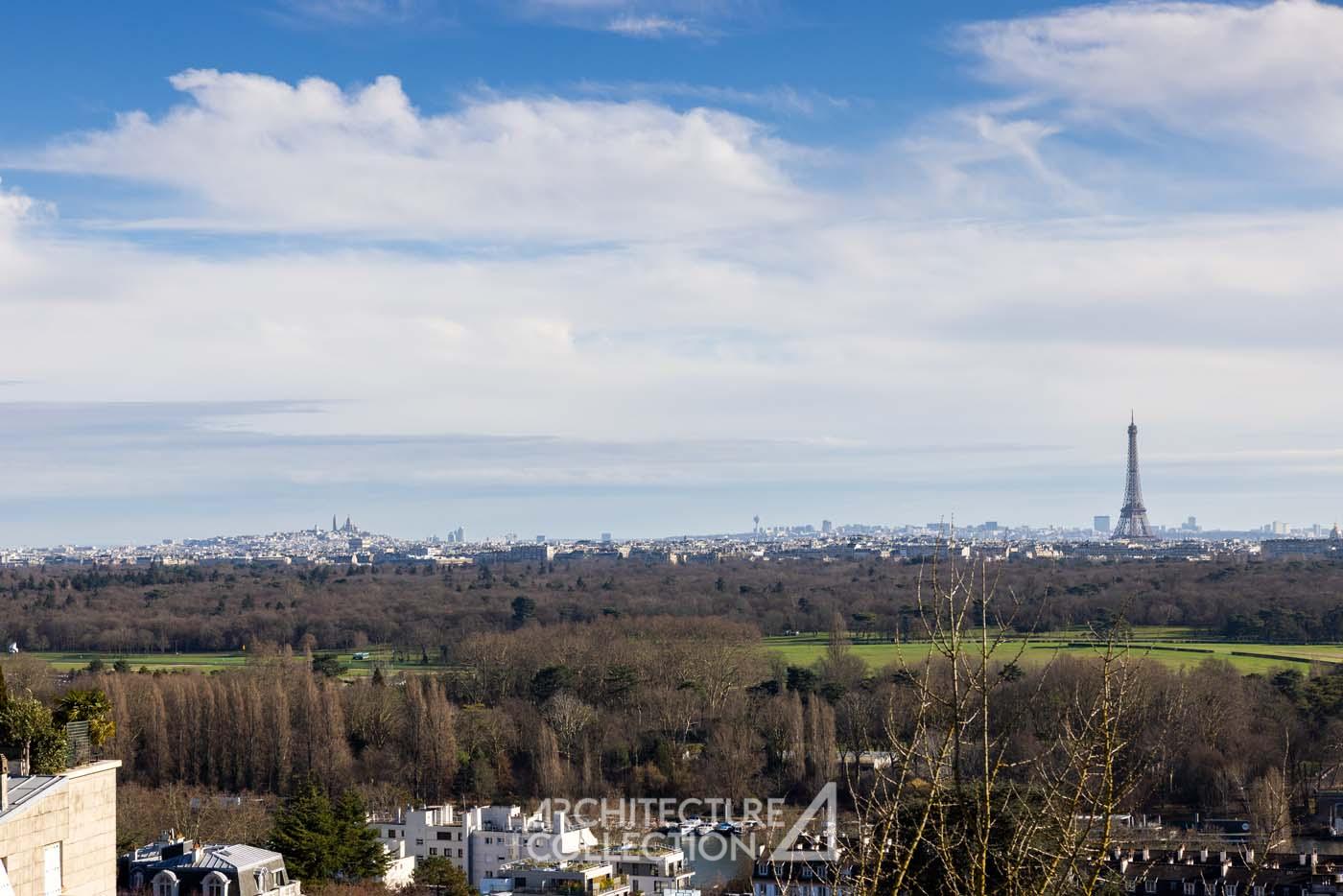
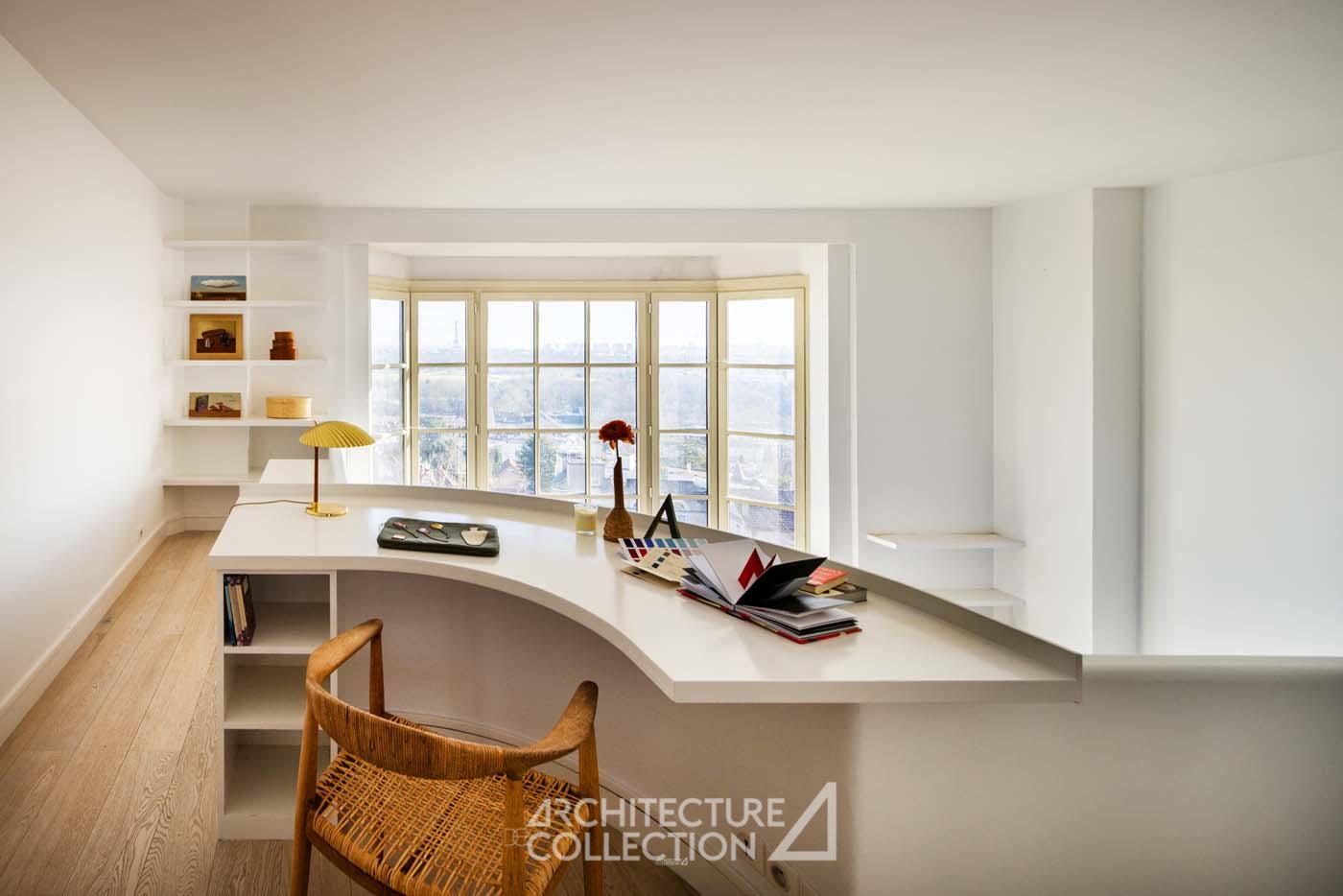
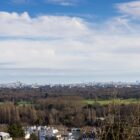
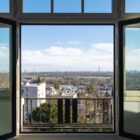
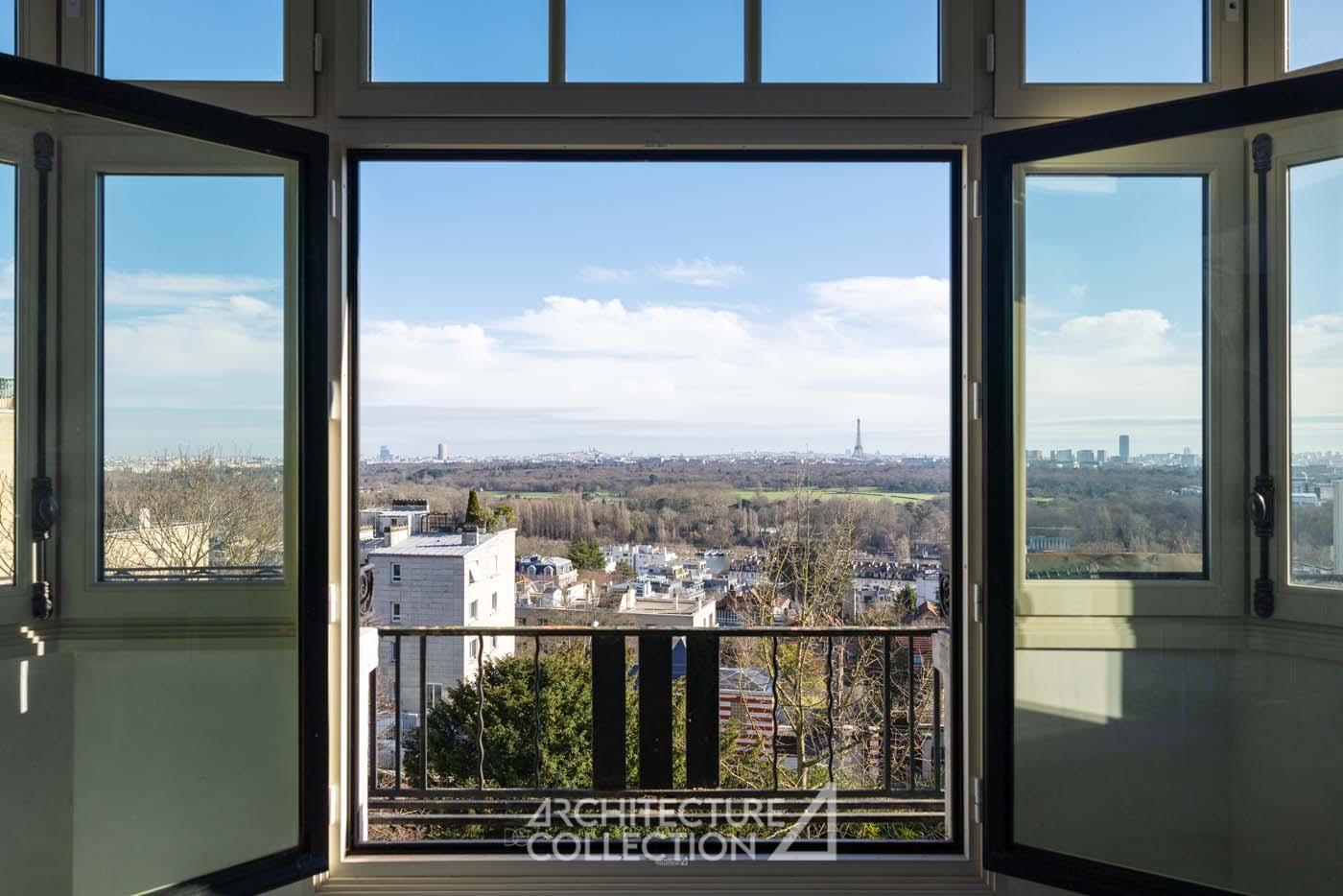
In a typically Art Deco complex designed in 1932 by Maurice Bonnemaison, this duplex offers spectacular panoramic views of Paris, from the Eiffel Tower to Sacré-Cœur and the towers of La Défense.
Spread over two levels, the apartment covers 92 m² (Carrez Law).
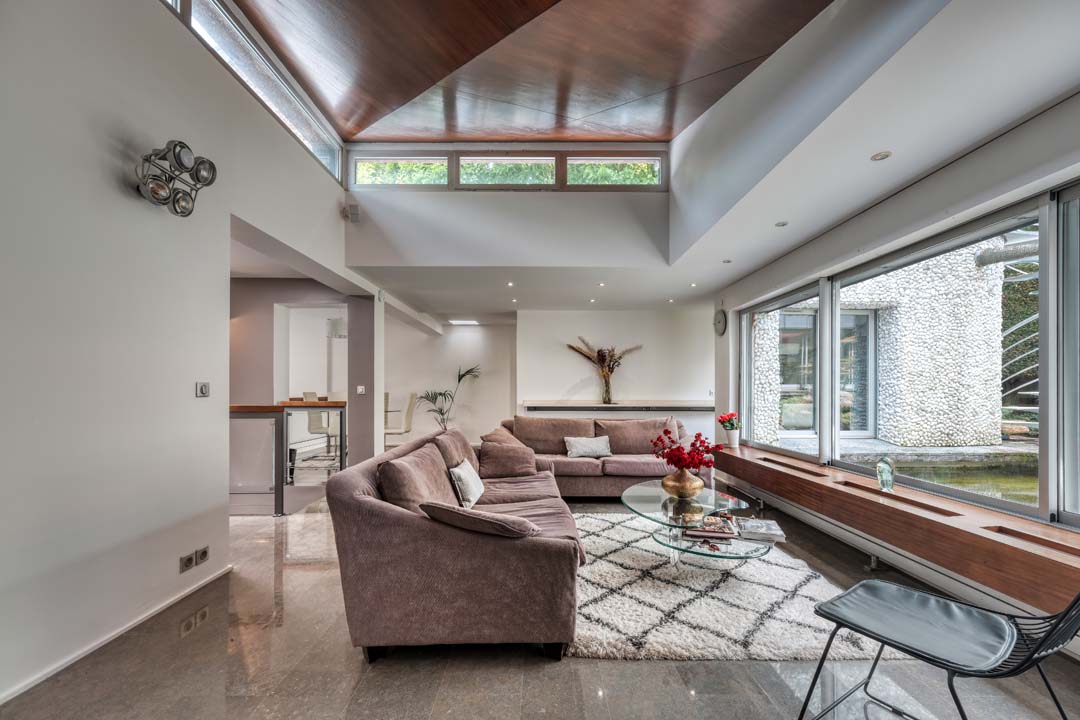
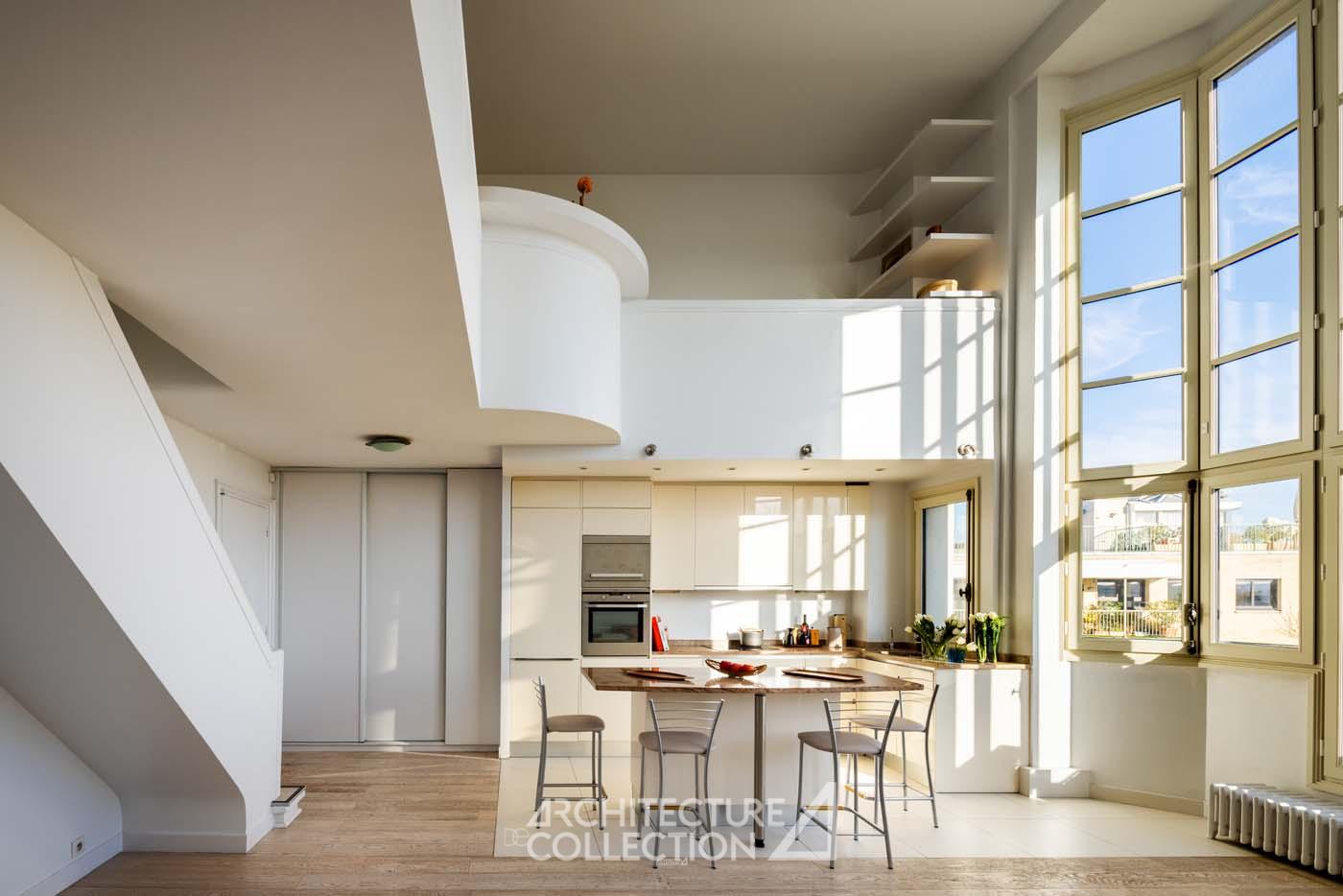
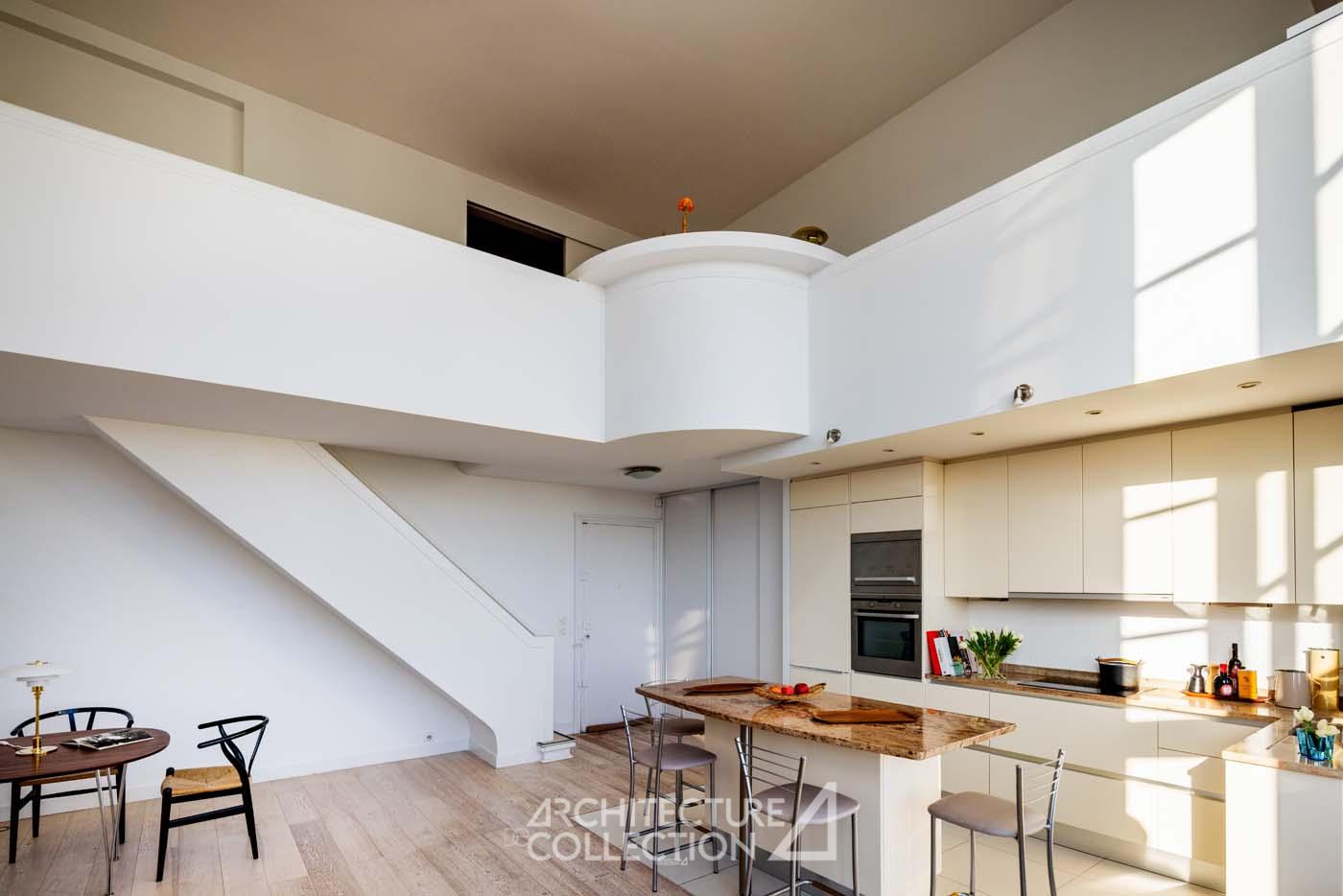
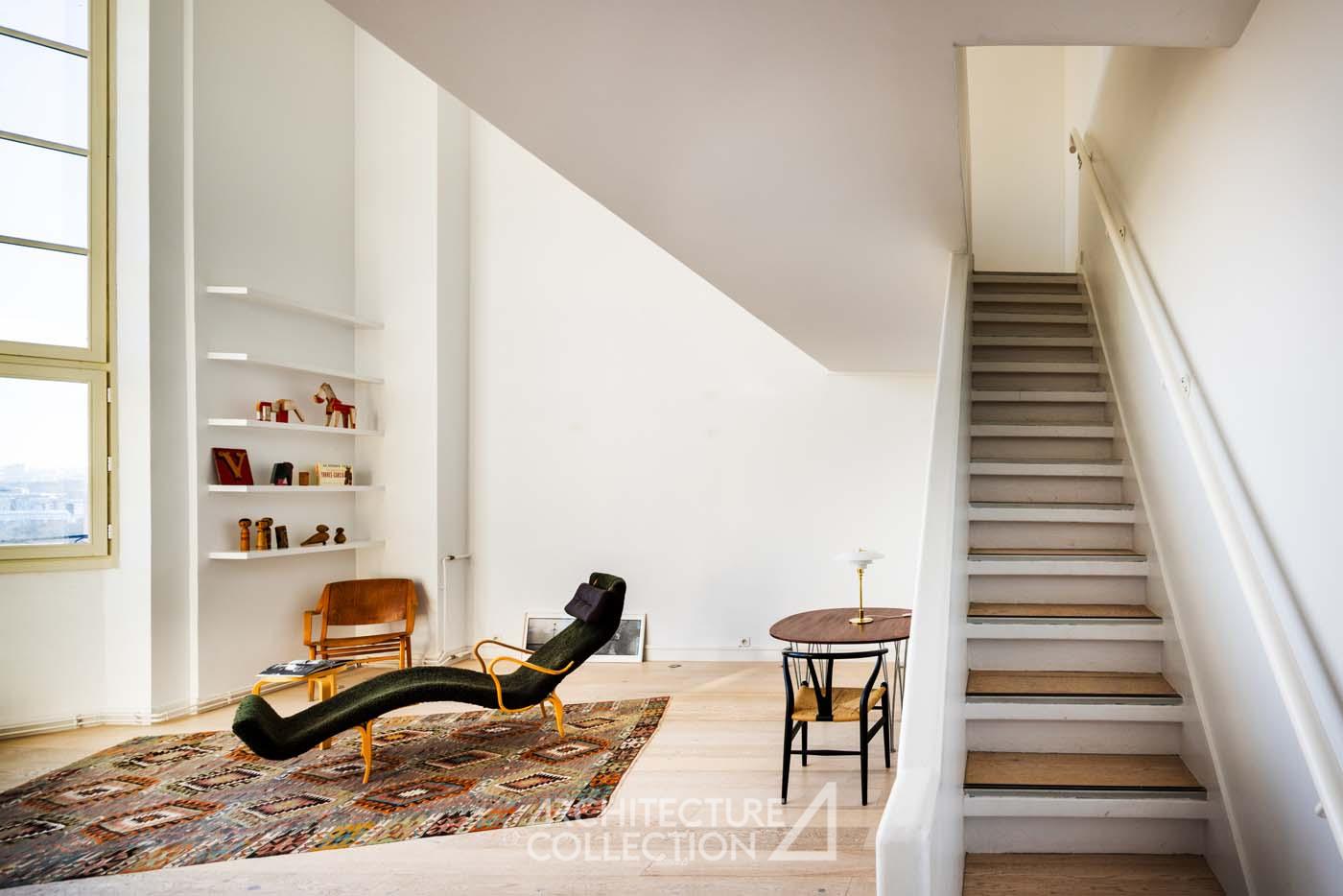
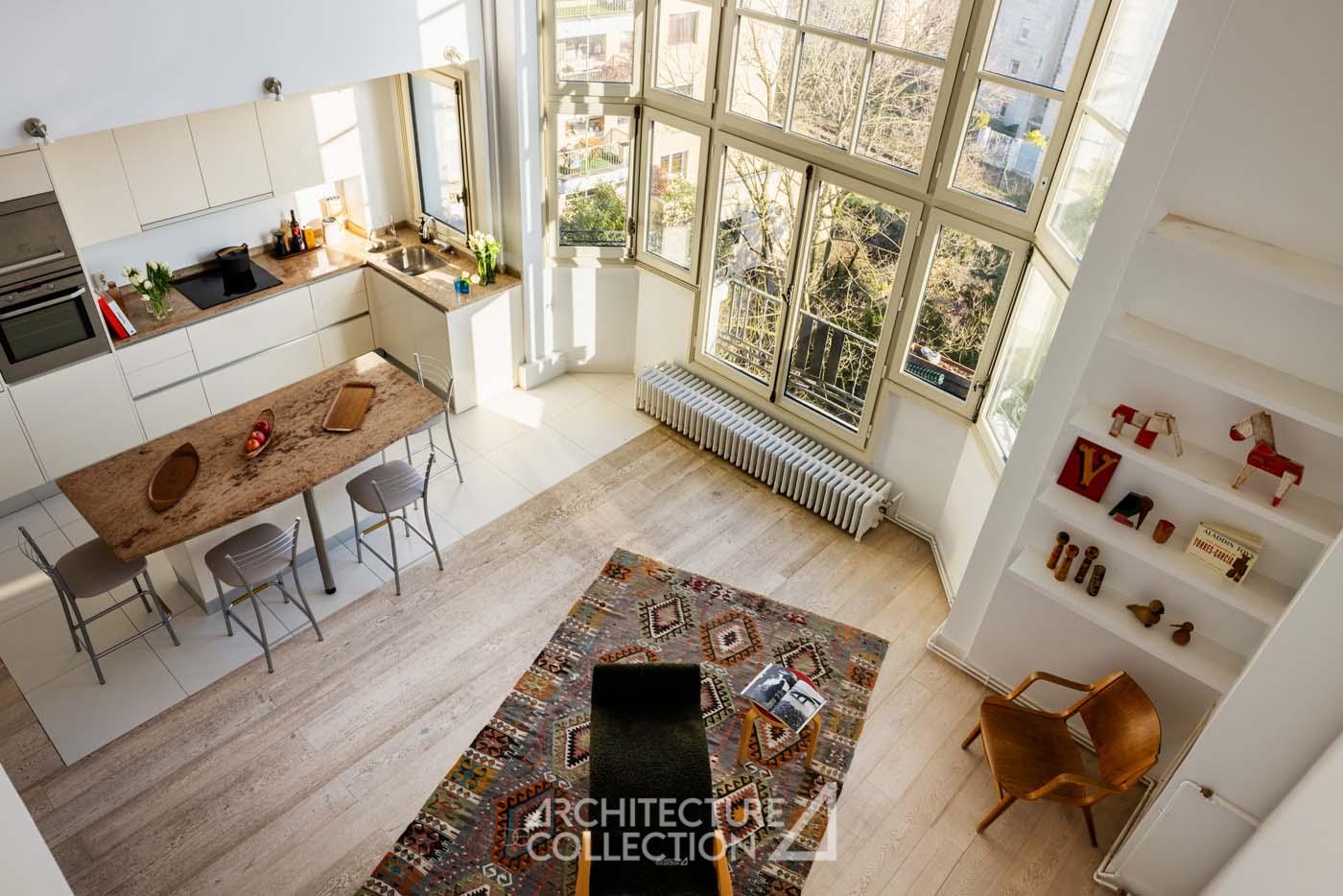
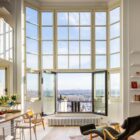
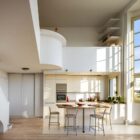
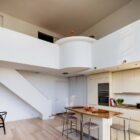
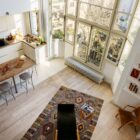
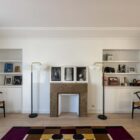
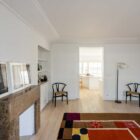
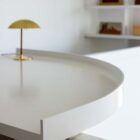
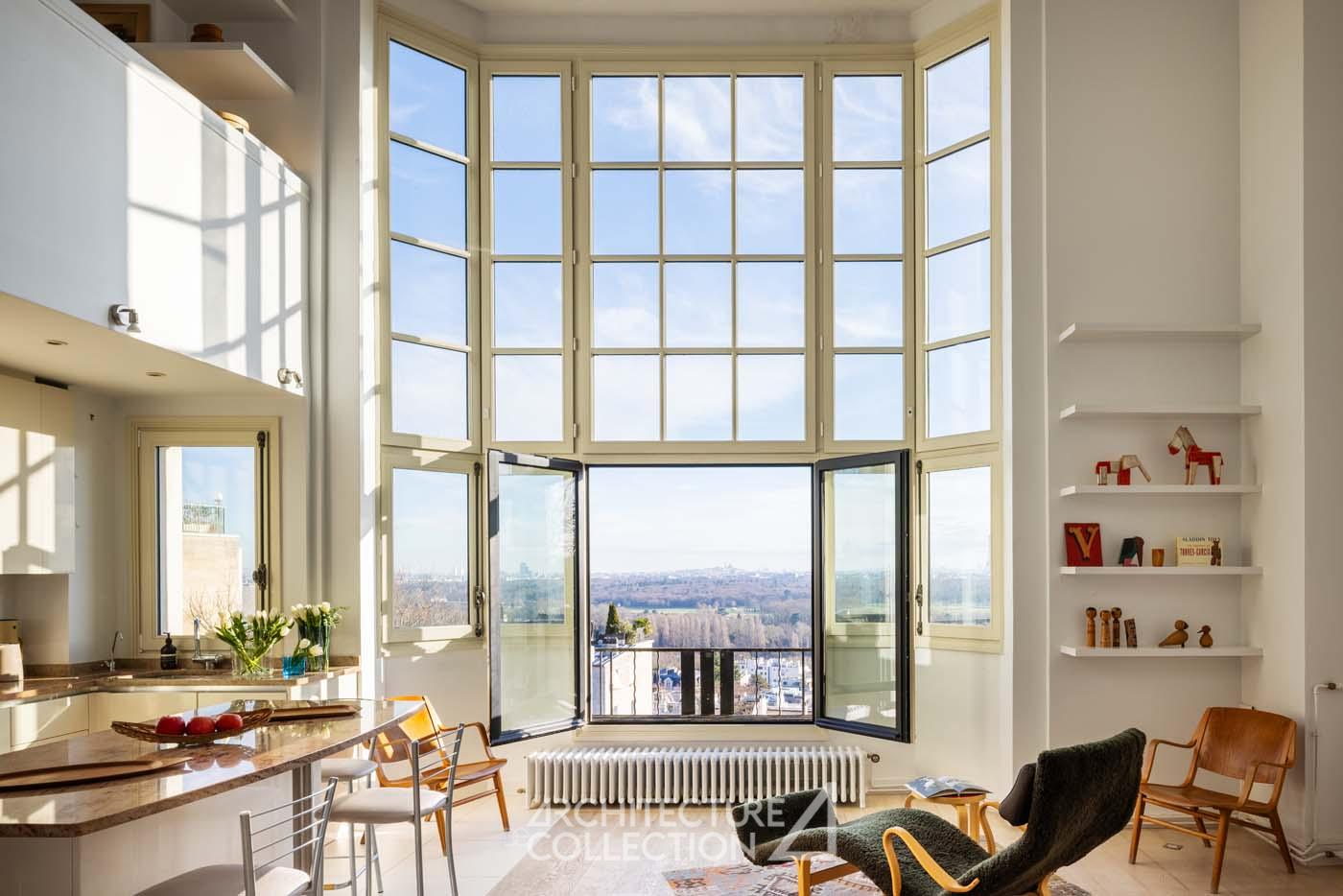
From the entrance, you access a large 40 m² living space featuring a living room, a double-height dining area, and an open, fully equipped kitchen with a central island.
This vast room, with its nearly 6-meter-high ceiling, is flooded with light thanks to a studio-style glass roof offering 180° views of Paris.
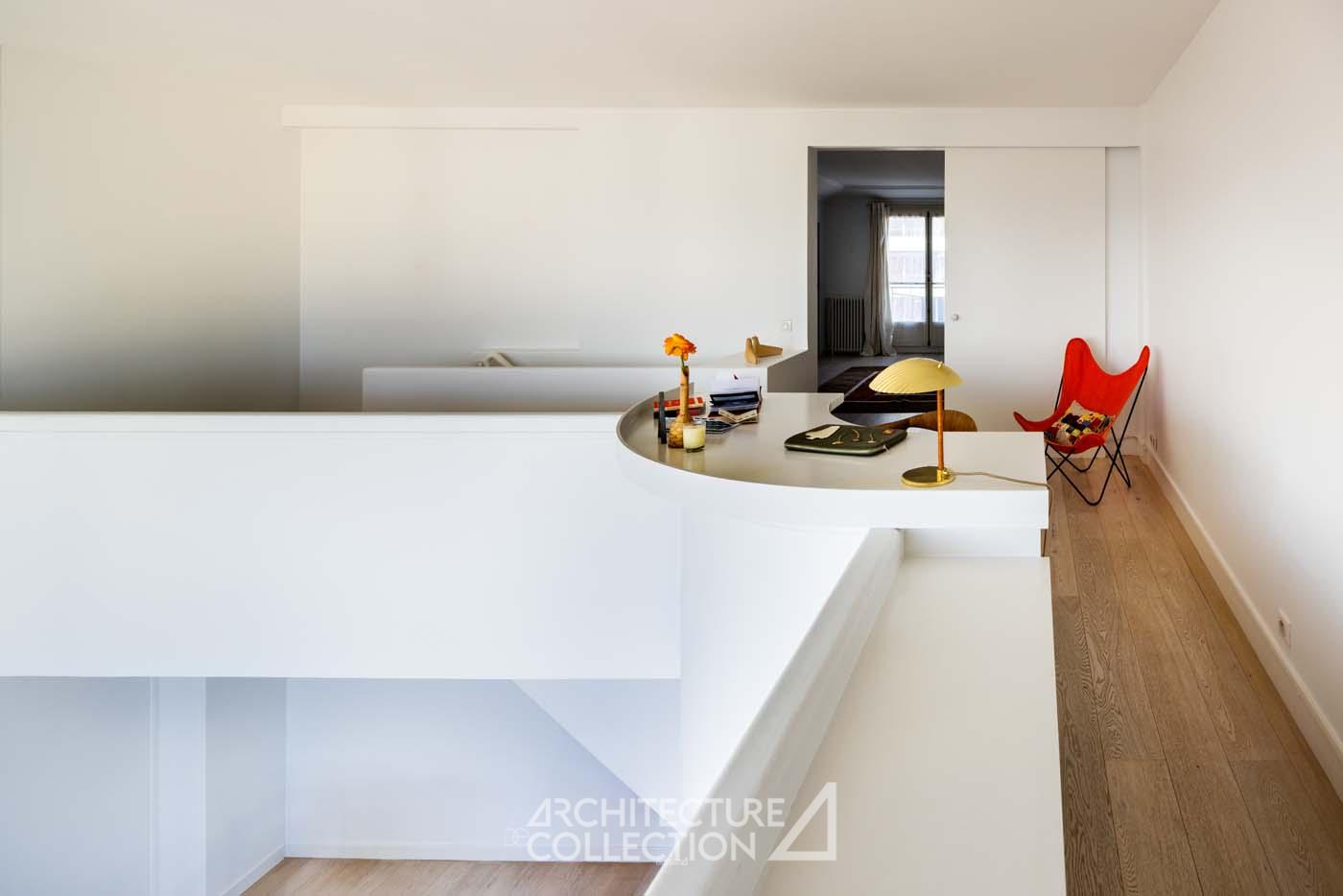
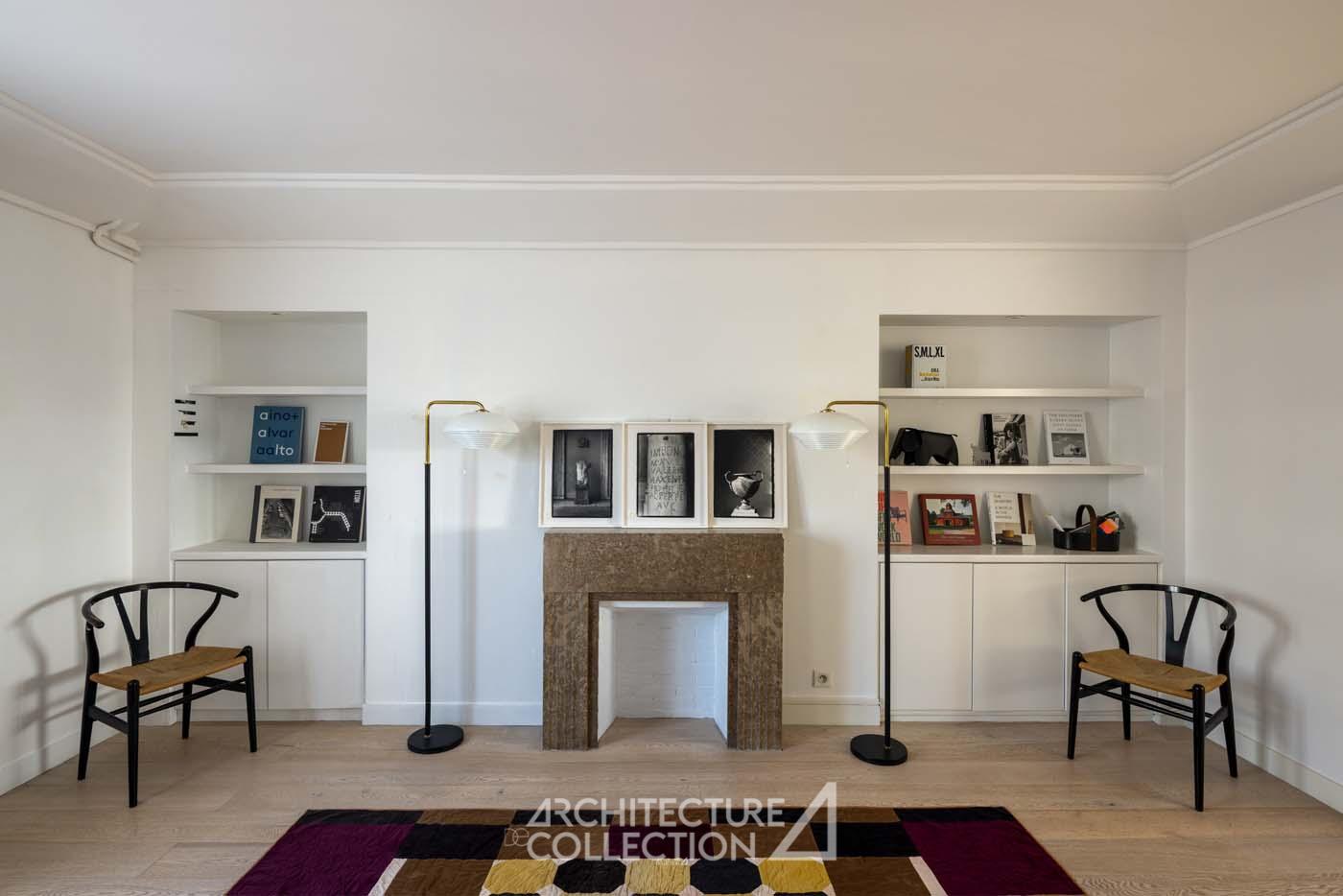
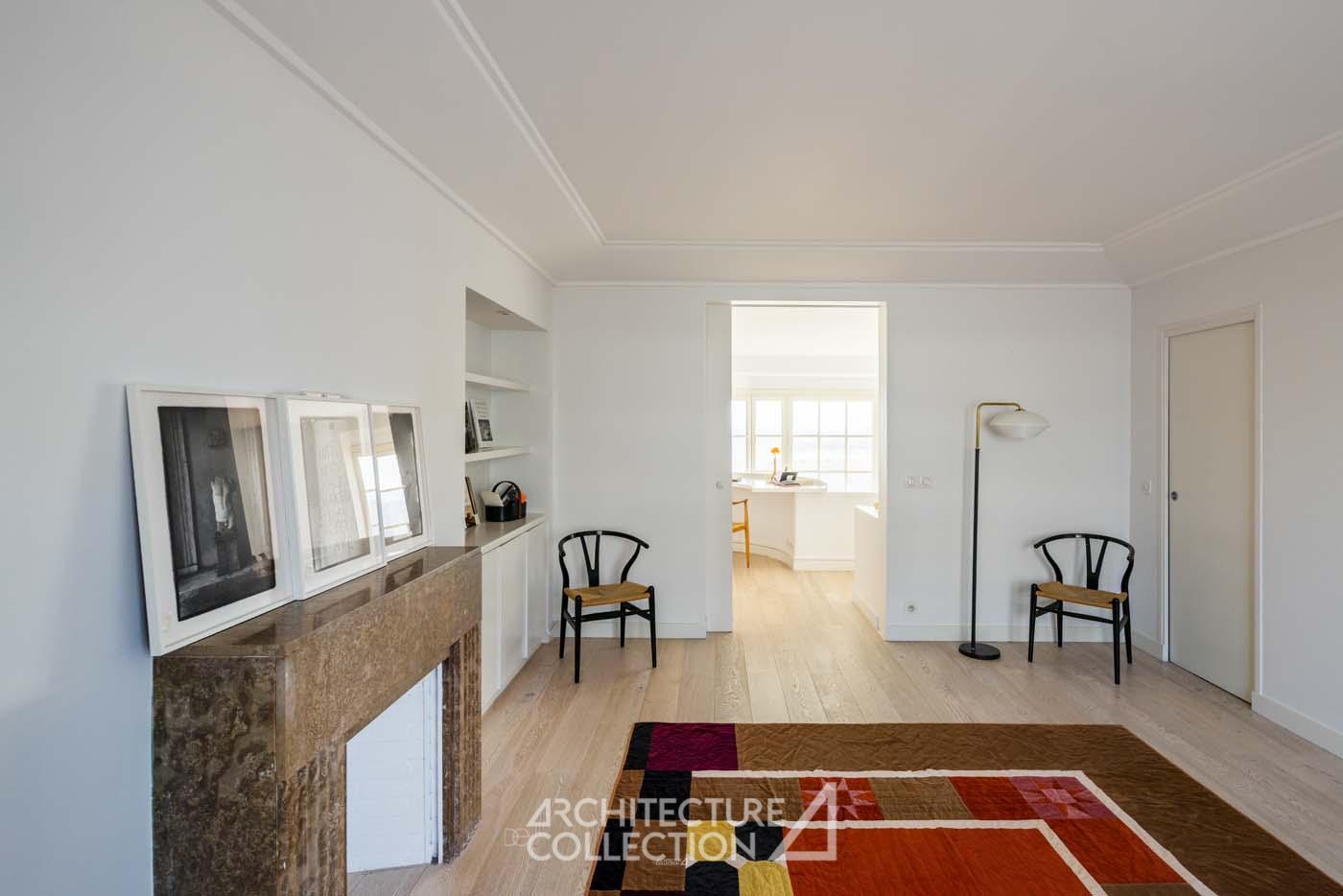
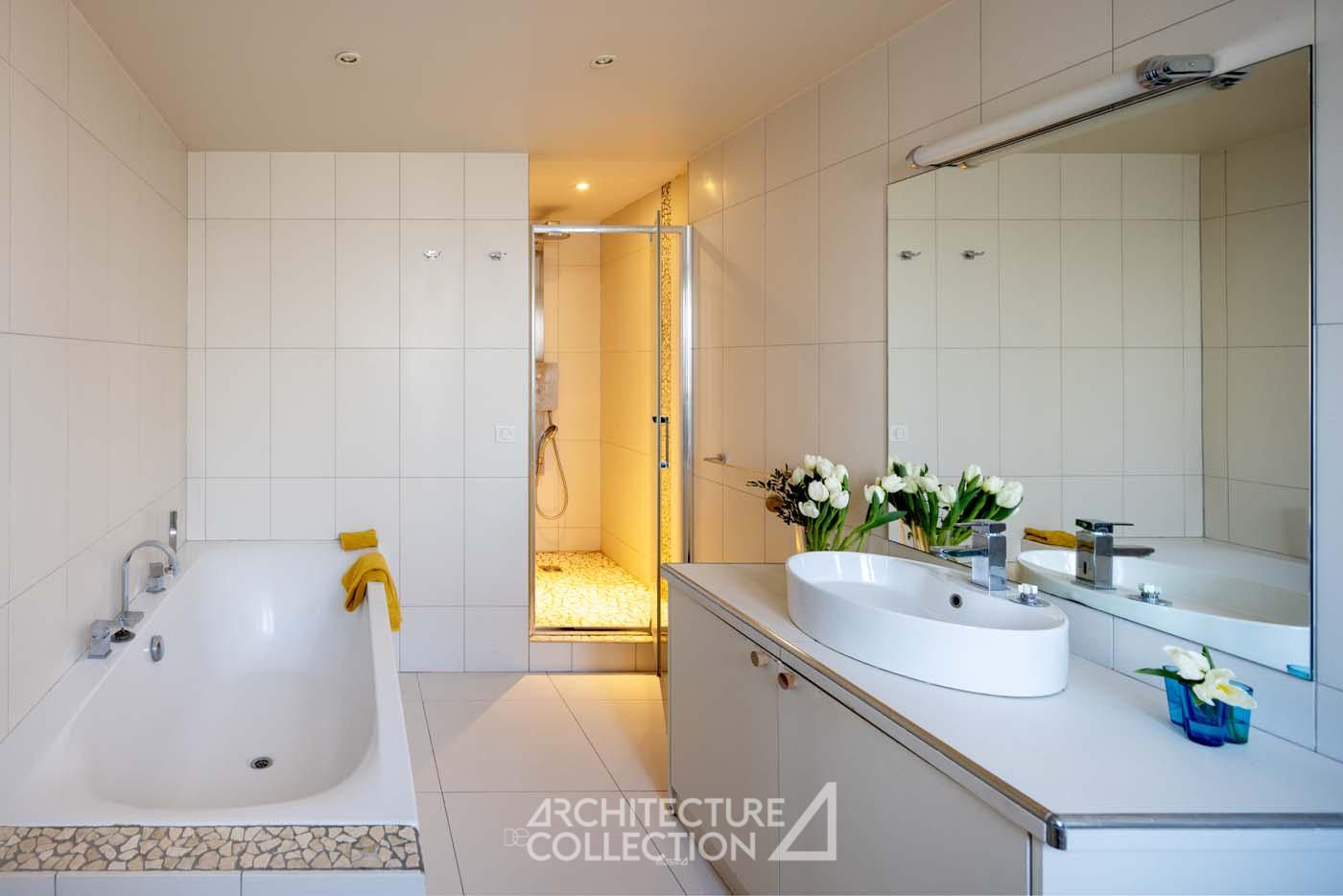
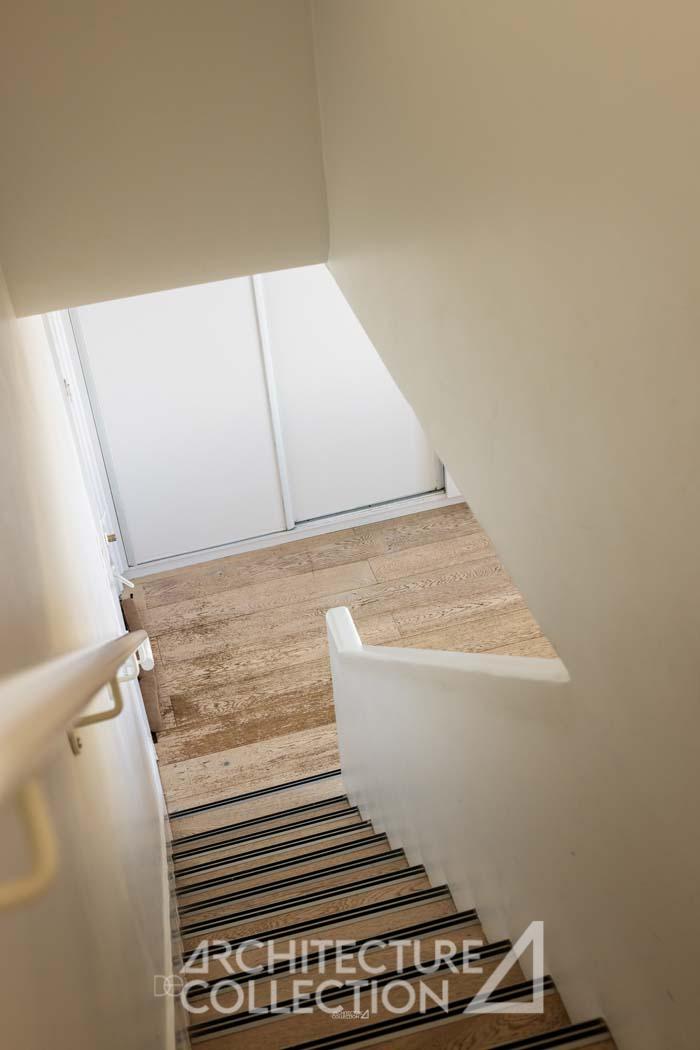
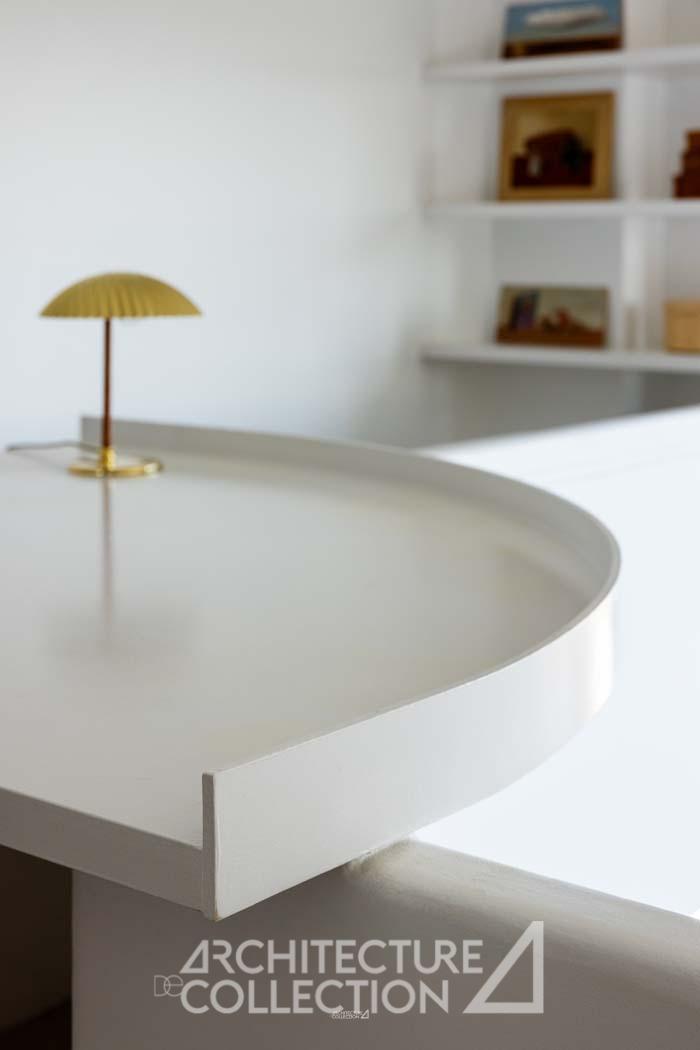
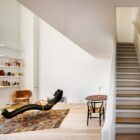
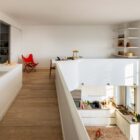
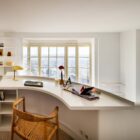
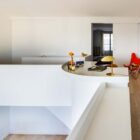
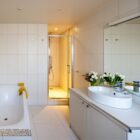
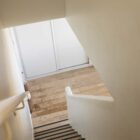
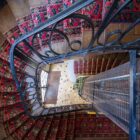
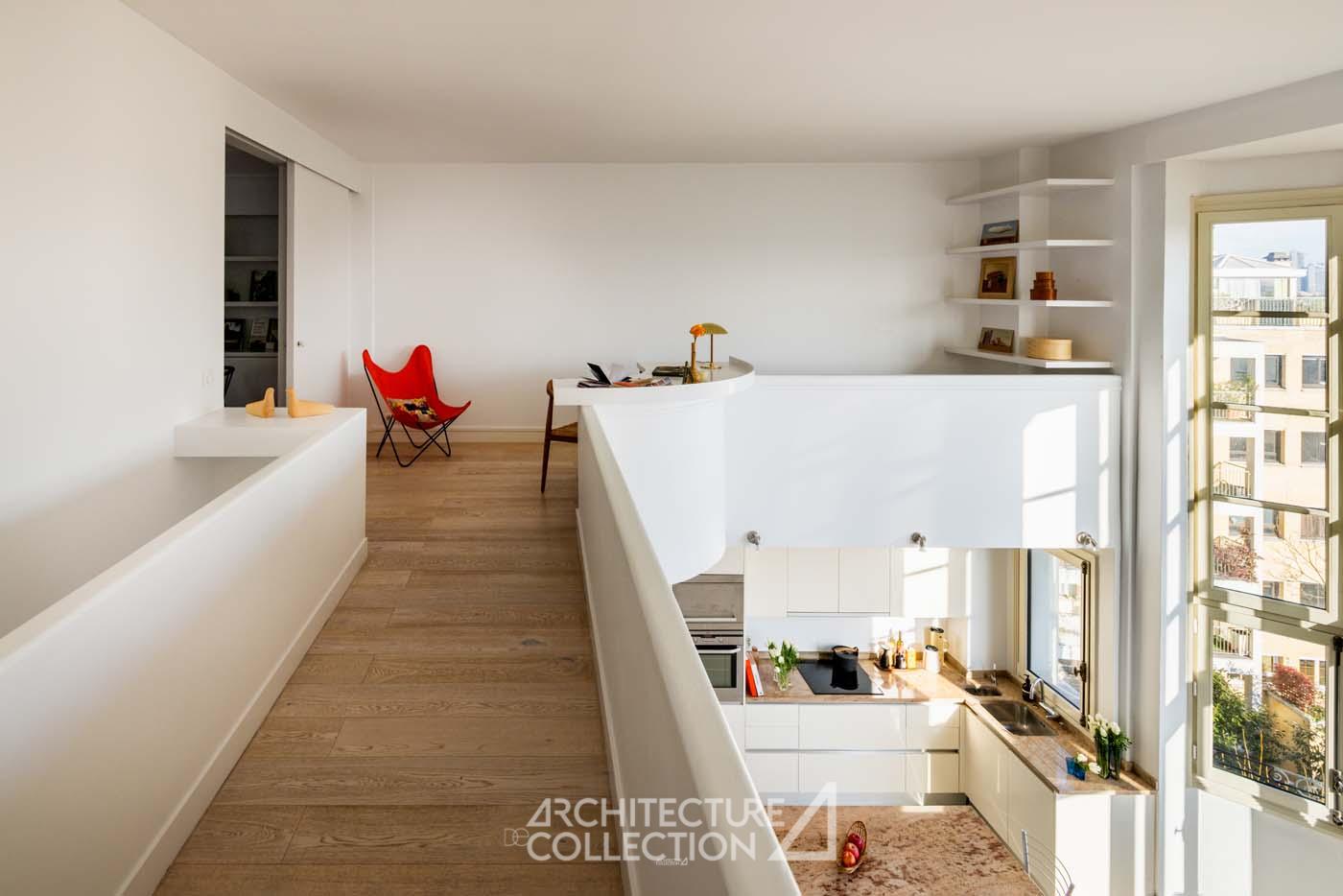
Accessed by a staircase, the upper floor includes a mezzanine serving as an office and library, complemented by a bedroom with a dressing room and a bathroom.
Its east and west exposure for the bedroom gives the entire space a bright and airy feel.
The building enjoys an ideal location in the Val d’Or-Les Coteaux neighborhood of Saint-Cloud.
It is served by tram T2, lines U and L (which reach La Défense in 10 minutes), and several bus lines.

Typical 1930s architecture
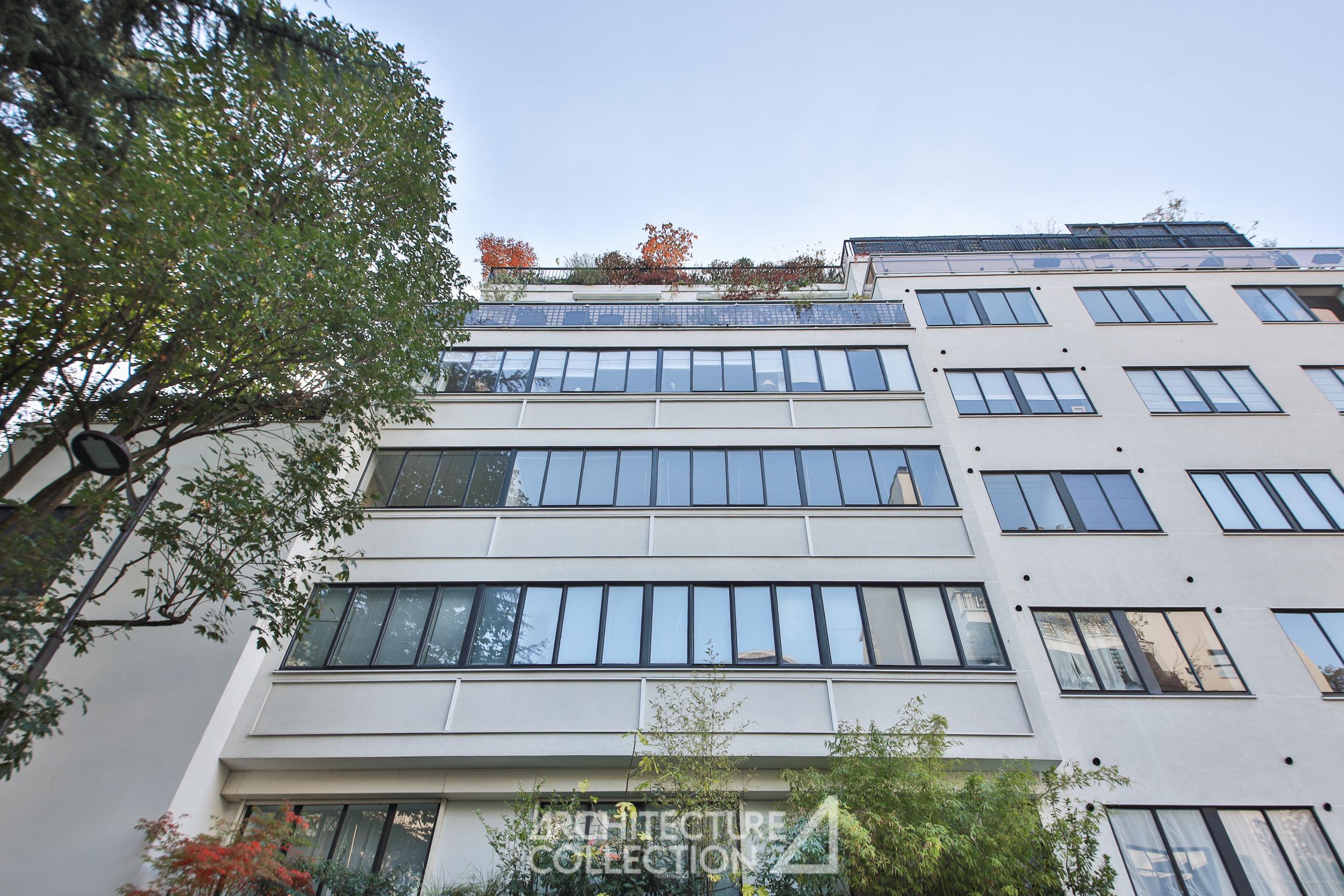
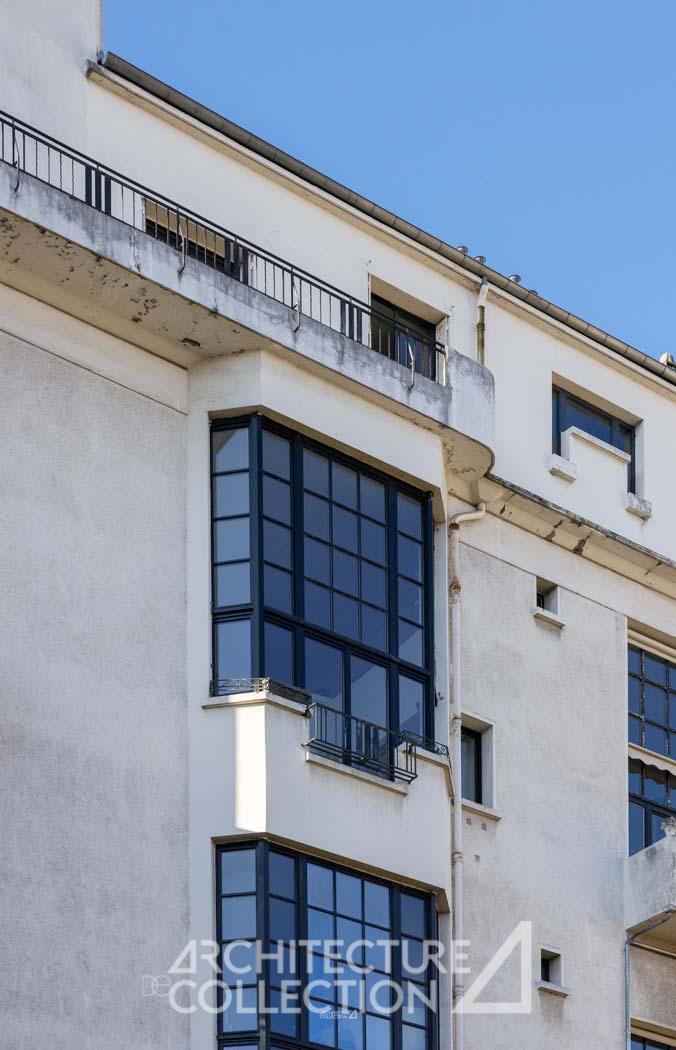
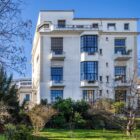
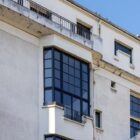
The garden façade of the building, clad in traditional light stone, is punctuated by double-height studio windows and rectangular projecting balconies adorned with geometric wrought-iron balustrades. The overall design reflects the period’s typical style, characterized by a strong orthogonality, embodied by the vertical projection of a central bay window and the horizontal line of a continuous balcony at the top of the structure. The bay window’s design aligns with the work of architects of the time, such as Michel Roux-Spitz, who modernized this motif by geometrizing its form.
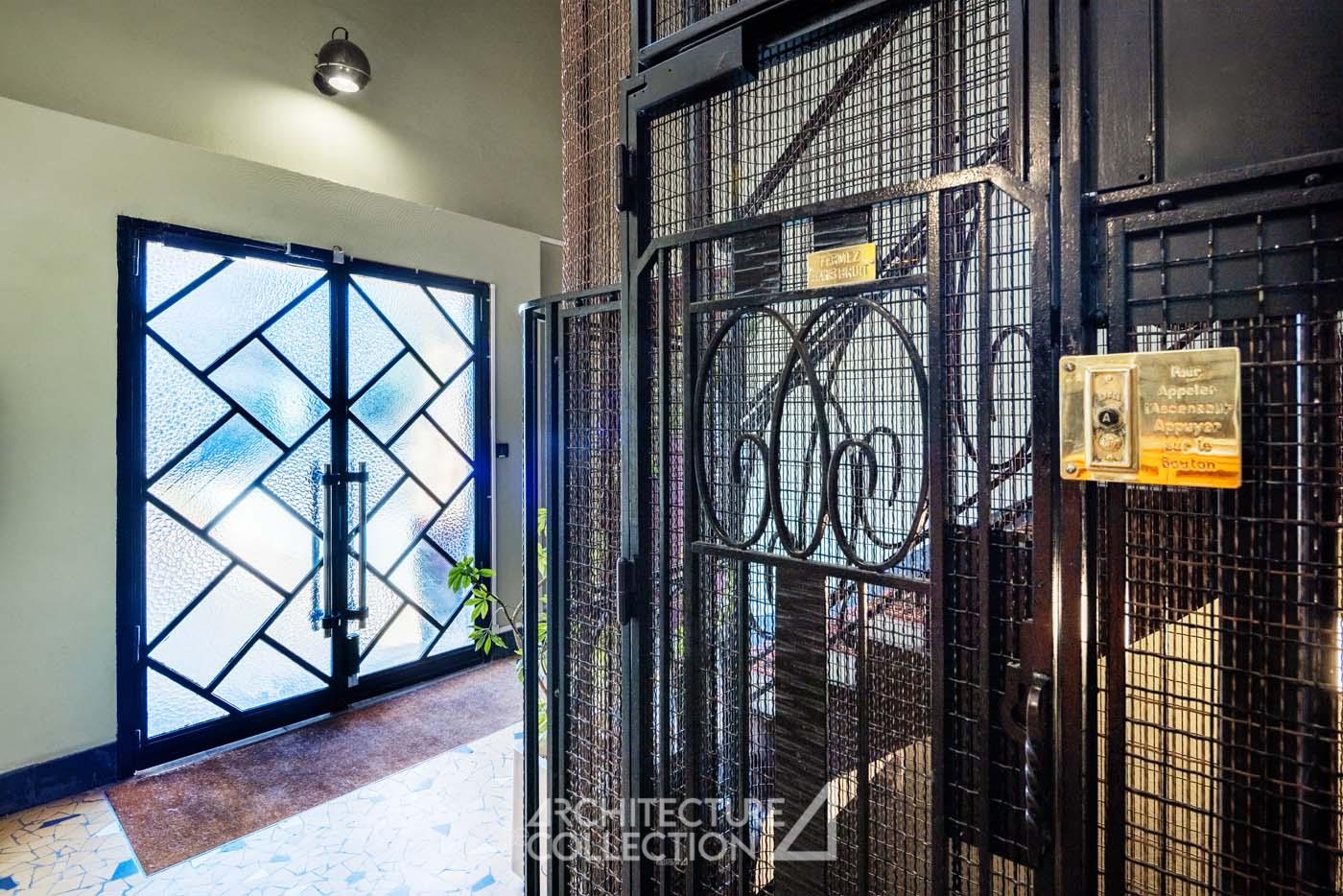
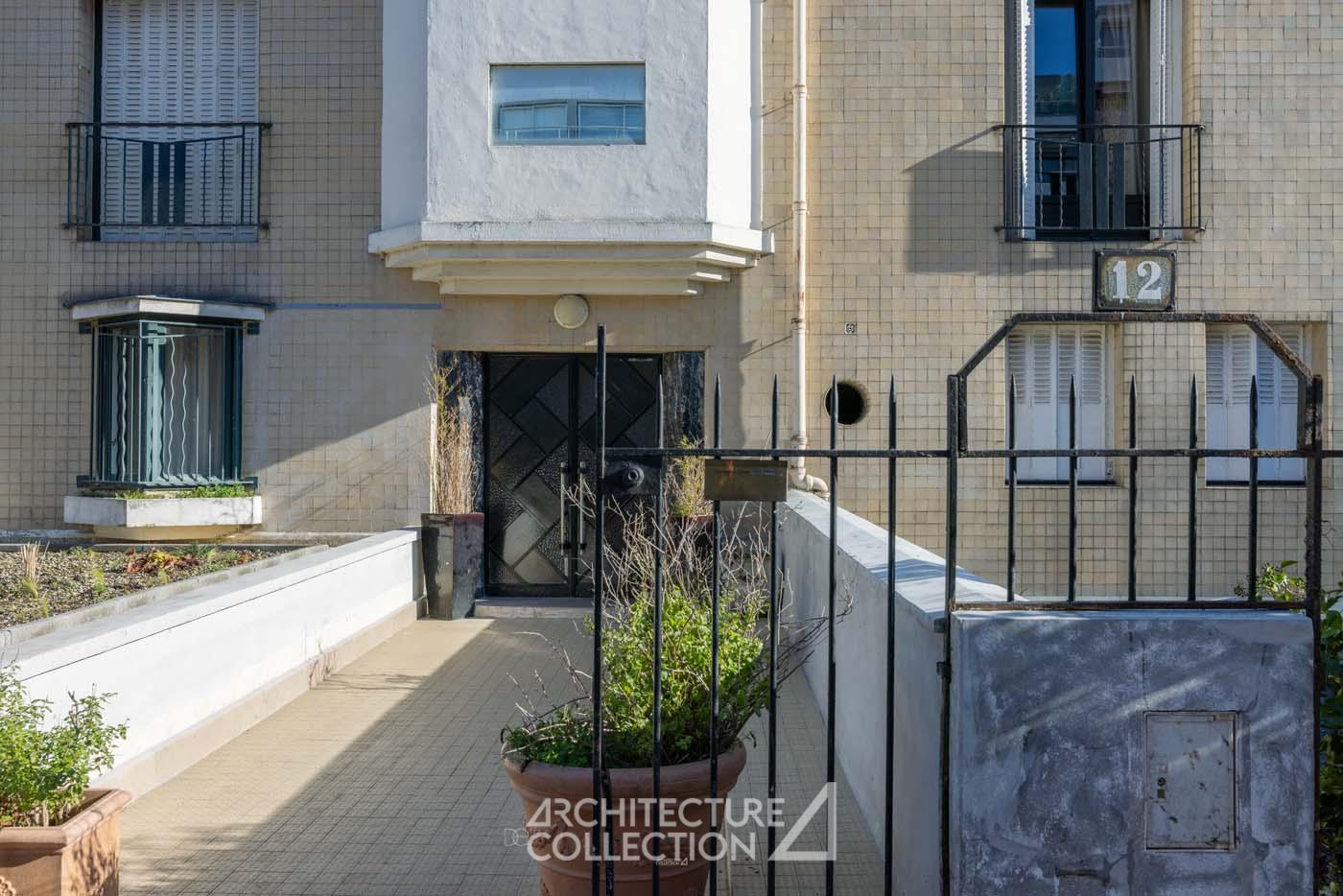
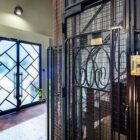
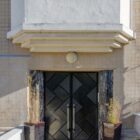
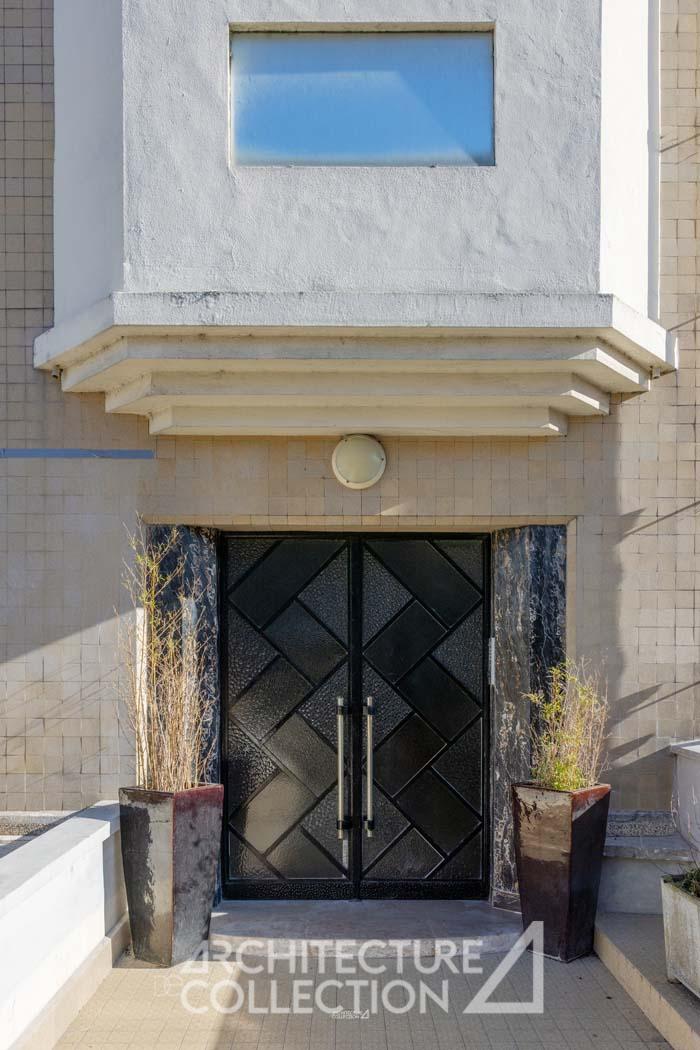
On the street side, the façade is marked by simplicity, clad in soft-toned ceramic tiles and rhythmically punctuated by openings of varying sizes. The building’s entrance door, framed by two thick gray marble posts, features a geometric wrought-iron and glass motif.

The artist’s studio building
This building by Maurice Bonnemaison embodies the typical forms of artist studio buildings that emerged in the 19th century and flourished in the 20th century.
The large studio windows give the façade a distinctive and recognizable typology. The simple interior volumes and double-height spaces enhance the sense of openness, allowing artists to step back and appreciate their works in terms of spatial dimension or to experiment with different arrangements.
The artist’s studio model appealed to the 20th-century bourgeoisie. During this period, it began to be used in private residences, blending studio characteristics with the codes and tastes of modern living through various orientations. Iconic architects such as Le Corbusier, Robert Mallet-Stevens, and Auguste Perret drew inspiration from this model in some of their most famous creations.

Photographs from La Construction Moderne, weekly architecture journal, January 1933
Maurice Bonnemaison
Maurice Bonnemaison was born in Rambouillet in 1882. He studied architecture in the studios of Jules Pillet and Edmond Paulin and graduated from the Beaux-Arts in 1905.
He practiced as an architect in the 4th and 16th arrondissements of Paris between 1910 and 1914, and later in Arpajon, Essonne. He designed numerous studios, apartment buildings, and private mansions, particularly in the 16th arrondissement.
Infos techniques
Asking price : 928 000 €
Seller pays agency fees.
2024 proprety tax : 2711 €
Co-ownership
Collective gas heating
Information on the risks to which this property is exposed is available on the Géorisques website: www.georisques.gouv.fr
© Texts Architecture de Collection
© Photos Manuel Bougot
ENERGY CLASS : E / CLIMATE CLASS : E
Estimated annual costs : between 1 610 € et 2 220 € per year, based on average energy prices as of January 1, 2021